This comes up in every first conversation, and it deserves a straight answer rather than reassurance. Yes, AI-generated fashion imagery is used commercially by brands today. The conditions that matter are about likeness, rights and disclosure — and they are more practical than most people expect.
One caveat before anything else: this is general guidance, not legal advice, and rules differ meaningfully by market. If you are running a large paid campaign, have your counsel look at it.
Model likeness
The central question is whether the person in your image is identifiable as a real individual. Imagery built on a real person's likeness needs that person's consent for the usage in question — the same principle that governs traditional model releases and buyout terms. Imagery of a model that is not a real identifiable person does not carry that constraint, which is precisely why usage rights stop being a per-campaign negotiation.
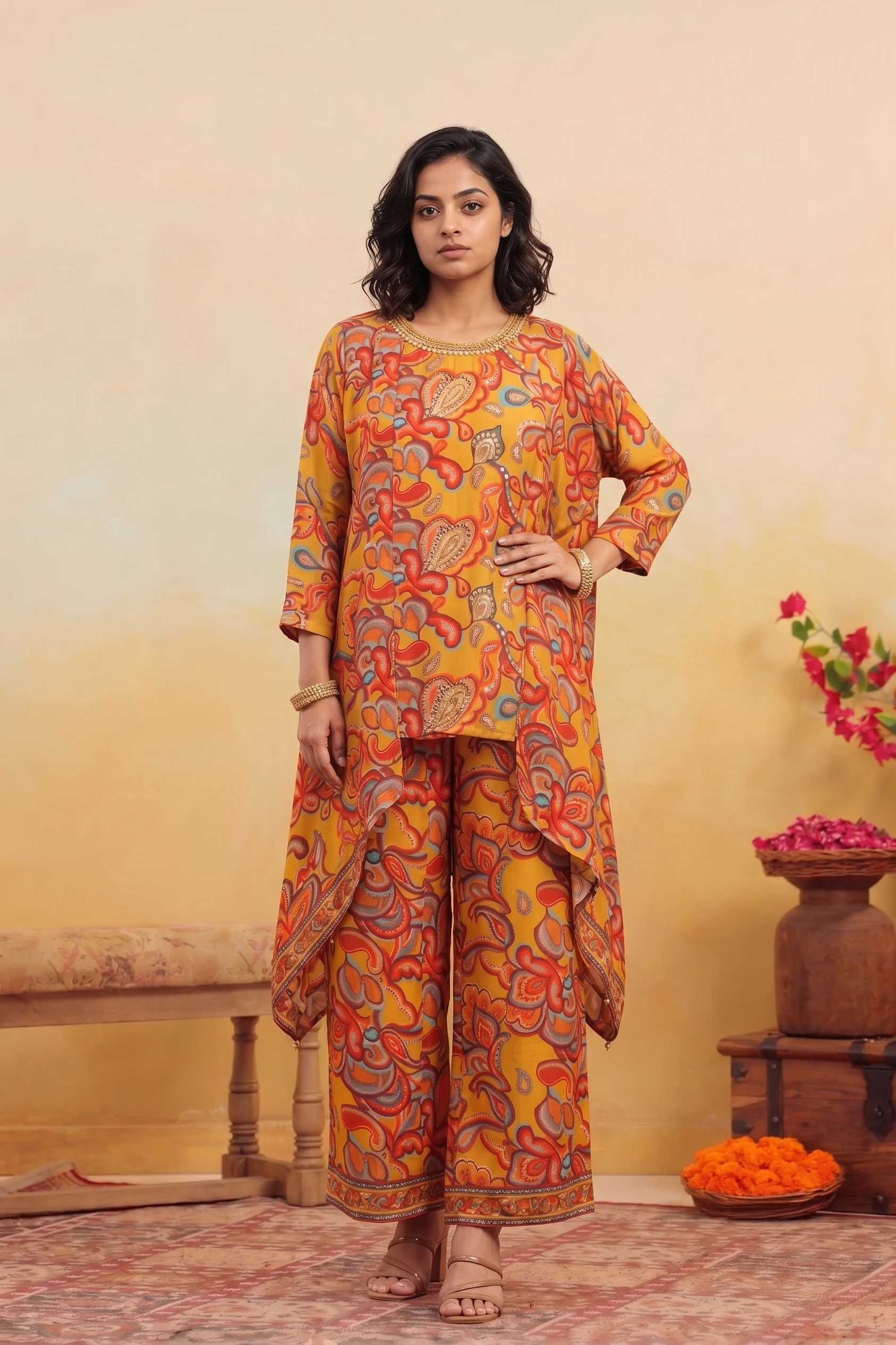
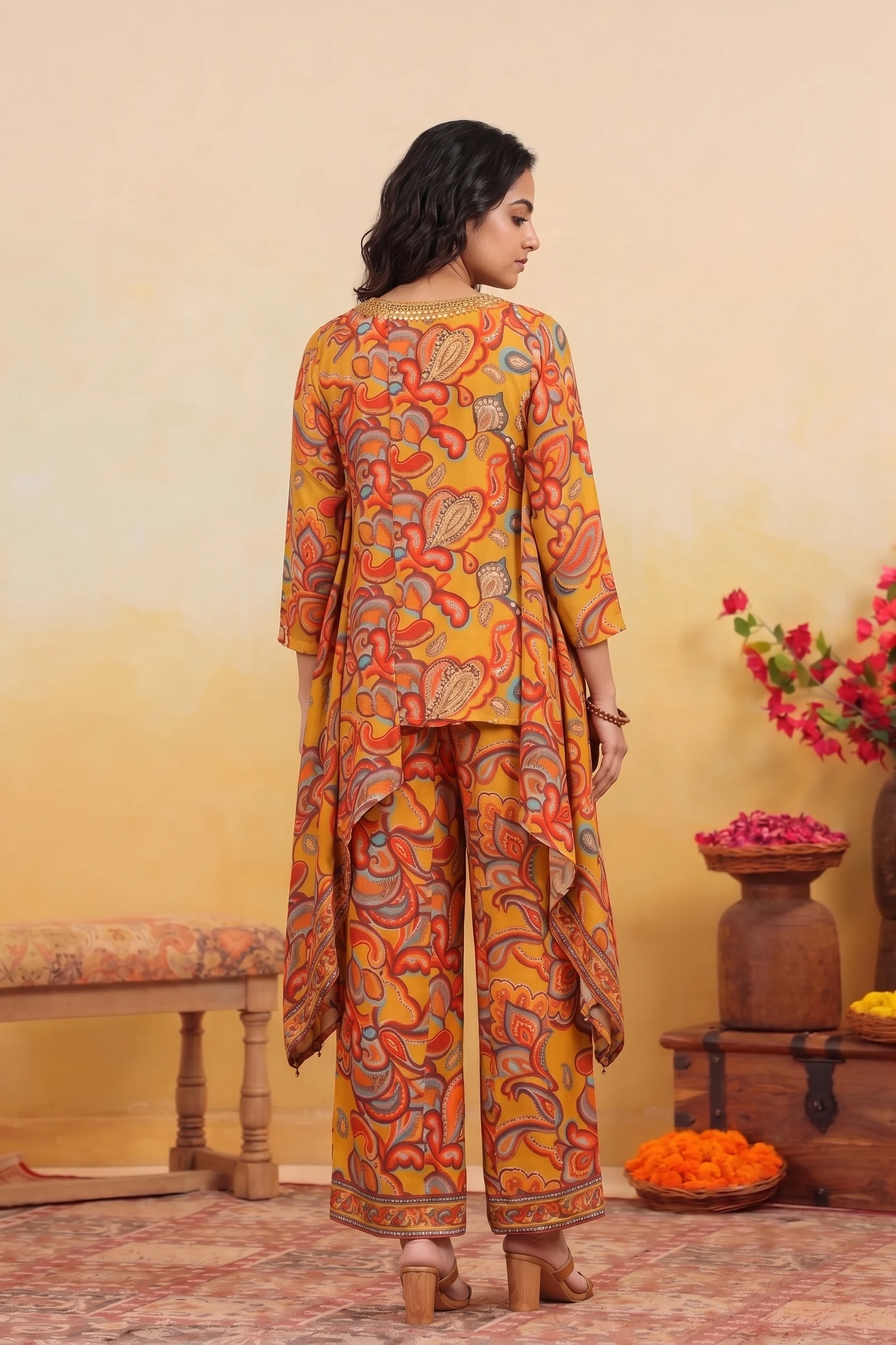
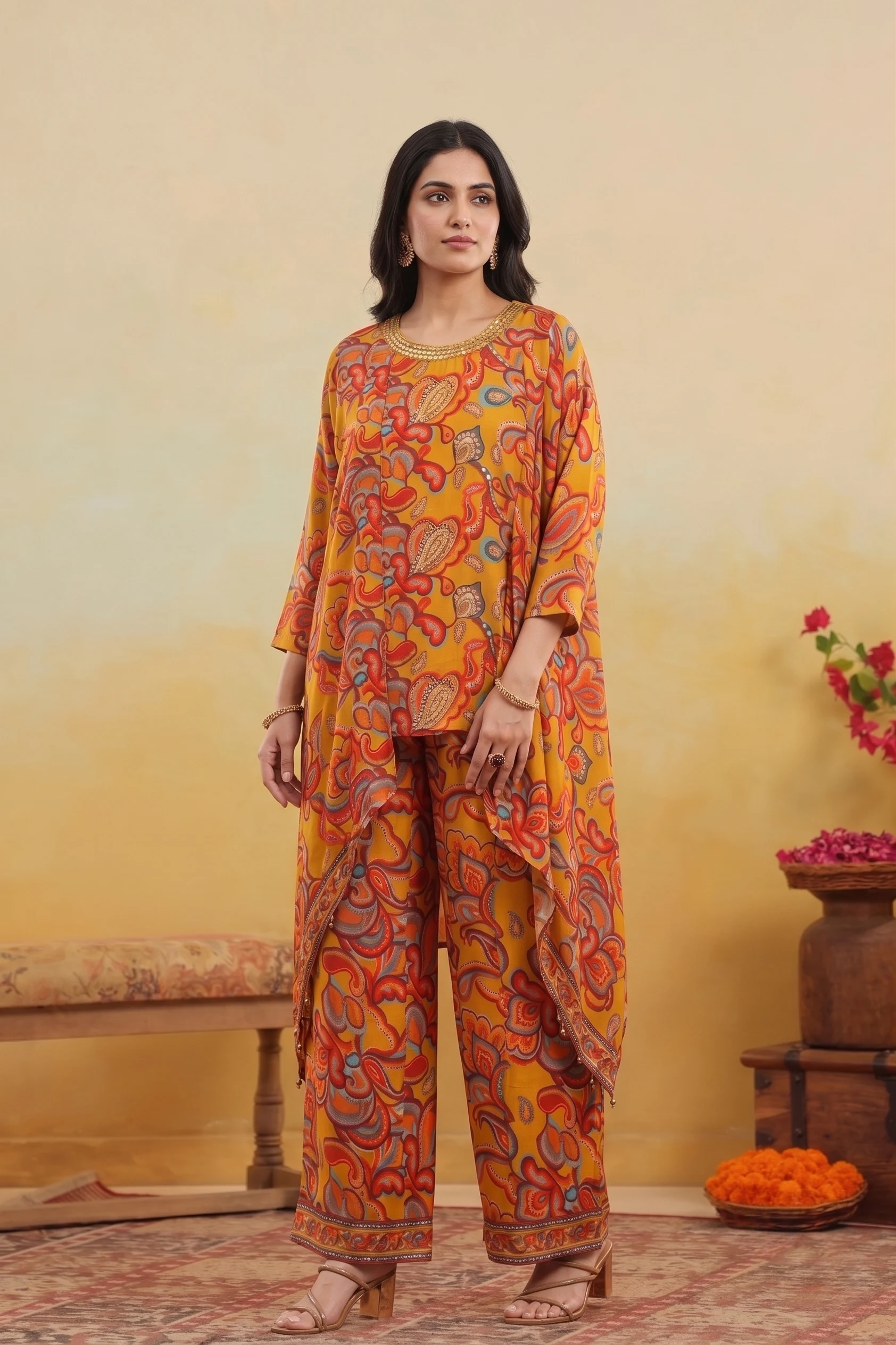
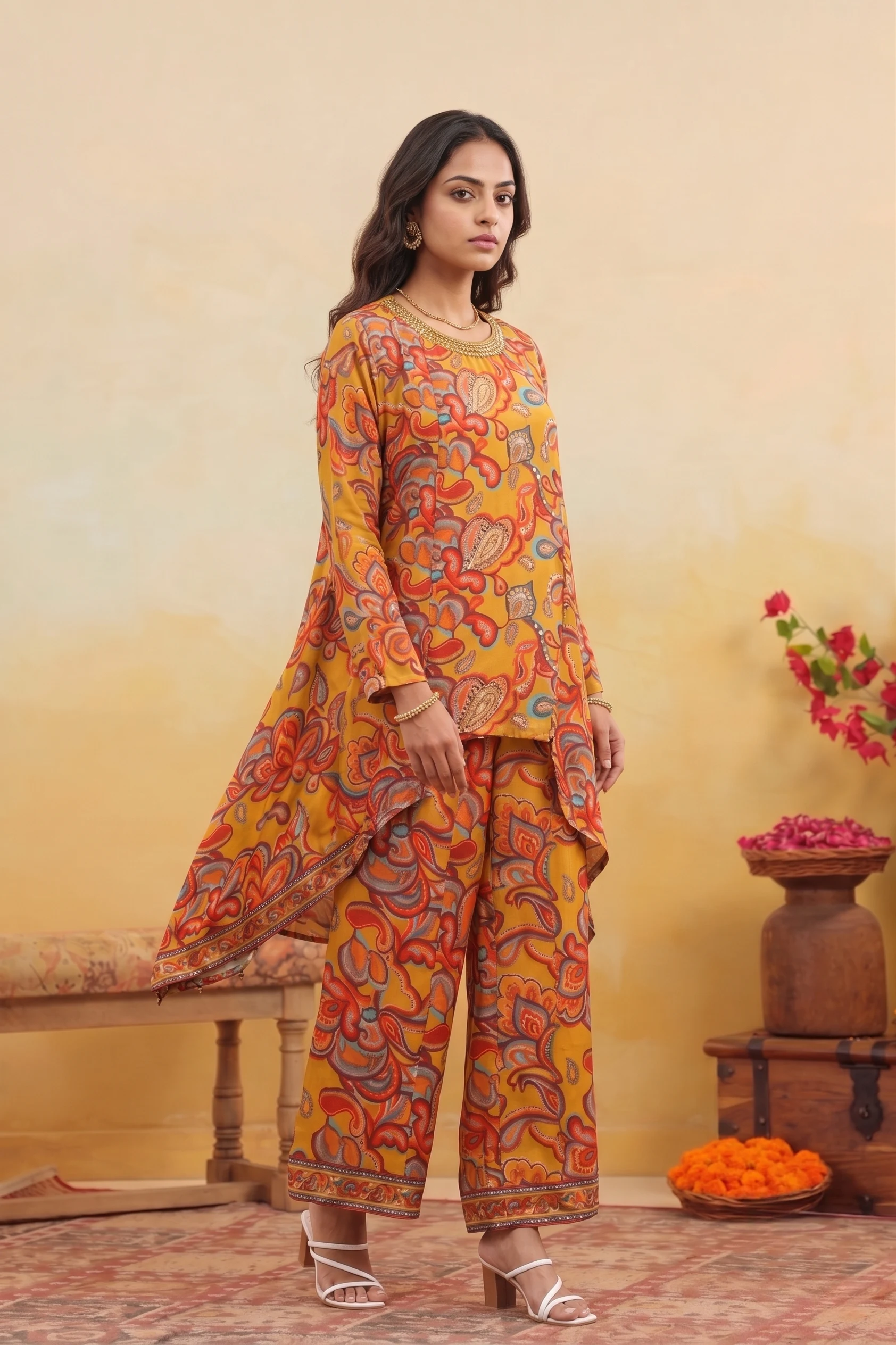
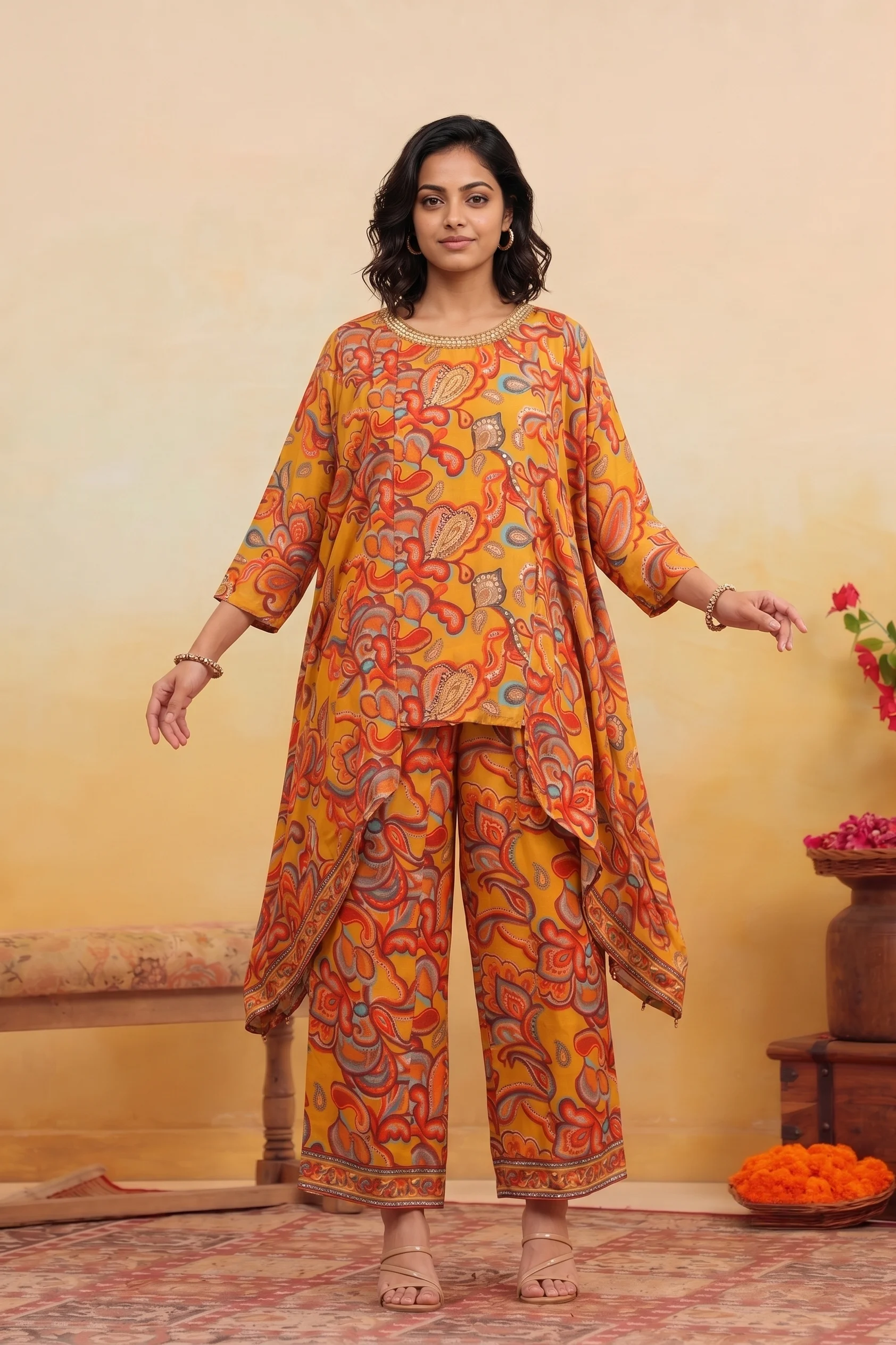
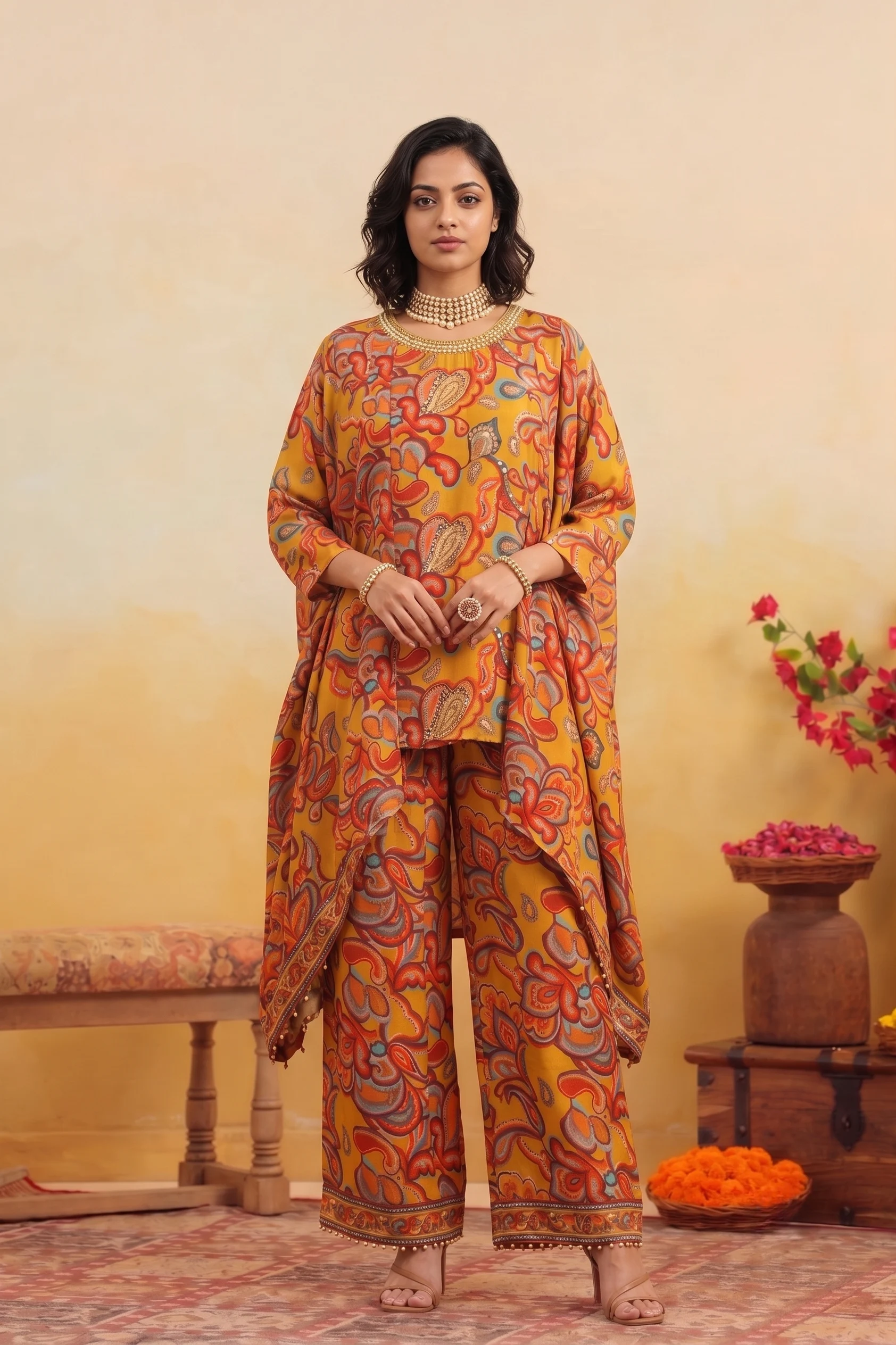
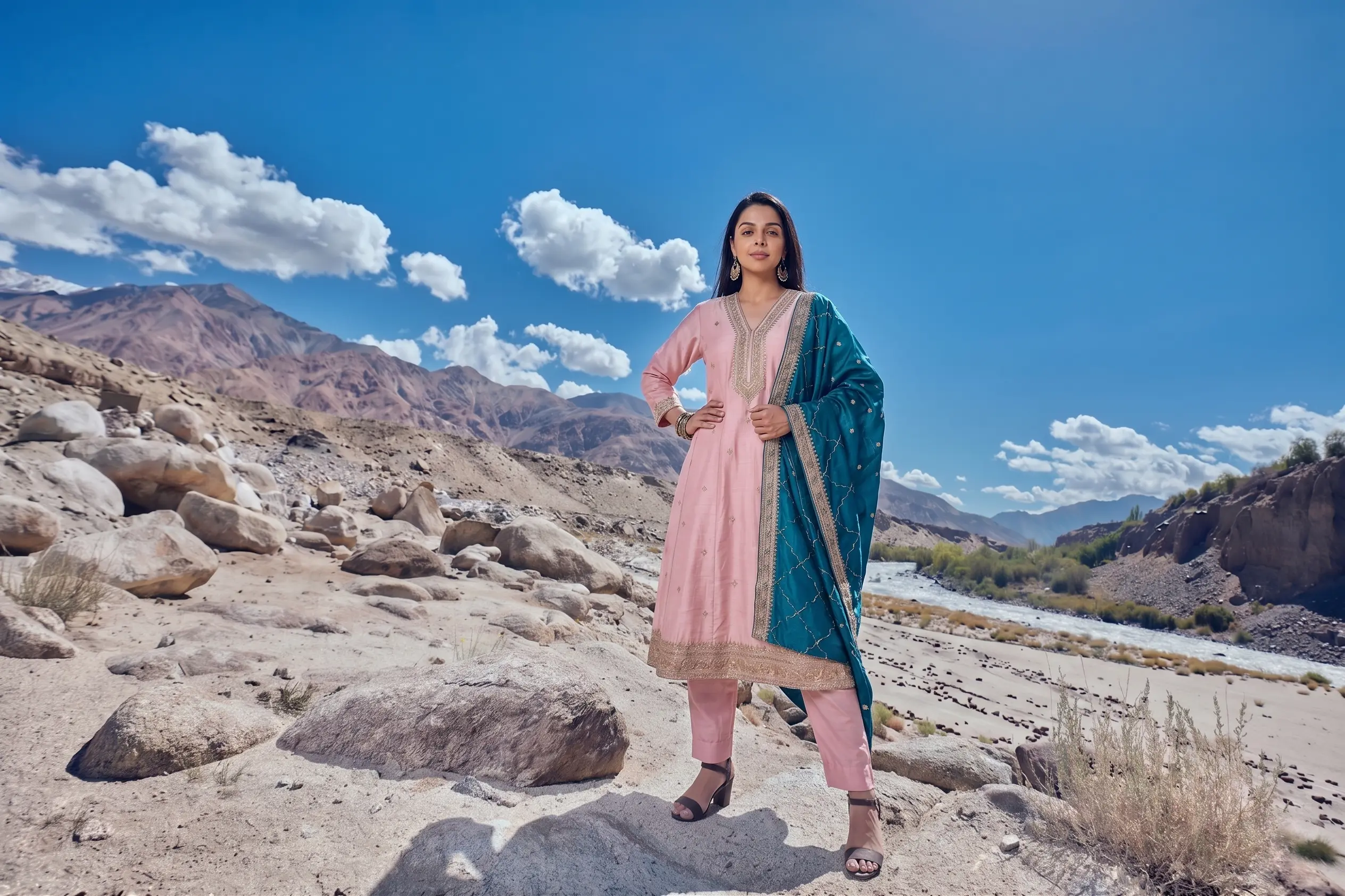
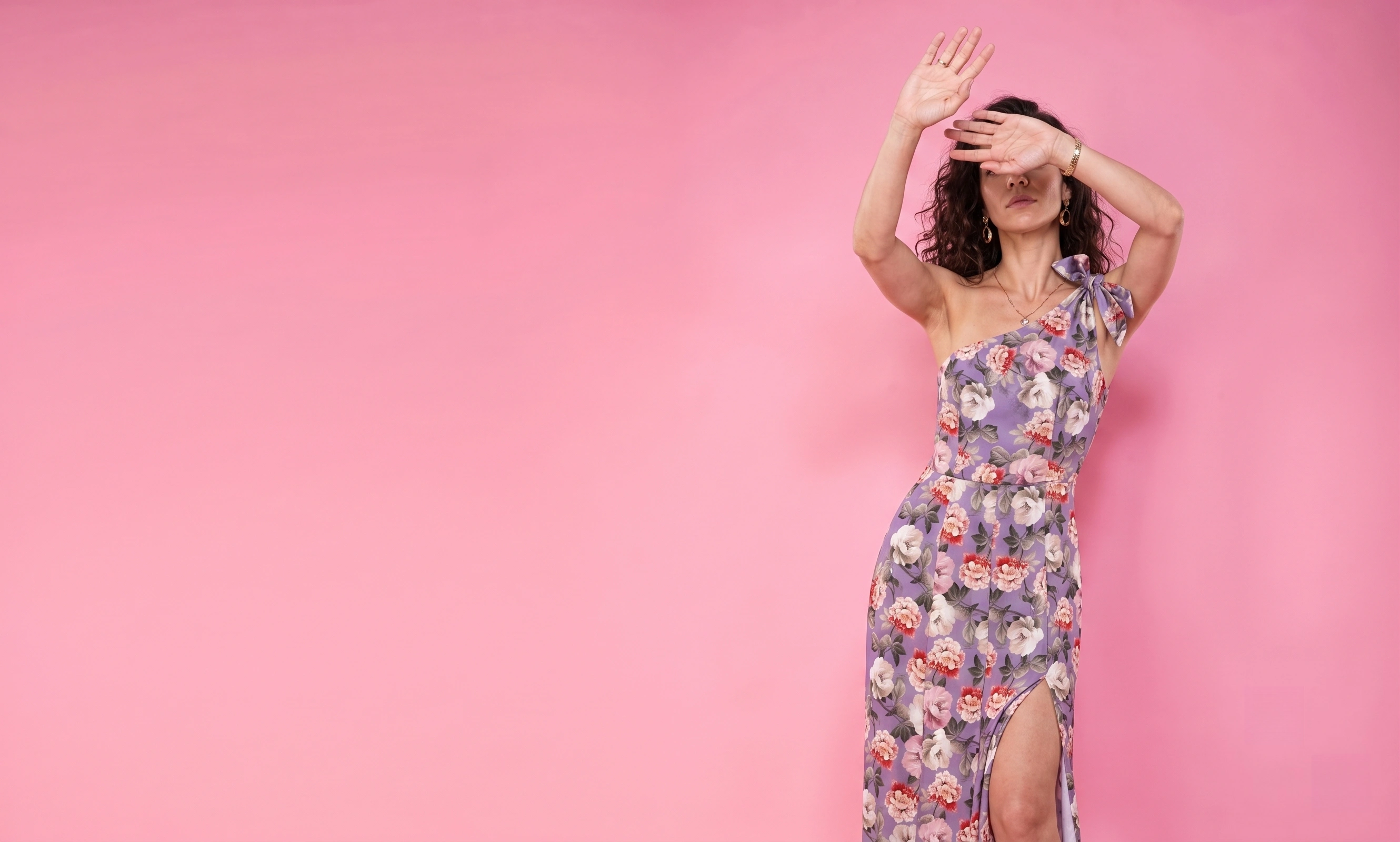
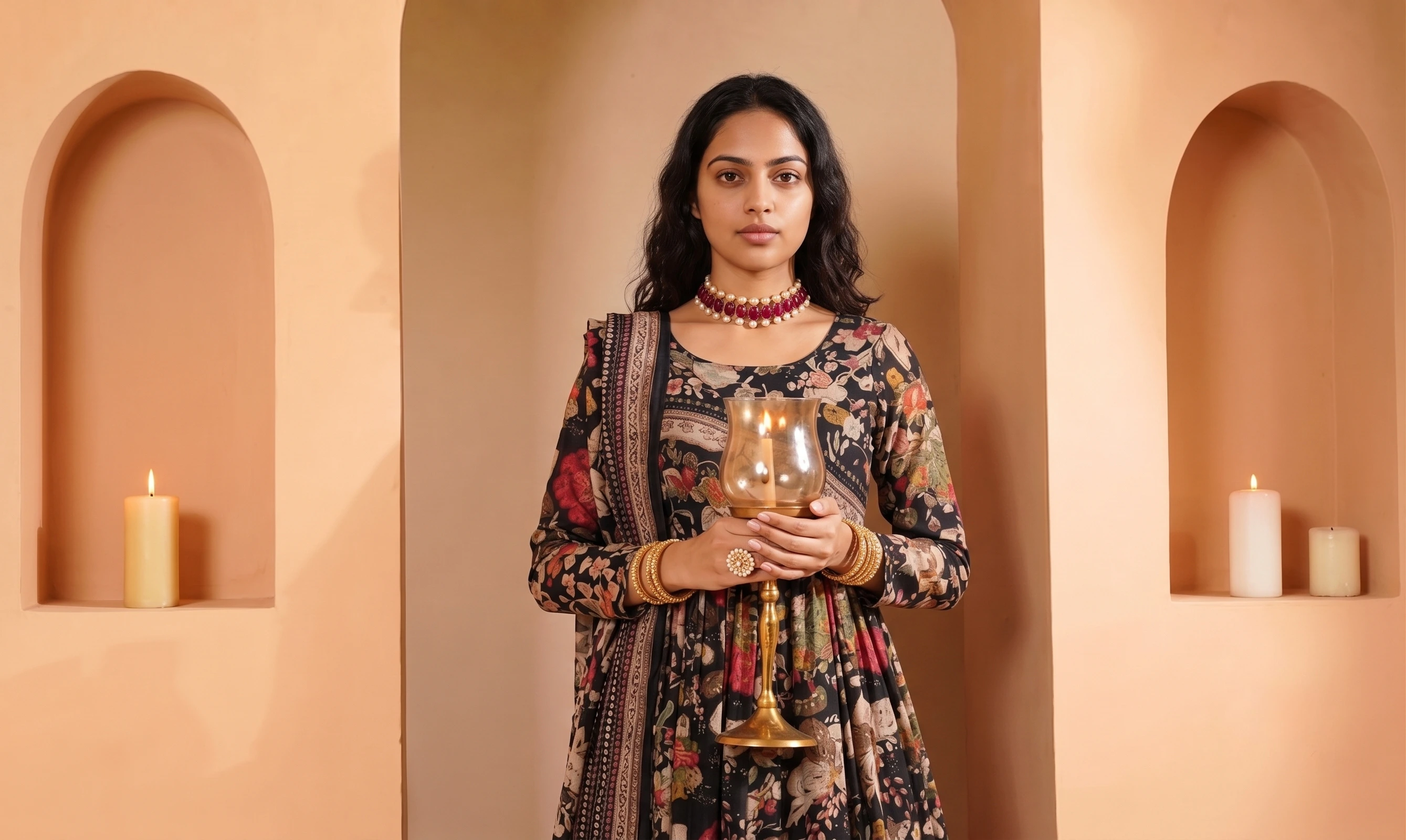
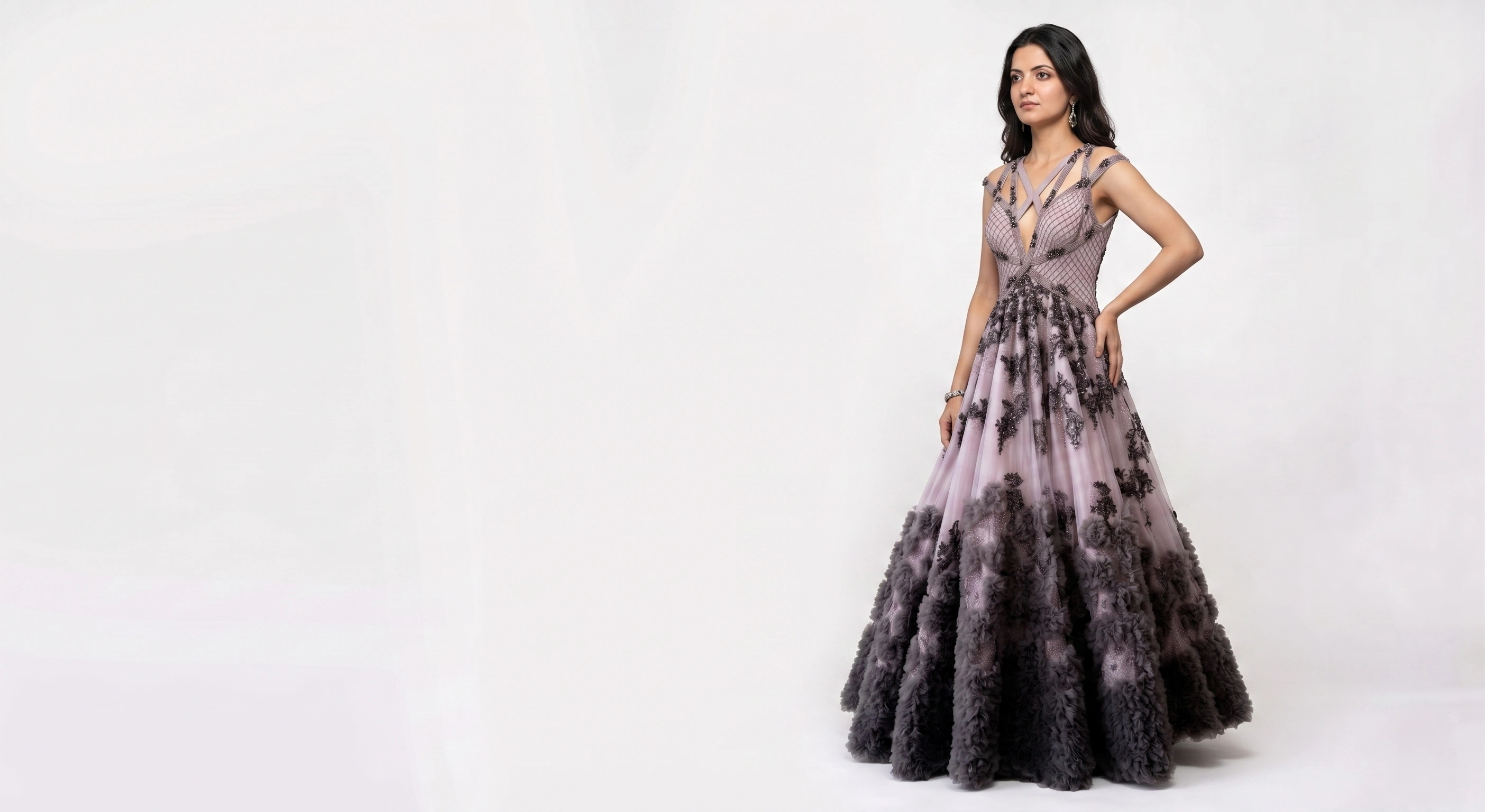
Every frame here is a synthetic model — no real person's likeness, no release to chase, and on a paid plan, licensed for product pages, marketplaces and paid social. The legal risk in this category was never the technology; it is depicting a real person, or depicting a product as something it is not.
Rights in the output
Check what your provider grants you. You want unambiguous commercial usage of the images you generate, across the channels you actually publish on, without a separate buyout. Ambiguity here is a real risk: an image you cannot use in paid social is an image you did not need.
Disclosure
Rules are tightening and vary by market. Several jurisdictions now require synthetic media to be labelled in some contexts, and some platforms require it independently of the law. The practical position: know the rules in the markets you sell into, and treat disclosure as a normal part of your compliance checklist rather than something to avoid.
Can I use AI-generated fashion photos on my product pages?
On a paid Vastralook plan, yes — output is licensed for commercial use including product pages, marketplaces, paid social and print. Check the terms of any other tool before assuming the same: free and starter tiers commonly exclude commercial use.
Do I need a model release for an AI-generated model?
Not for a synthetic person who does not depict a real, identifiable individual. You absolutely do need permission to depict a real person, and that was true long before generative tools existed.
Do I have to tell shoppers the image was AI-generated?
Disclosure requirements differ by jurisdiction and are changing quickly. Commercially the test is simpler: if you would be uncomfortable with a customer finding out how the image was made, disclose it. A line in the product description costs nothing.
Who owns the generated images?
You do, for the purposes of using them commercially. Copyright in purely machine-generated work is unsettled in several jurisdictions, which mainly affects your ability to stop someone else copying it — not your ability to use it.
Can I generate images of a celebrity wearing my product?
No. Depicting a real, identifiable person without their consent exposes you to publicity- and personality-rights claims in most jurisdictions, and we do not support it.
Where brands get into trouble
- Generating imagery that resembles a specific real person — a celebrity, an influencer, a competitor's model — without permission.
- Depicting a garment in a way the physical product cannot match. That is a misleading-advertising problem regardless of how the image was made.
- Assuming rights transfer. Read what you have actually been granted.
The honest summary: the technology is not the legal risk. Misrepresenting the product, or using someone's likeness without consent, is — and both of those were risks long before AI.