Credit systems are usually opaque on purpose. This one is not complicated, and understanding it in five minutes will save you money, because the main way people overspend here is generating drafts at full quality.
A credit is the unit, and a 1K image is a set number of them
One standard 1K image costs 20 credits. What changes the price is quality tier and model tier, because both change what the generation actually costs to run.
- Higher resolution costs more. A 2K or 4K image costs 2× a 1K one.
- The higher-fidelity model tier costs more than the standard one, at every resolution.
- Nothing else consumes credits. Browsing packages, adjusting settings and re-exporting an image you already generated are free.
| Quality | Standard model | High-fidelity model |
|---|---|---|
| 1K | 20 credits | 40 credits |
| 2K | 40 credits | 80 credits |
| 4K | 40 credits | 80 credits |
Plans vs top-ups
A plan is a monthly allowance at a better effective rate. A top-up pack is credits bought outright when you need more than your allowance in a given month. Packs get cheaper per credit as they get larger, which matters if your volume is spiky.
Plans exist because most brands have a steady monthly baseline. Packs exist because fashion is seasonal and a drop month is not like a quiet month. Using both is normal and usually cheaper than sizing your plan for your peak.
Do unused credits expire?
Plan credits refresh with each billing period. Top-up pack credits are bought outright and are yours to spend when you need them, which is why packs suit a seasonal business.
What happens if I run out mid-drop?
Buy a top-up pack. Packs get cheaper per credit as they get larger, so a single larger pack usually beats several small ones.
Am I charged for images I do not use?
Generation consumes credits, so drafts and discards count. That is exactly why drafting at 1K and finalising only your selects at full resolution is worth the habit.
Do I need a paid plan for commercial use?
Yes. Commercial rights come with the paid plans — free signup credits are for evaluating the output on your own product first.
Choosing the right size
Work from images published per month, not products. A product with a four-image set is four images. Then add roughly 30–50% for drafts and discards, because you will not publish everything you generate and pretending otherwise is how people end up short mid-drop.
Size your plan to your typical month, not your biggest one. Top up the peak — that is cheaper than paying for peak capacity twelve times a year.
The calculator on the pricing page does this arithmetic properly, including finding the cheapest combination of plan and top-up for a given volume. It is worth running with your real numbers rather than estimating.
- Count what you publish
Images, not products. A product with a four-image set is four images.
- Add 30–50%
For drafts and discards. You will not publish everything you generate.
- Match a plan to the typical month
Not the biggest one — paying for peak capacity twelve times a year is the expensive mistake.
- Top up the peaks
Packs get cheaper per credit as they get larger, which suits a seasonal business.
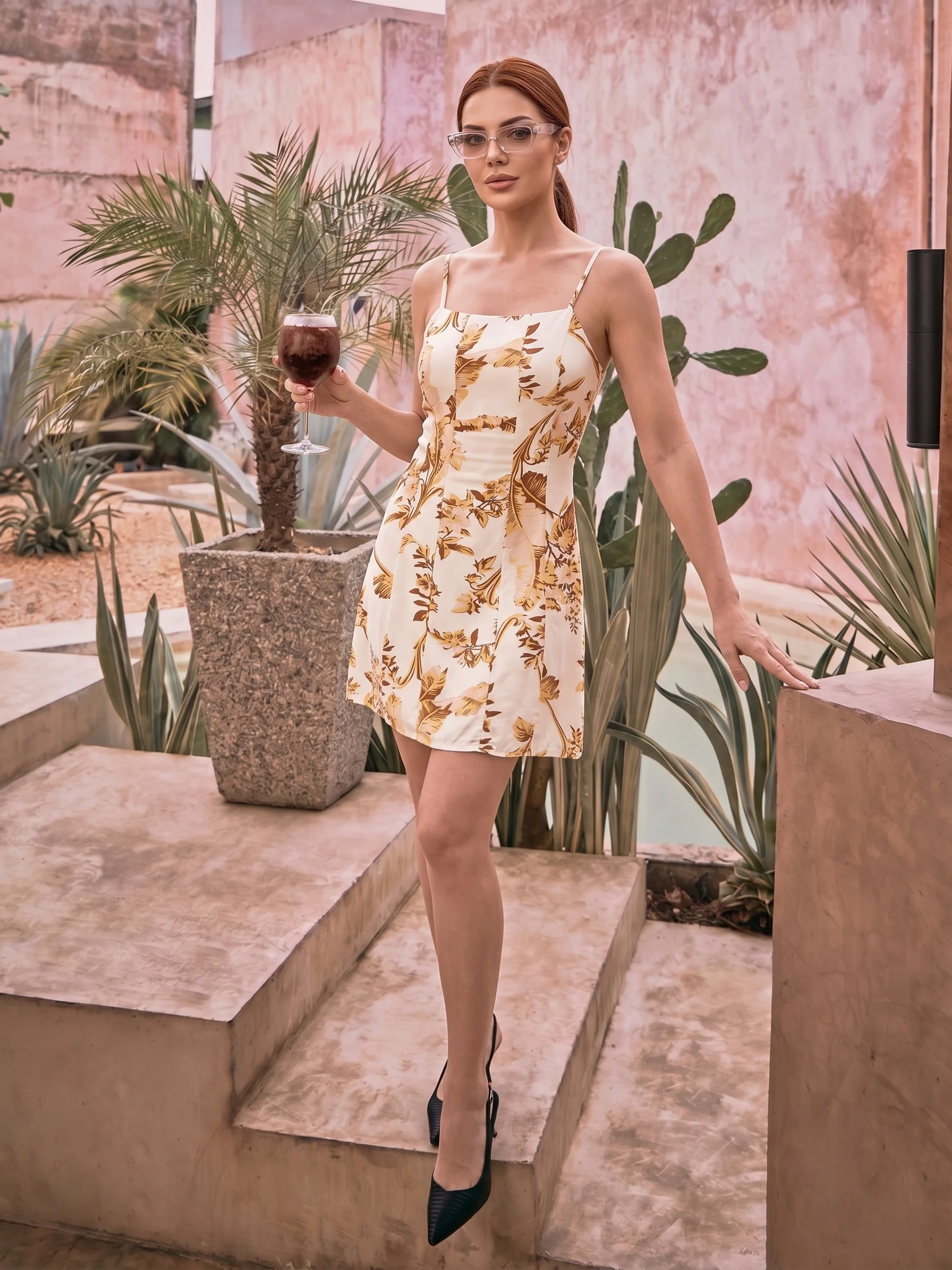


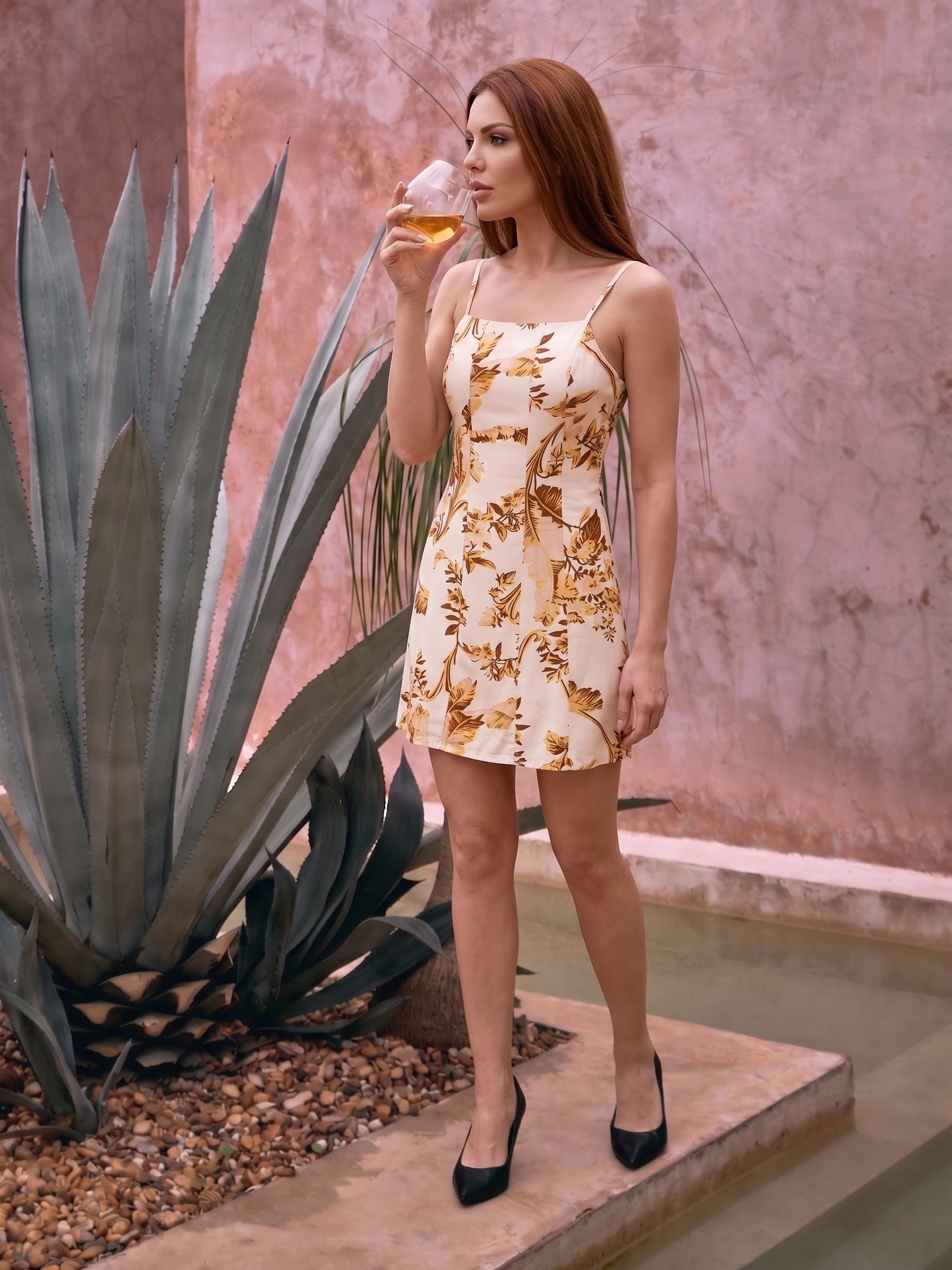

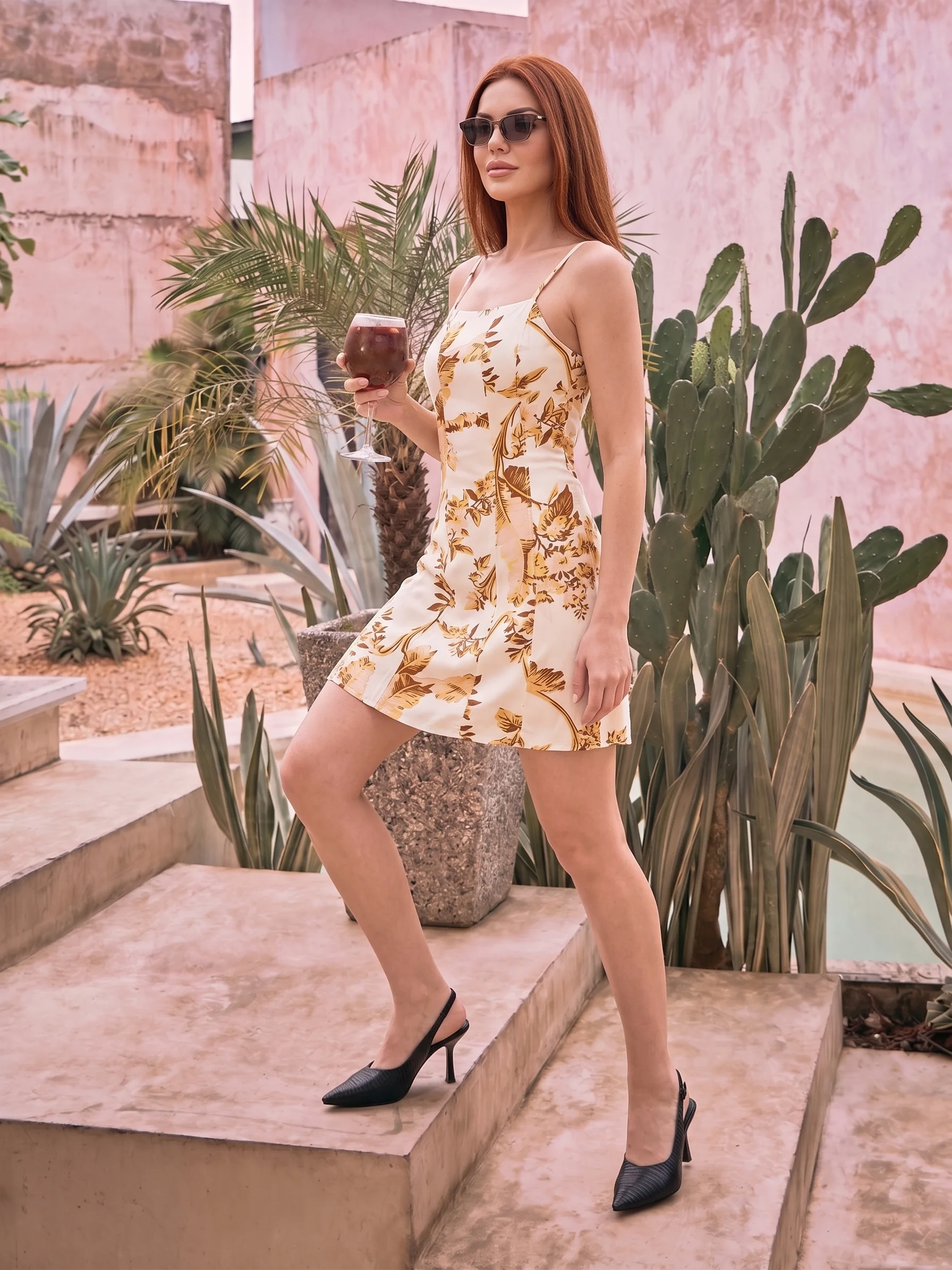
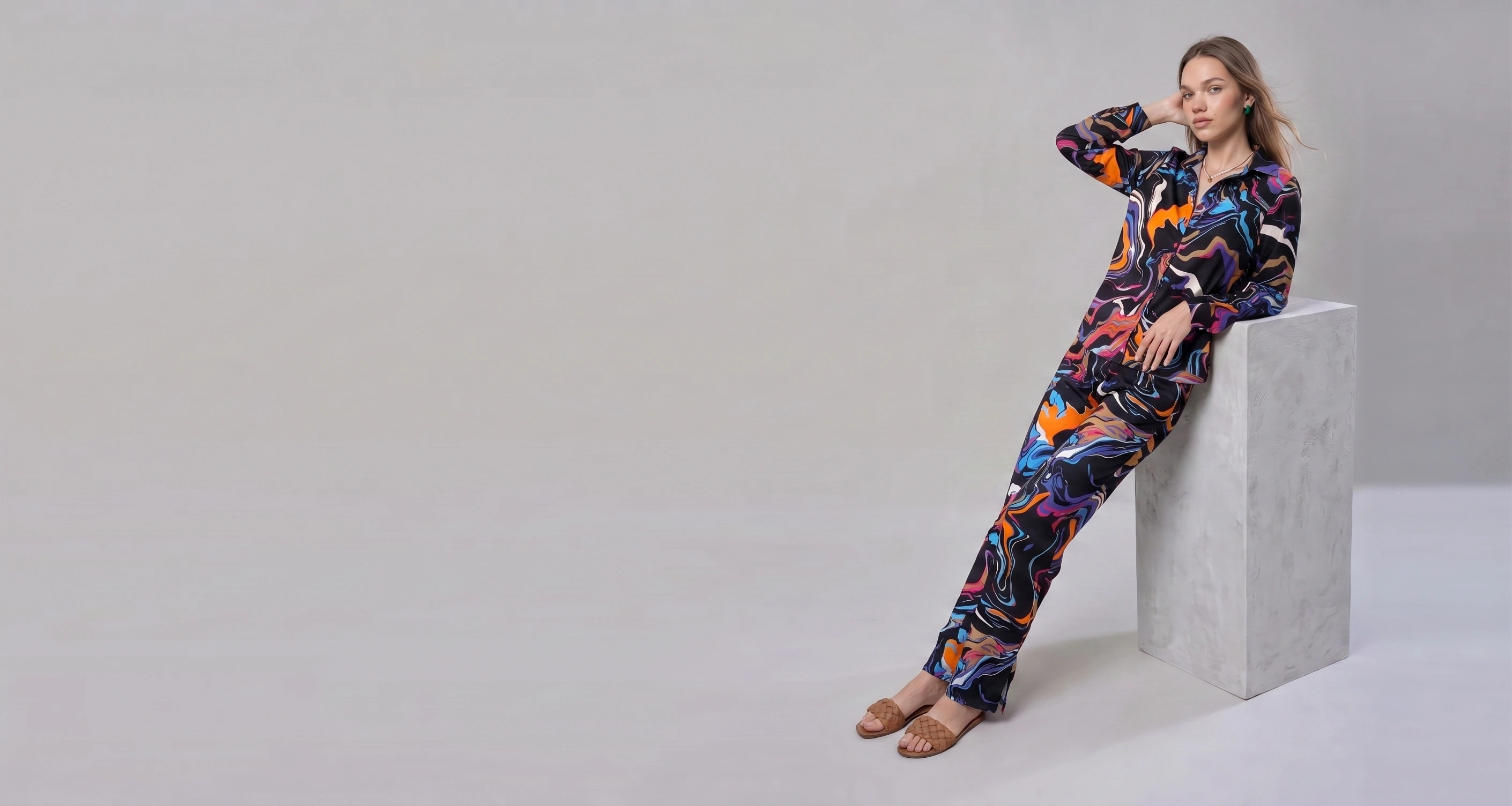
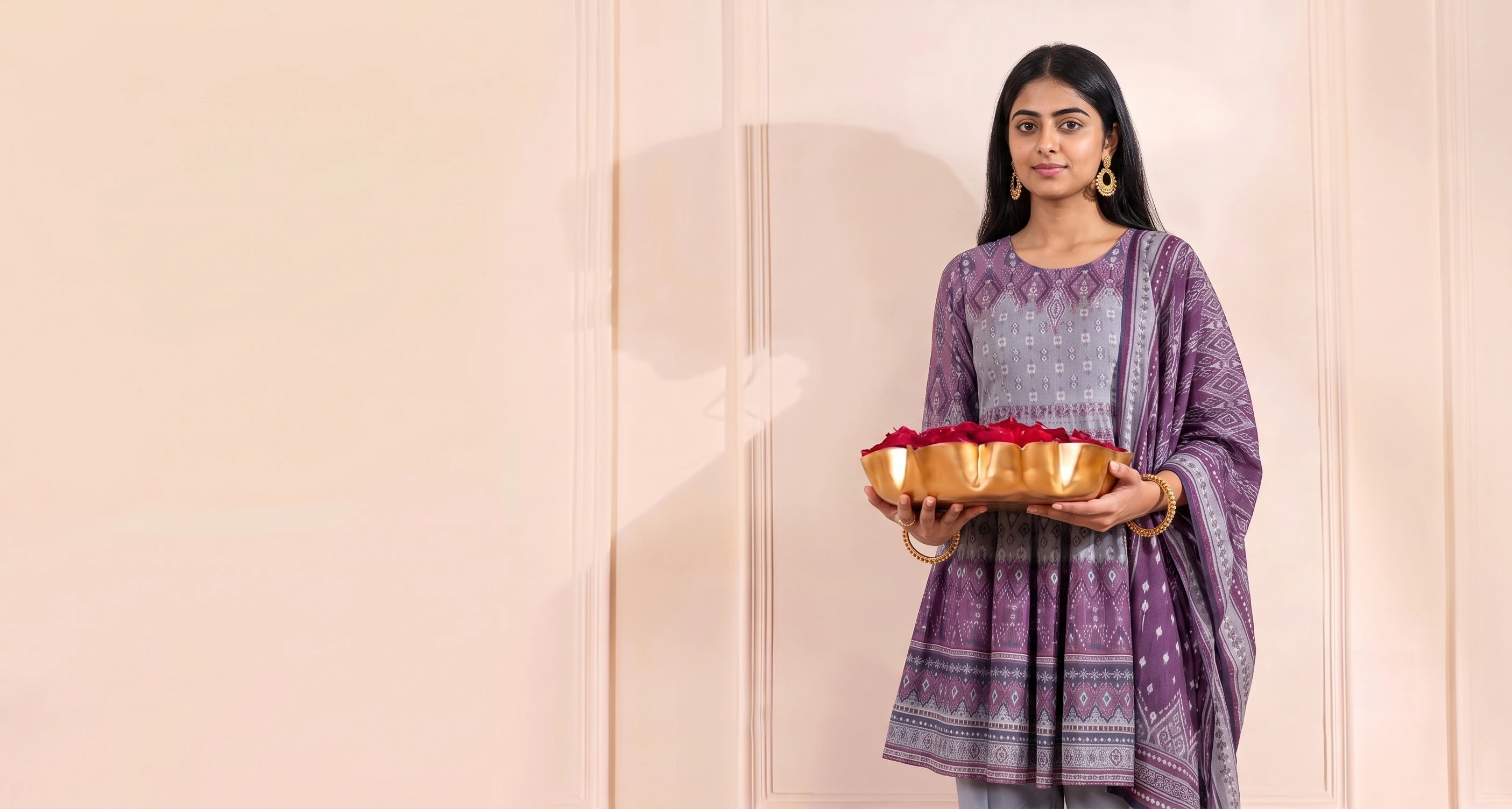
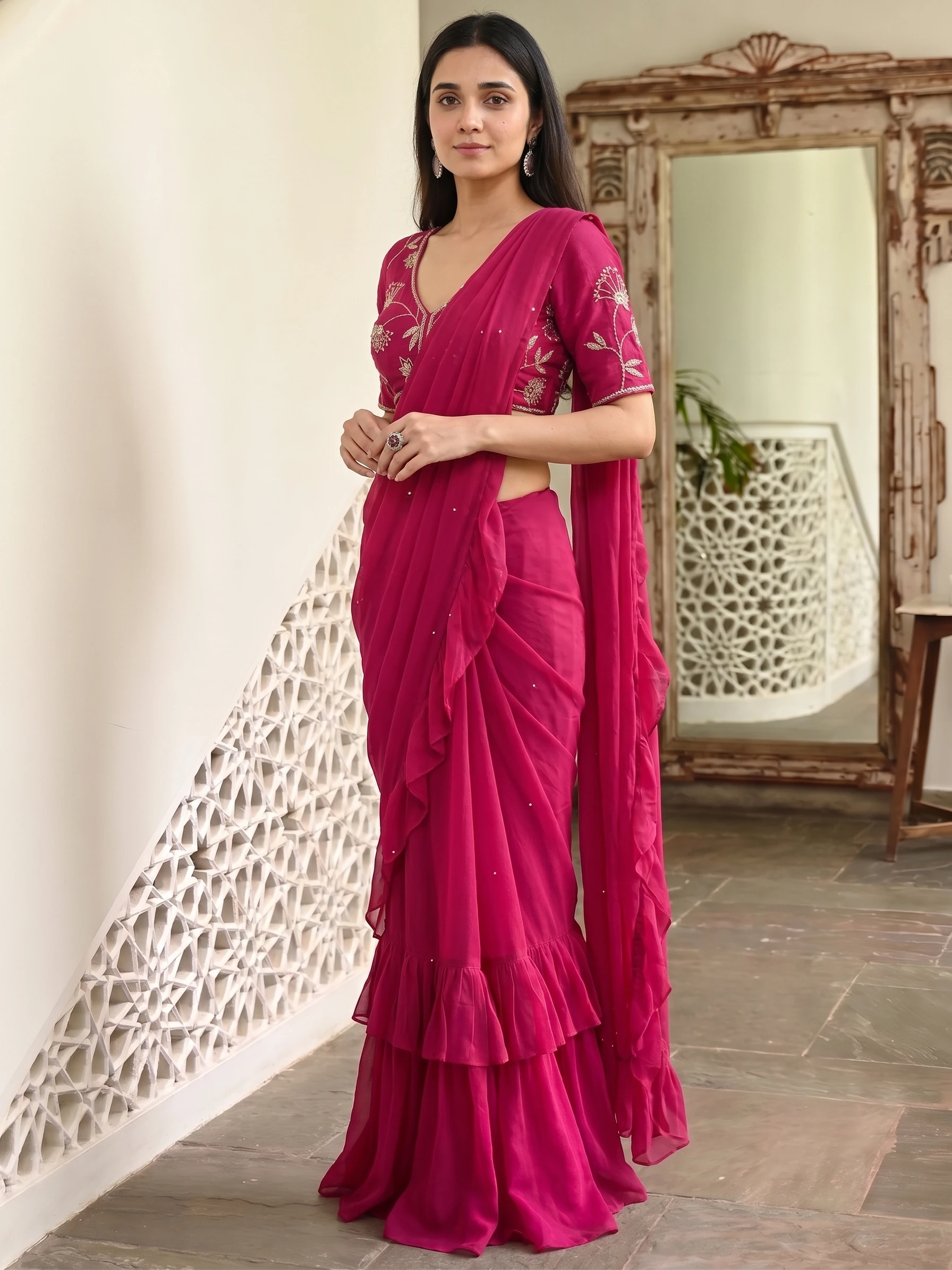
Six frames of one mini dress. Drafted at 1K to choose the direction, then only the selects re-run at full resolution — the habit that decides whether this costs you six credits or twenty-four.
How to spend fewer credits
- Draft at 1K. Explore compositions and models cheaply, then re-run only your selects at full resolution.
- Generate variations in a batch rather than one at a time. Selecting from six is faster and usually cheaper than perfecting one.
- Fix the source photo before regenerating. Three regenerations to fix a shadow costs more than reshooting the garment properly.
- Reserve the higher-fidelity model tier for detail-critical work — fine embroidery, intricate prints — rather than using it by default.
New accounts start with free credits so you can run a real product through the whole flow before deciding anything. Use them on your hardest garment, not your easiest — that is the test that tells you something.