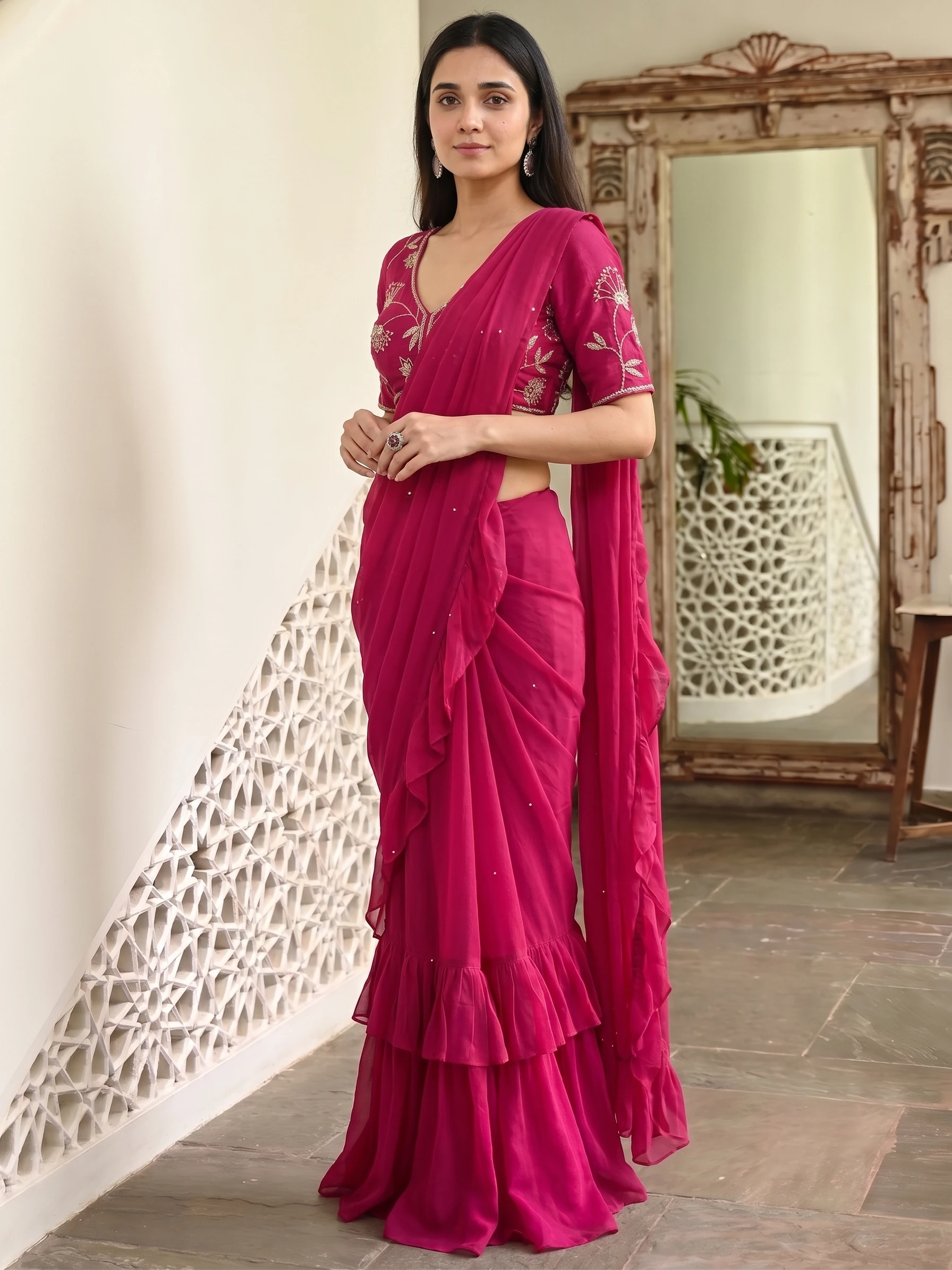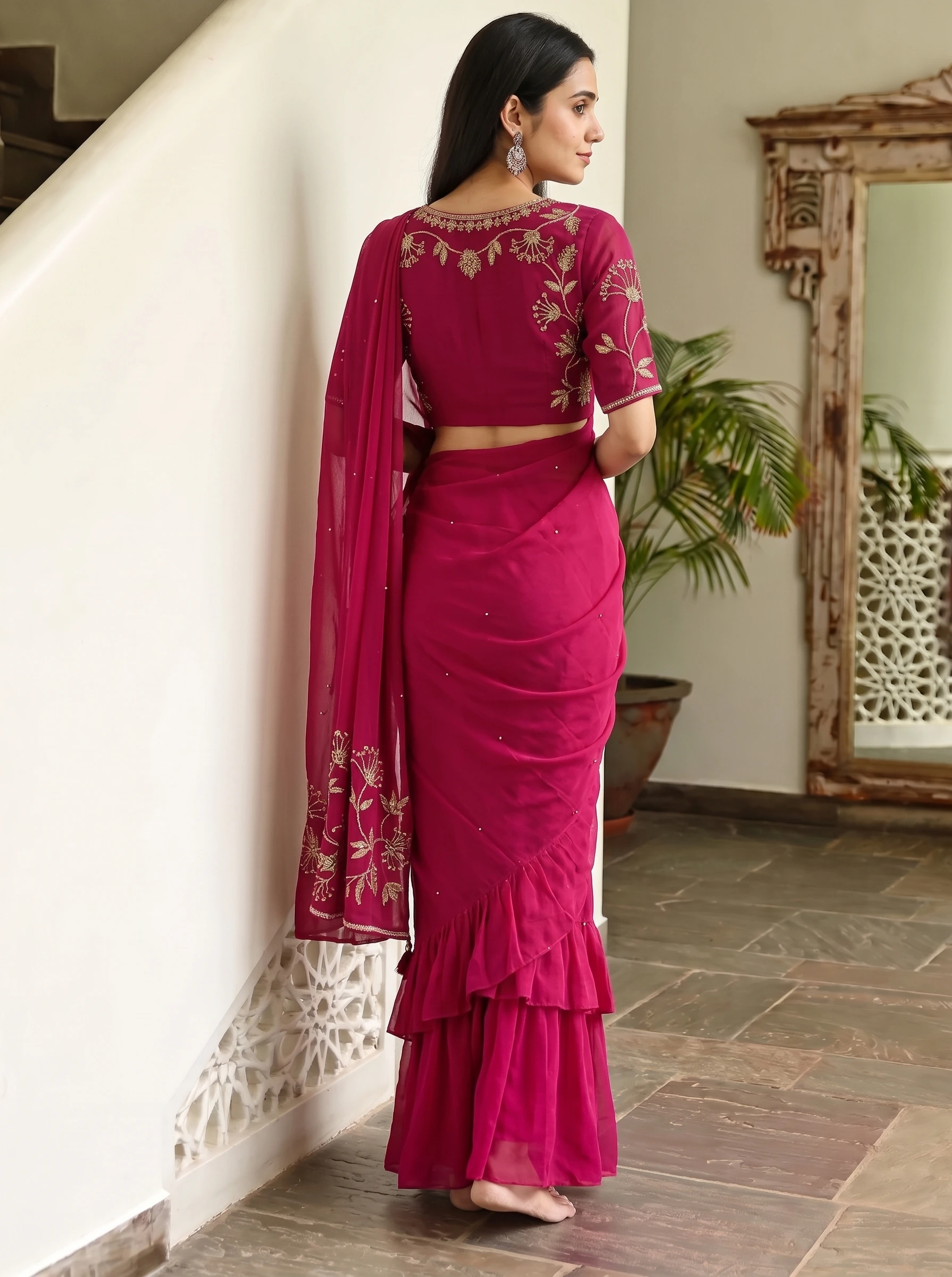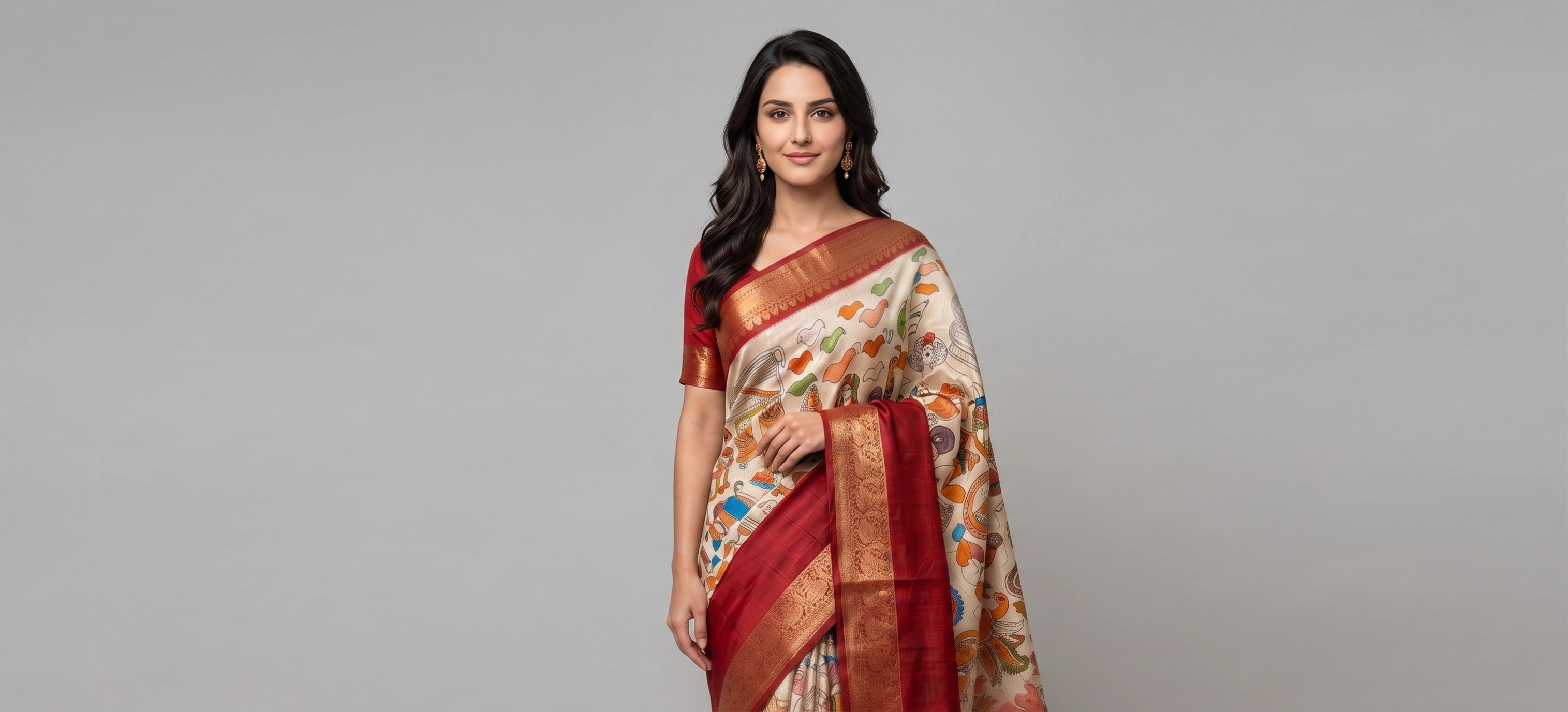
If you have tried a general-purpose image generator on a garment photo, you already know the failure mode. The first image is often startlingly good. The second one has a different model. The third changes the neckline. By the tenth you have ten unrelated pictures rather than a catalogue.
Generation is easy. Consistency is the product.
A catalogue is not a collection of good images. It is a collection of images that agree with each other. The same model across a range so customers recognise fit. The same lighting so the grid looks deliberate. The same garment — genuinely the same, not a plausible reinterpretation of it — across every angle and colourway.
- Model identity is locked, so one face and body carry an entire campaign and return next season.
- Garment fidelity is preserved from your flat-lay: print scale, seam placement and trim survive the generation instead of being reimagined.
- Scene and lighting are reusable presets, so shot 200 matches shot 1 without anyone re-describing it.
- Output is production-shaped — the crops and aspect ratios marketplaces actually require.
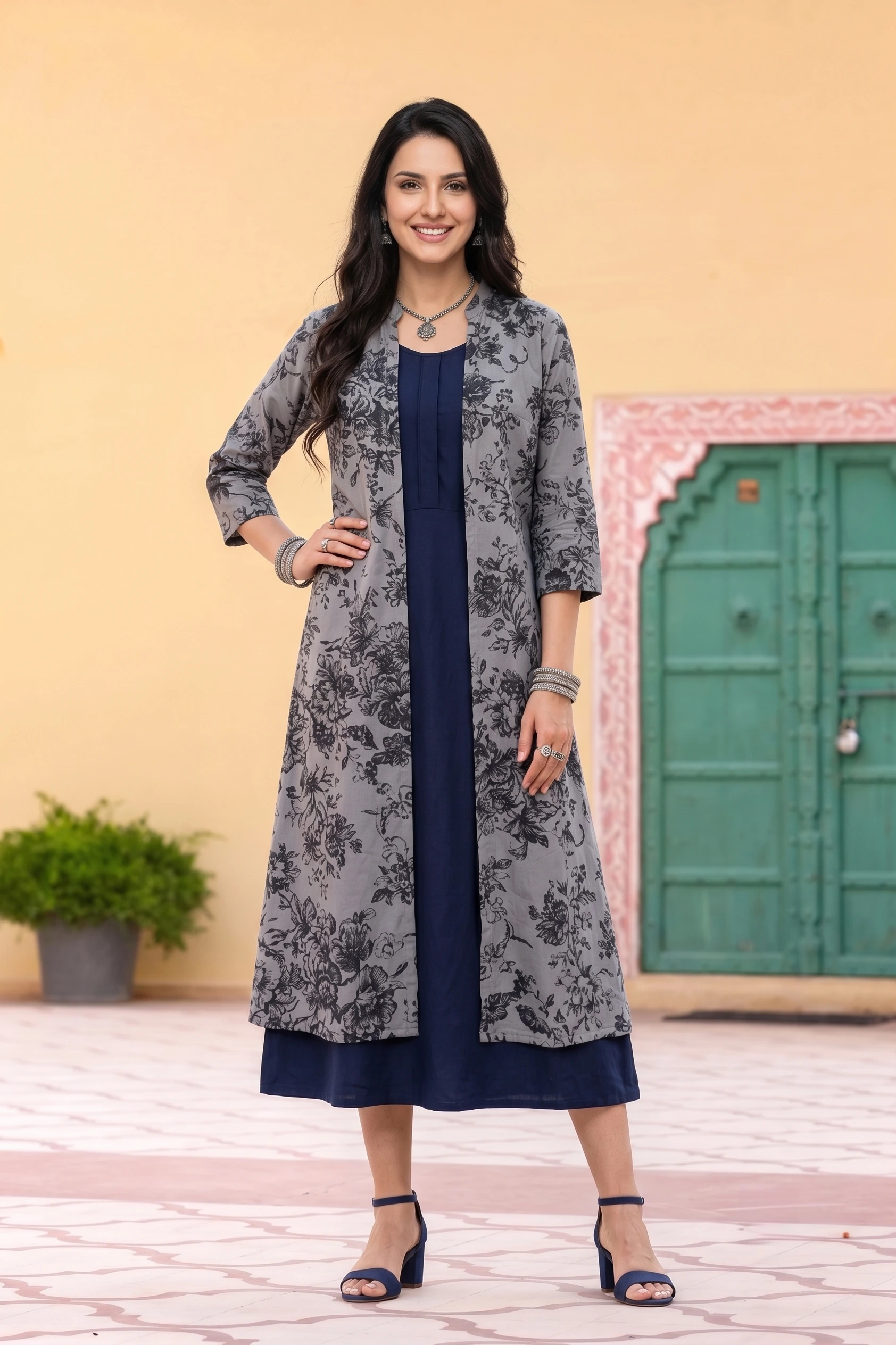
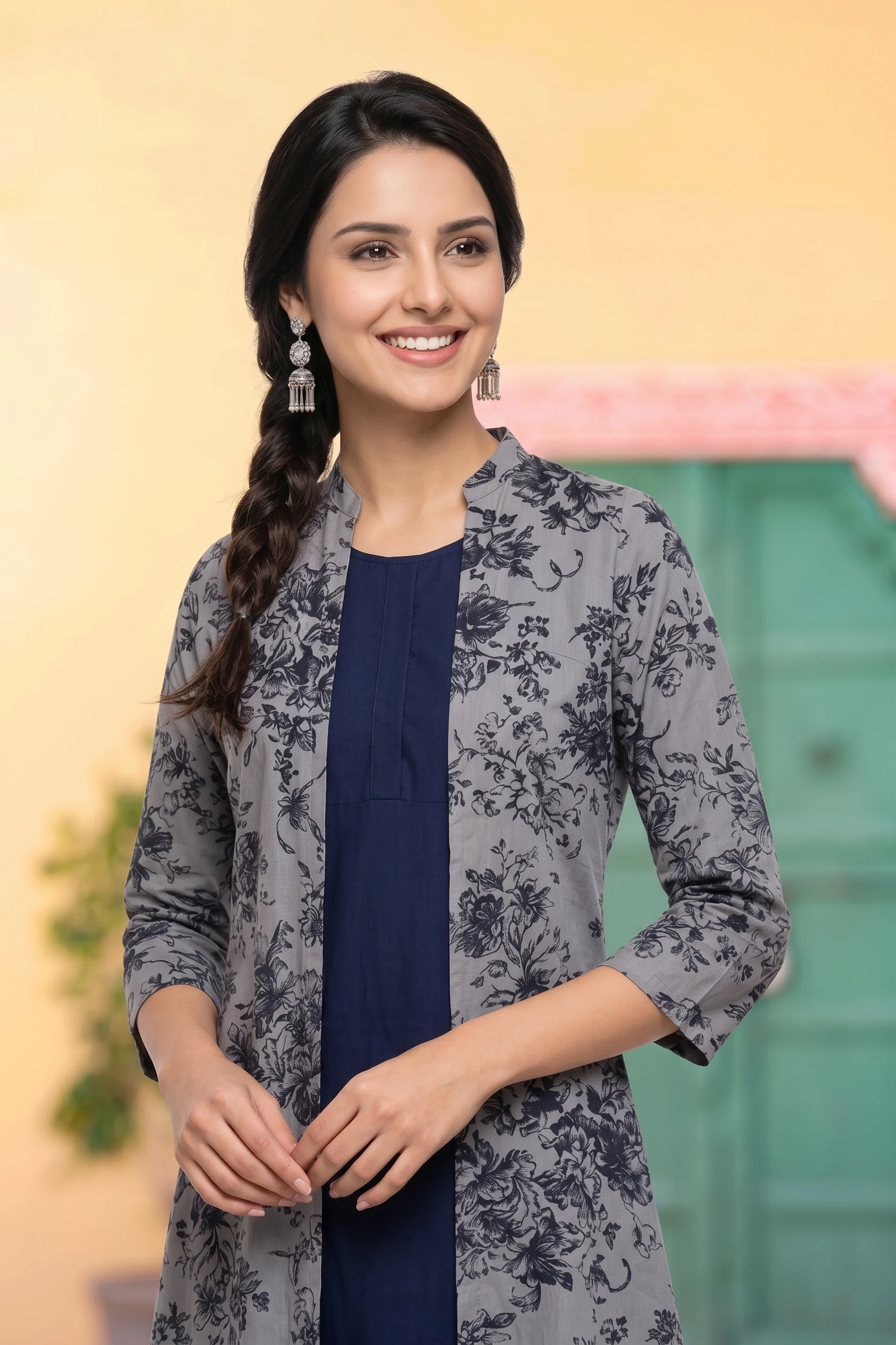
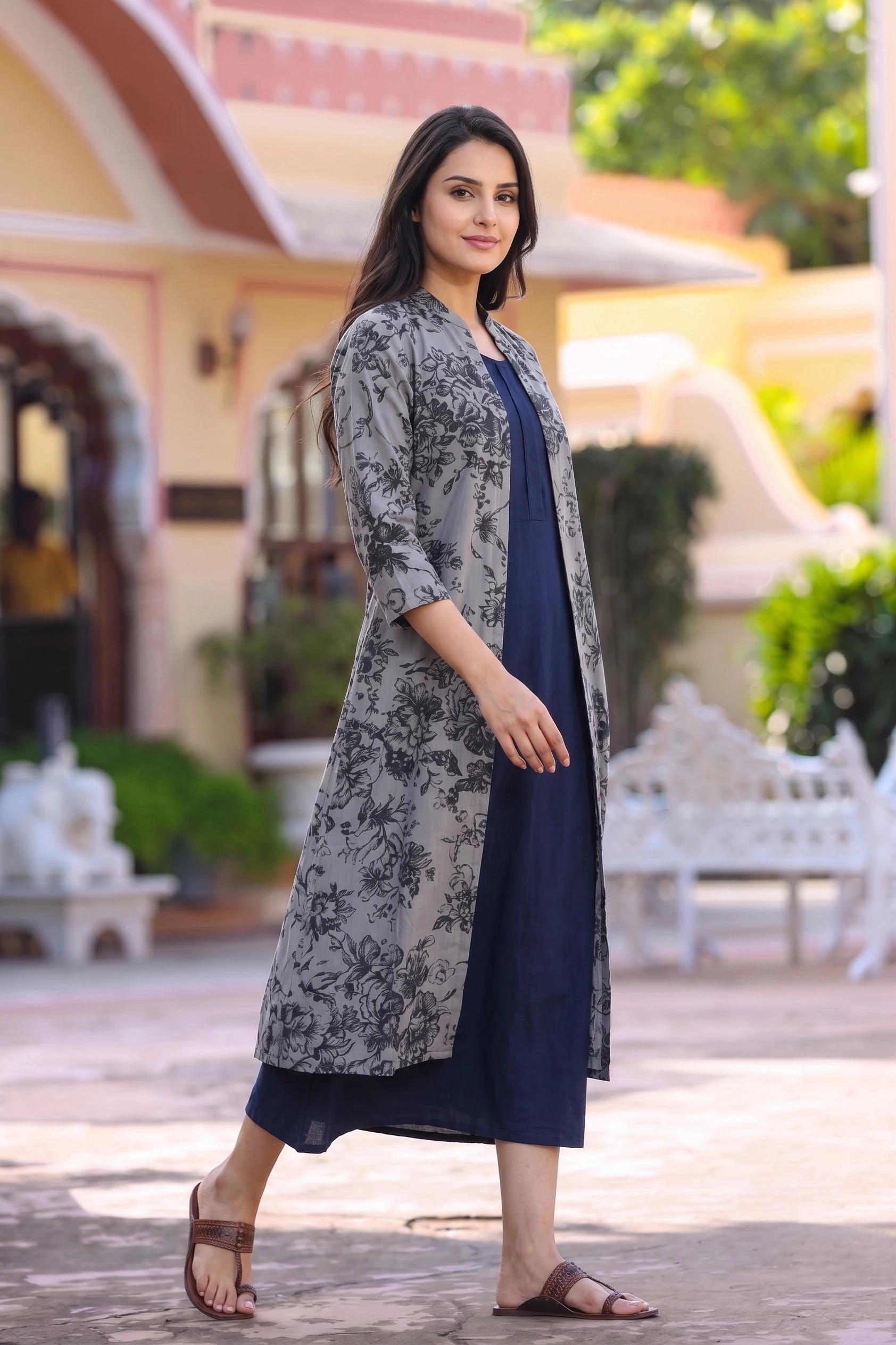
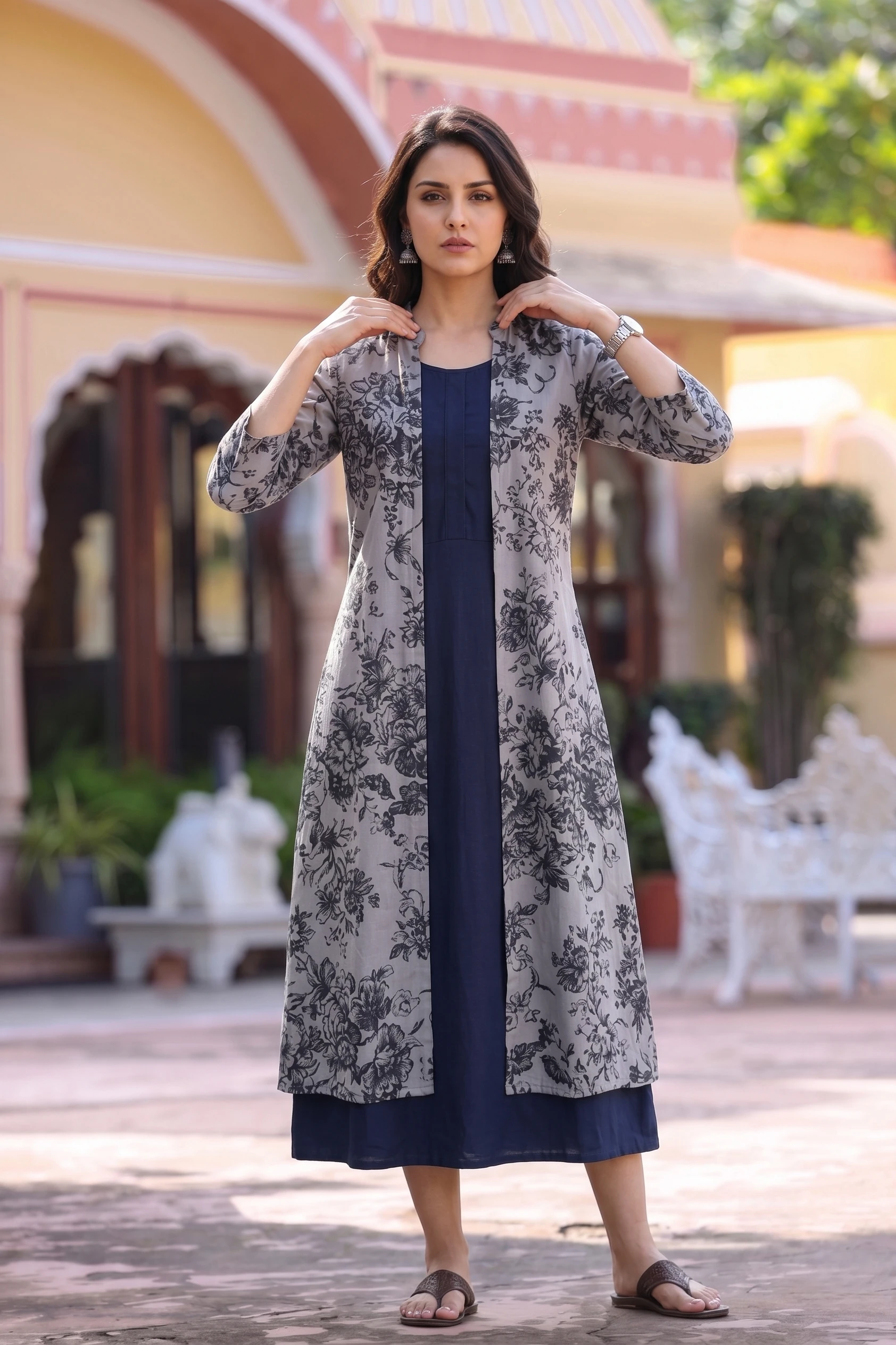
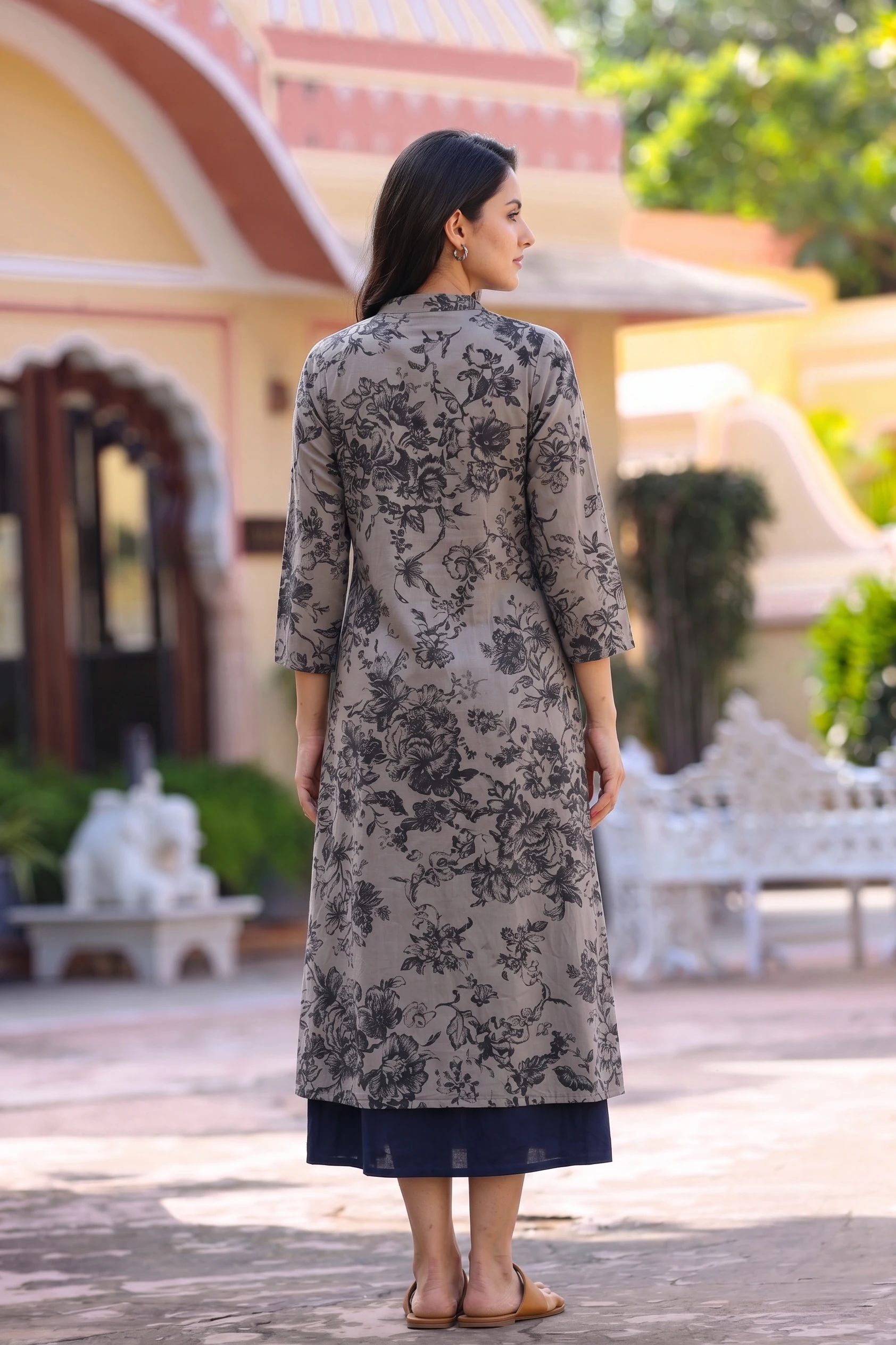
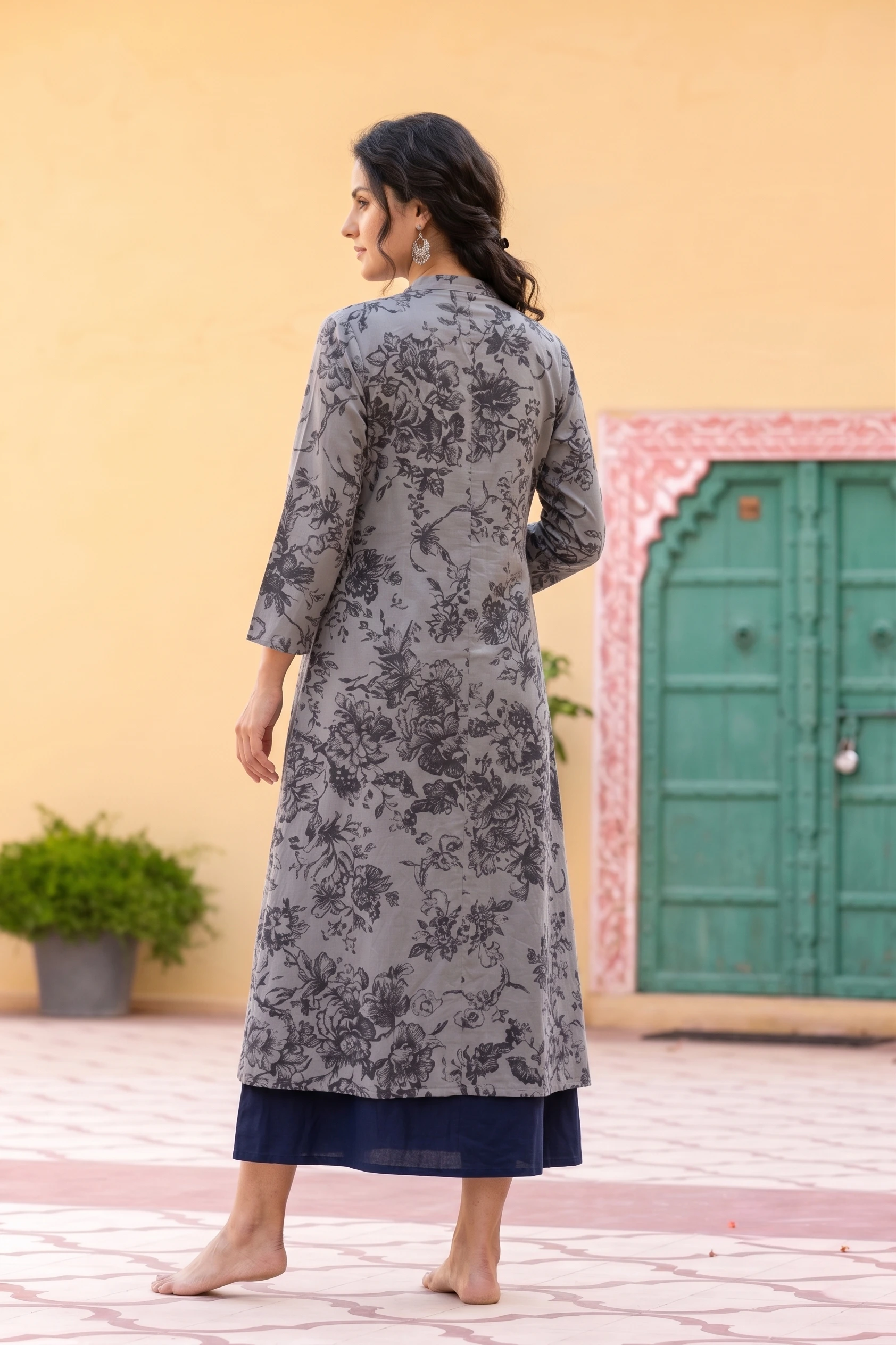
Look at the face, the fabric print and the light across all six. Holding those steady frame after frame is the actual product; a single striking image is the easy part, and it is where general-purpose generators stop.
No prompt engineering
The other difference is who can operate it. Generic tools ask you to become a prompt engineer: to learn weighting syntax, negative prompts, and which incantation stops the model adding a sixth finger. That is a real skill, and it is not one a merchandising team should have to acquire to publish a product page.
The Studio is a visual editor. You see the shot, you change what you want to change, and what you see is what exports. There is no hidden prompt to get right, which means the person who knows the product can do the work directly instead of briefing someone who knows the tool.
| General-purpose generator | Vastralook | |
|---|---|---|
| Garment | Described in words, reinvented each run | Photographed, construction preserved |
| Model | New person every generation | Same model across the set |
| Output | One square image | Channel-ready crops and sizes |
| Repeatability | Re-describe from memory | Saved setup, reusable next season |
| Rights | Varies by tool and tier | Commercial use on paid plans |
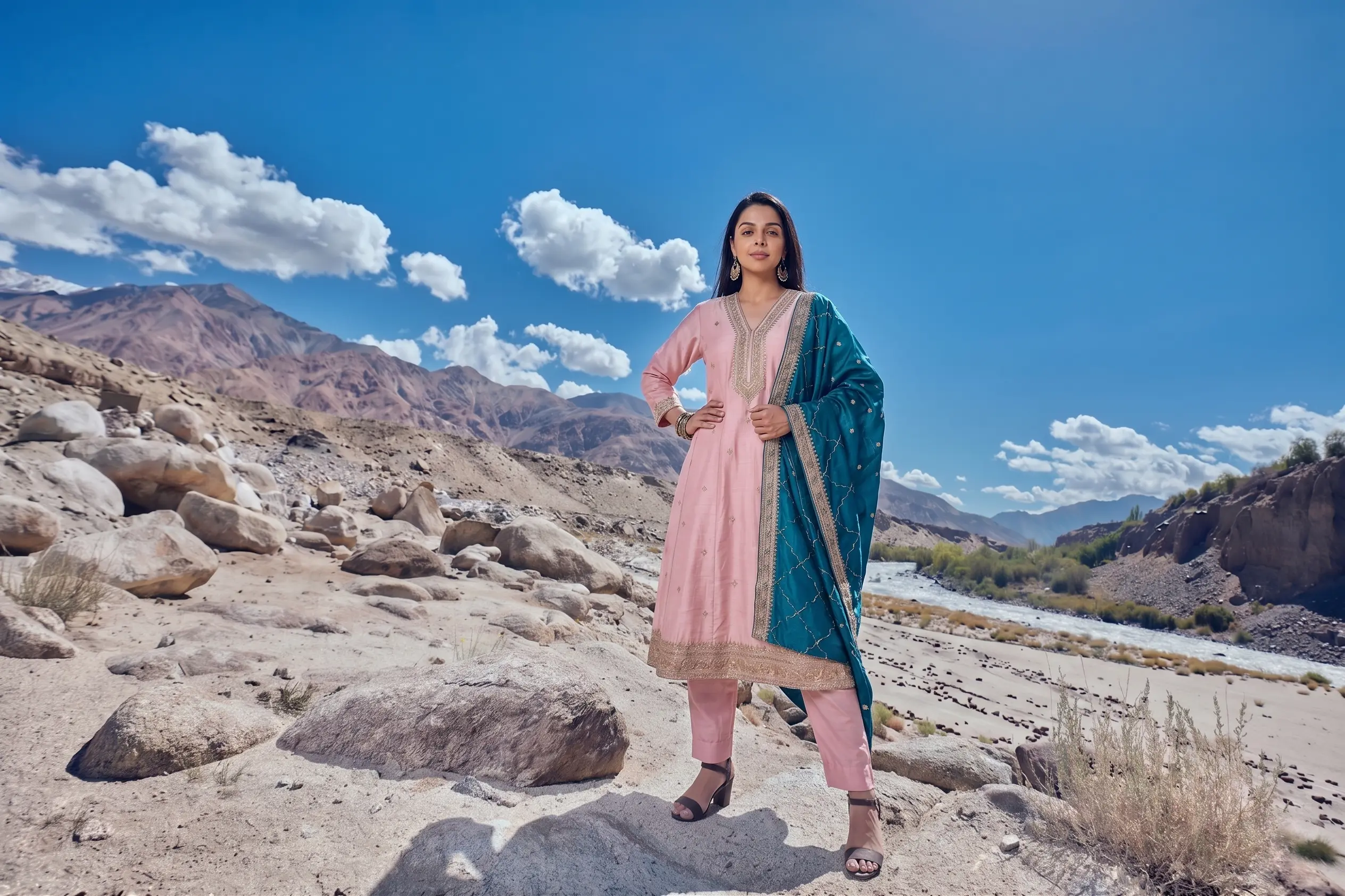
Built around a catalogue, not a canvas
Most AI image products are built for one beautiful picture. Fashion is a volume business. That difference shows up everywhere: in packages that cover a whole seasonal drop rather than a single hero shot, in batch generation across a SKU list, in a library that stays organised at 1,200 packages rather than becoming a folder of untitled downloads.
One good image is a demo. Two hundred consistent images is a catalogue — and only one of those ships a collection.
That is the whole design brief. Not to make the most impressive single image, but to make the two-hundredth image as reliable as the first.