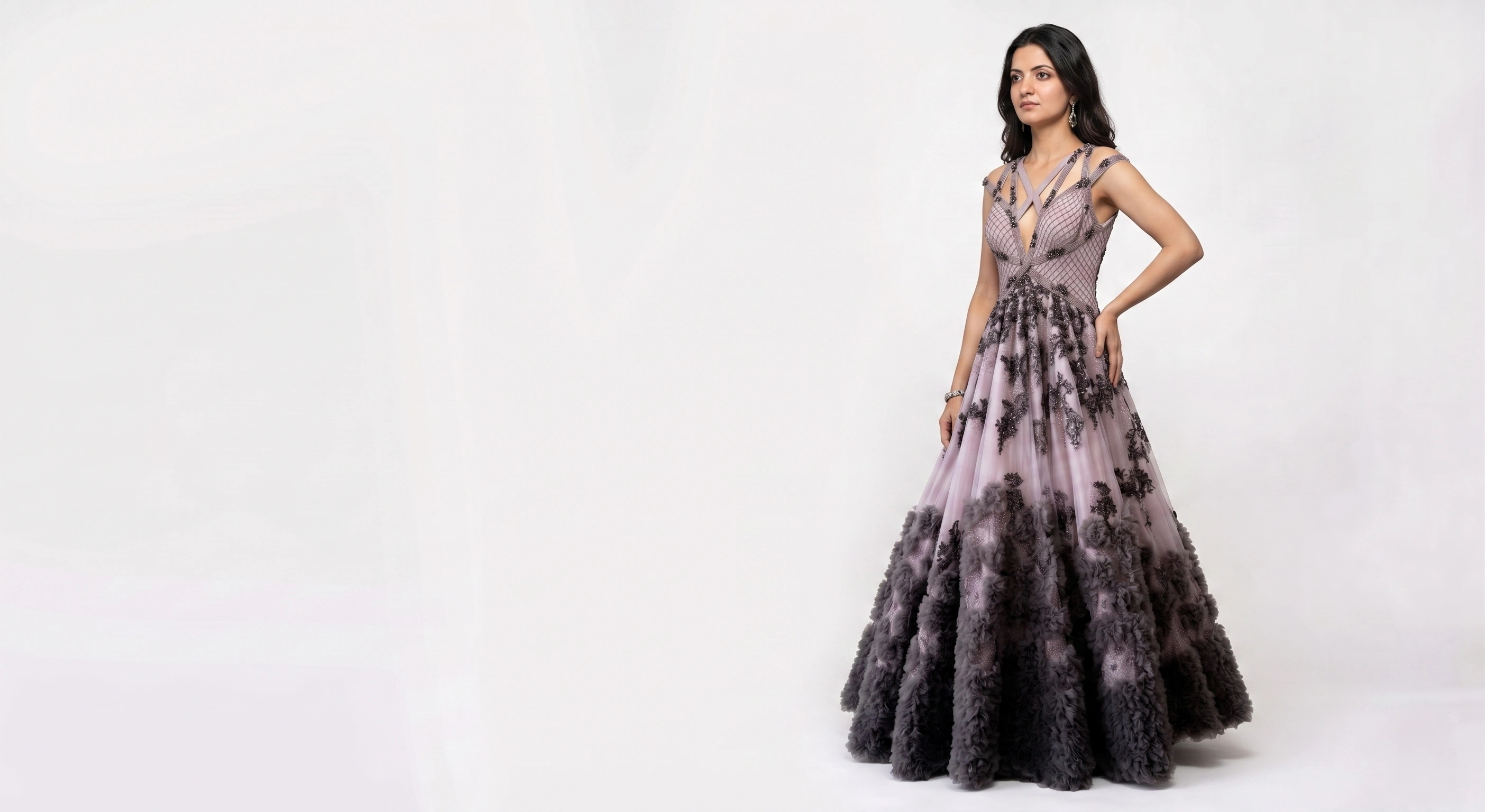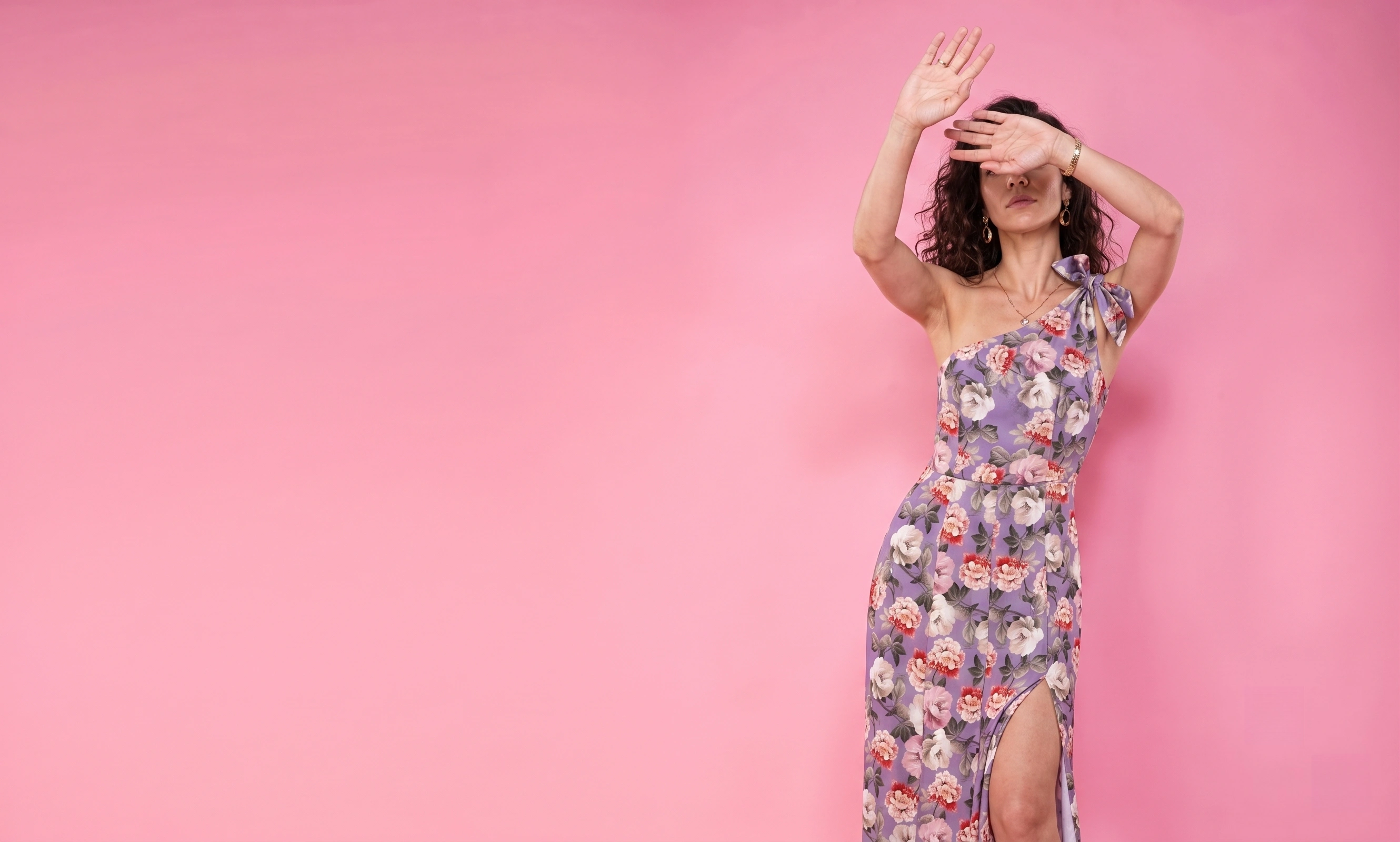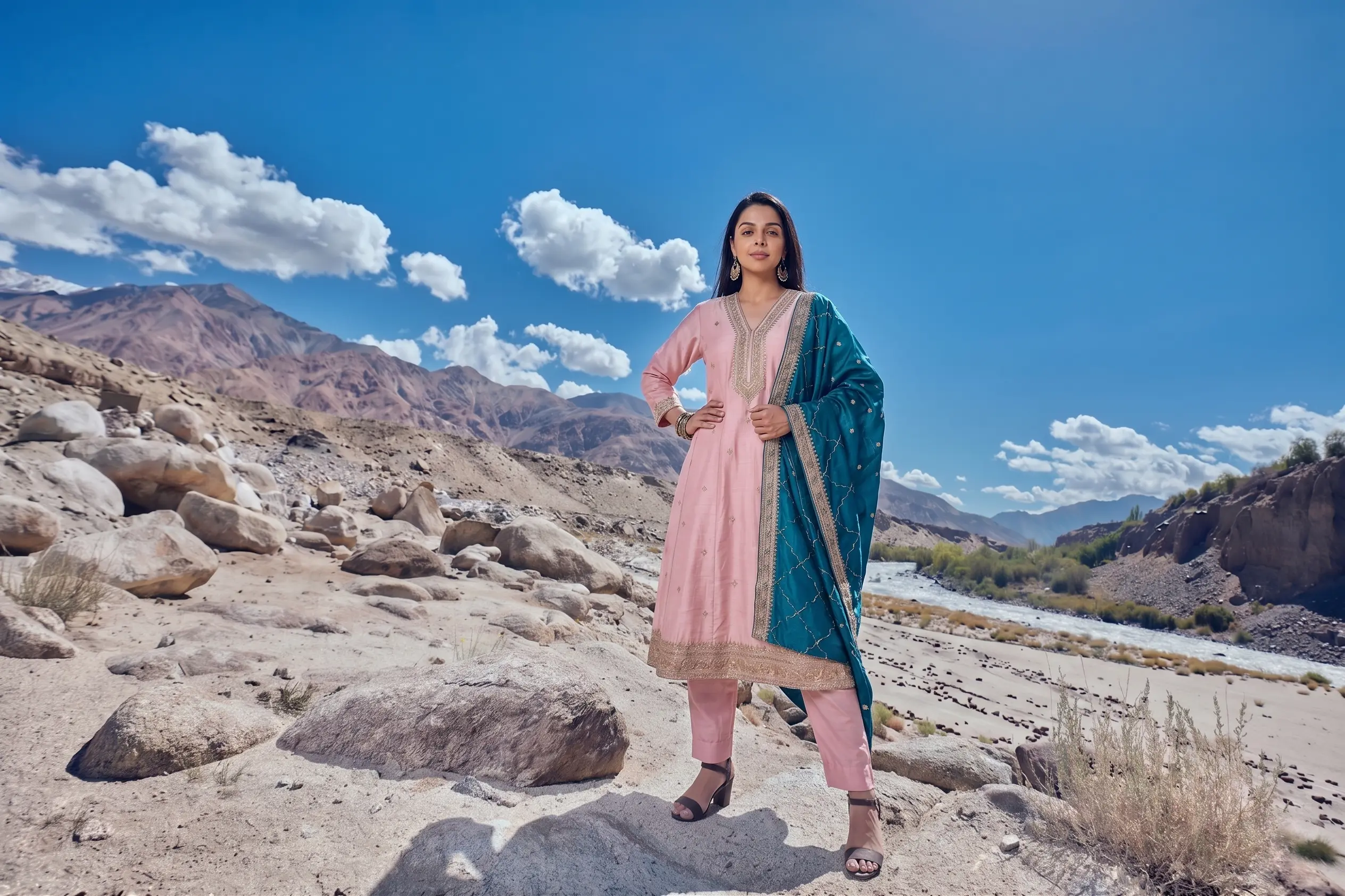
The honest answer is that the question is badly posed, and the confident answers you will find on vendor blogs are mostly recycled statistics about product photography in general, not about generated imagery specifically. Here is what is actually known and how to find out for your own catalogue.
What the evidence supports
The well-established finding in ecommerce is that better and more numerous product images improve conversion, and that on-model imagery outperforms flat-lay for apparel because it answers fit and scale questions. That research predates generative AI and is about presentation, not production method.
That gives you a reasonable prior: if you replace a flat photo on a hanger with a competent on-model image, you should expect an improvement, because you have moved up the presentation ladder. If you replace an excellent professional on-model shoot with a generated one, you have no reason to expect a lift and should be watching for a decline.
The question is never "AI or not". It is "is this image better than the one it replaces at answering the shopper's question".
What nobody can honestly tell you
Whether shoppers penalise images they perceive as AI-generated. There is no reliable, generalisable answer to this yet, sentiment is shifting quickly, and it plainly varies by category and audience. Anyone quoting a precise figure is guessing or selling.
- Test on a category, not one product — single-product tests rarely reach significance
- Change one thing: new images only, not new images plus new copy
- Run a full weekly cycle, ideally two — fashion traffic is strongly day-of-week patterned
- Track return rate alongside conversion
- Pick your metric before you start
How to run a test that means something
- Test on a category, not one product. Single-product tests almost never reach significance on normal traffic.
- Change one thing. New images only — not new images plus new copy plus a new price.
- Run it long enough to cover a full weekly cycle, ideally two. Fashion traffic is strongly day-of-week patterned.
- Watch returns, not just conversion. An image that oversells fit lifts conversion and lifts returns more.
- Pick your metric before you start. Deciding afterwards which number to look at is how every test 'wins'.
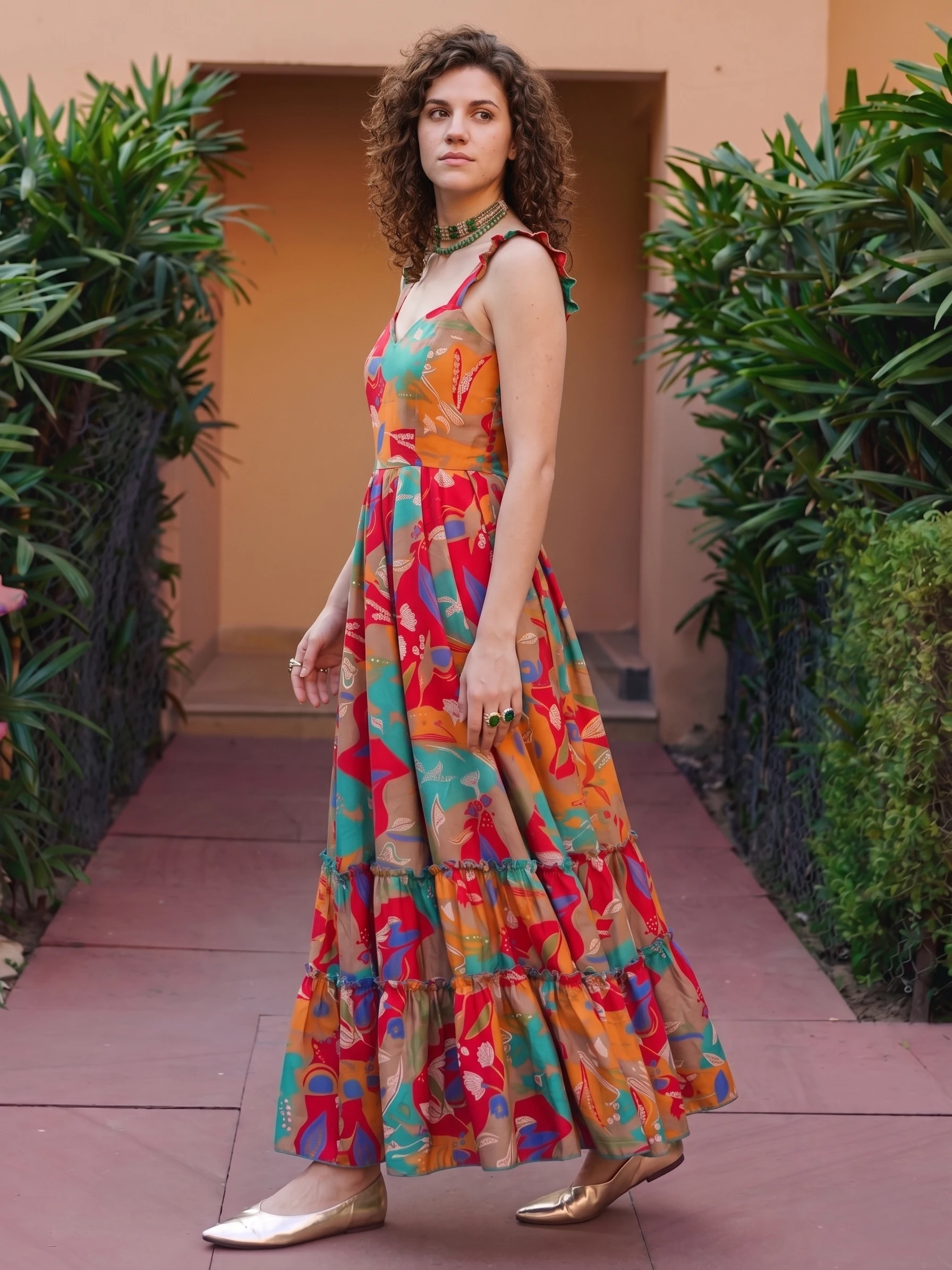
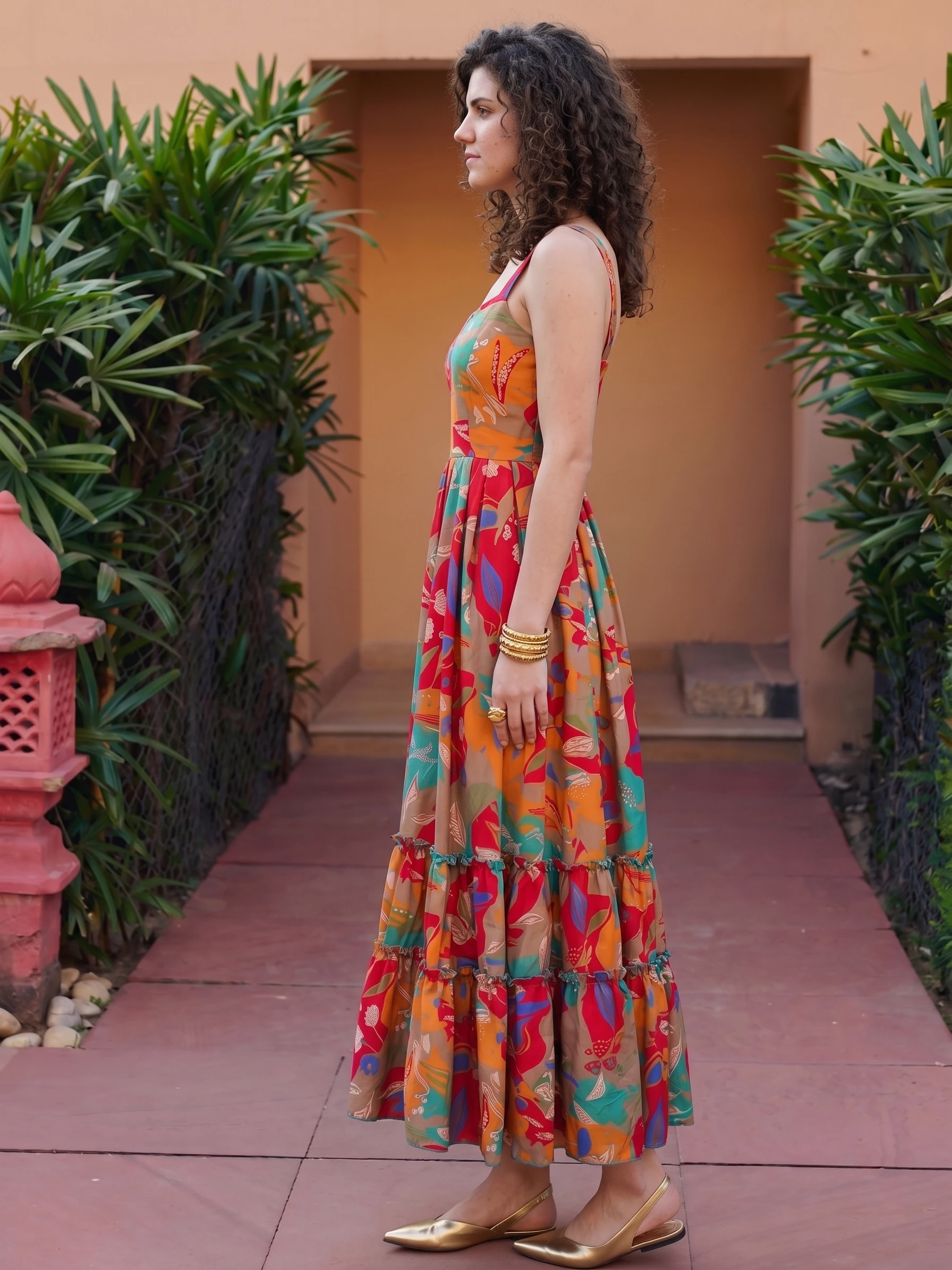
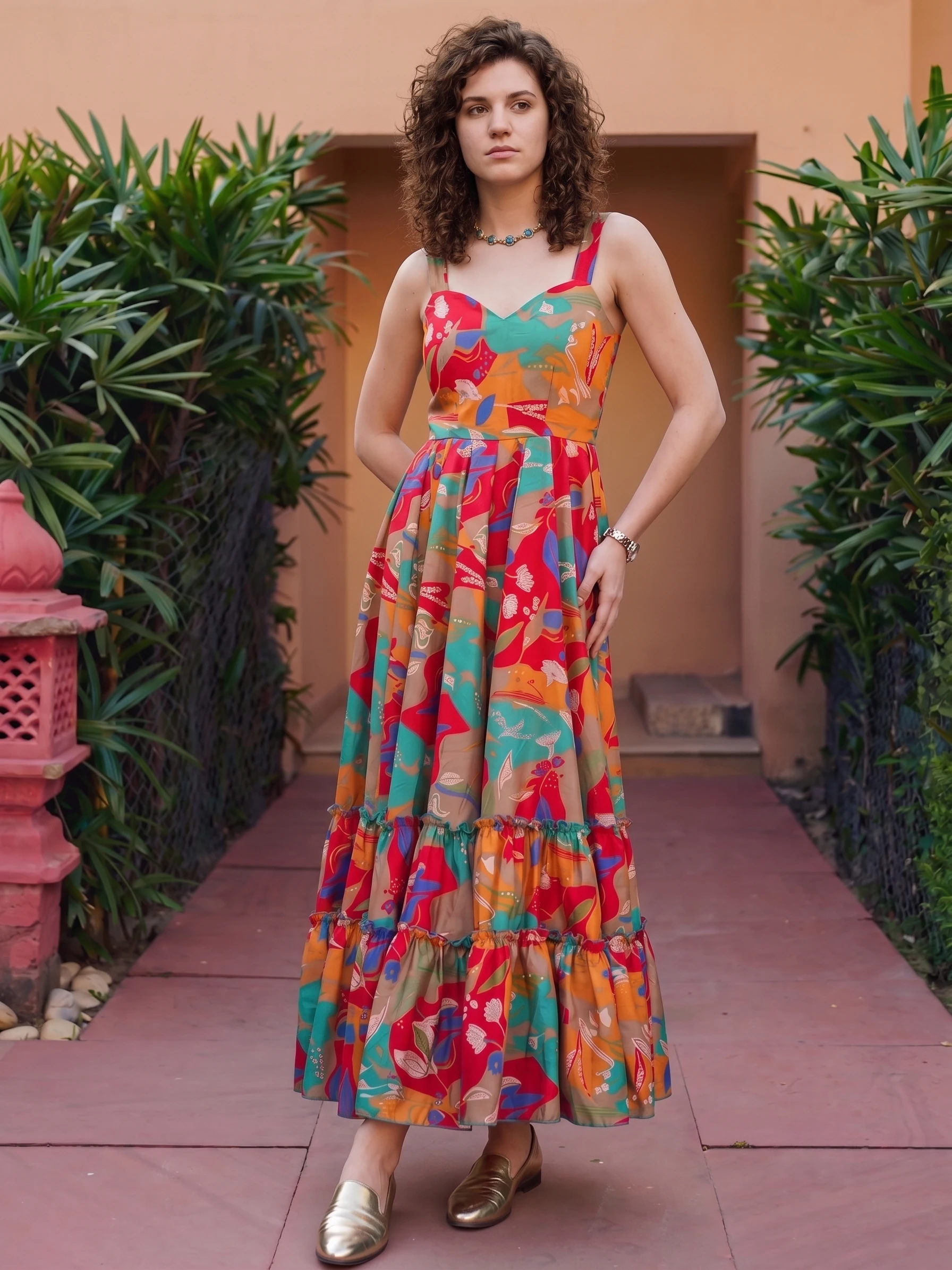
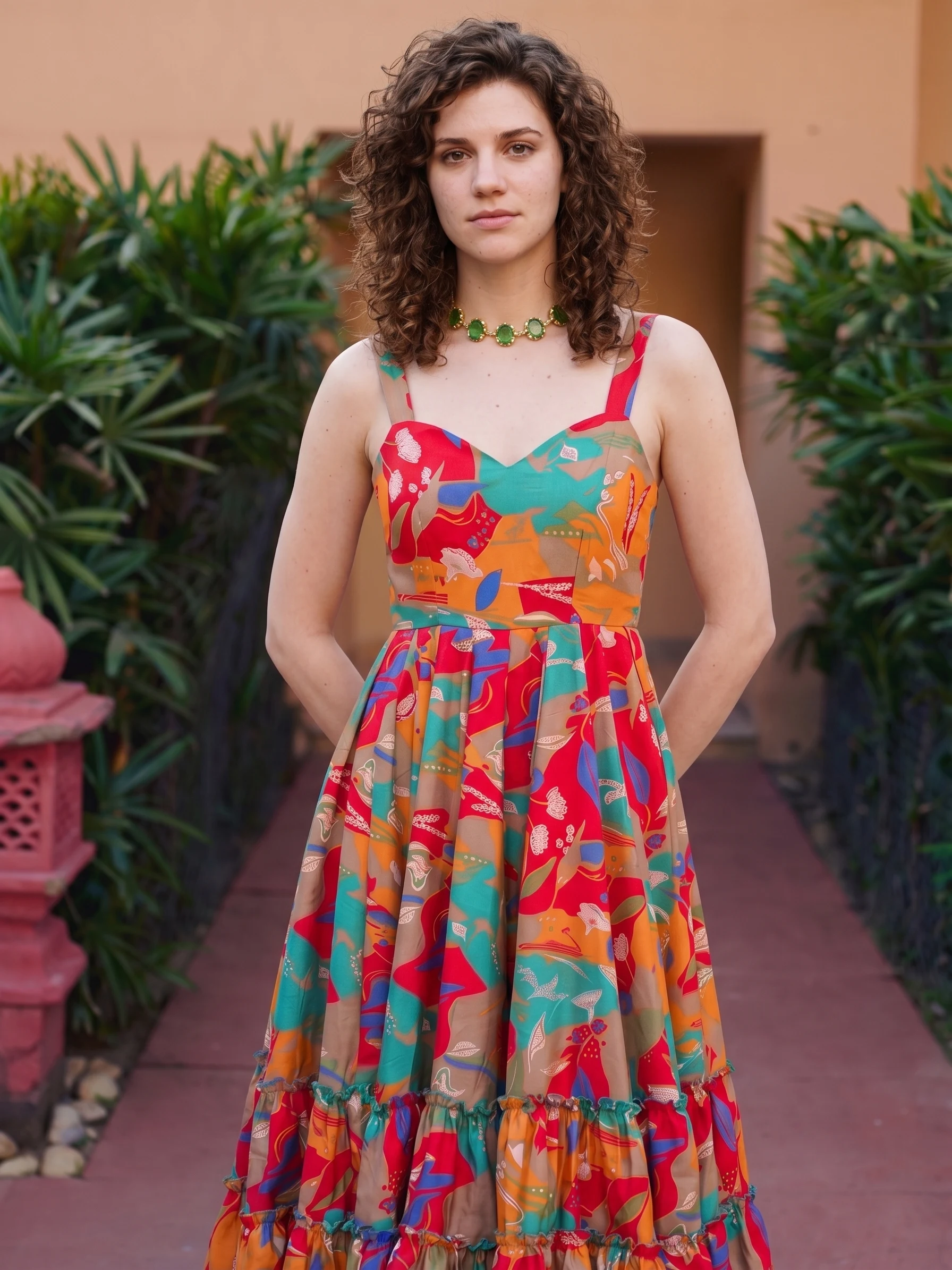
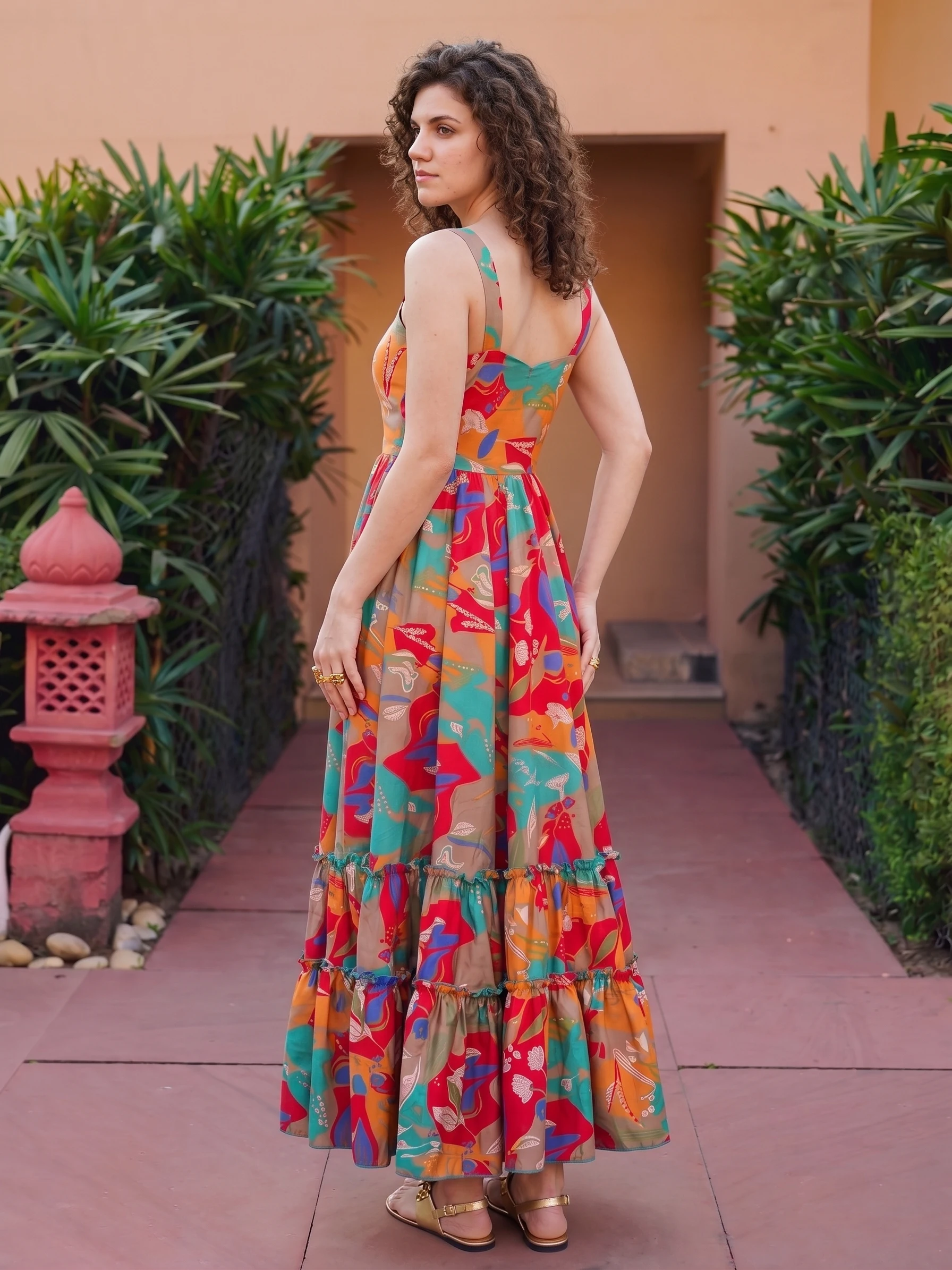
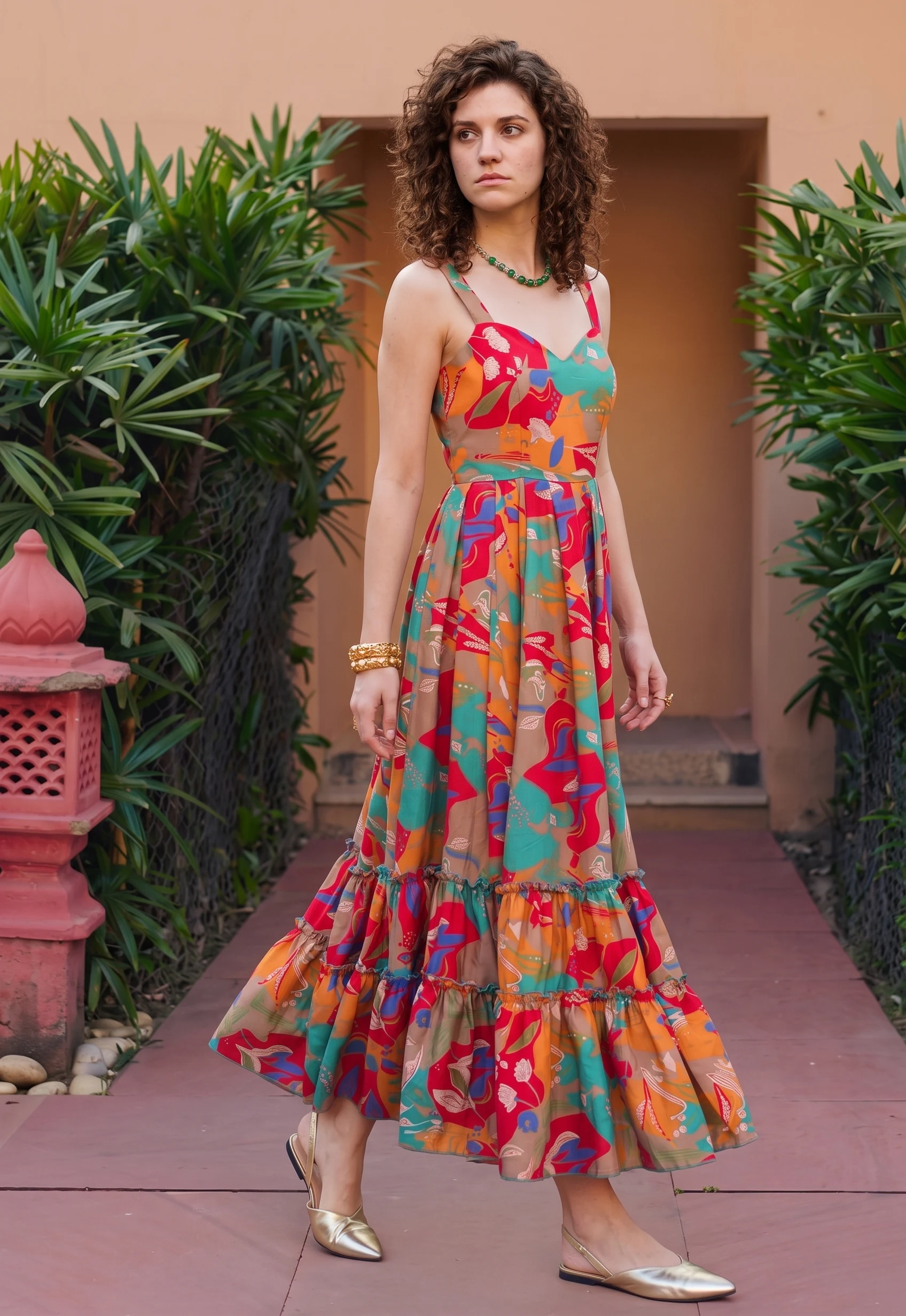
The lift rarely comes from beating your best photograph. It comes from the four hundred products that had one flat image and now have a set like this — which is why the test should run on a category, not a product.
The metric people forget
Coverage. If generated imagery lets you put on-model shots on 400 products that previously had a flat photo, the aggregate effect on the catalogue can be large even if the per-product lift is modest. That is usually where the actual return is — not in beating your hero images, but in lifting the long tail that was never going to be shot at all.
Do shoppers penalise images they think are AI-generated?
There is no reliable, generalisable answer yet, sentiment is shifting quickly, and it clearly varies by category and audience. Anyone quoting a precise figure is guessing or selling.
Will replacing my professional shoot with generated images increase conversion?
There is no reason to expect a lift, and you should watch for a decline. The gains come from moving up the presentation ladder — replacing a flat hanger photo with a competent on-model image — not from replacing work that is already good.
What is the biggest risk to conversion?
An image that misrepresents the product. Conversion rises, returns rise more, and in apparel returns are the dominant cost. Accuracy here is unit economics, not ethics.
Where it clearly does not help
If the image misrepresents the product, conversion goes up and returns go up more, and you lose money on the difference. This is not a hypothetical risk in apparel, where returns are already the dominant cost. Accuracy is not an ethical nicety here — it is the unit economics.