Tips, tutorials & product news
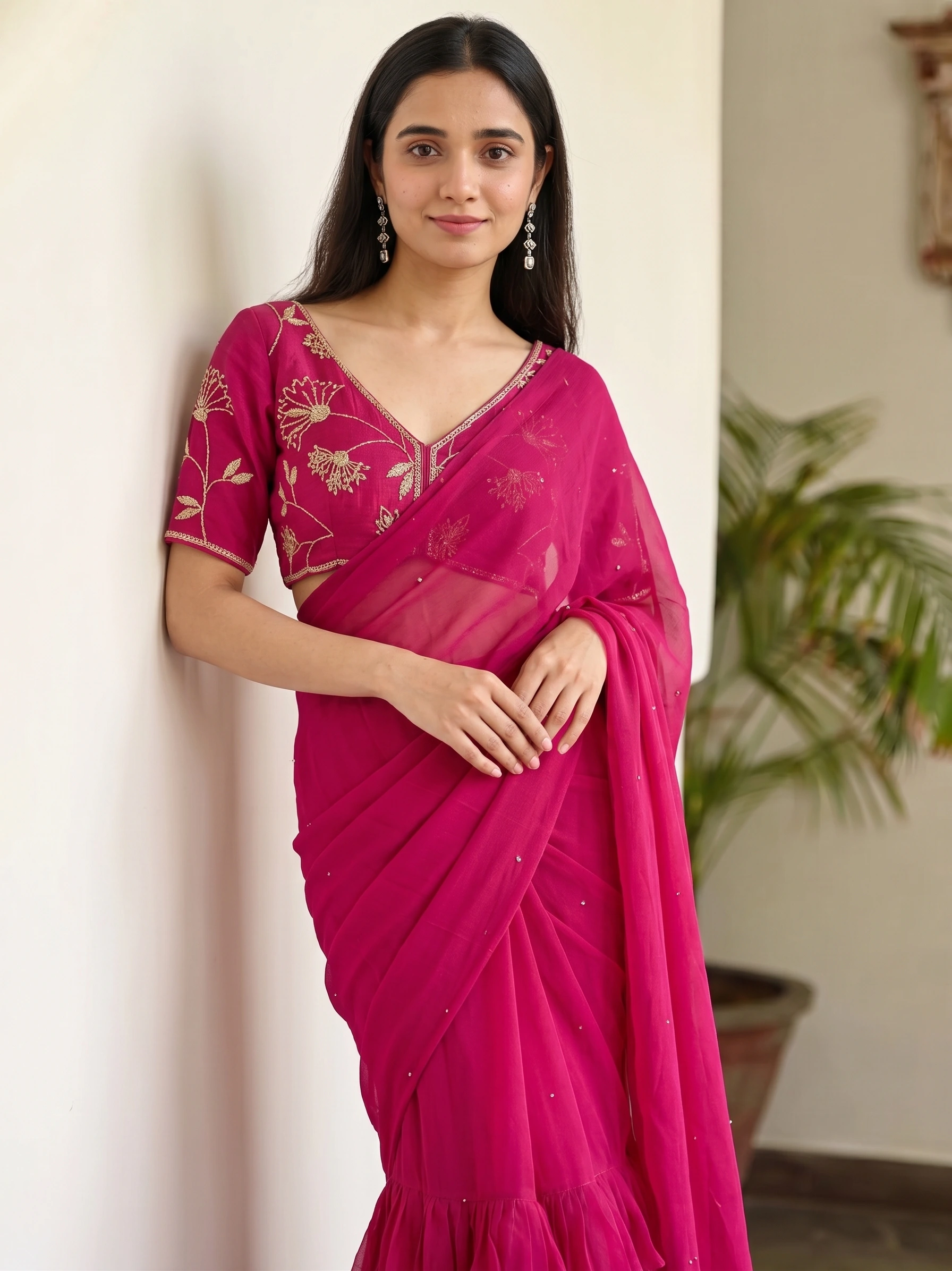
Best AI Saree Photography Tools for Indian Sellers (2026)
Which AI tool should put your sarees on a model? Six options ranked by what actually matters for a saree — pallu and blouse handling, rupee price per image, and whether anyone can make the shots for you.
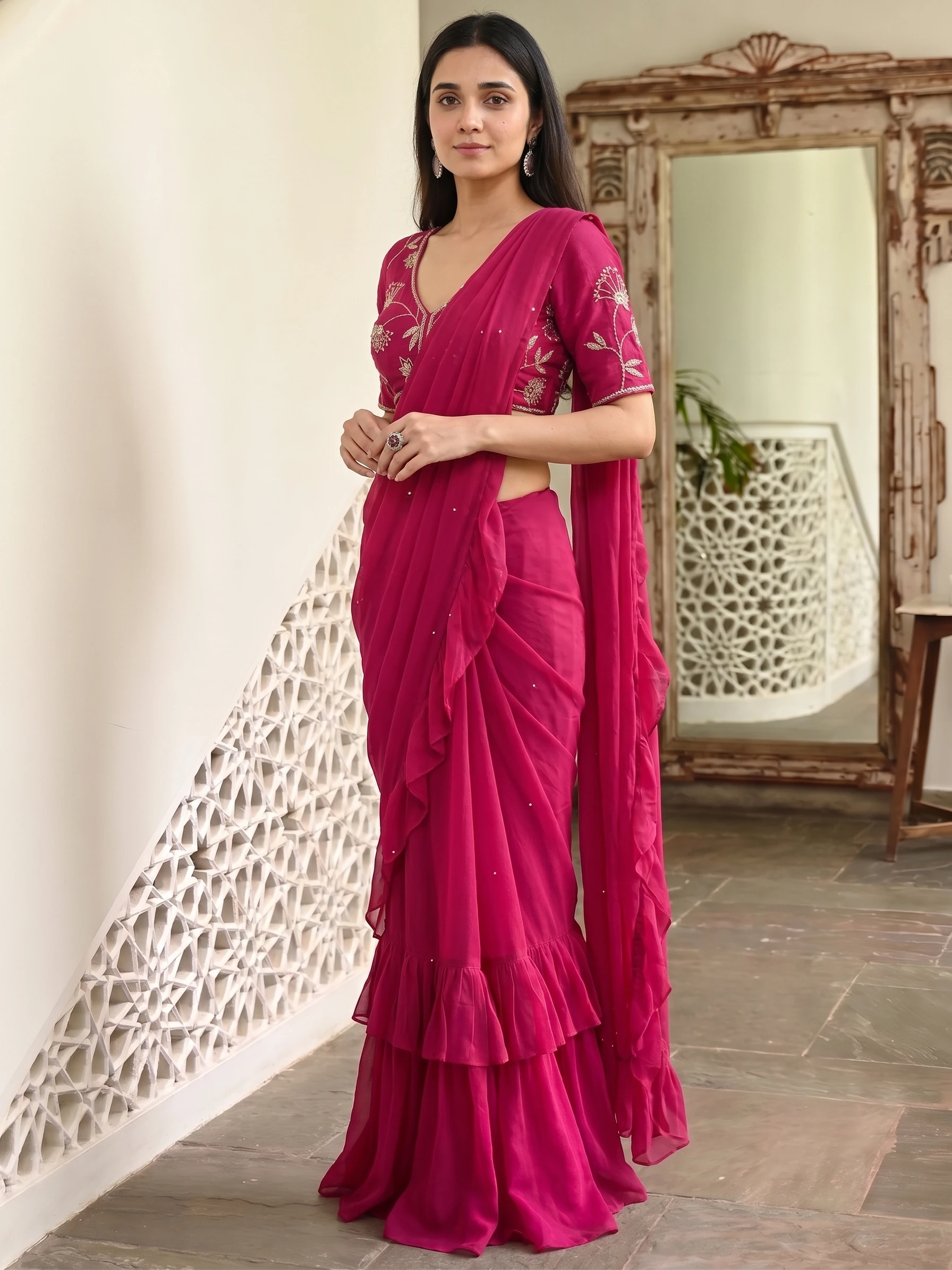
Clothing Catalogs: 5 Types and Which One to Make (2026)
Clothing catalogs come in five kinds: lookbook, wholesale line sheet, WhatsApp catalog, website catalog and marketplace listings. What each one is for, what it needs, and how to make the photos once and use them in all of them.
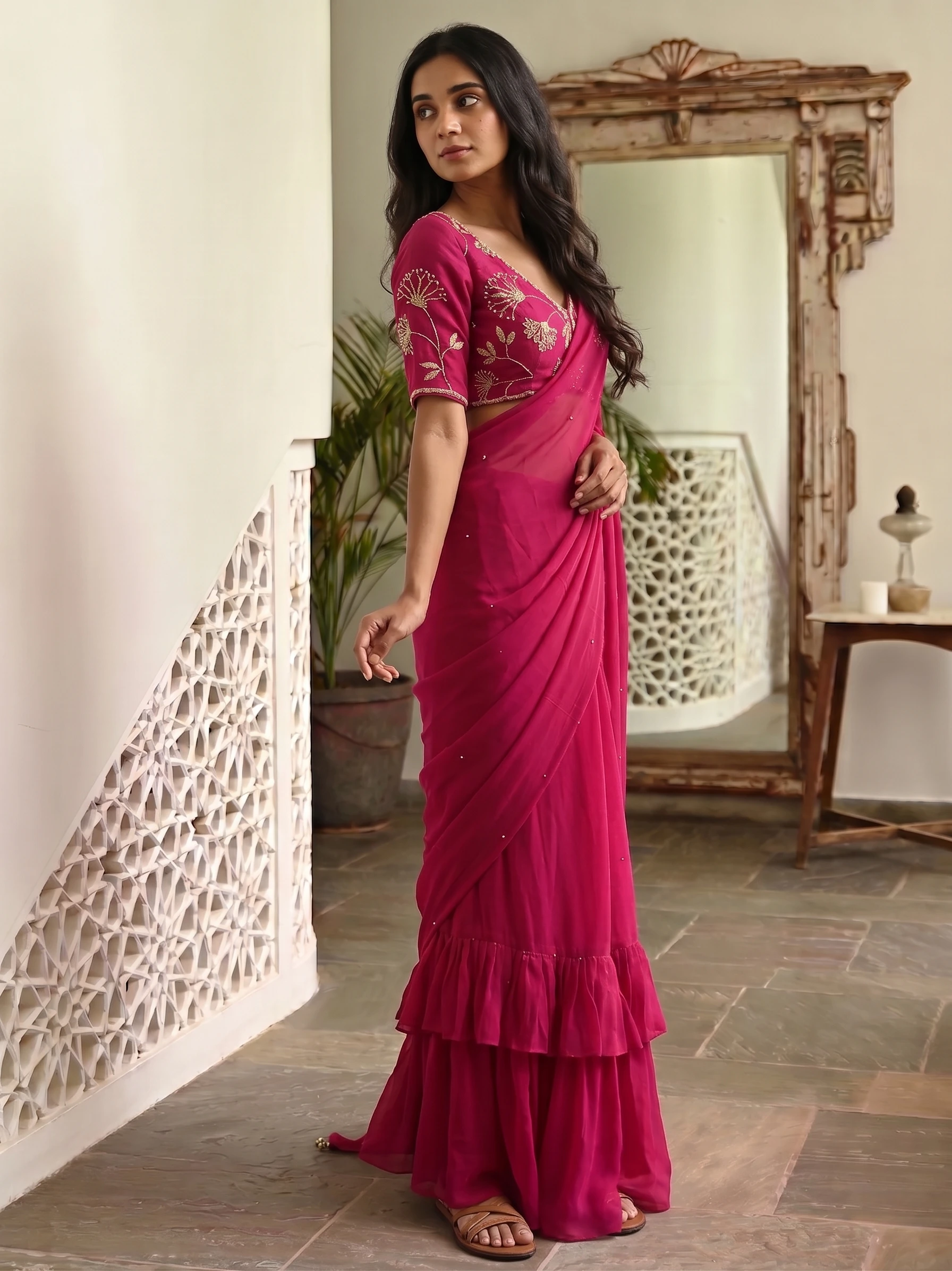
Apparel Catalog: How to Make One for Your Brand (2026)
How to make an apparel catalog for your shop or brand: what goes in it, how to plan women's clothing categories, where to publish it online, and how to make the model photos without a photoshoot.
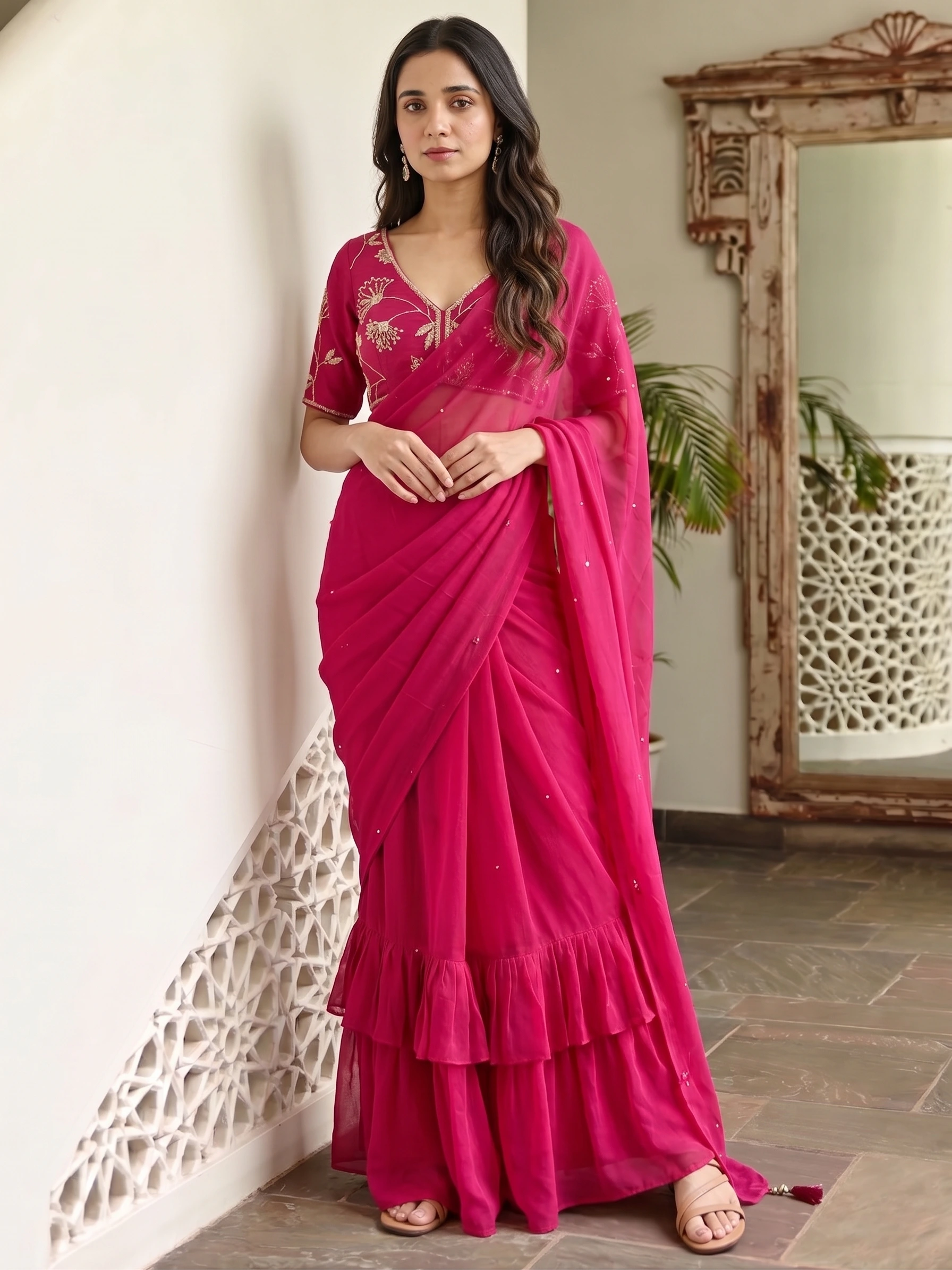
AI Saree Photoshoot: Poses, Shot List and Cost (2026)
How to run a saree photoshoot with AI: the shots every saree listing needs, how to keep one model across all your sarees, what it costs in rupees for 20 sarees, and how to start in Drape Studio.
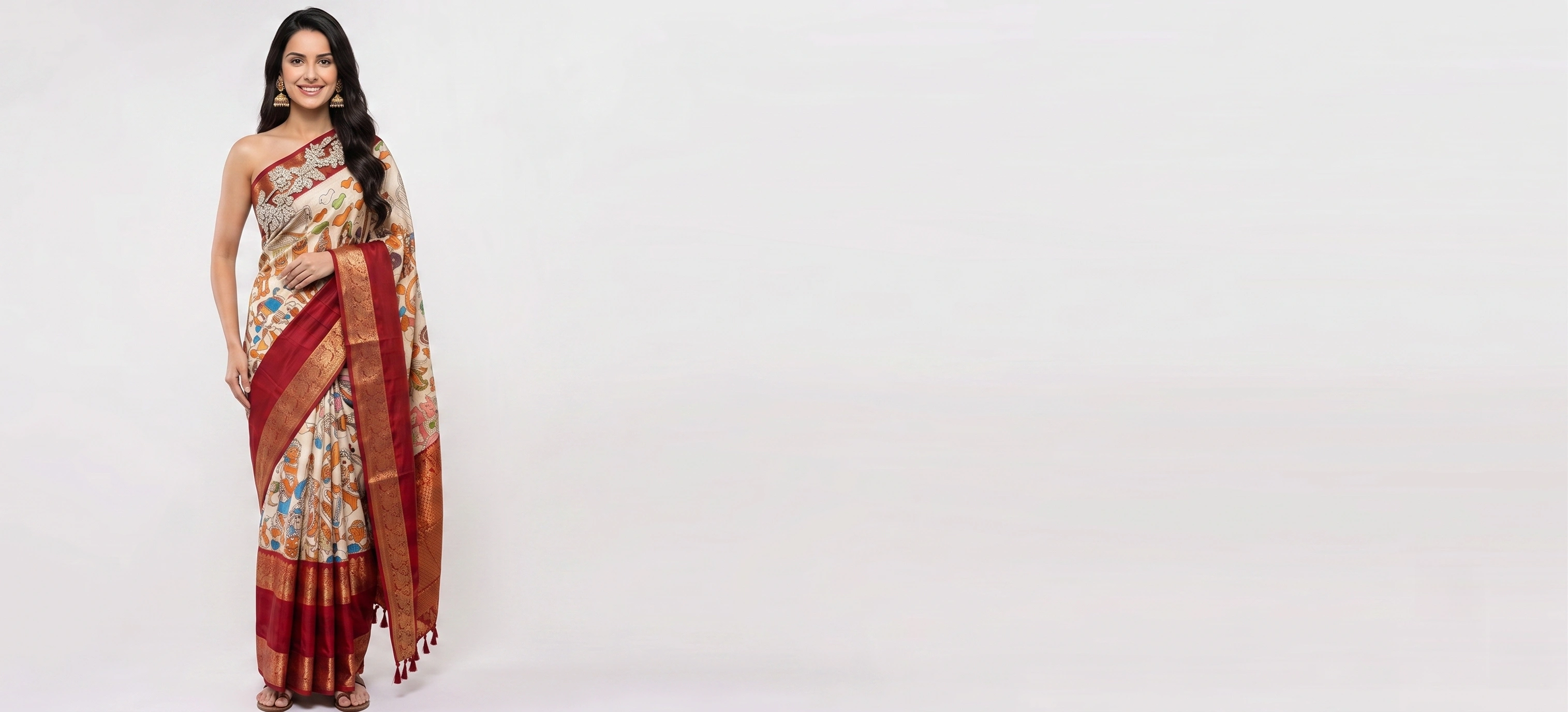
AI Saree Generator: Your Saree on a Model in Minutes
An AI saree generator puts your exact saree on a model, with the pallu, pleats and border in the right place. How Drape Studio does it in eight steps, what it costs in rupees, and a free way to try it.
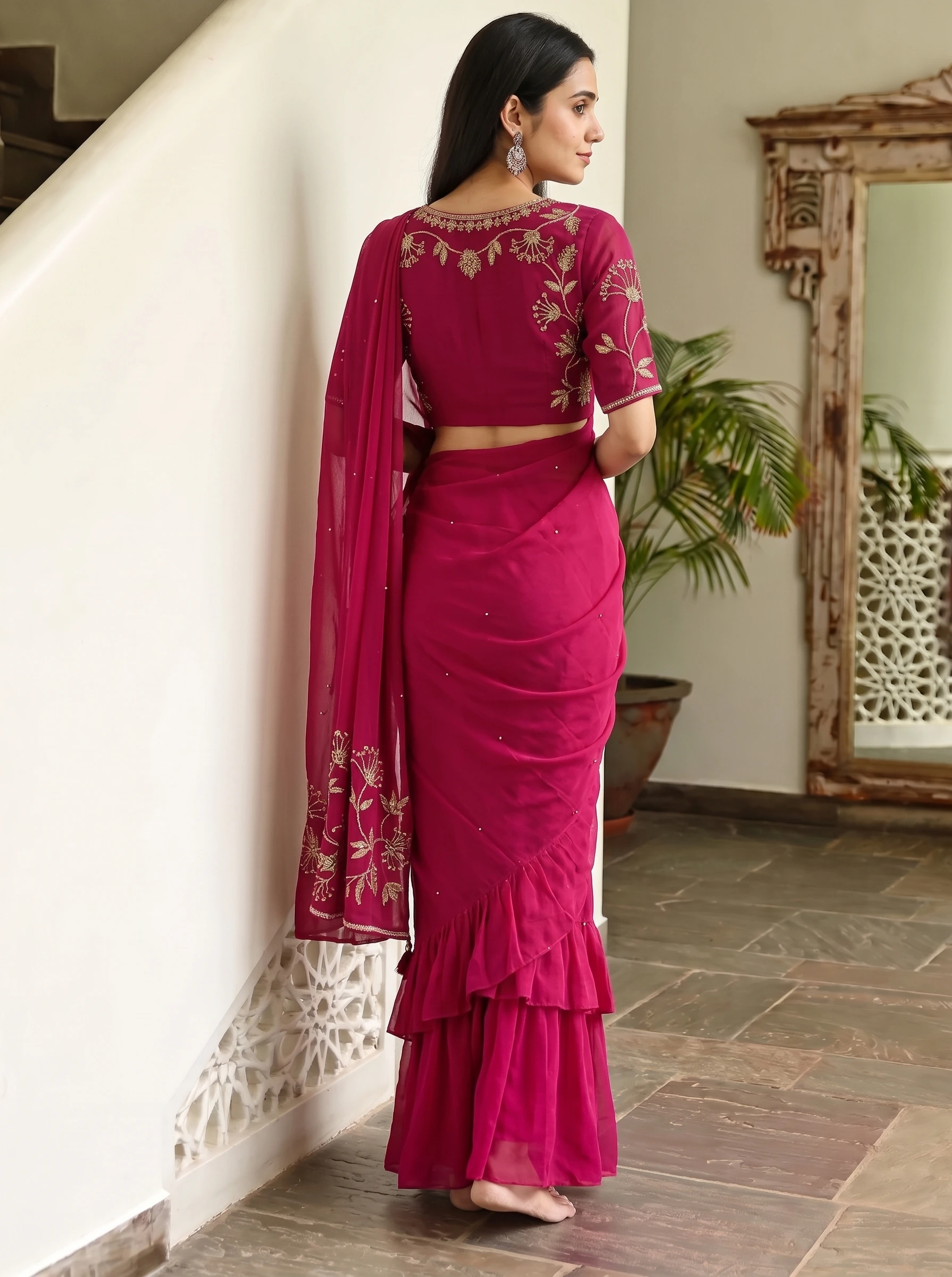
AI Catalog Maker for Clothing: Build a Catalog from Photos
An AI catalog maker turns your flat garment photos into a full set of model photos. What it does, how to build a catalog in six steps, what it costs in rupees, and what to check before you choose one.
TRI3D Alternatives 2026: Saree Draping Software in India
TRI3D (Fab3D) turns a flat saree photo into a draped 3D-style image. If you want a model wearing your saree with pallu control, rupee prices you can see, and shots made for you, here is how the alternatives compare.
Catalogue Studio: Make a Whole Product Catalog with AI (2026)
Pick your garments, models and styles once and Catalogue Studio shoots every combination. What it is, how a batch works step by step, and what a catalogue costs in rupees.
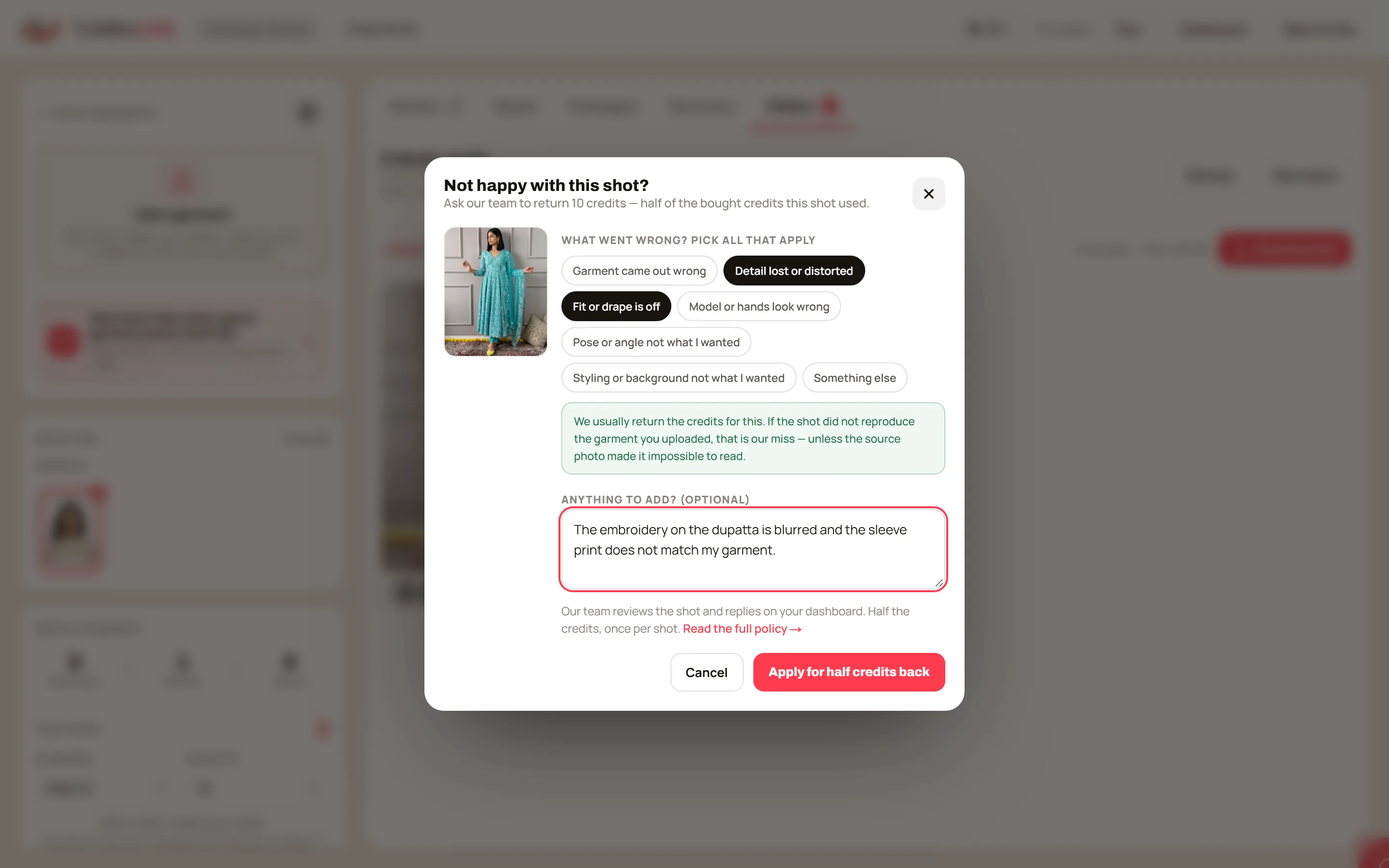
How to Ask for 50% of Your Credits Back on an AI Photo That Missed
If a shot did not reproduce your garment, you can ask our team for 50% of the credits it cost. Where the button is, what to tick, how the review works, and what to expect.
Vastralook Referral Code: 10% Off for Your Friends, 10% Credits Back for You
Every account has a code. A friend who enters it at checkout saves 10%; you earn 10% of the credits they buy. Where to find it, how to share it, and what happens at payment.
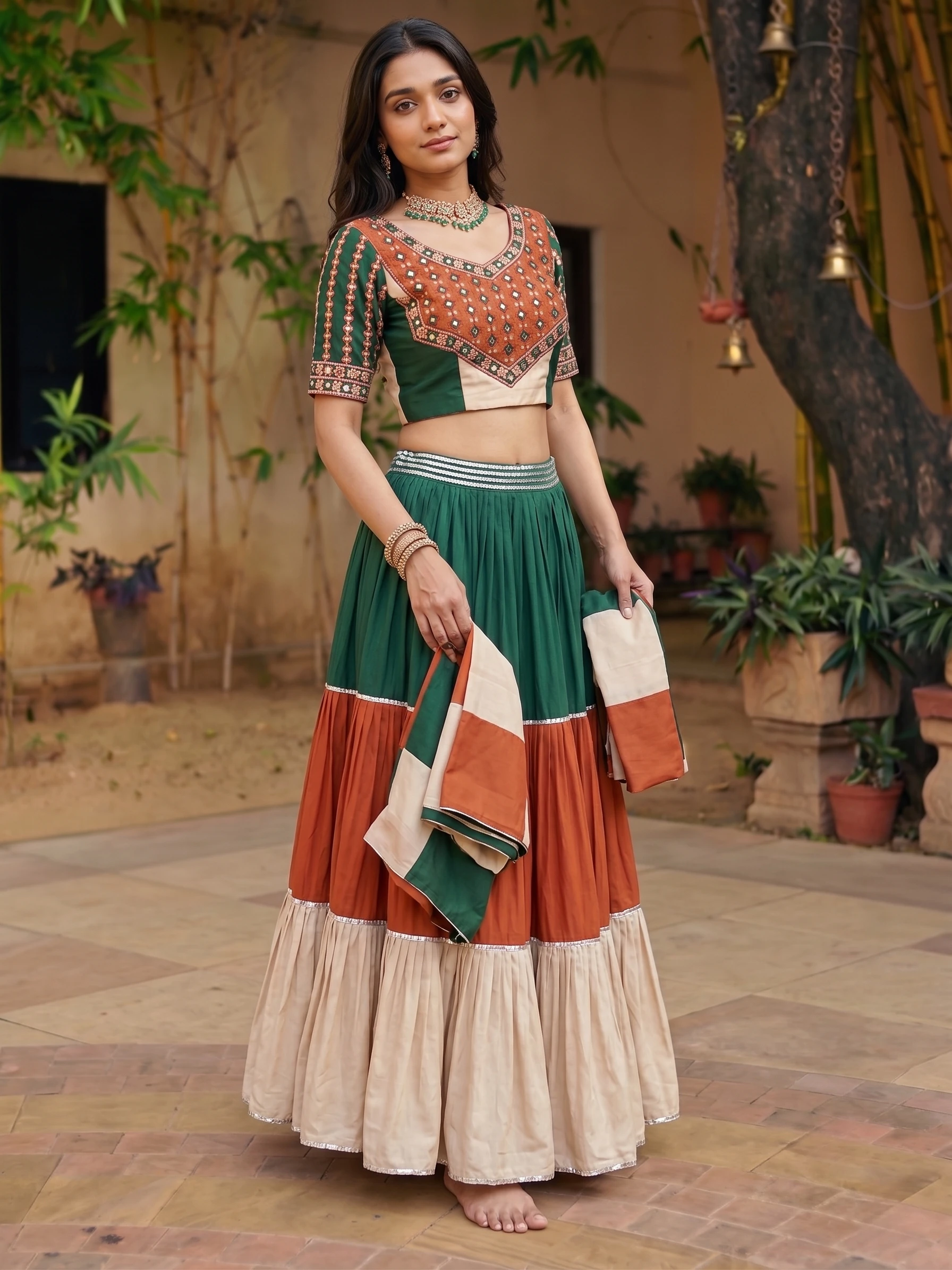
Best AI Tools for Lehenga, Kurti and Salwar Suit Photos (2026)
A lehenga is three pieces, a salwar suit is three, a kurti often comes with a bottom. Which AI tools handle multi-piece Indian ethnic wear on a model — and what they cost.
Botika Alternatives for Indian Clothing Brands (2026)
Botika turns phone photos into on-model images and includes human retouching — billed yearly in US dollars. Five alternatives priced in rupees or built for Indian ethnic wear.
Saree Draping Software Compared: AI Tools & Drape Styles (2026)
Nivi, Bengali, Gujarati, Nauvari — India has many ways to wear a saree, and few AI tools let you pick one. What each draping tool actually does, what it costs, and which drapes it handles.
Amazon Fashion Image Rules for Indian Sellers (2026)
Pure white, 85% of the frame, on a model for adult clothing, no mannequins — Amazon's clothing image rules from Amazon's own guides, and what is still only in Seller Central.
Meesho, Myntra & Flipkart Image Size for Clothing (2026)
Size, background, format and the photos each marketplace rejects — for Myntra, Flipkart and Meesho, with every rule linked to where it comes from, and where the sources disagree.
SareeViz Alternatives 2026: Vastralook vs SareeViz in ₹
SareeViz is one of the cheapest ways to put a saree on an AI model. If you want team-made shots, credits that never expire or whole-catalogue batches, here is how the alternatives compare.
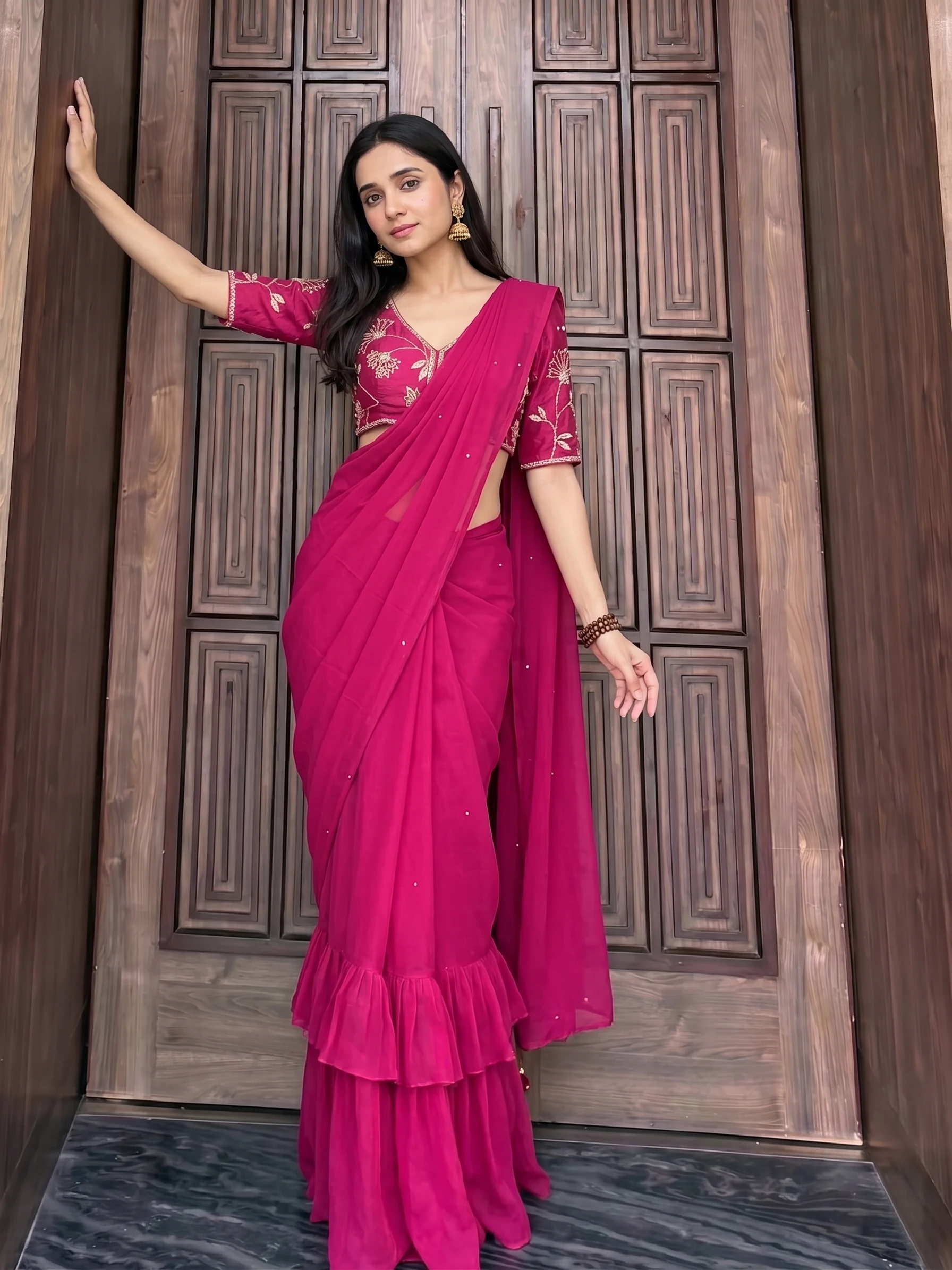
Saree Photo Editing with AI: Flat Photo to Model Shot (2026)
Whether you call it saree photo editing or putting a sadi on a model, the job is the same. How sellers turn one flat saree photo into catalogue-ready model shots — and the three mistakes that ruin them.
Photoroom Alternatives for Fashion and Saree Sellers in India (2026)
Photoroom is a superb product-photo editor and even puts clothes on AI models. If your catalogue is sarees and ethnic wear, here is where specialist on-model tools differ — six alternatives, prices checked on their own pages.
Vastralook vs Scalio: which fits an Indian catalogue?
Scalio is the closest thing Vastralook has to a direct rival — same market, same job, lower per-image price. Here is where each one actually wins.
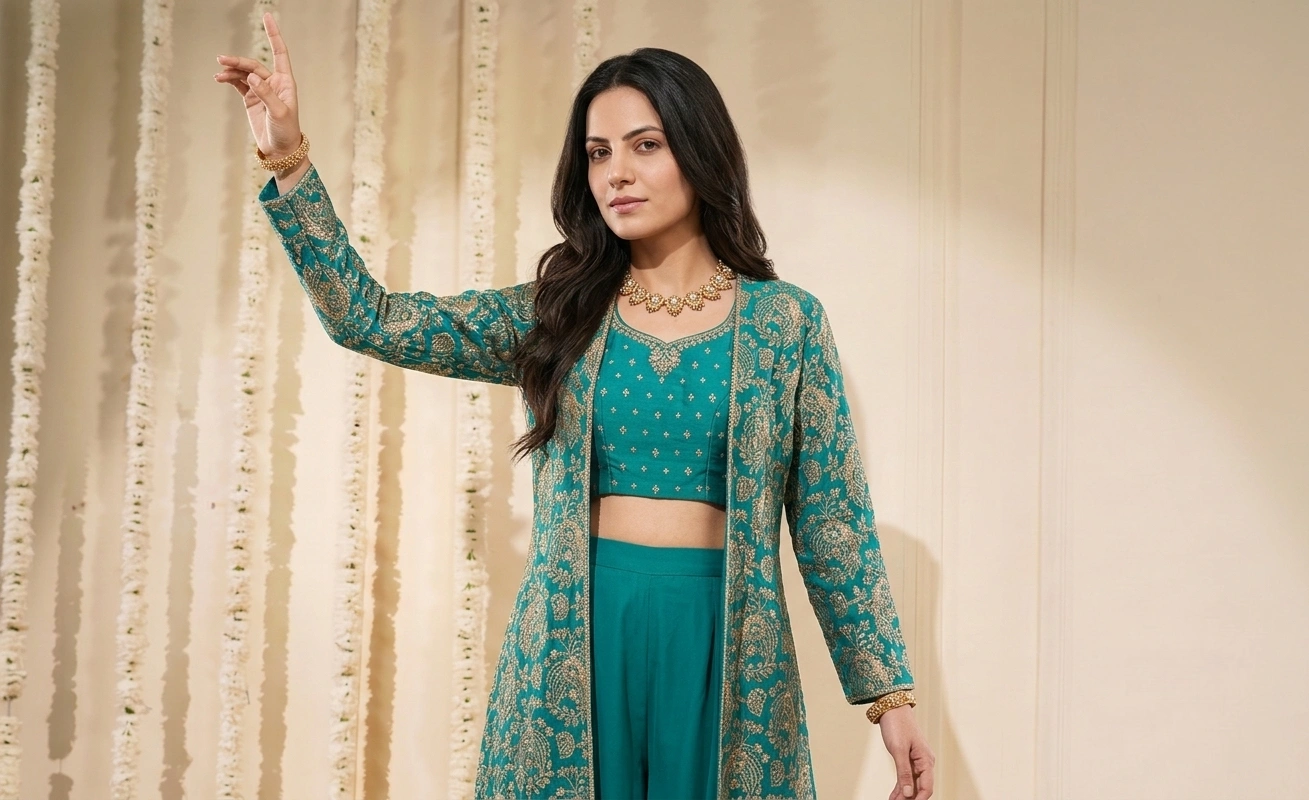
How to upload your garment — the complete guide
What to photograph, how to lay it out, and what the Studio does with it — plus a guide for every one of the 102 garment types we hold reference shots for.
Vastralook vs Bandy AI: catalogue studio or creative agent?
Bandy AI does try-on, product video and UGC ads across every category. Vastralook does fashion catalogue stills. Both price in rupees, so the comparison is unusually clean.
Vastralook vs Flyr: phone app or browser studio?
Flyr is an AI photoshoot app for Indian sellers who run everything from a phone. Vastralook is a browser studio built for catalogue volume. The split is cleaner than most.
Vastralook vs Fotor: a design suite or a fashion studio?
Fotor's Fashion Model AI is one tool inside a hundred-tool design suite. Vastralook is the whole product. That difference shows up in the pricing model, not just the feature list.
Vastralook vs Zuri AI: which fits your catalogue?
Zuri AI is a done-for-you kurti catalogue service with 24–48 hour delivery. Vastralook is a self-serve studio across 51 garment categories that also does done-for-you. Here is the honest split.
AI fashion photoshoots vs a traditional studio: the real cost
Studio, crew, models, samples, editing — a line-by-line comparison of what a catalogue shoot actually costs versus generating the same images.
What Vastralook does that generic AI image tools don't
Anyone can generate a picture of a person in a dress. Doing it with the same model, the same garment and the same set, 200 times, is the hard part.
How to photograph garments so AI generation works first time
The quality of your on-model output is decided before you upload. A practical shooting checklist for flat-lays and packshots.
How to keep one model consistent across an entire campaign
Customers judge fit by comparing images. If the model changes between shots, that comparison breaks — here's how to lock identity across a drop.
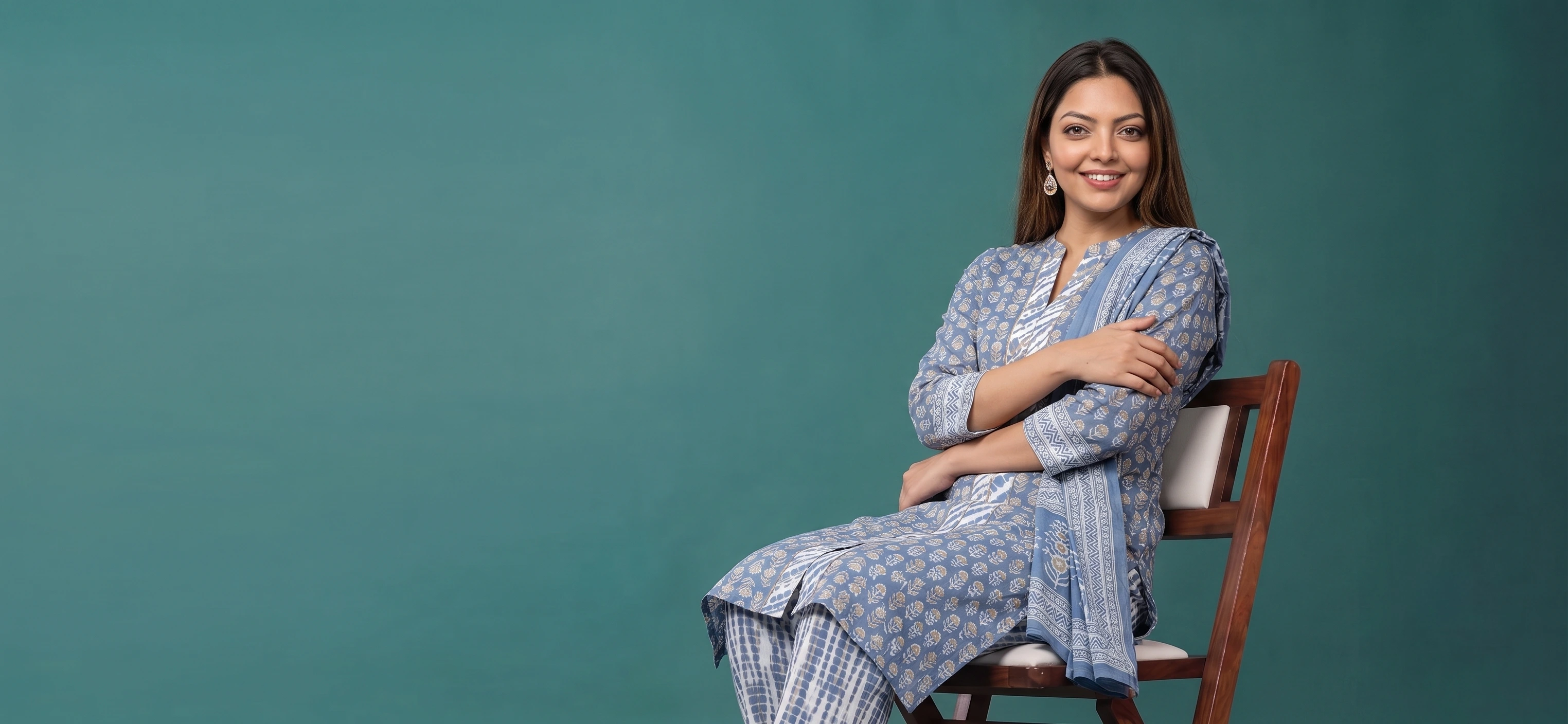
From flat-lay to hero shot: a five-step workflow
The complete path from a packshot on your phone to an export-ready campaign image, with the decision points that matter at each stage.
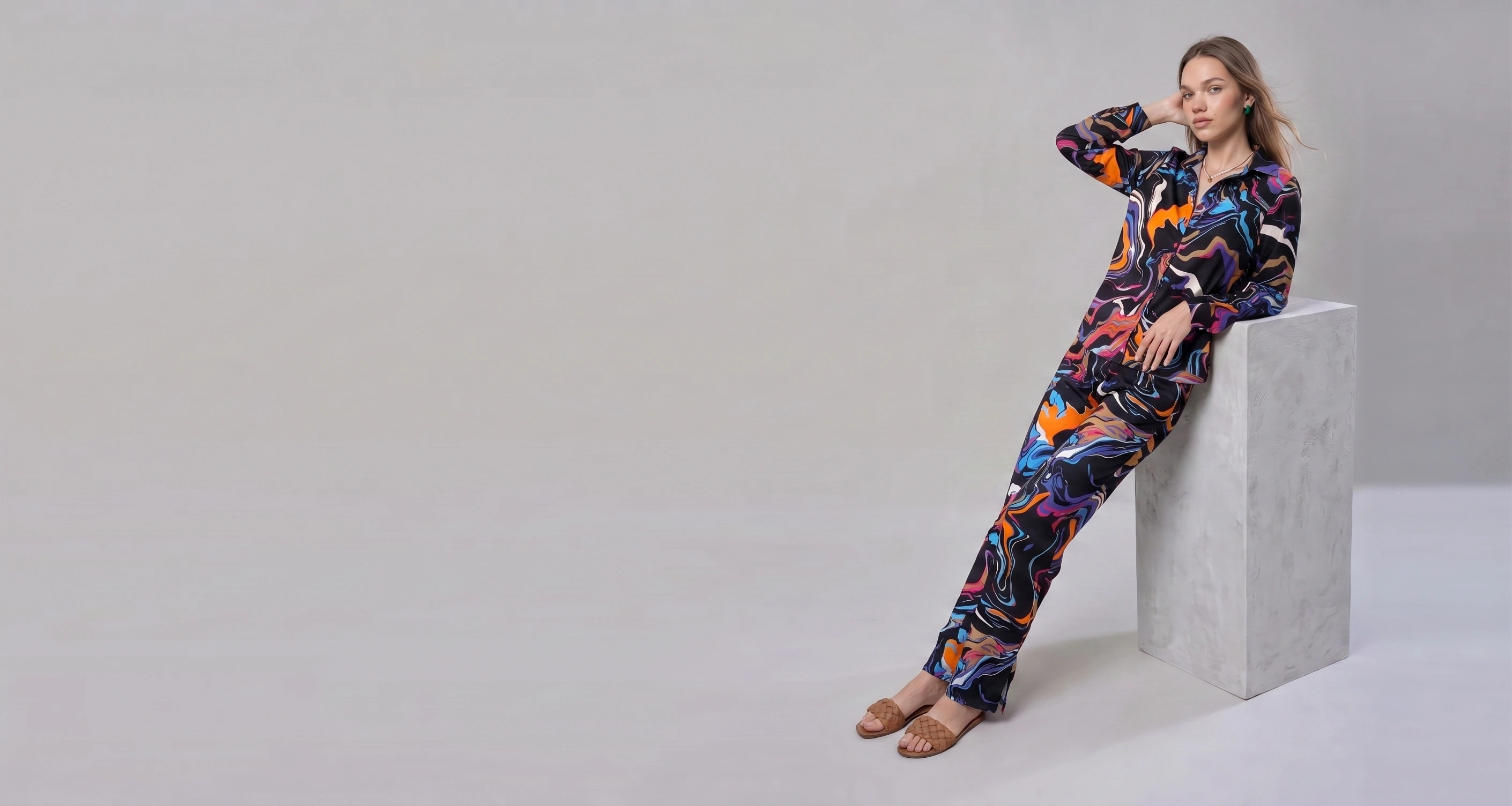
Inside the WYSIWYG Studio: edit exactly what you see
Swap backgrounds, recolour garments and add branding on a live canvas — no prompts, no re-generation roulette, no surprises at export.
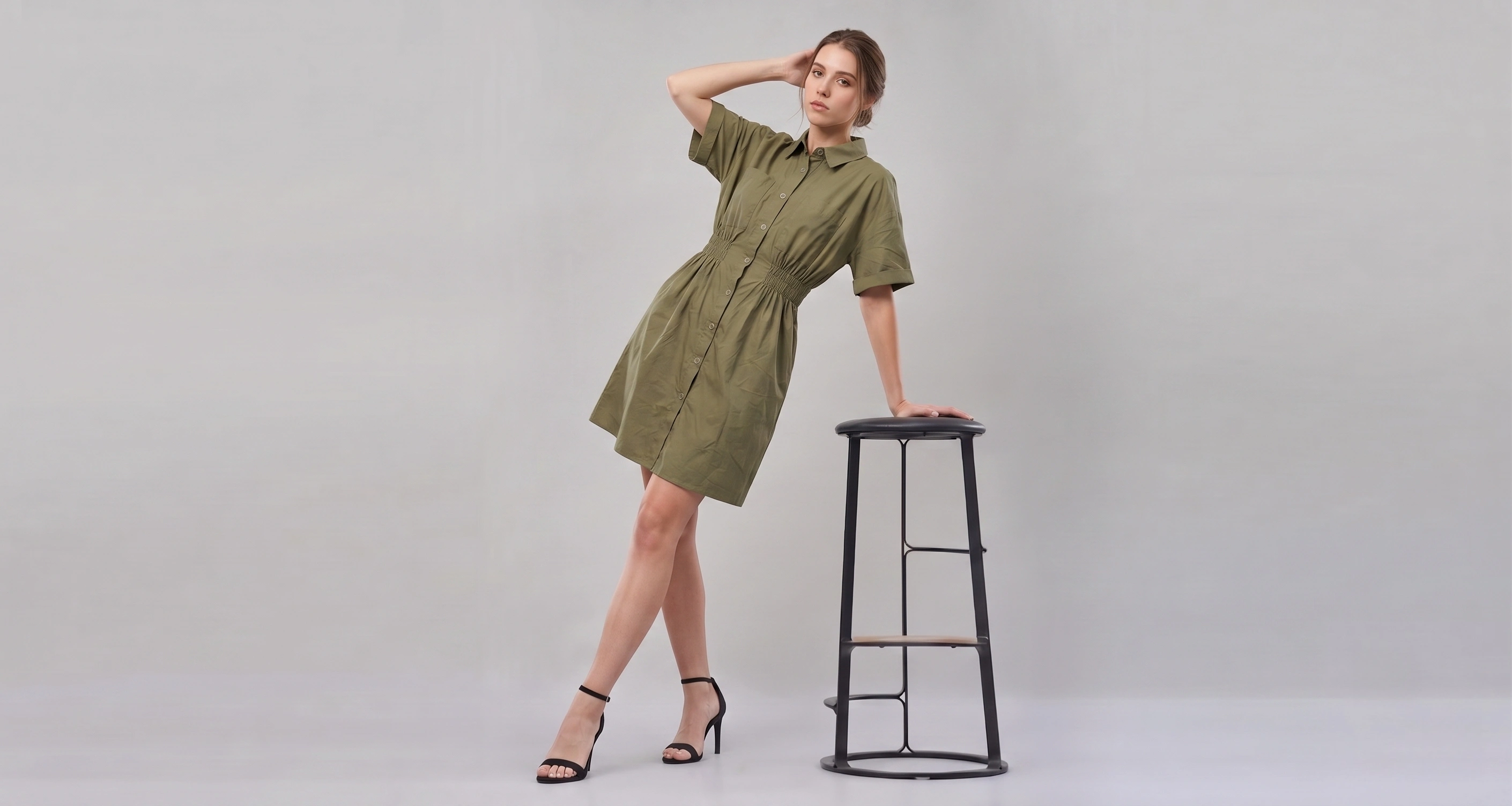
AI photoshoots for small brands with no studio budget
If a full shoot costs more than a season's margin, you end up shooting less and selling less. Here's the way out of that loop.
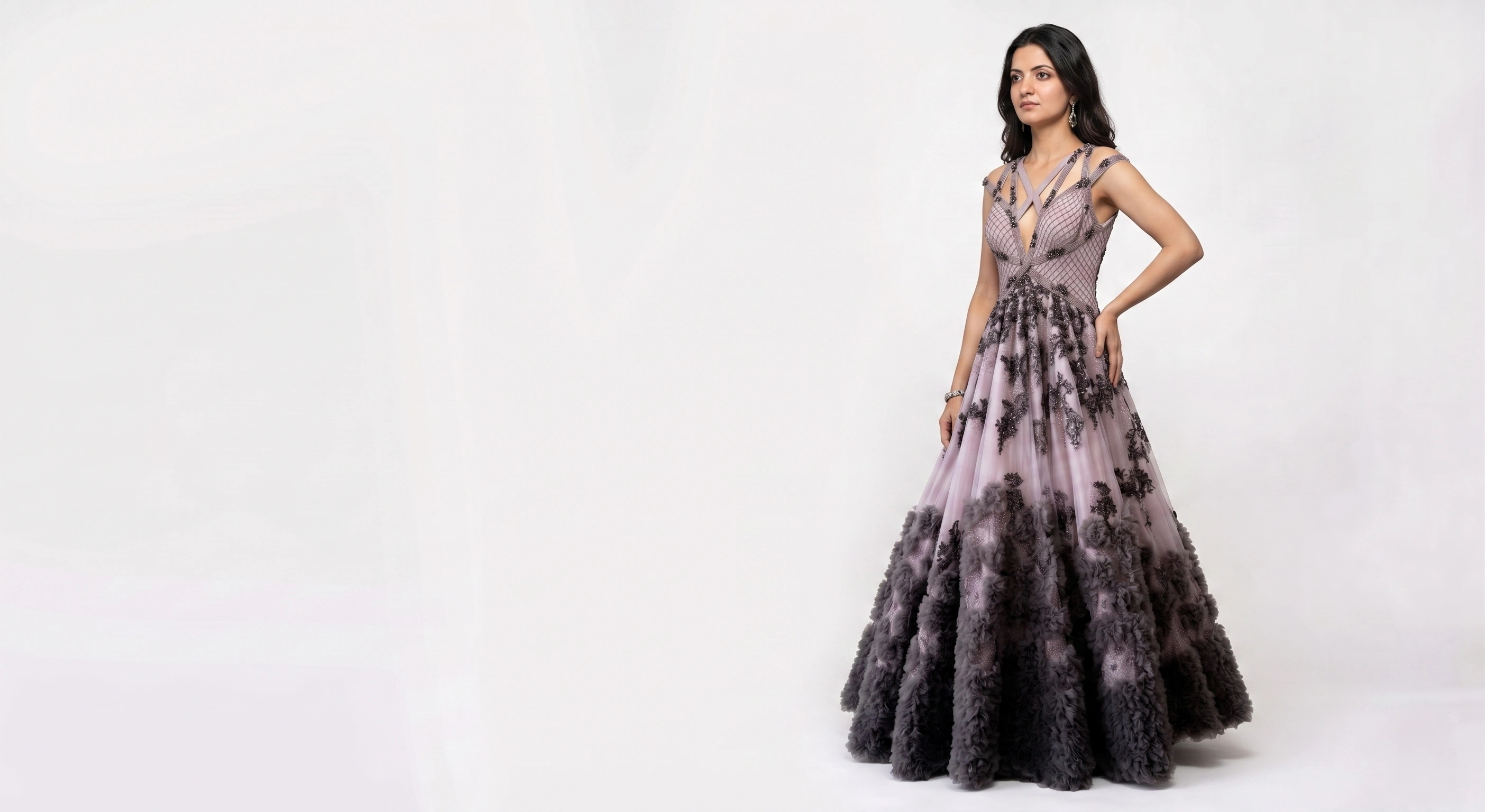
Can AI-generated fashion photos be used commercially?
The short answer is yes, with conditions worth understanding — around model likeness, disclosure and the rights you actually hold.
Vastralook vs hiring a fashion photographer: how to choose
Not a pitch for replacing your photographer. A straight breakdown of which jobs each one is actually good at, and how most brands end up using both.
Why a generic AI image generator won't run your catalogue
General-purpose generators make beautiful one-off pictures. Catalogue work needs the same model, garment and set to survive 200 images — a different problem entirely.
On-model, mannequin or flat lay: what each one costs you
Ghost mannequin is cheap and safe. On-model converts better. Here is the actual trade-off, and how to stop choosing between them.
How to evaluate an AI fashion photoshoot tool (a buyer's checklist)
Every tool in this space demos well. Here are the questions that separate the ones that survive a real catalogue from the ones that don't.
How to use Vastralook: your first photoshoot in ten minutes
Upload a garment photo, choose a package, generate. A walkthrough of the whole flow, plus the three decisions that make the difference.
The anatomy of a good photoshoot brief, line by line
Whether you're briefing a photographer or a generator, the same six components decide whether you get what you pictured. Here they are, with examples.
Backgrounds and lighting that sell clothes
Why the same garment reads as premium in one setup and cheap in another — and the four lighting patterns that cover almost every product shot.
Controlling pose, crop and aspect ratio without redoing the shoot
The three controls that turn one generated image into a full set of channel-ready assets — and the mistakes that quietly break your layouts.
AI photoshoots for saree and ethnic wear brands
Drape-heavy, detail-heavy, and traditionally the most expensive category to shoot well. What works, what doesn't, and where to be careful.
Getting marketplace listing images right the first time
Amazon, Myntra, Flipkart and Shopify each want something different. A practical guide to producing one set that satisfies all of them.
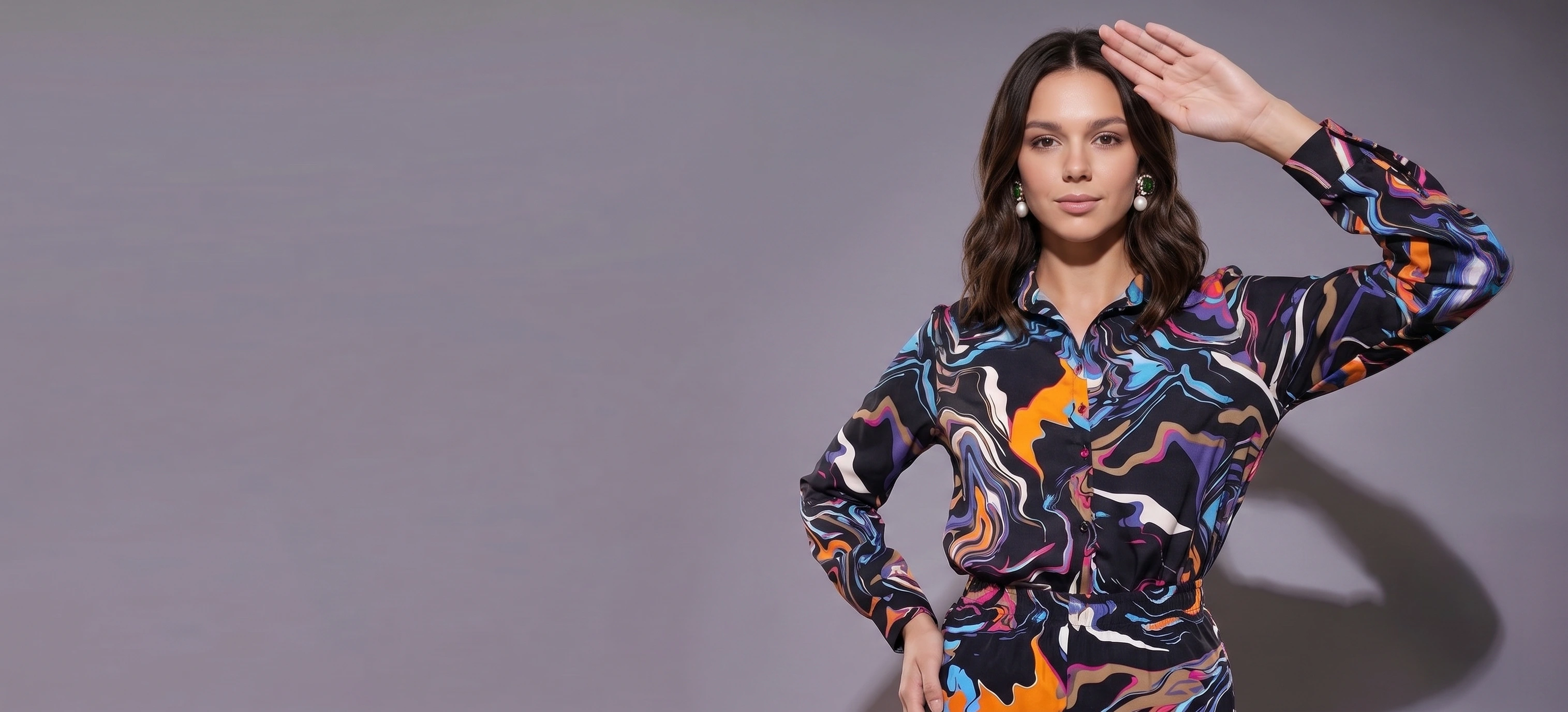
For boutiques and resellers: catalogue photography without a studio
You have stock, a phone and no budget for a shoot. Here's the workflow that gets a boutique to a consistent catalogue in a weekend.
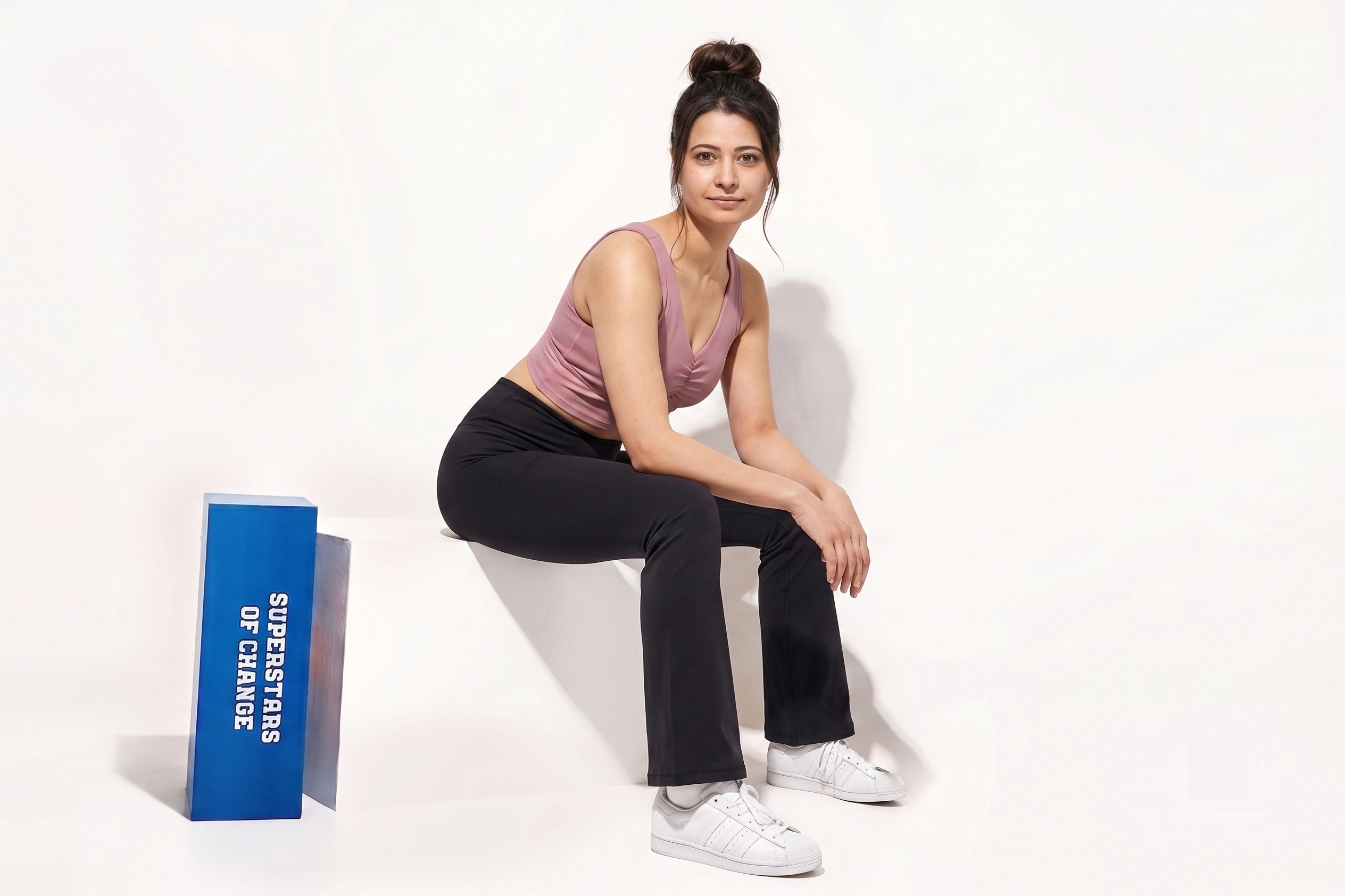
How credits and plans work, explained plainly
What a credit buys, why a 4K image costs more than a 1K one, and how to work out which plan actually fits your volume.
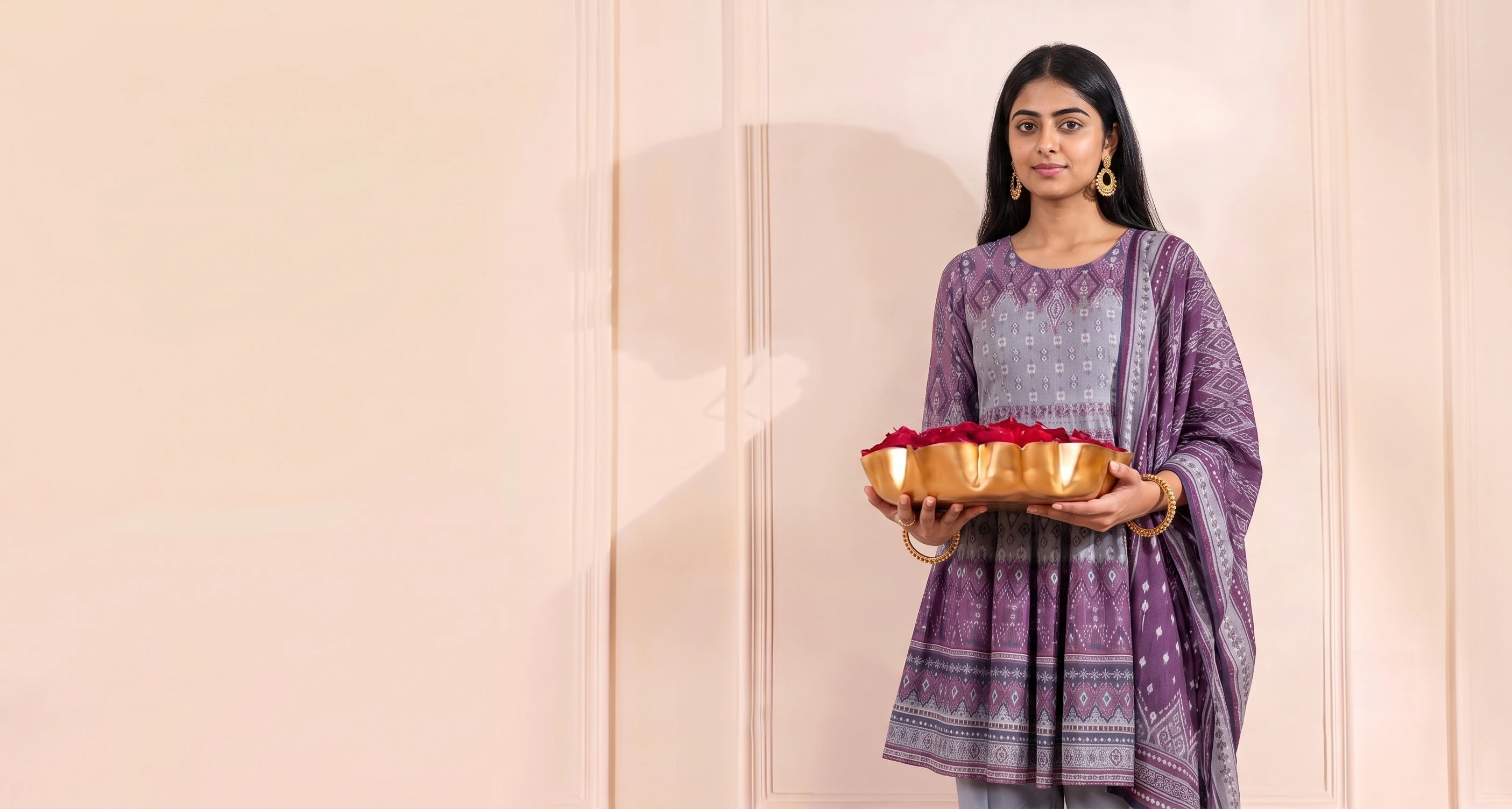
What a package is, and how to pick the right one
Packages are pre-built shoots — setting, light, framing and mood already composed. Choosing well is mostly about where the image is going.
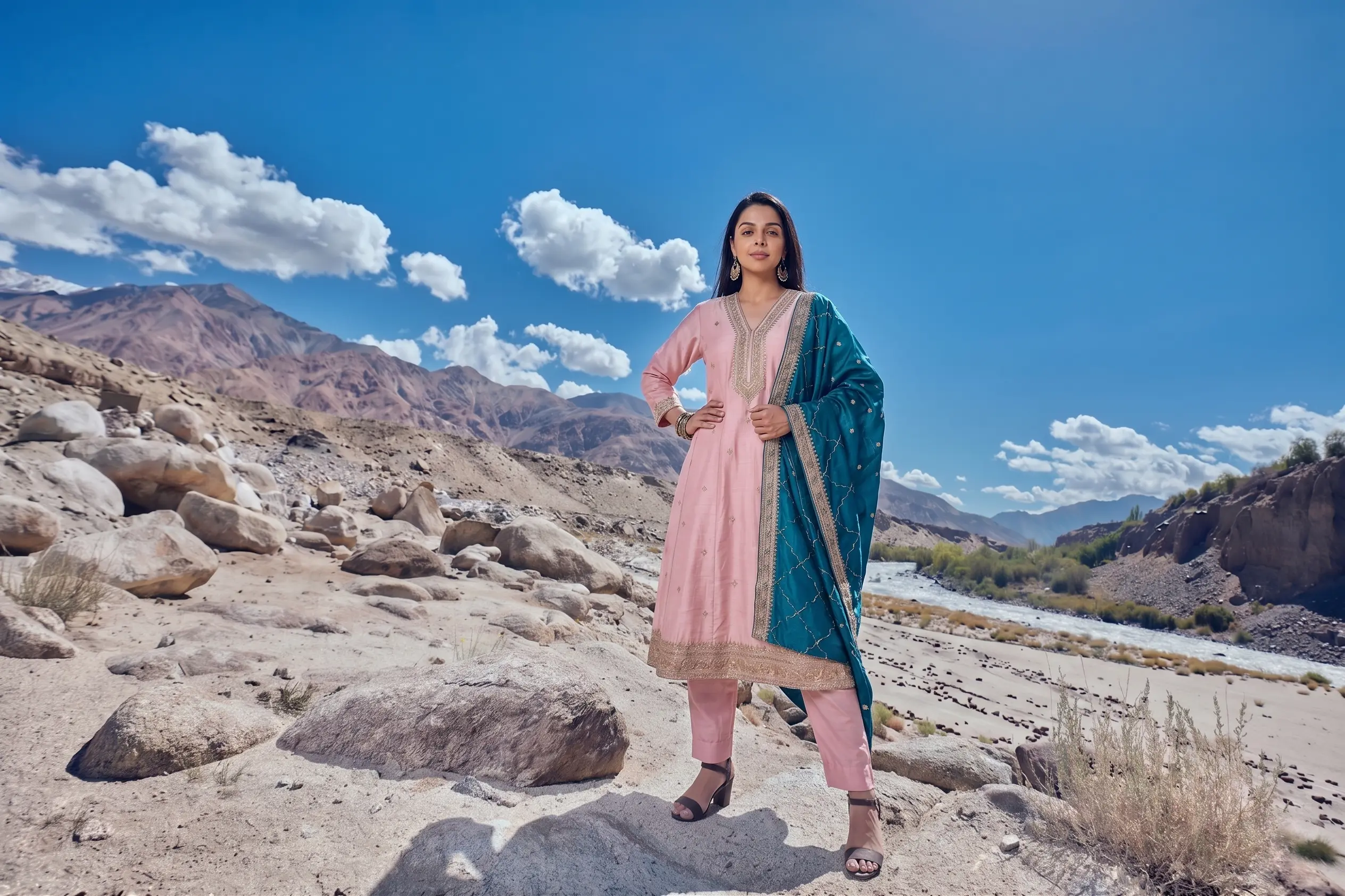
Do AI-generated model photos actually convert?
An honest answer: it depends on what you're replacing, and the studies people quote at you usually aren't measuring what you think.
Is this worth it if I only have 30 products?
Small catalogues are where the cost argument is weakest and the speed argument is strongest. Whether it's worth it depends on which one you need.
The ethics of AI fashion imagery: where we draw the line
Consent, disclosure, representation and accuracy. The four questions worth having a firm position on before you publish, and ours.
How to measure the return on your product photography
Not a case study with invented numbers. A method for measuring what your imagery is actually worth, using data you already have.
Where fashion ecommerce imagery is heading
Volume expectations are rising, channel-native formats are fragmenting, and shoppers are getting better at spotting the difference. What that means for how you produce.