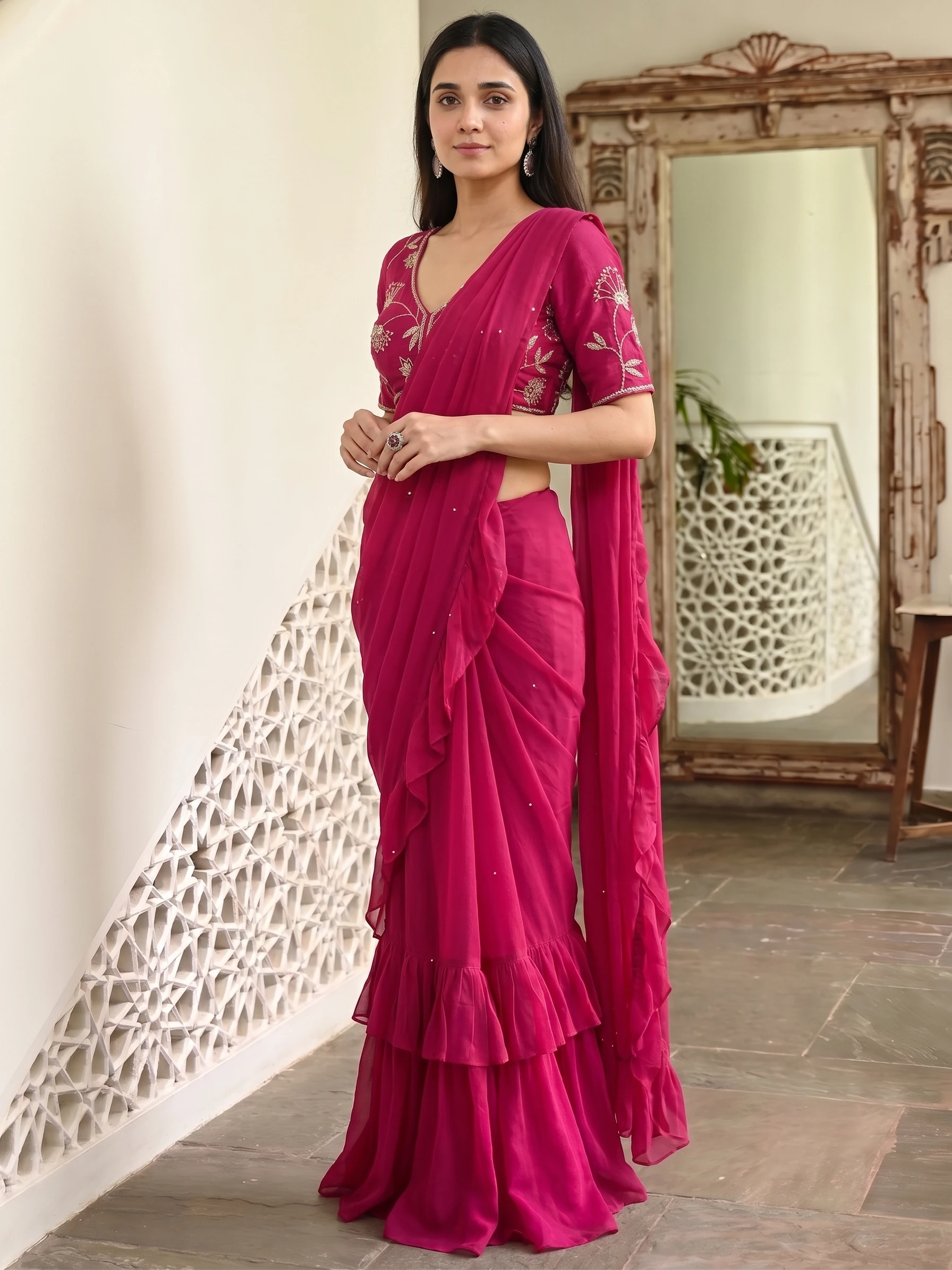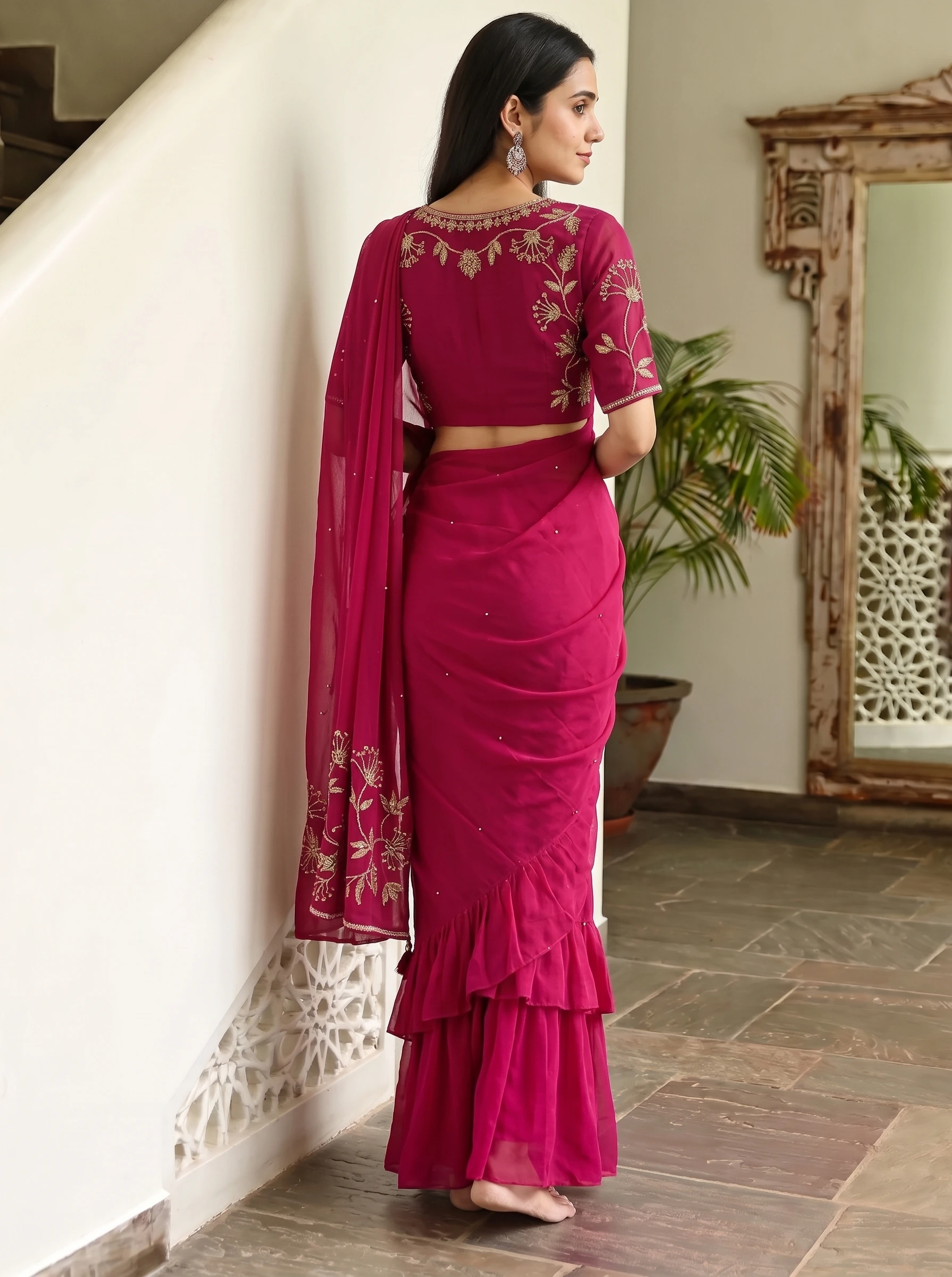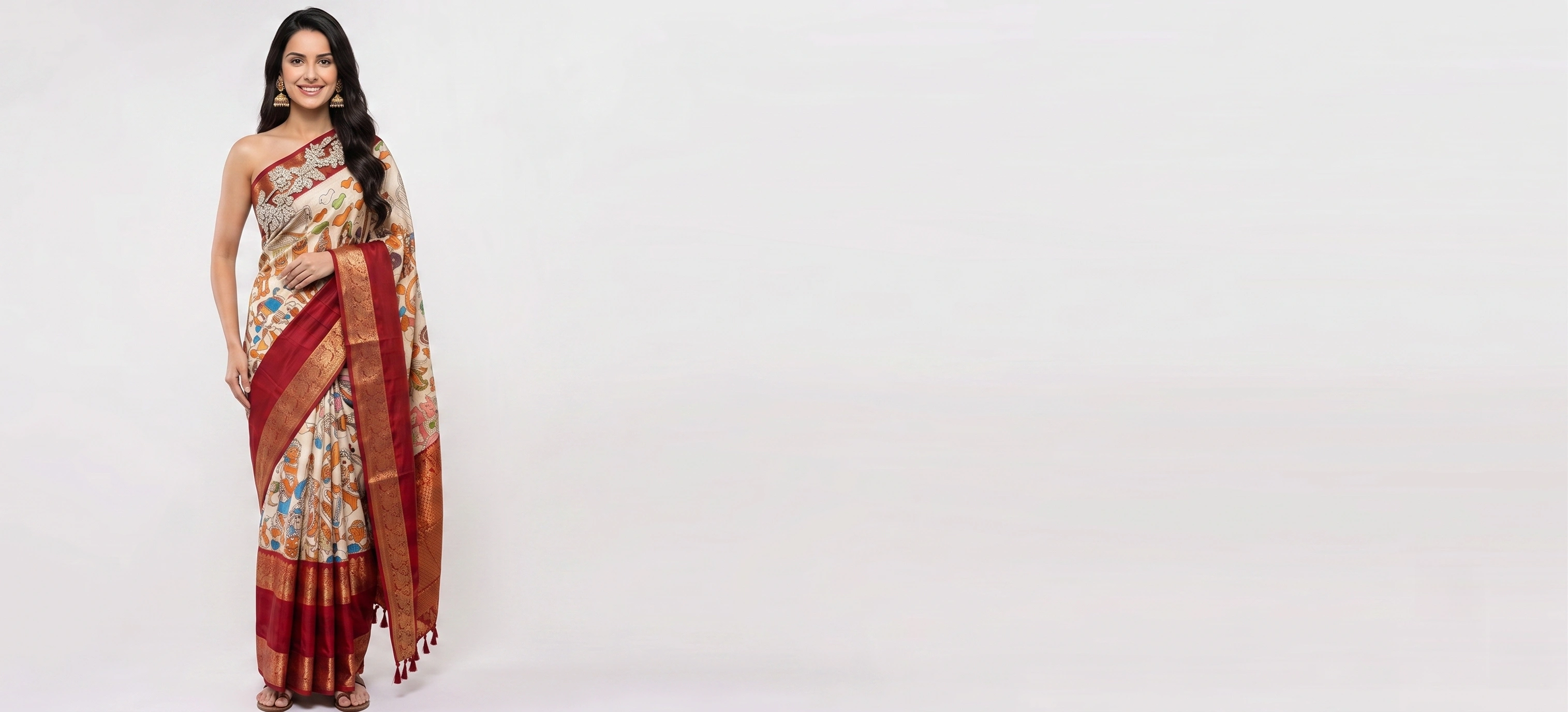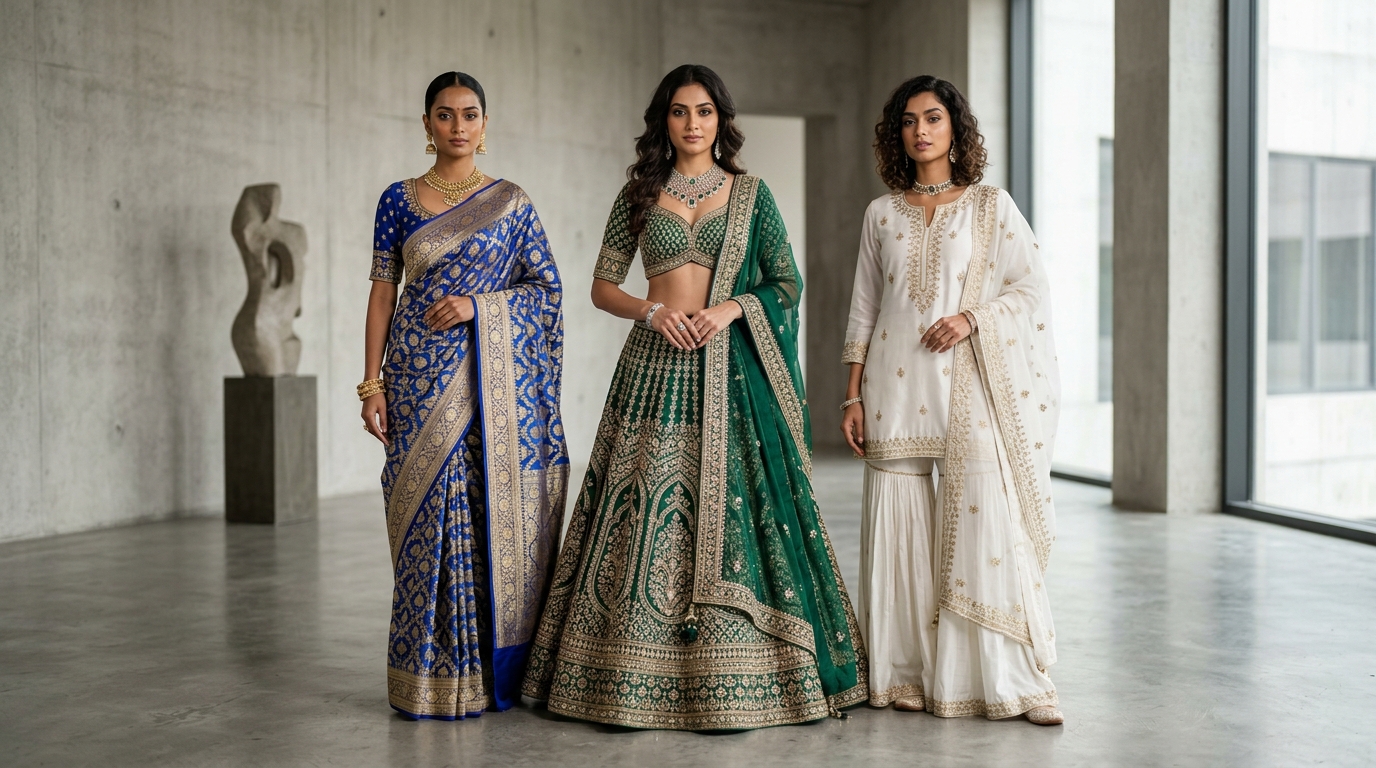
One of the biggest competitive advantages for fast-growing Indian D2C fashion labels is **size inclusivity**. When an online shopper can see how an Anarkali suit or Kanjivaram saree flatters real curves, waistlines, and bust proportions, hesitation disappears.
Why Size-Diverse Catalogues Drive Higher E-Commerce Sales
- 1. Overcomes the 'Will This Suit Me?' Hesitation
Shoppers often abandon carts because they cannot visualize how a garment looks on a non-runway body. Seeing realistic proportions validates the purchasing decision.
- 2. Eliminates Sizing Returns and Sizing Doubts
When customers see how the fabric drapes across realistic hips and shoulders, they choose the correct size on their first order, cutting sizing exchange requests.
- 3. Captures High-Margin Plus-Size Search Demand
Plus-size ethnic wear (3XL to 6XL) is one of the highest-growth, lowest-competition search segments on Google and Amazon India.
Does changing the model size alter the garment's print or color?
No. The garment's print, embroidery, and border scale remain 100% locked and identical across all generated body shapes.
Sources
- Shopify India — D2C Fashion Photography Guide — Shopify D2C best practices; read October 2026
- Meesho Supplier Hub — Best Practices for Fashion Sellers — Meesho seller documentation; read October 2026