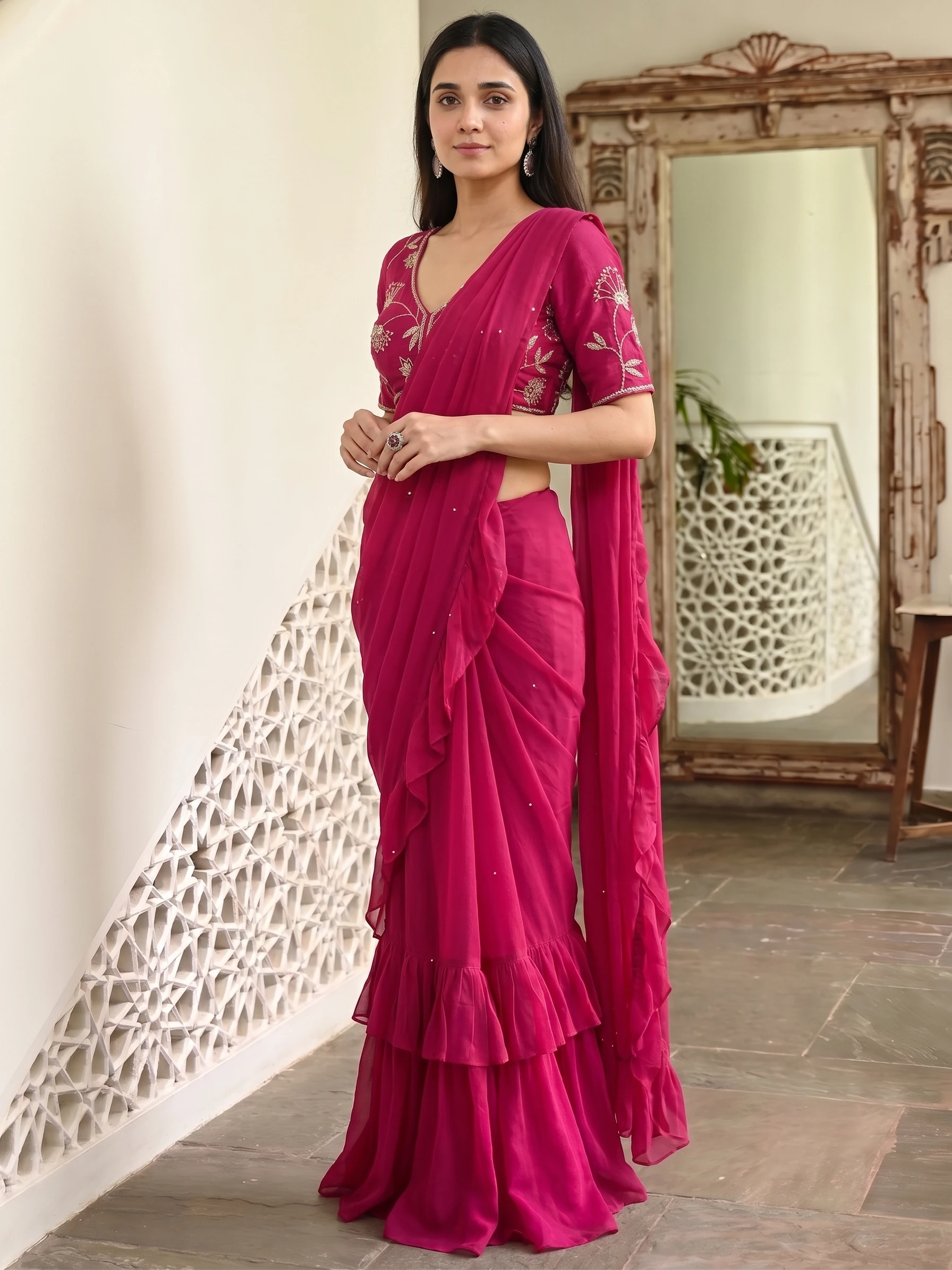
The Indian fashion e-commerce landscape is undergoing its most radical transformation since the smartphone boom. In 2026, consumer attention spans on Instagram, Myntra, and quick-commerce channels require brands to launch fresh visual content weekly. Traditional studio shoots, requiring weeks of coordination, model bookings, and retouching, can no longer sustain this speed.
1. The 4 Key AI Trends Dominating Indian Fashion in 2026
- Trend 1: Demographic Localization at Zero Marginal Cost
A red Banarasi saree marketed in Mumbai converts highest on contemporary Indo-western styling, while the same SKU in Chennai converts higher with traditional temple jewellery and South Indian styling. Generative AI allows brands to shoot both versions in 2 clicks.
- Trend 2: Virtual Pre-Production Sampling
Textile manufacturers in Surat and Jaipur now generate on-model lookbooks before manufacturing large fabric bolts, collecting pre-orders and B2B wholesale commitments upfront.
- Trend 3: Channel-Specific Ratio & Framing Automation
Automating 3:4 crops for Myntra/AJIO, 1:1 squares for Amazon/Flipkart, and 9:16 vertical frames for Instagram Reels and Meta ads from a single master upload.
- Trend 4: Eliminating the Studio Bottleneck
Replacing ₹50,000/day studio rentals and physical logistics with automated web studios, freeing capital for performance marketing and fabric innovation.
| Metric | Traditional Fashion Workflow (2020-2024) | AI-Powered Studio Workflow (2026) |
|---|---|---|
| Time to Launch 20 SKUs | 14 to 21 Days | 30 to 60 Minutes |
| Cost Per Finished SKU | ₹1,500 – ₹3,000 | ₹35 – ₹88 |
| Model Demographic Diversity | Limited to 1–2 booked models | 100+ inclusive Indian & global models |
| Creative Iteration Flexibility | Impossible without re-shooting | Instant (change pose, scene, background anytime) |
How do Indian fashion brands maintain brand identity with AI?
Vastralook allows brands to save custom model personas, consistent studio lighting presets, and automated logo watermarking so every SKU across 500+ listings maintains unified brand aesthetic.
Can AI handle complex Indian ethnic embroidery?
Yes. Vastralook's Drape Studio uses specialized neural edge-detection algorithms engineered specifically for zari, gota patti, mirror work, and intricate weave borders.