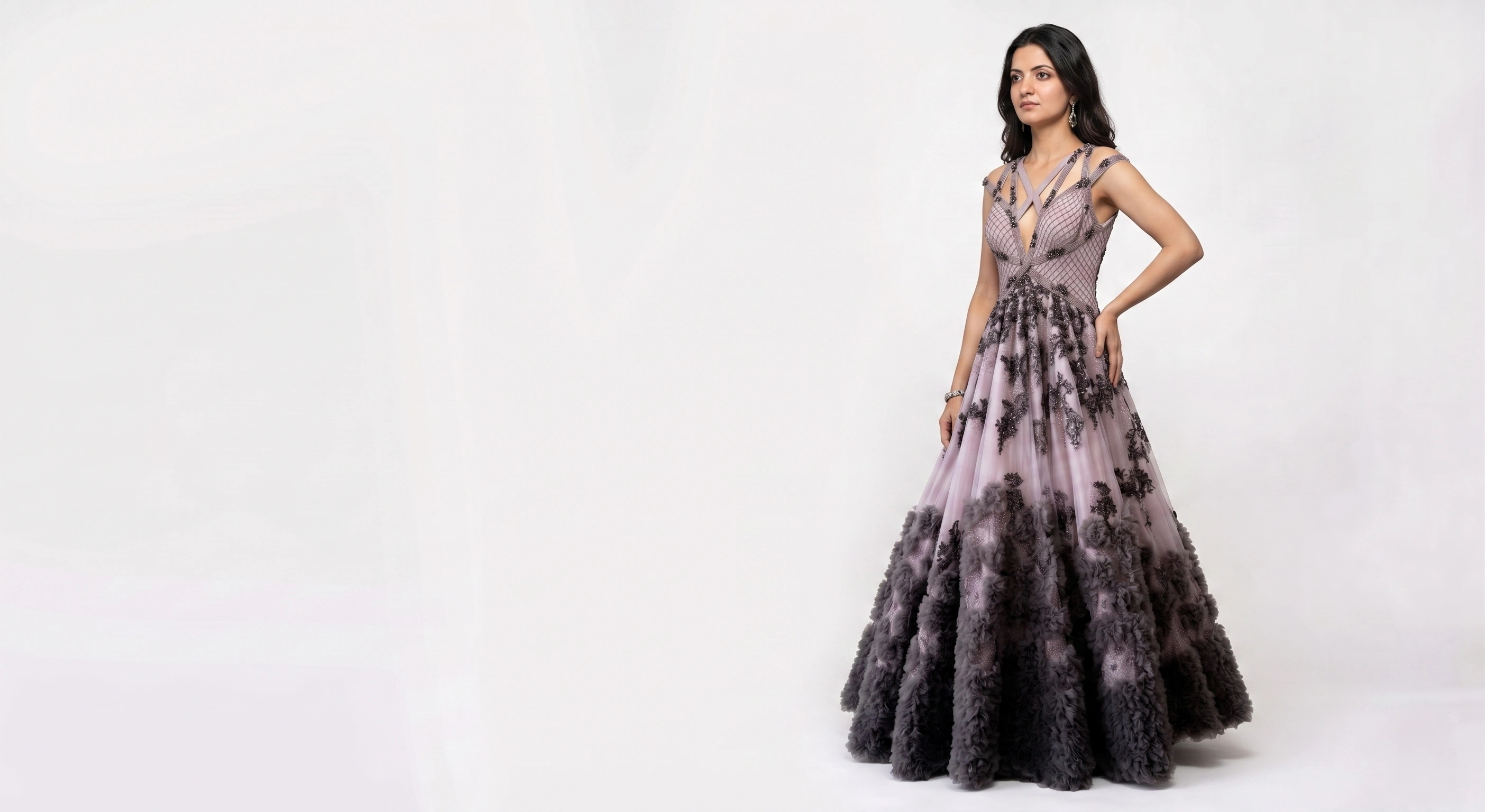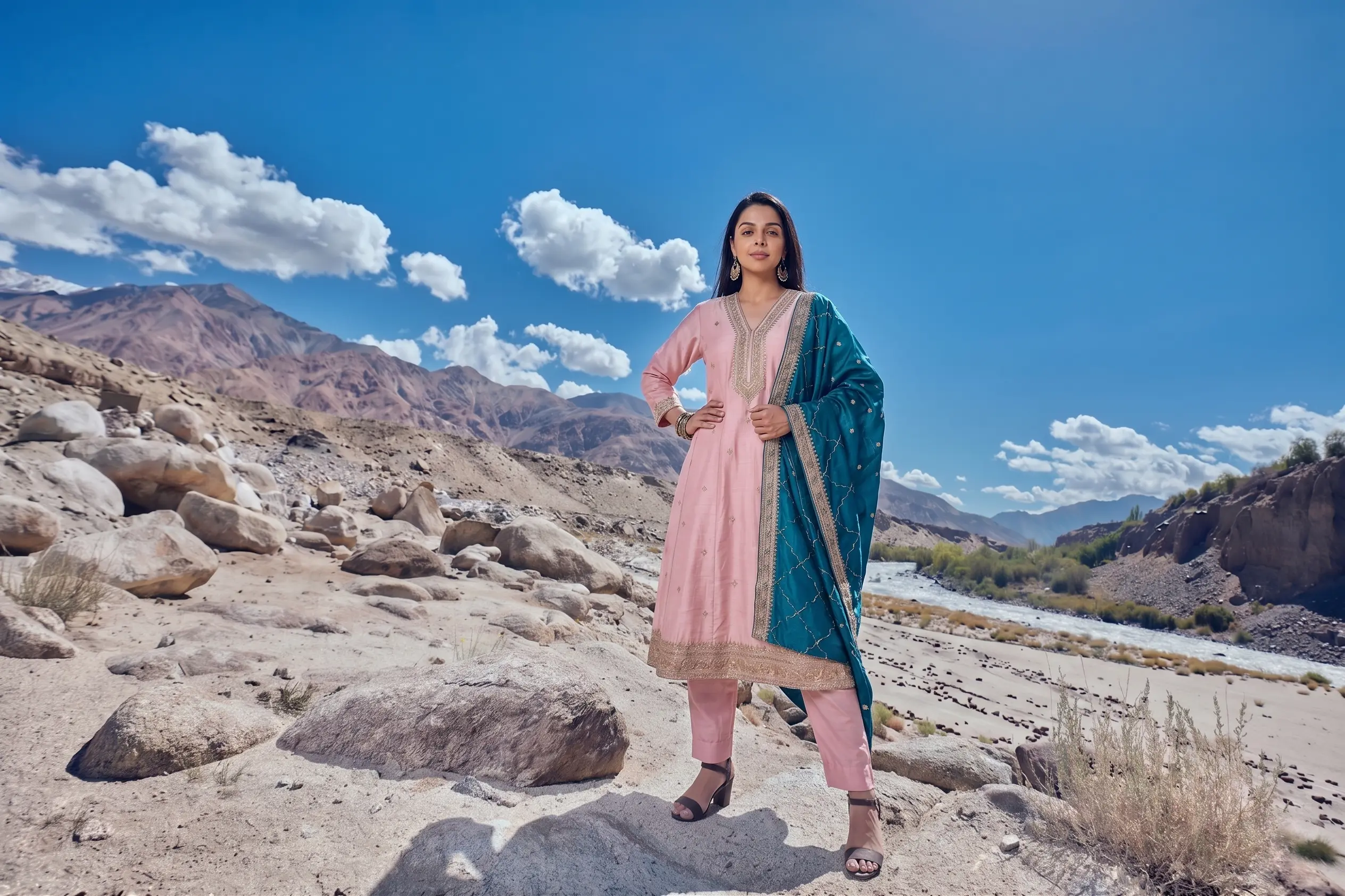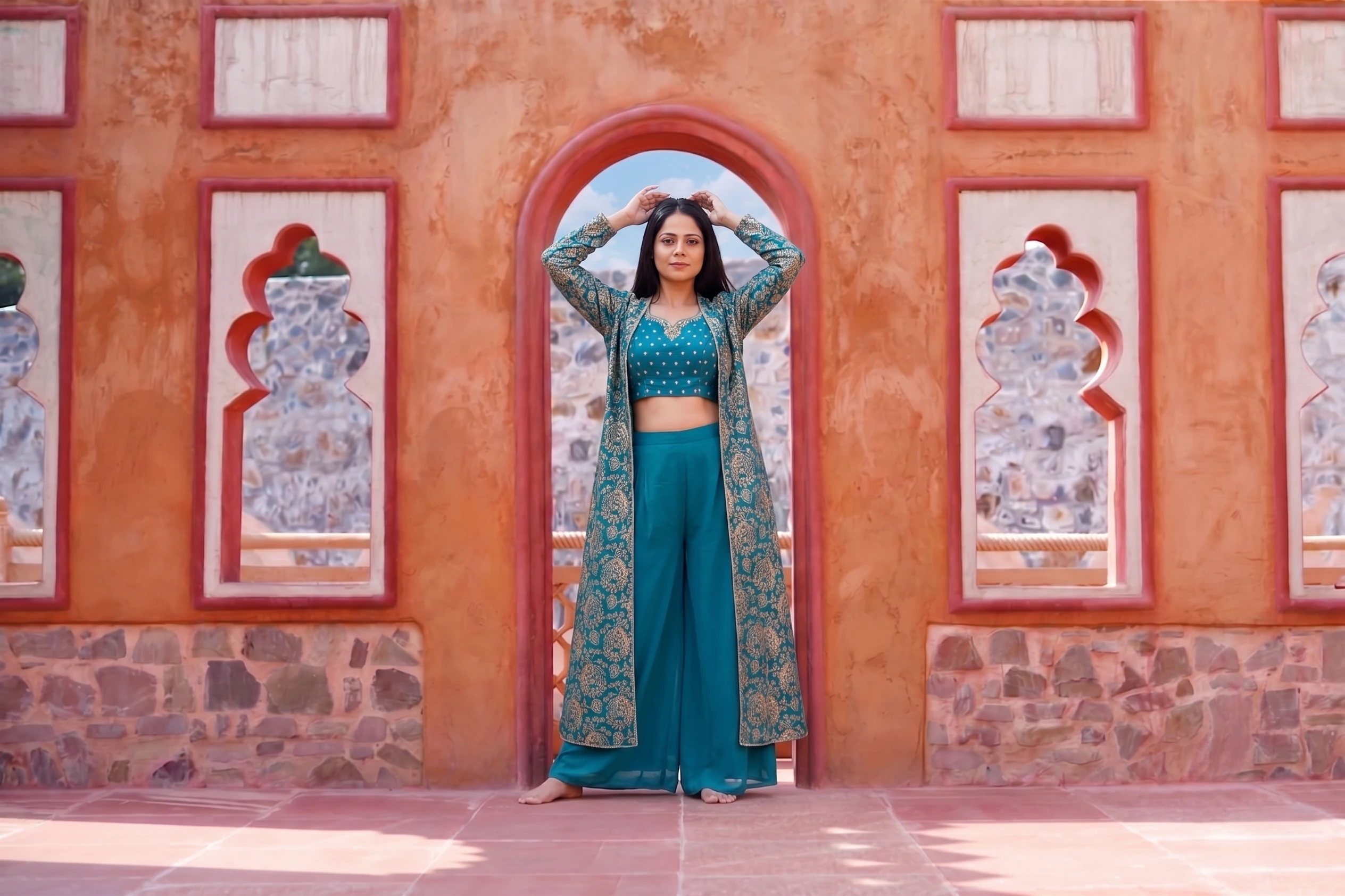
Predictions in this category age badly, so here are the shifts already visible in how brands produce, rather than guesses about what is coming.
The image count per product keeps climbing
A product page that had two images five years ago has six now, and shoppers swipe through them. This is the change with the biggest production consequence: it multiplies the asset count without multiplying the product count, and most photography budgets were sized for the old number.
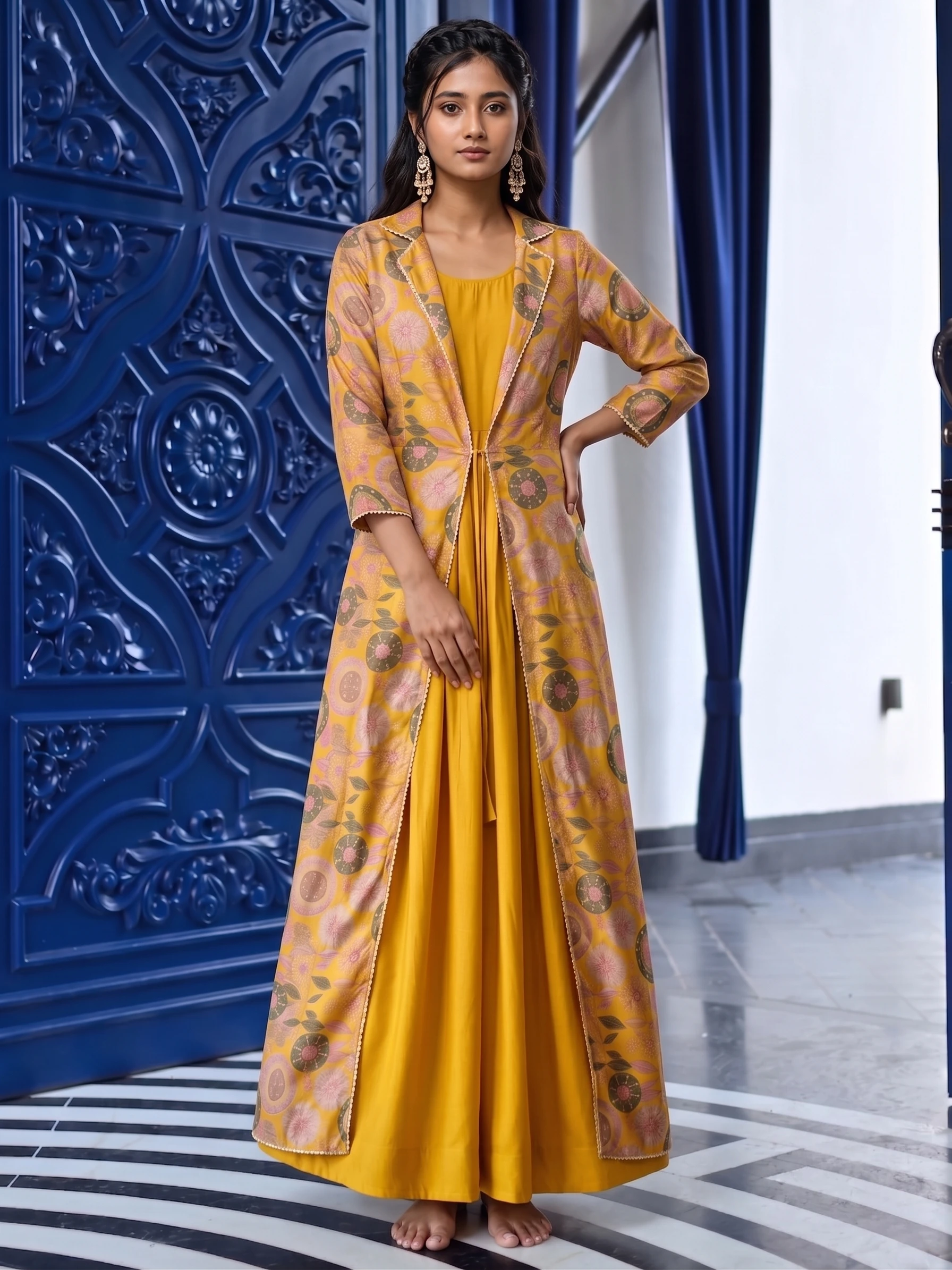
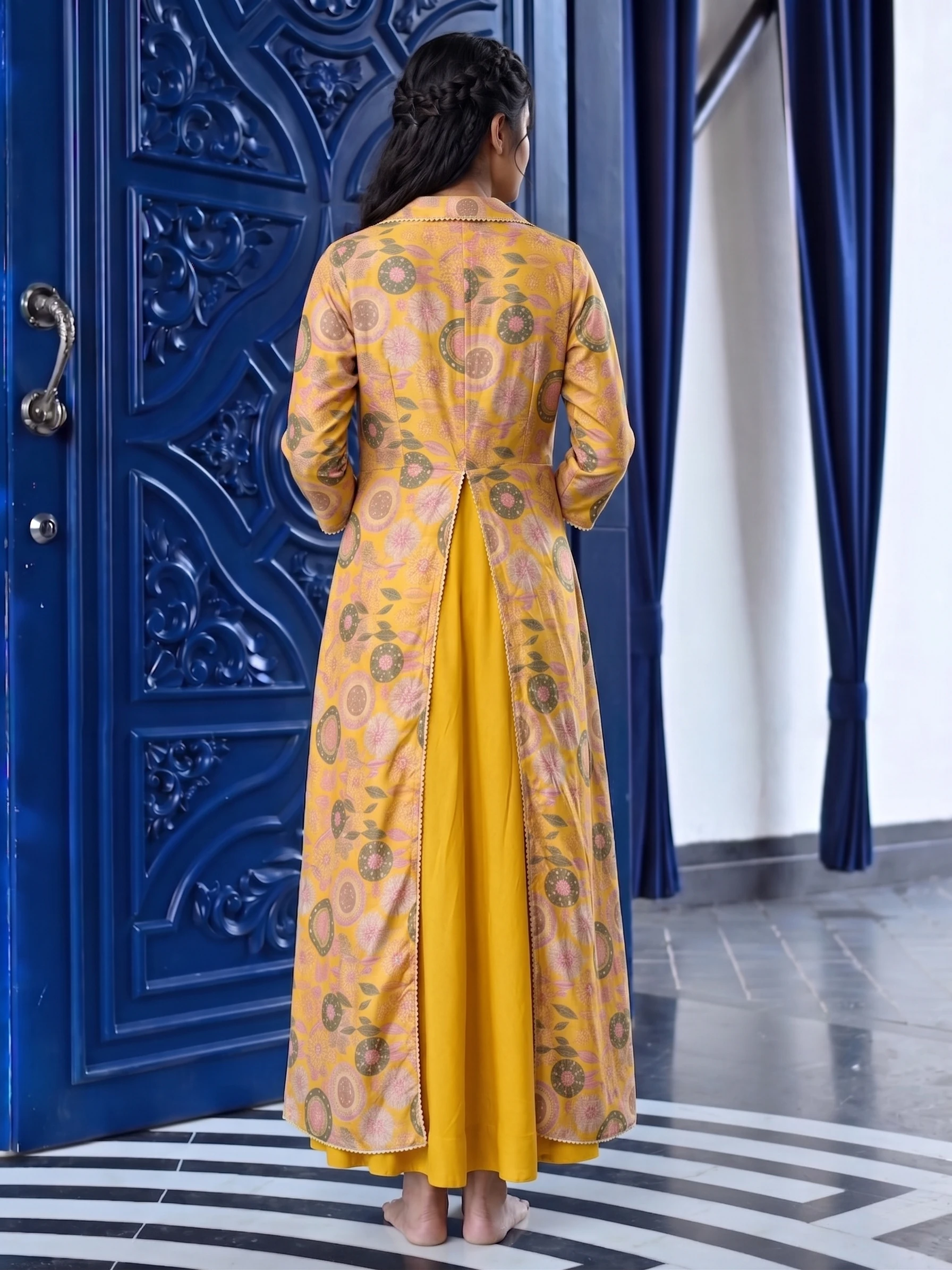
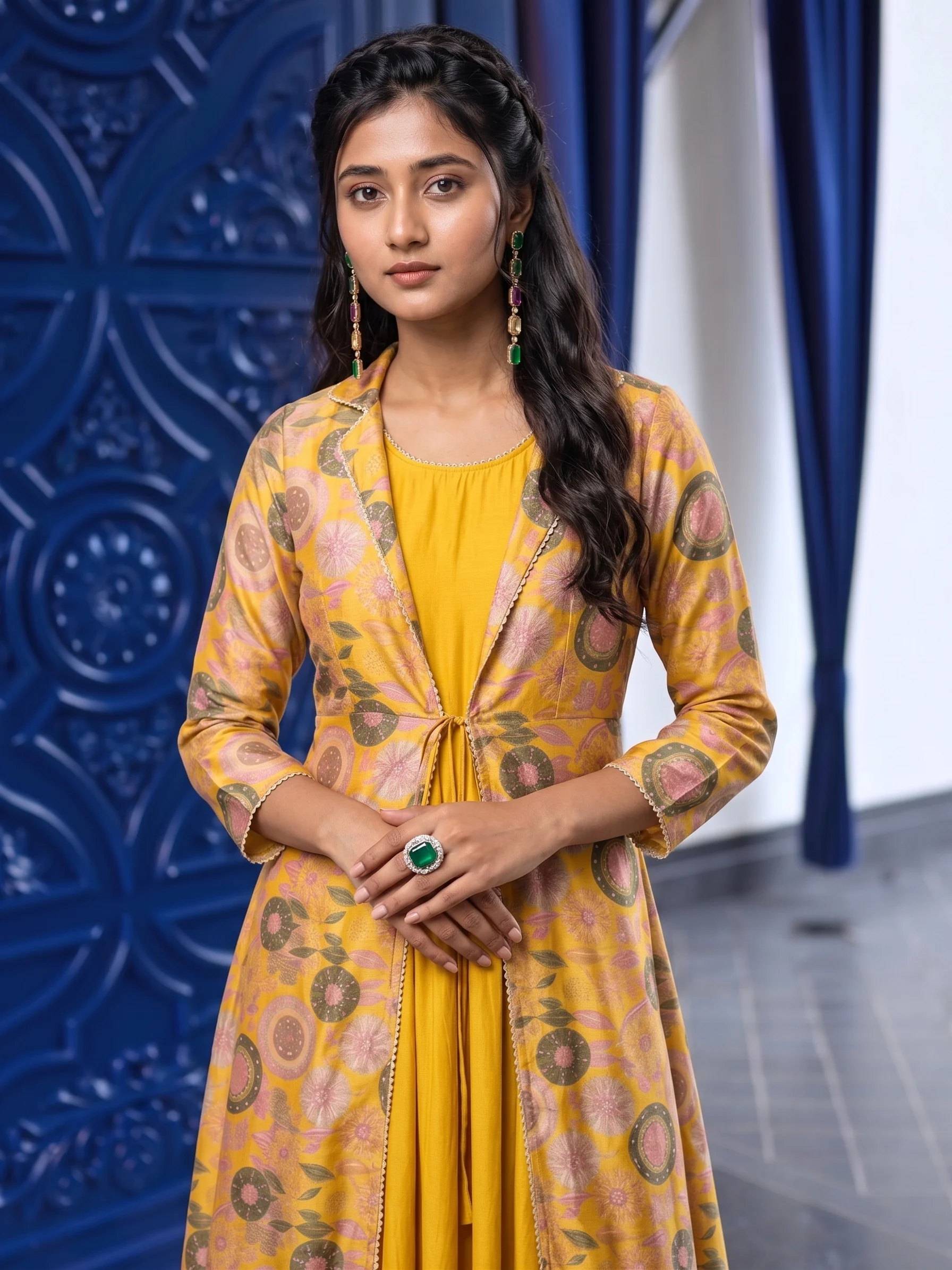
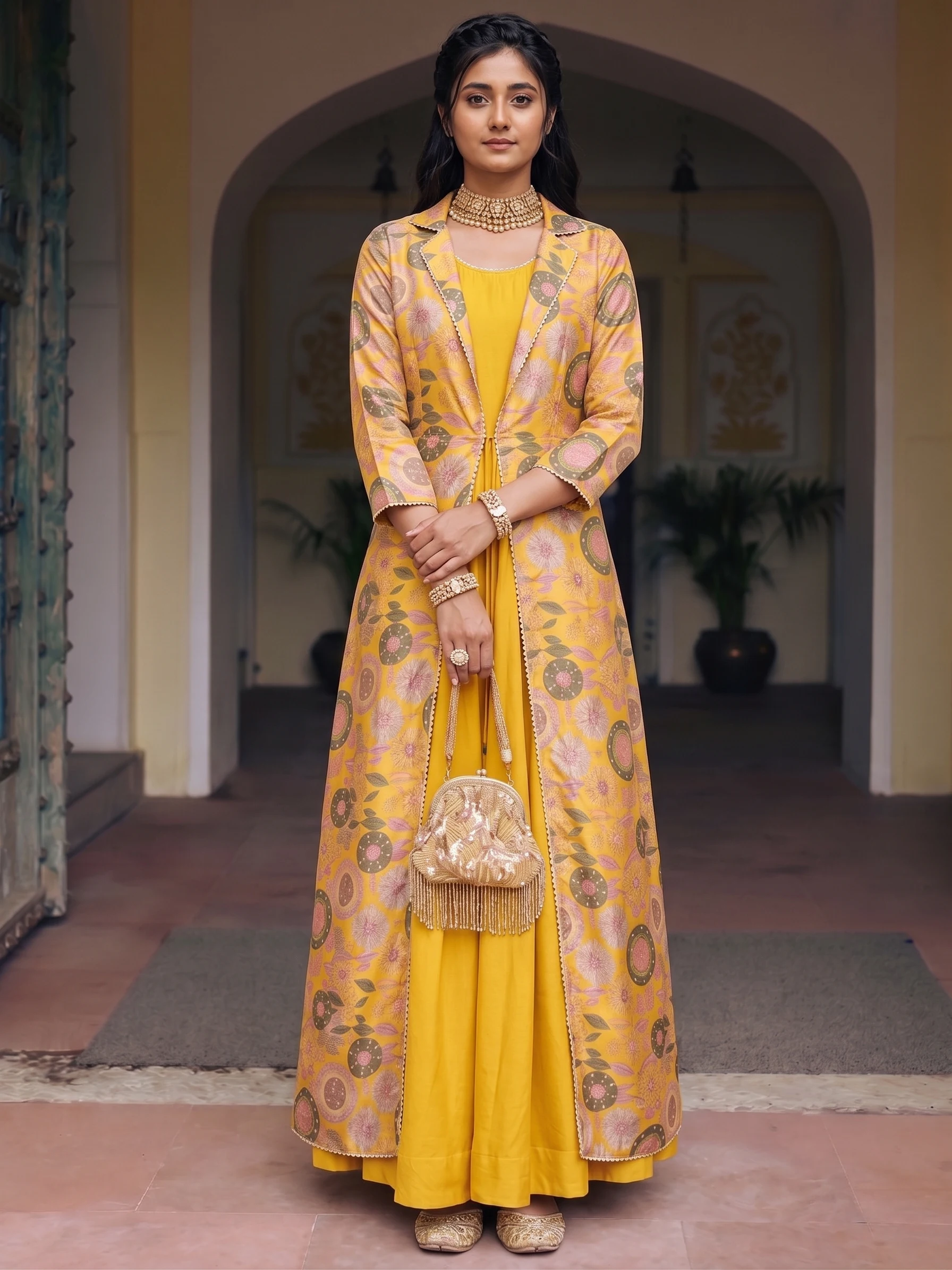
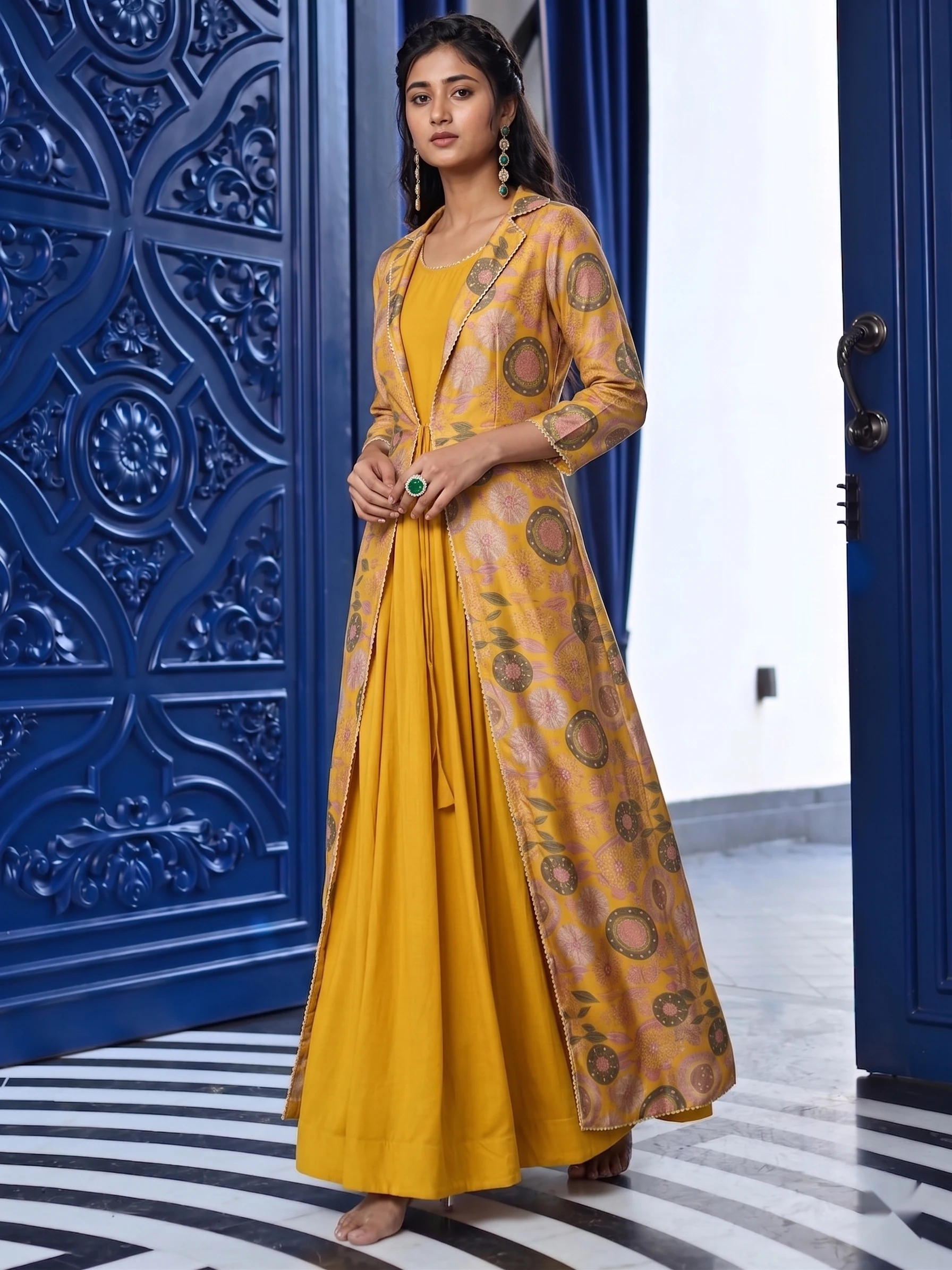
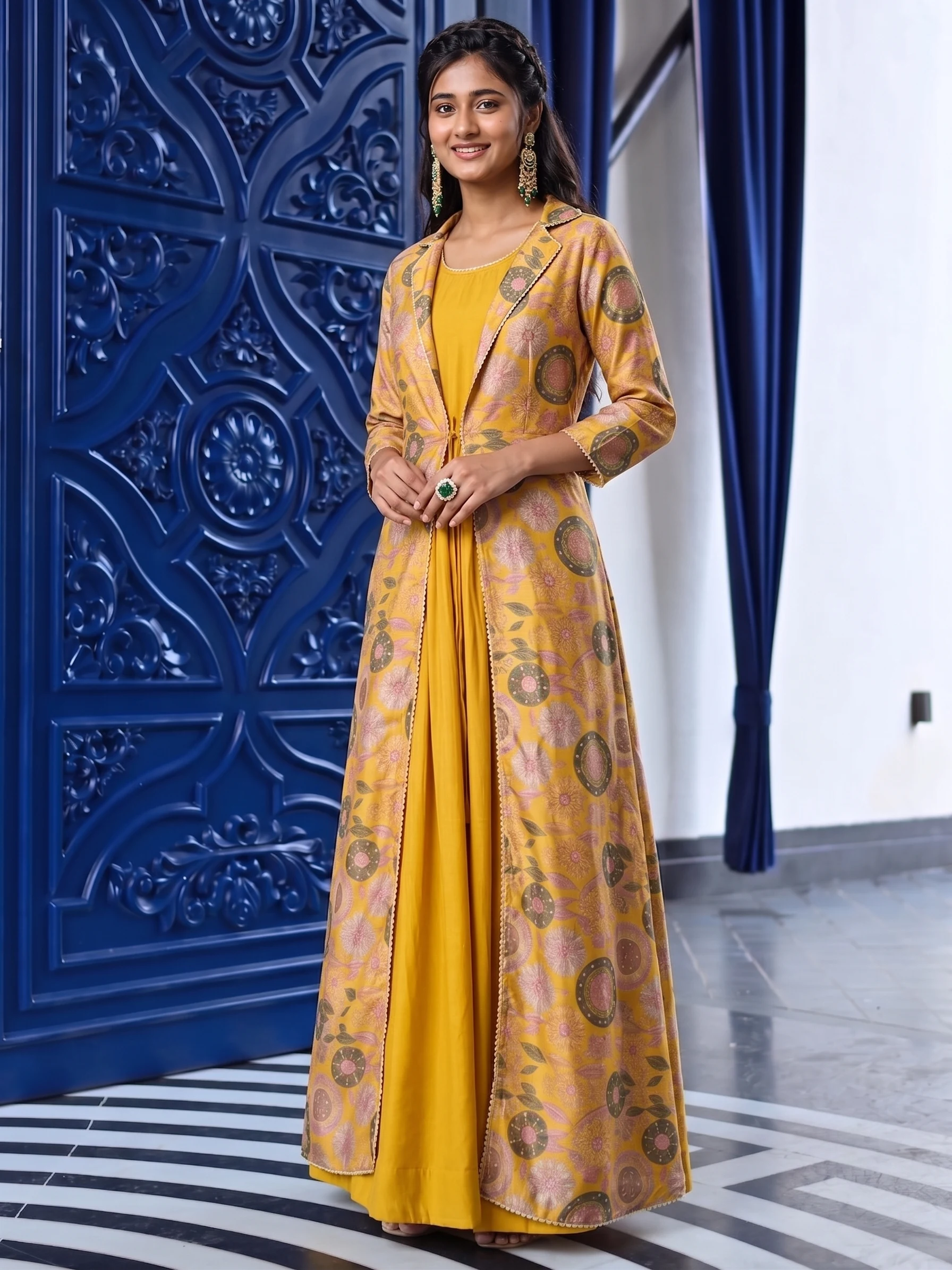
Marketplace primary, product page, feed post, story, banner, detail crop. Five years ago two of these would have been enough — the count went up without the photography budget moving, which is the squeeze most teams are actually feeling.
Formats are fragmenting by channel
The same product now needs a square marketplace primary, a 4:5 feed post, a 9:16 story, a wide banner and a detail crop. Producing one master and cropping it down is the obvious approach and it is why so much brand imagery looks awkward on at least one channel. Composing per destination is becoming the default for teams that can afford to.
Video is a floor, not a differentiator
Short-form product video has moved from a nice-to-have to an expectation in several categories. Most brands are not resourced for it, and the gap between brands that produce motion routinely and brands that produce it occasionally is widening.
The constraint has shifted from "can we afford a good image" to "can we produce forty formats of it before the drop".
Shoppers are getting better at reading images
Audiences have become noticeably more literate about generated imagery — quicker to spot it, and quicker to comment. That cuts both ways. It punishes sloppy work and images that overclaim, and it rewards brands that are straightforward about how they produce. The brands taking damage here are the ones that got caught rather than the ones that disclosed.
Personalisation is technically possible and mostly unused
Showing a garment on a model closer to the shopper's own body is now a production question rather than an impossible one. Very few brands do it, partly because the merchandising and privacy implications are unresolved. It is the most interesting open space in the category.
What to do about any of this
The strategic read is that image production is becoming a throughput problem rather than a craft problem. The brands doing well are not the ones with the most beautiful single images — they are the ones who can produce a coherent, accurate, channel-appropriate set for every product, every drop, without it becoming a scheduling crisis. Build for that and the individual images take care of themselves.