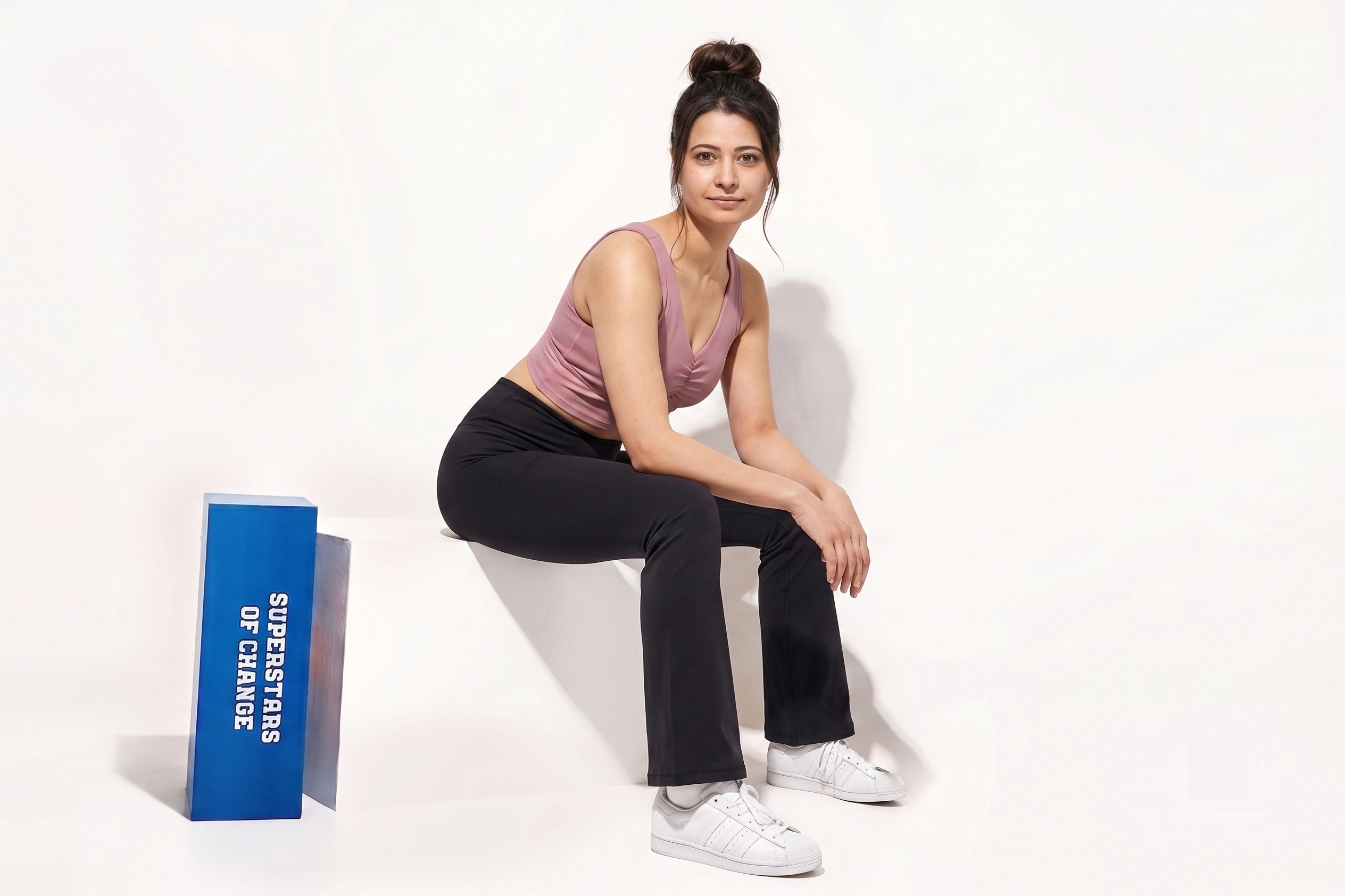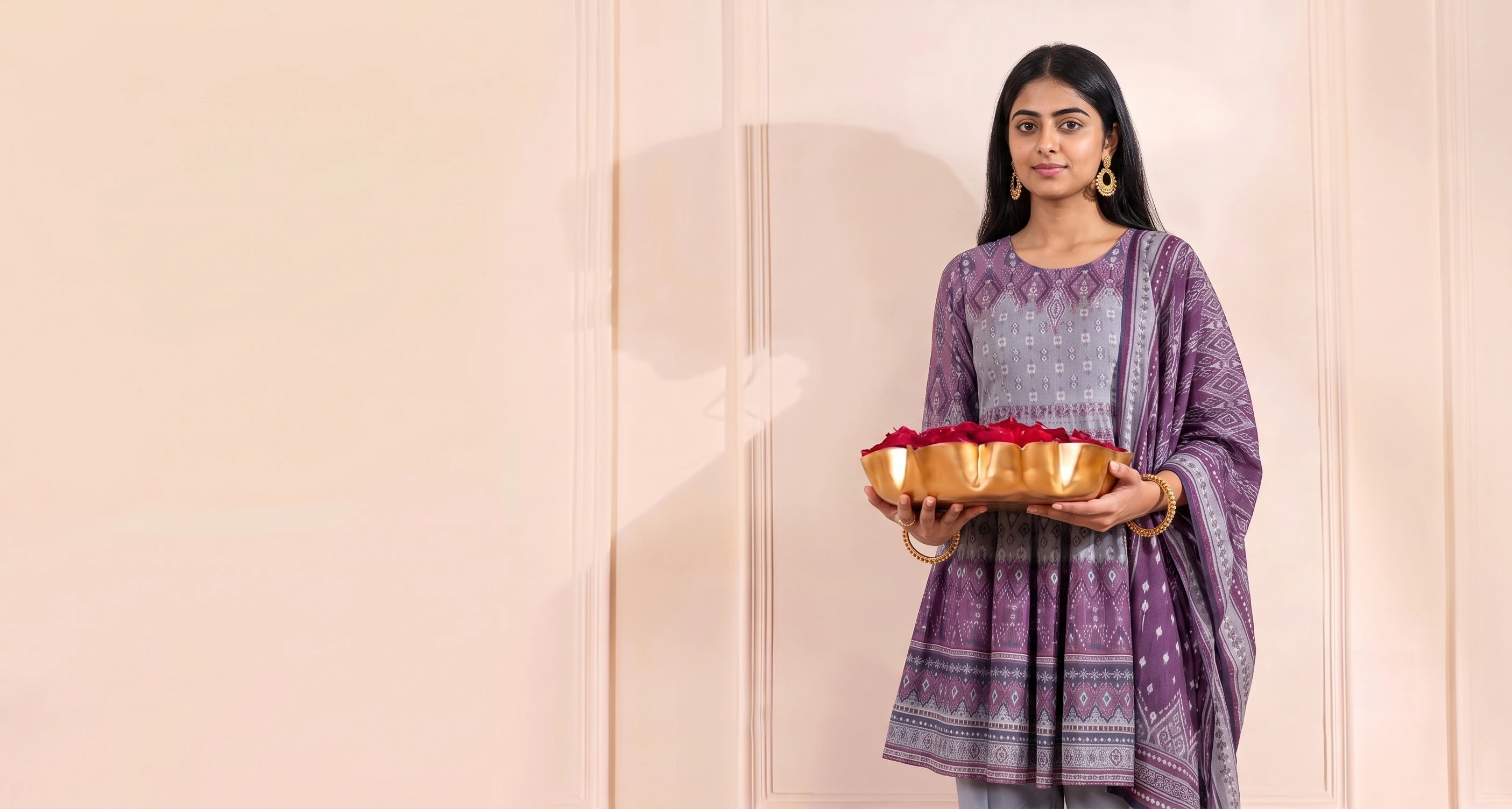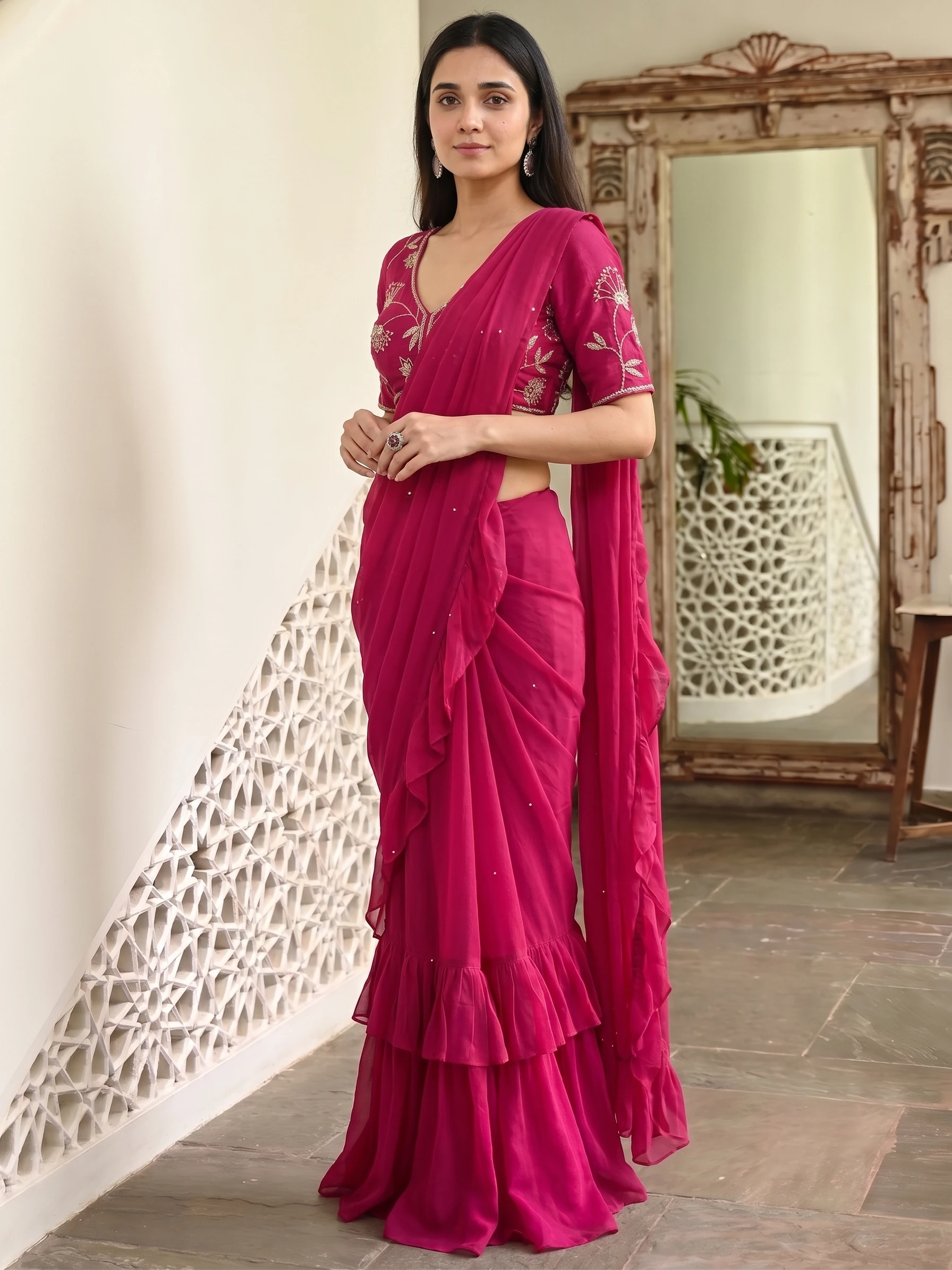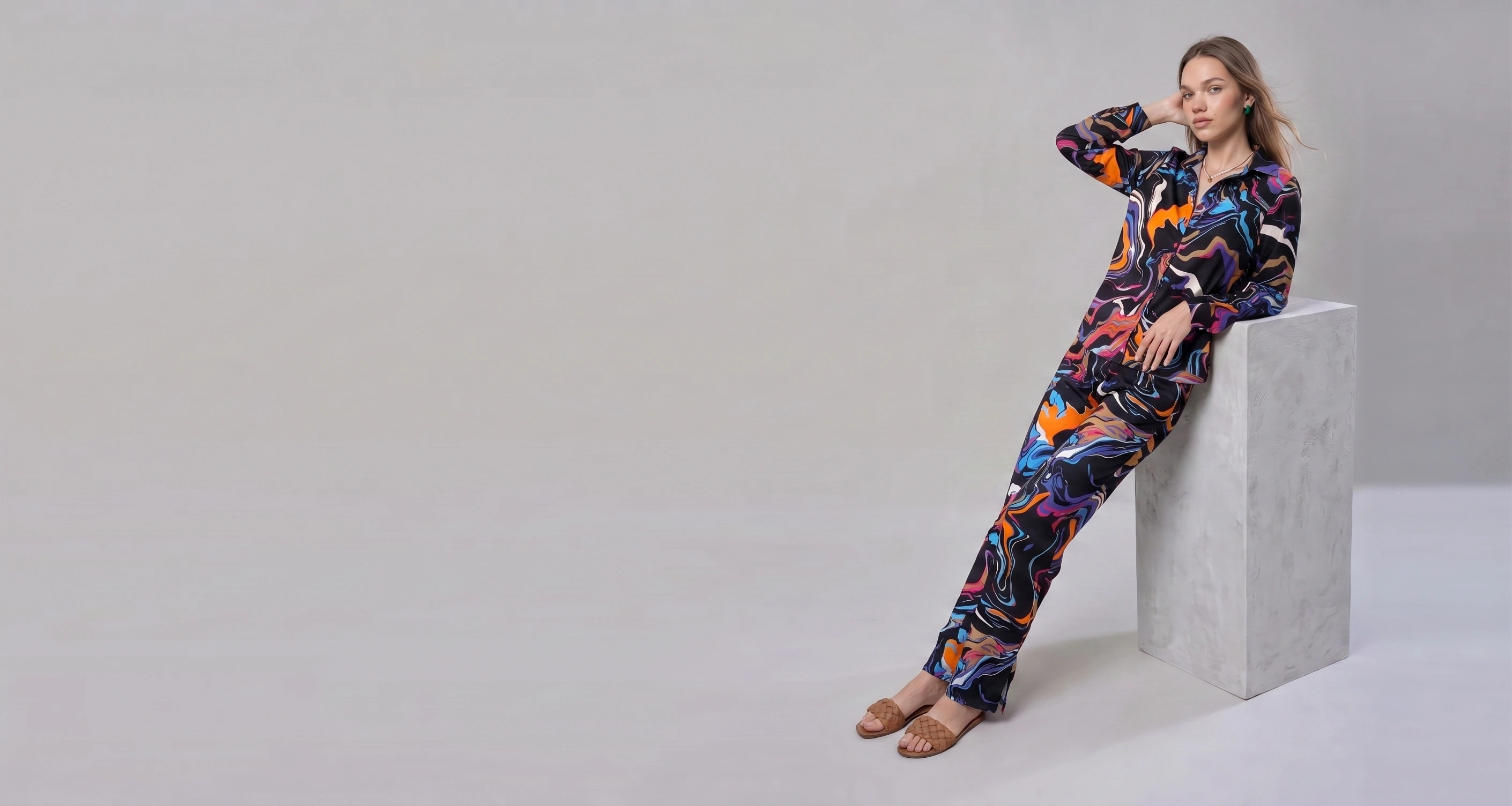
The gap between a generated image and a usable one is usually small and specific: the background is wrong for this channel, the crop is off, the colour needs to match a brand palette. Traditionally that means either re-generating and hoping, or exporting to an editor and losing the connection to the source.
Direct manipulation, not description
The Studio is a canvas. You select the thing you want to change and change it. Background swaps, garment recolouring, branding and crops all apply live, and the preview is the export — there is no separate render step where the result drifts from what you approved.
This matters more than it sounds. Prompt-based editing is a negotiation: you describe a change, the model reinterprets the whole image, and you compare two versions to see what else moved. Direct editing changes one thing and leaves the rest alone.
- Pick the garment — your own photo, not a description of something like it.
- Pick the model, and keep it for the whole category.
- Pick a package: setting, light, framing and mood, already composed.
- Adjust what you can see — background, pose, crop, colour.
- Generate variations, select, and export at the size your channel needs.
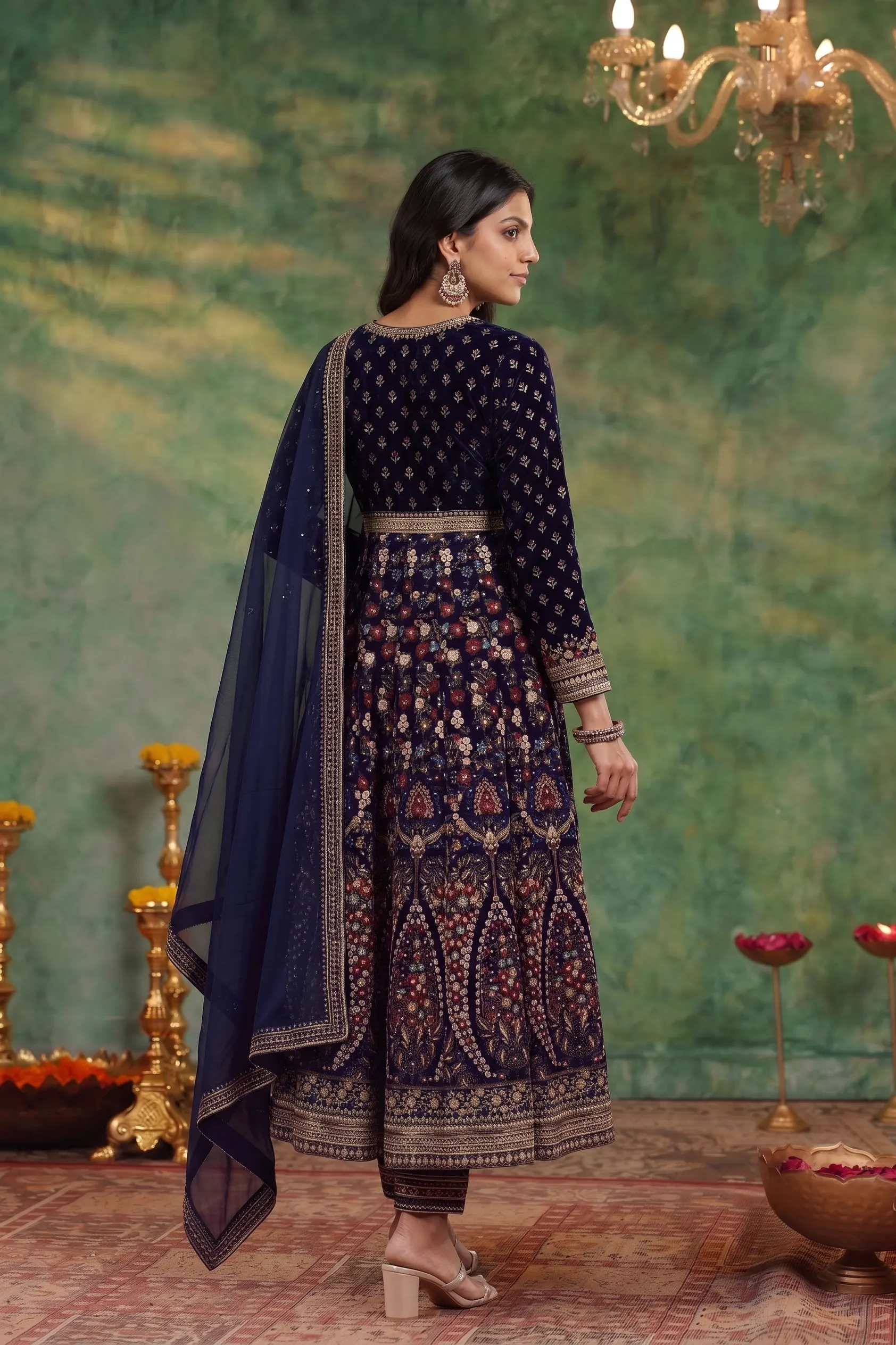
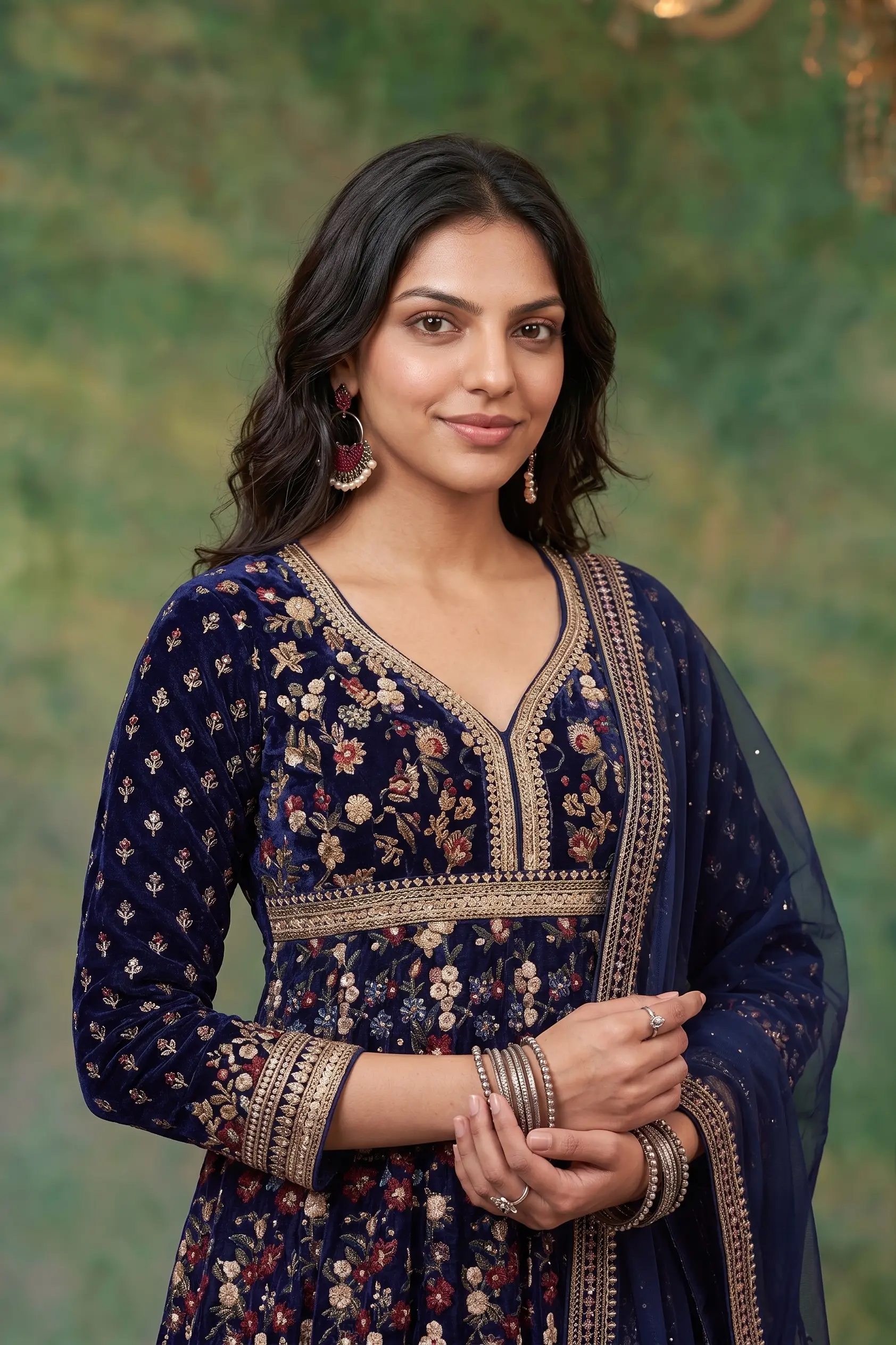
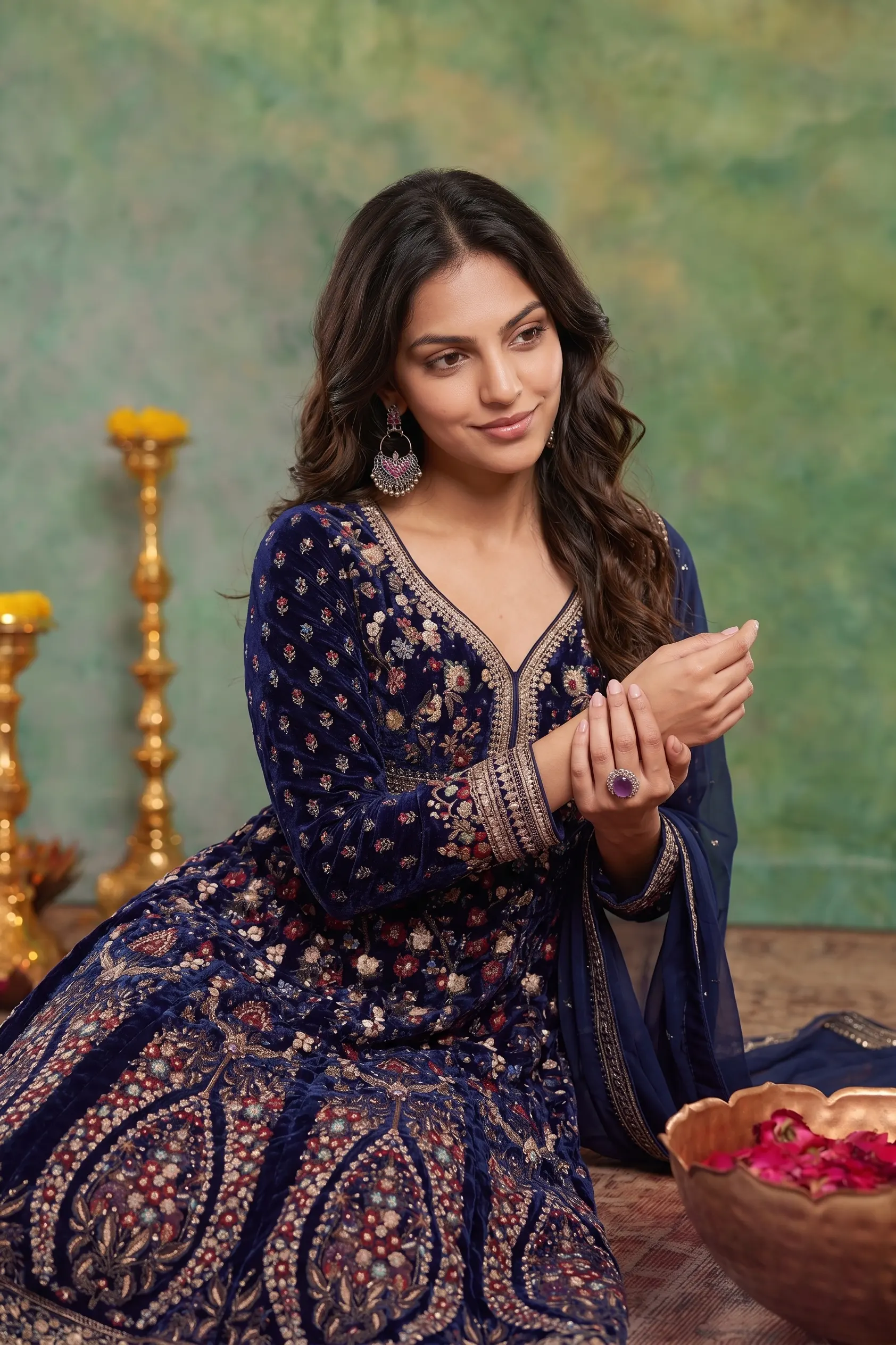
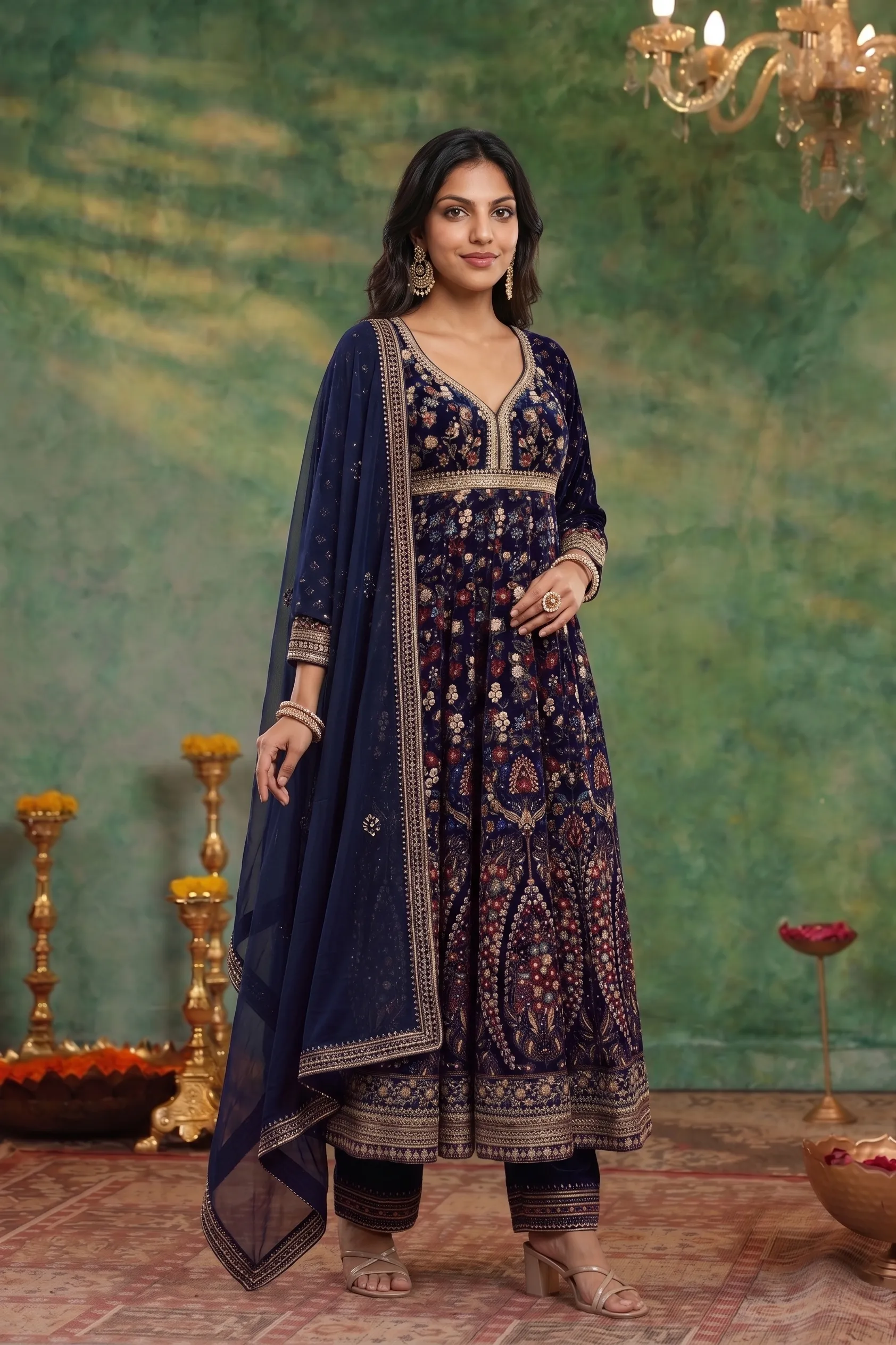
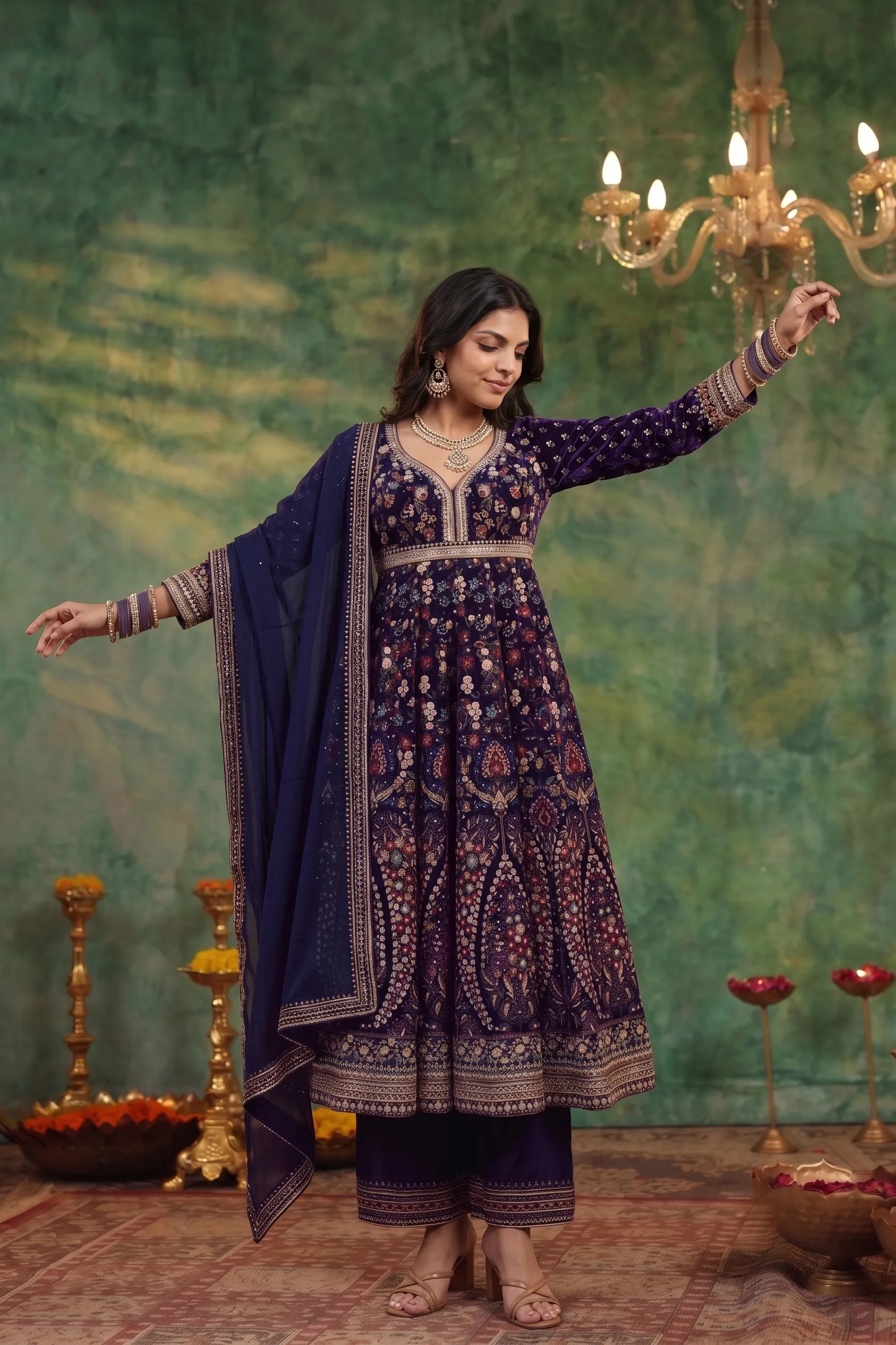
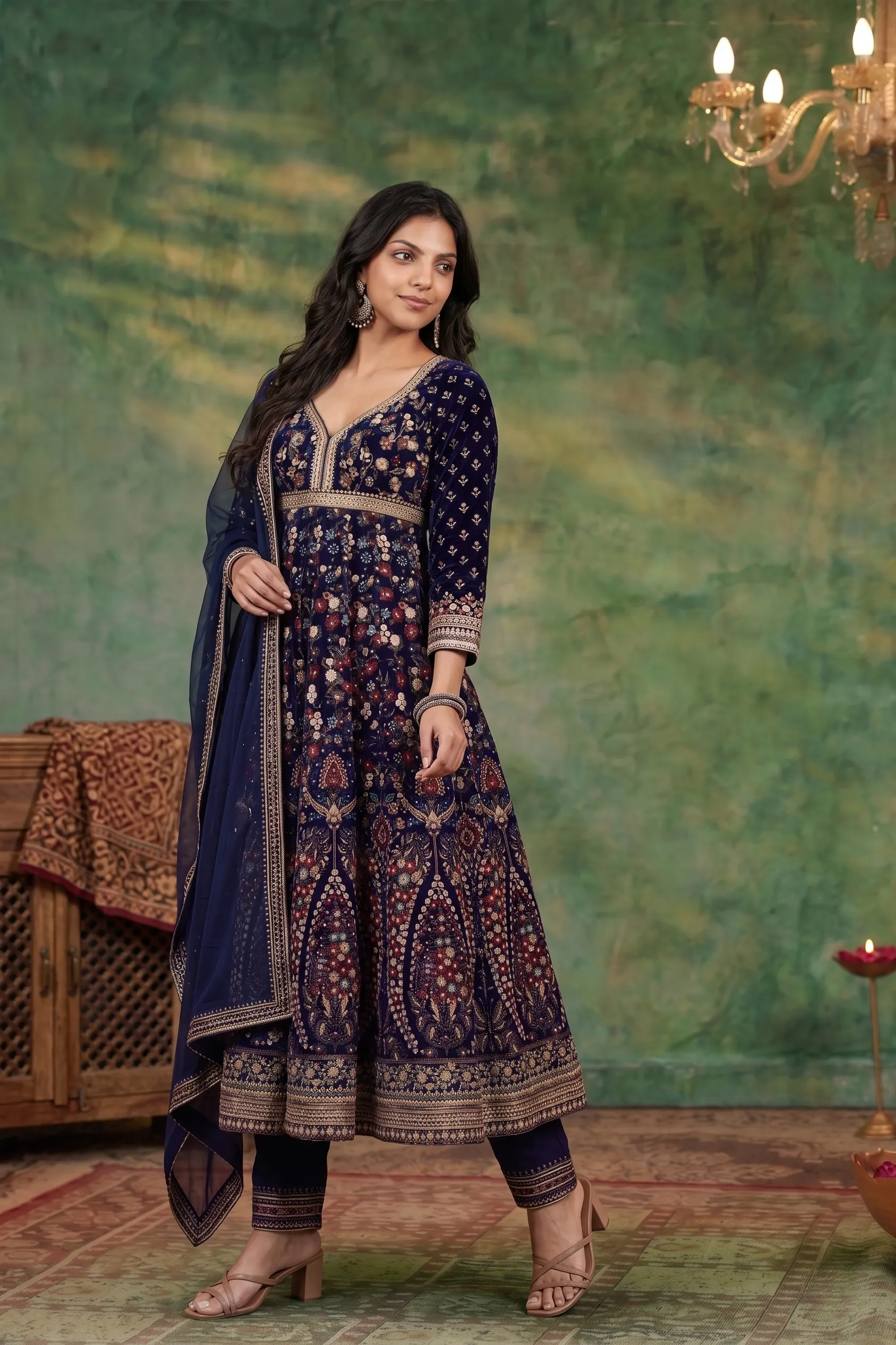
Each of these is the same garment with something changed on the canvas rather than rewritten in a description. That is the whole argument for direct manipulation: exploring costs almost nothing, so teams iterate instead of settling.
What you can change
- Background and scene, including swapping to a plain marketplace-compliant backdrop.
- Garment colour, for generating colourways from a single source garment.
- Crop and aspect ratio per channel — PDP, social, marketplace.
- Brand overlays and logo placement.
Built for people who know the product
The point of removing prompts is not simplicity for its own sake. It is that the person who knows how the garment should look — the merchandiser, the brand owner — can make the decision directly instead of describing it to someone who knows the tool. That shortens the loop from days to minutes.