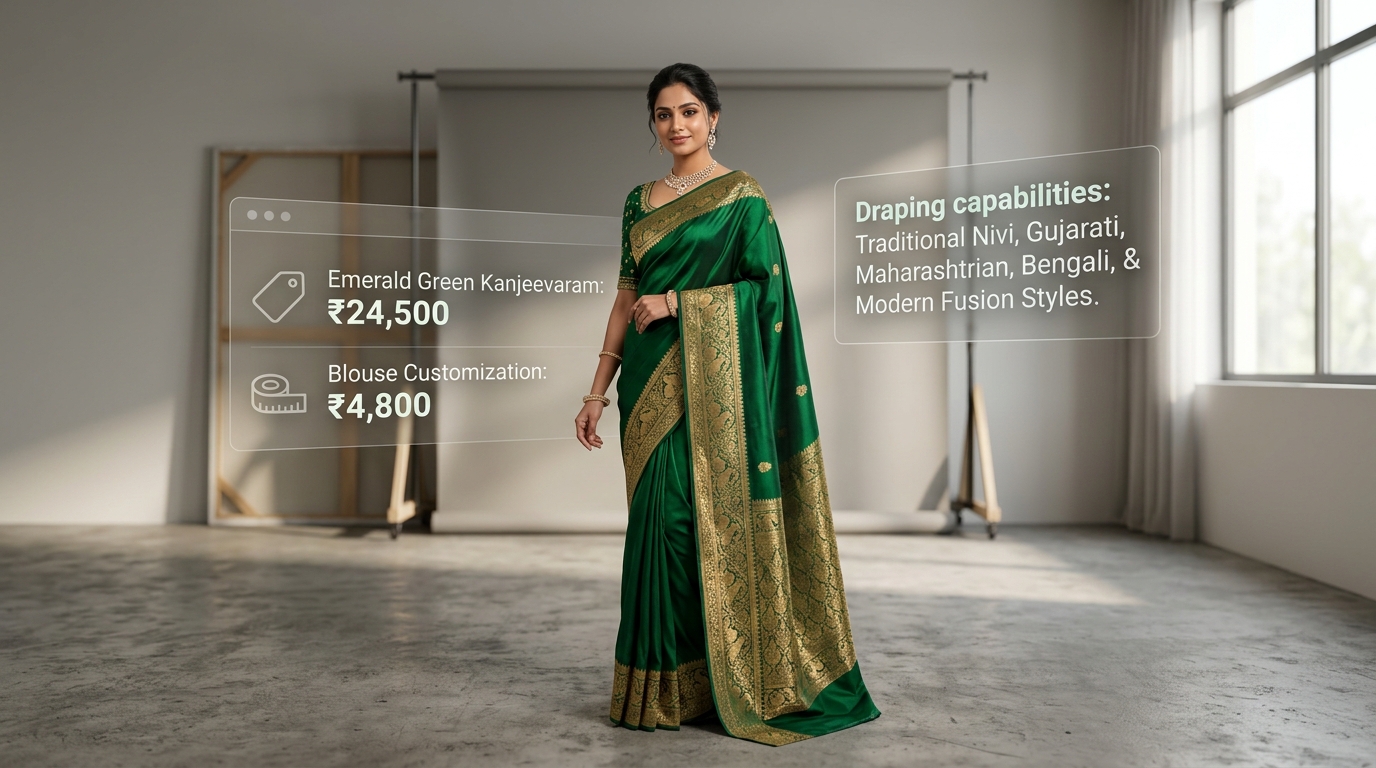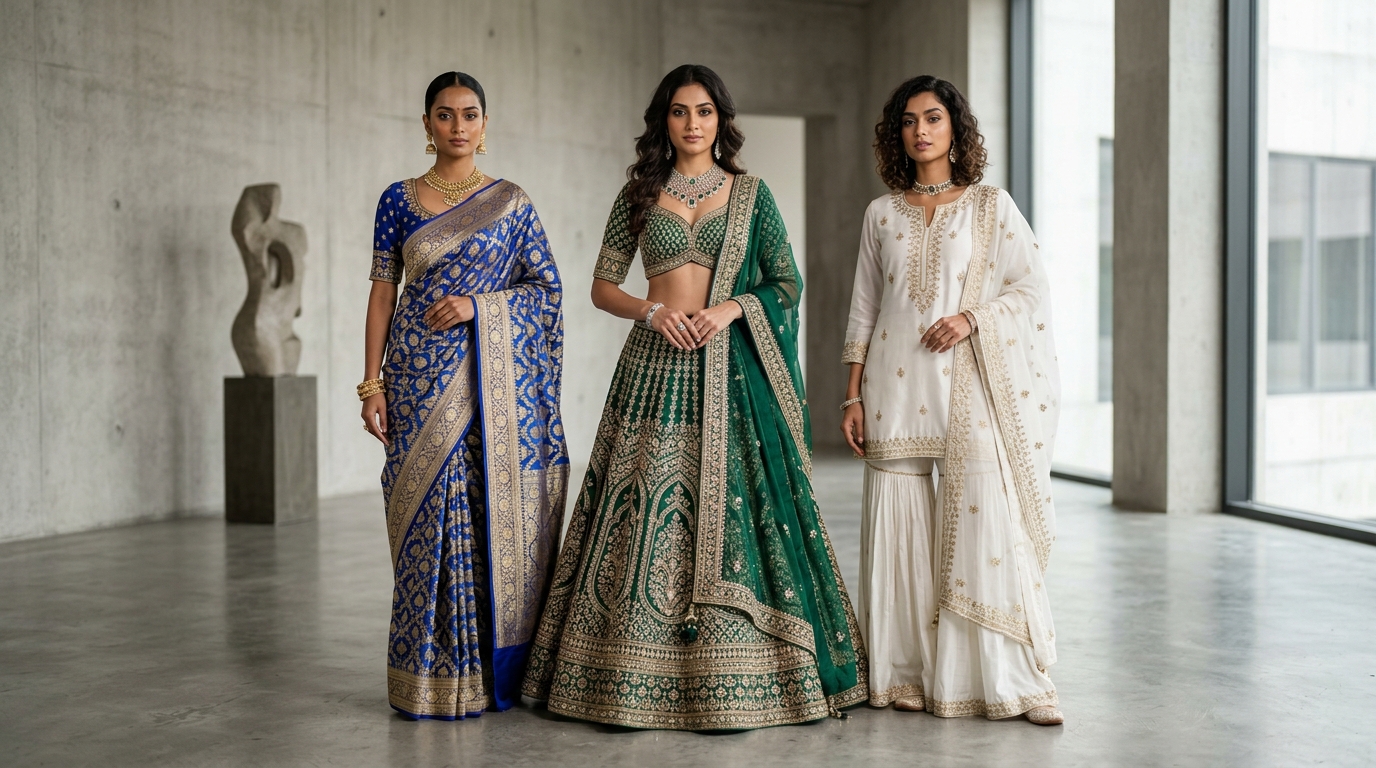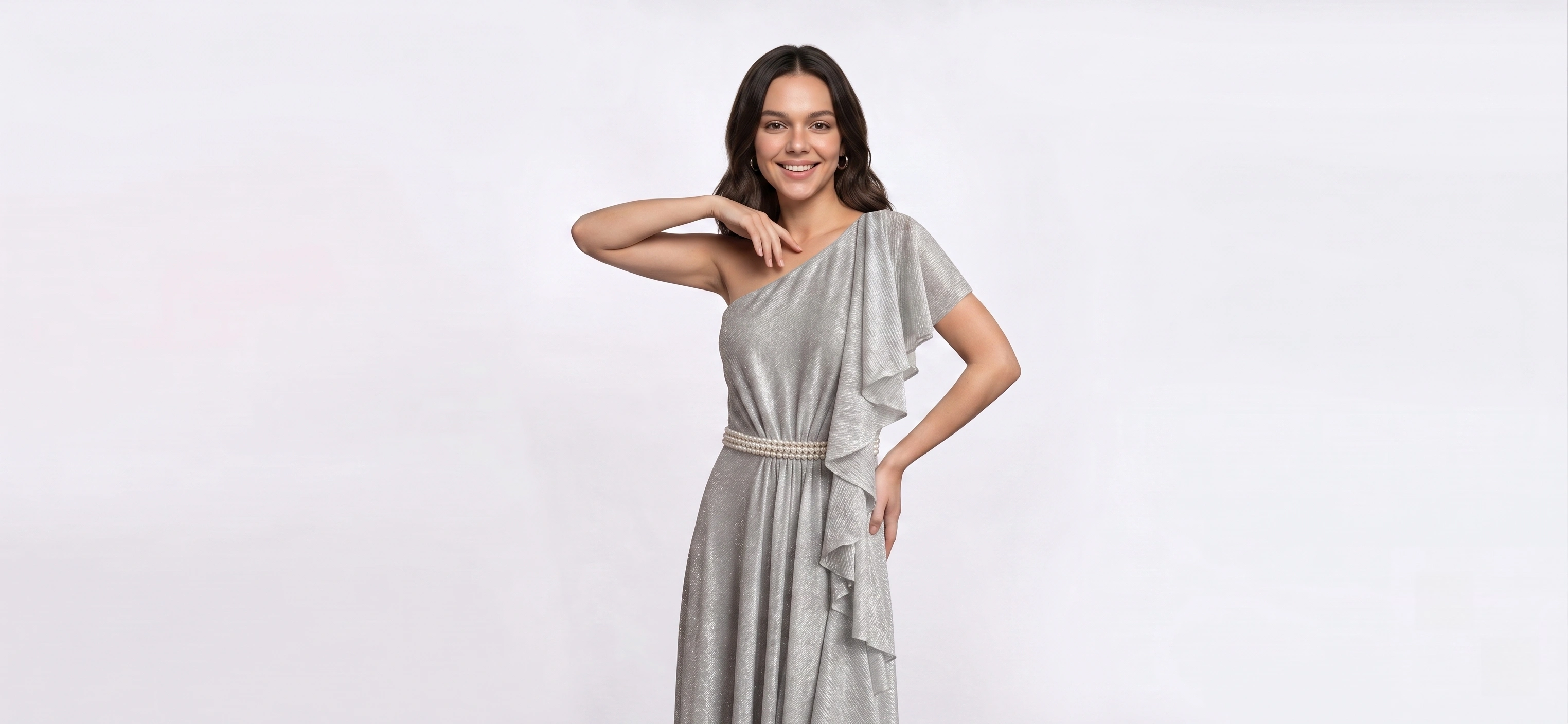
Most brands underestimate a photoshoot by comparing the wrong numbers. They compare the photographer's day rate against a software subscription, decide the shoot is affordable, and then wonder why the invoice is three times what they planned for. The day rate is rarely the largest line.
What a catalogue shoot actually costs
A single day of on-model catalogue photography in a mid-sized market involves at least six cost centres. Individually each looks reasonable. Together they compound, and most of them scale with the number of looks rather than the number of days.
- Studio hire — half-day minimums are common, and overruns are billed in full blocks.
- Model fees plus usage rights. The second line is the one brands forget: buyout for web, paid social and out-of-home routinely adds 30–100% on top of the shoot fee.
- Crew: photographer, assistant, stylist, hair and makeup. A four-person crew is the floor for on-model work.
- Sample logistics — getting garments to the studio, steamed, and back again, often against a delivery deadline.
- Post-production, billed per final retouched image. This is the line that scales hardest with SKU count.
- Reshoots. Nobody budgets for these, and almost every shoot needs some.
Our researched figures for a final retouched on-model image sit between ₹150 and ₹2,000 in India, $39–$300 in the US, and £10–£100 in the UK. The spread is wide because catalogue-pace work and styled campaign work are structurally different businesses. We publish the range rather than a single flattering number, and the calculator on our pricing page lets you set your own rate.
| Cost line | Traditional shoot | Generated |
|---|---|---|
| Studio hire | Half-day minimum, billed in blocks | None |
| Model fee + usage rights | Shoot fee plus 30–100% buyout | None |
| Crew (photographer, stylist, HMUA) | 4 people minimum for on-model | None |
| Sample logistics | Ship, steam, return, against a deadline | One photo of the garment |
| Retouching | Billed per final image — scales with SKU count | Included |
| Reshoots | Rarely budgeted, almost always needed | Regenerate |
| Turnaround | 2–6 weeks, mostly waiting | Same afternoon |
Where the maths actually changes
The interesting shift is not that generated images are cheaper per unit. It is that the cost stops scaling with volume in the same way. A traditional shoot costs roughly linearly in the number of looks: twice the SKUs means twice the studio time, twice the styling, twice the retouching. Generation decouples those.
The bottleneck was never creativity. It was production scheduling — and that is the part that disappears first.
For a brand shooting 300 images a month at a typical ₹450 per image, the traditional route runs around ₹16.2 lakh a year. The same volume generated costs a fraction of that, and the saving compounds because you stop paying a per-image retouching rate on every variation.
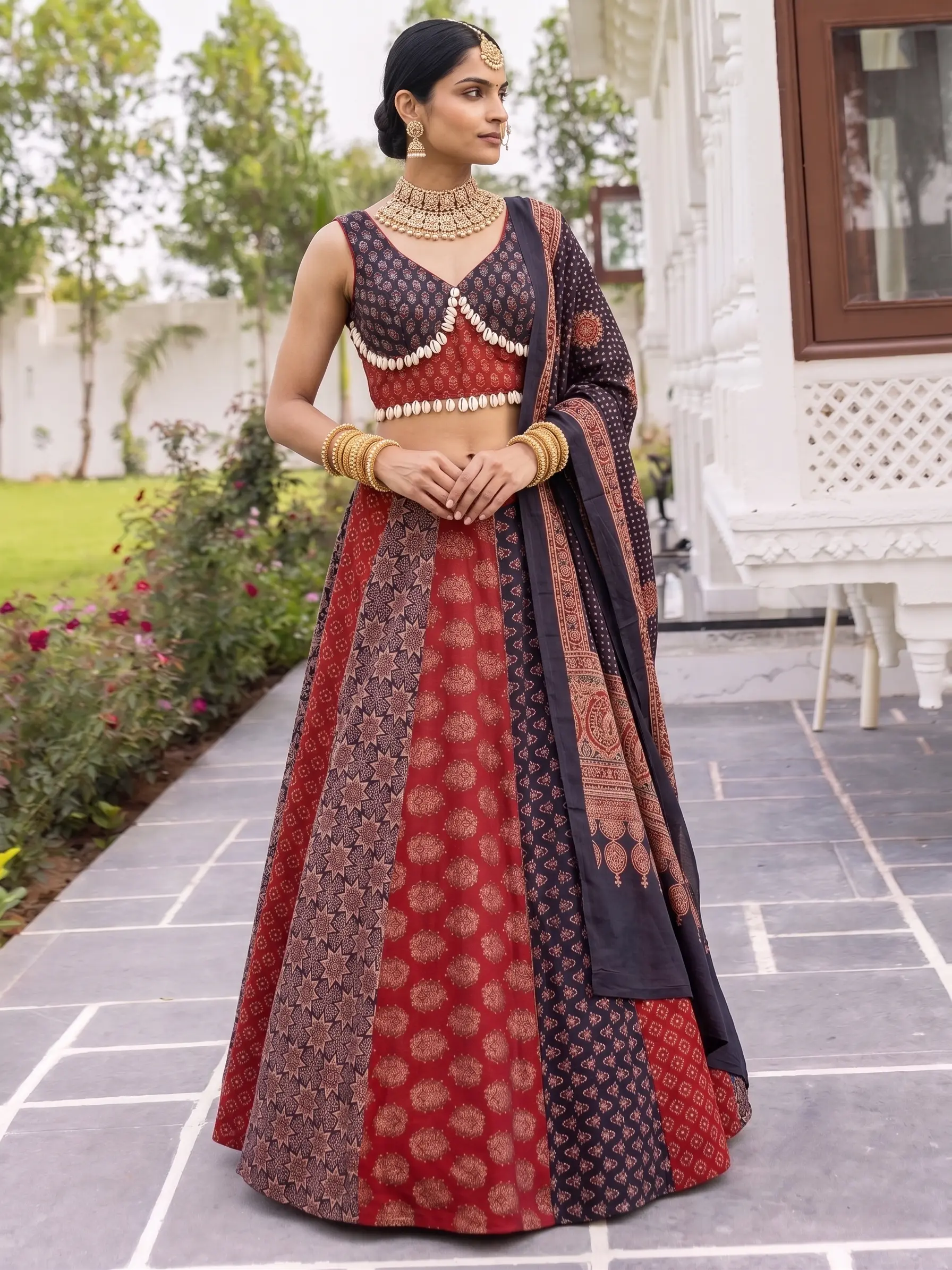
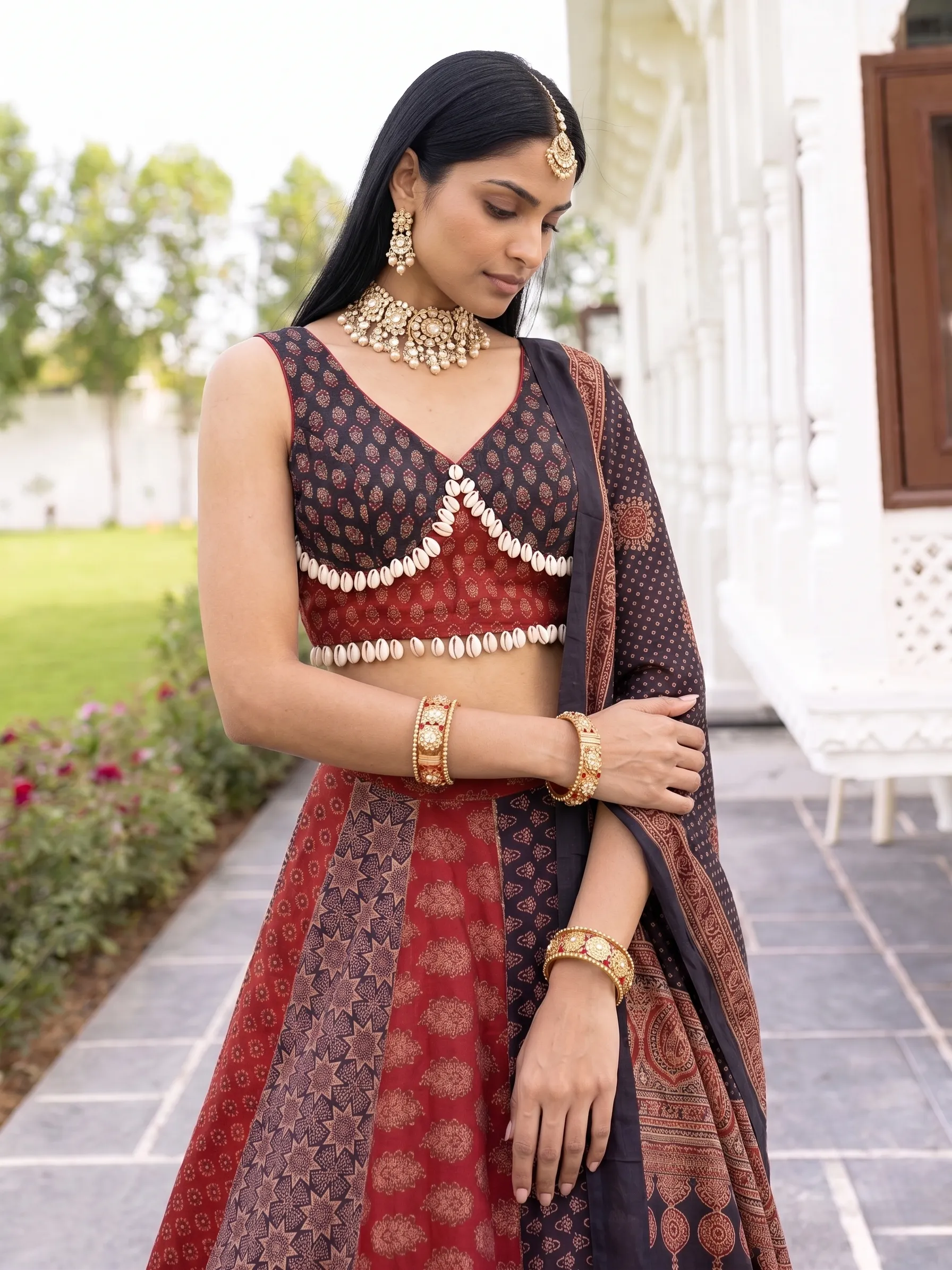
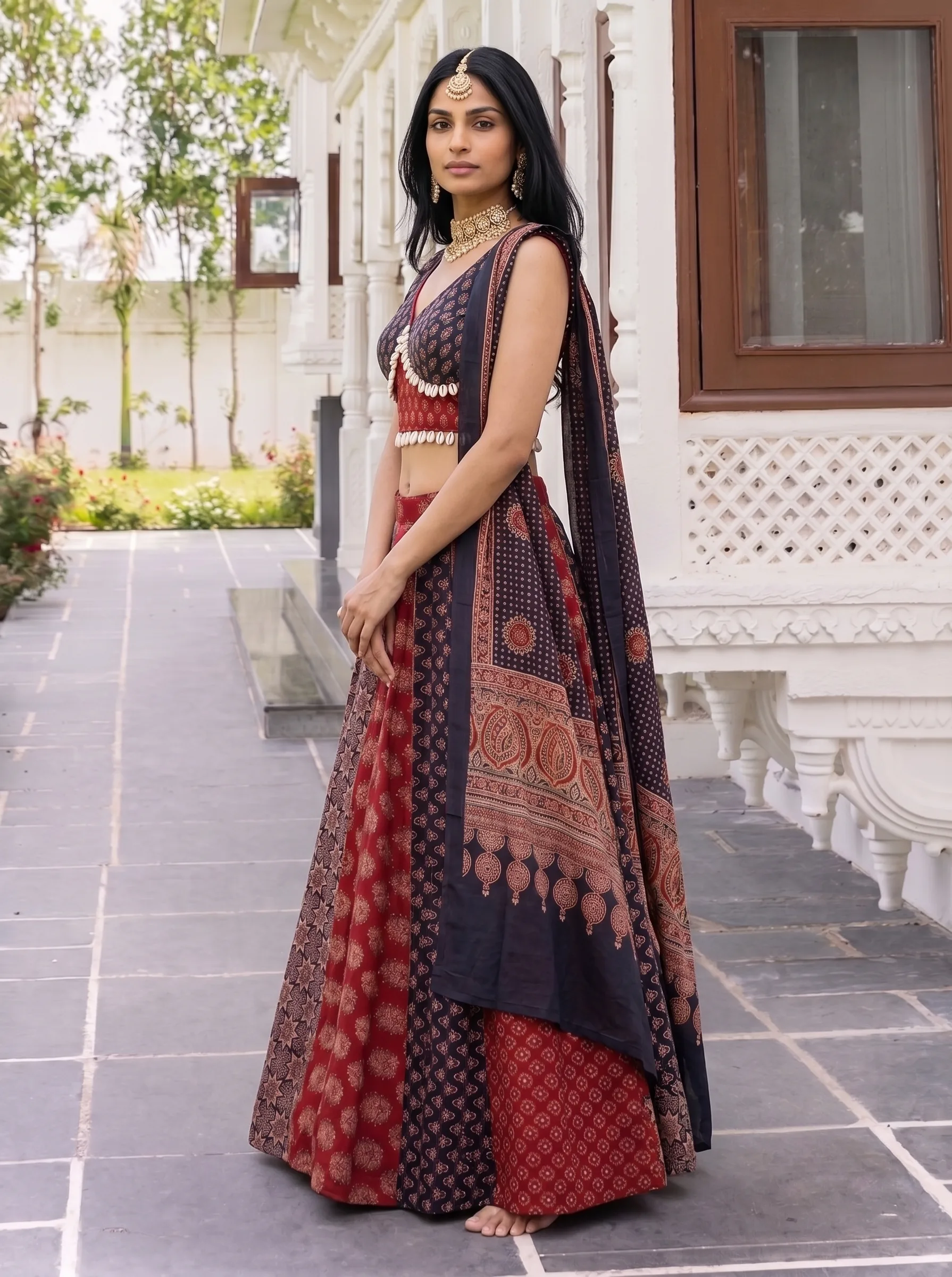
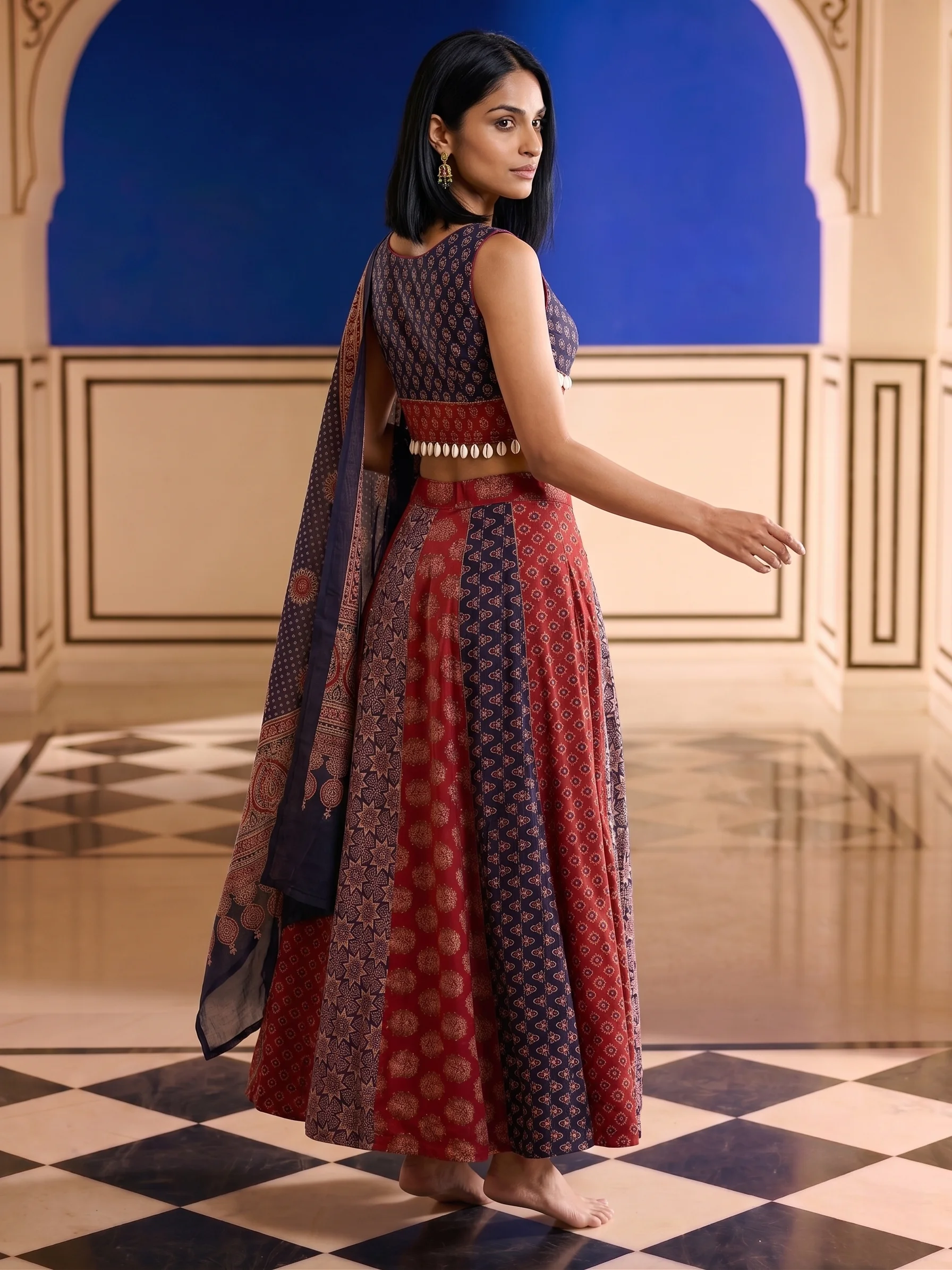
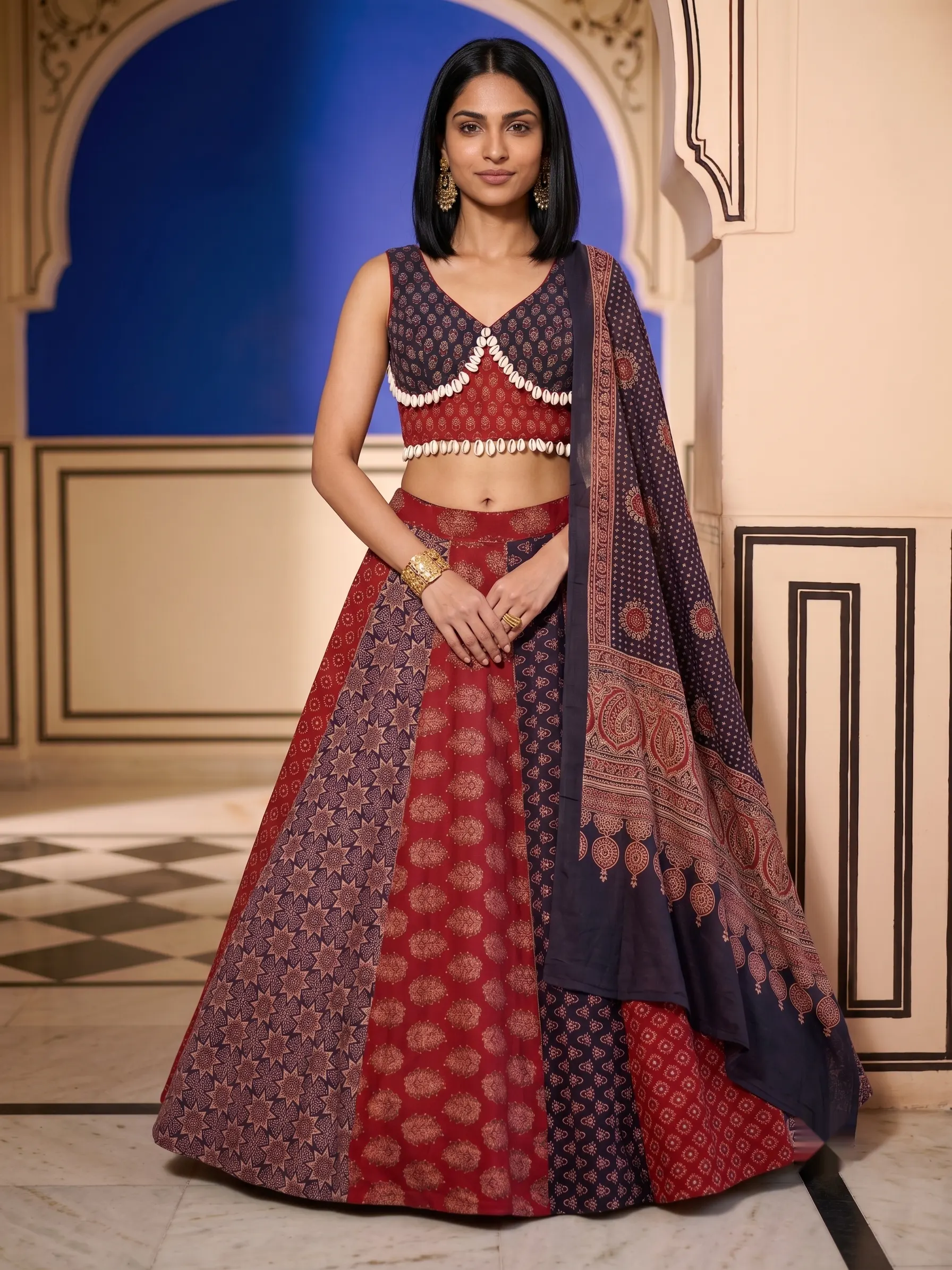
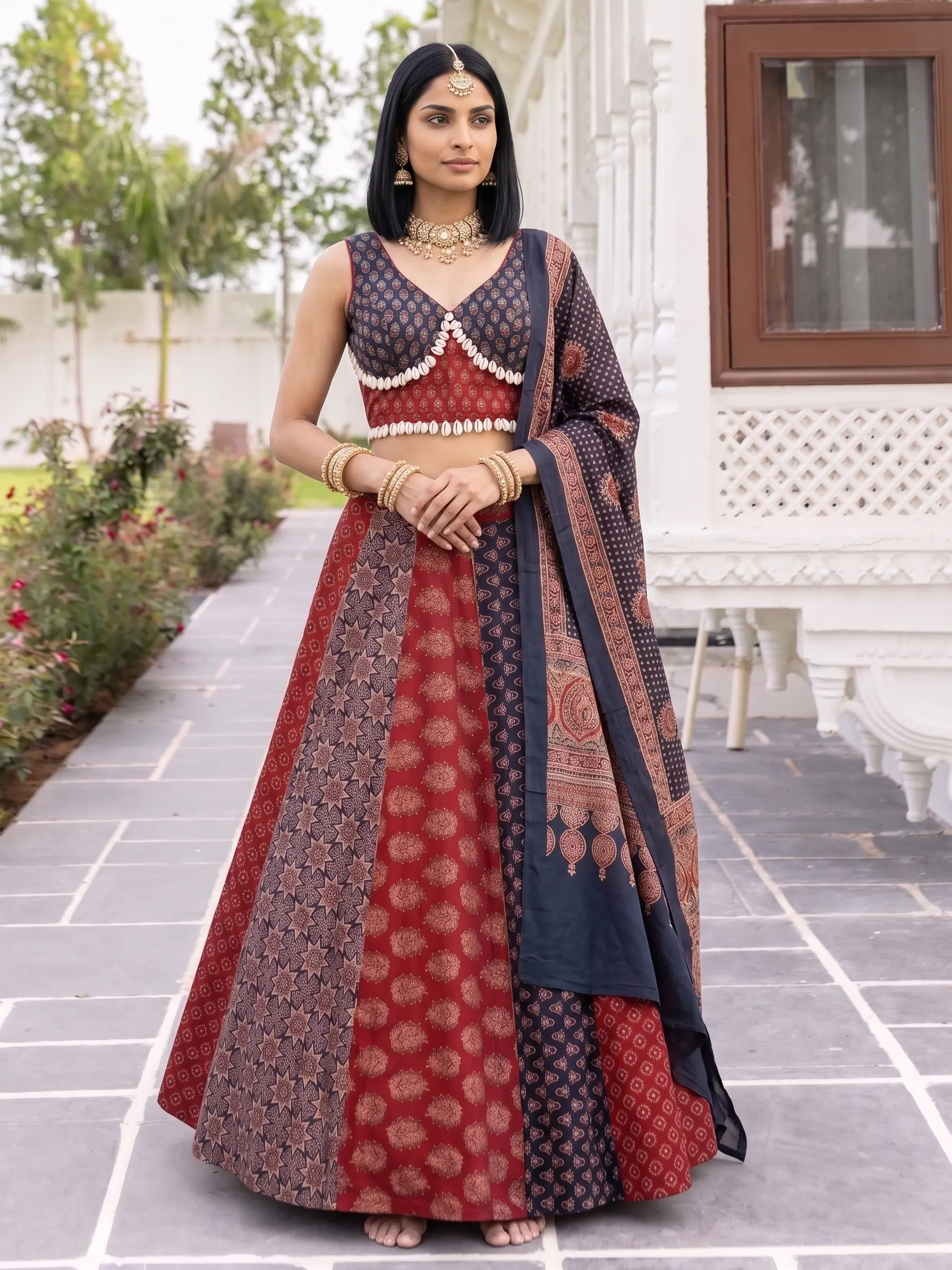
This is the part that changes the arithmetic. Under a traditional shoot each of these frames costs studio time, styling and a retouching line. Here they came out of one session with one garment photograph — which is why the cost stops scaling with the number of looks.
What a studio still does better
Being honest about this matters more than a marketing claim. A physical shoot is still the right call when the garment's drape, texture or fit is the product — heavily structured tailoring, technical fabrics, anything where a buyer's decision hinges on how the material actually moves. It is also the right call for brand campaign imagery where a specific art director's vision, location and talent are the point.
Where generation wins outright is catalogue depth: colourways, size variants, seasonal re-shoots of existing SKUs, marketplace-specific crops, and the long tail of images nobody has the budget to shoot twice. That is where most brands are quietly losing money today.
- Colourways of a design you have already shot
- The long tail that never justified studio time
- Marketplace crops and per-channel variants
- Seasonal refreshes of existing SKUs
- Creative tests before committing a shoot budget
- Heavily structured tailoring and technical fabric
- Fit-critical categories — denim, swim, lingerie
- Brand campaign imagery with a specific art direction
- The first shoot of a new collection
How to run the comparison for your own brand
Take last year's actual spend, not the quoted rate. Add the usage rights, the sample shipping, the retouching invoices and the reshoots. Divide by the number of final images you actually published — not the number you shot. Most brands find their true per-image cost is between two and four times the number they had in their head.