Most catalogues settle into one presentation style and stay there for years, usually because of what was cheapest when the brand started. It is worth revisiting, because the three options differ more in what they cost you in sales than in what they cost you to produce.
Flat lay
Cheapest to produce, fastest to shoot, and the weakest at answering the question a shopper is actually asking. A flat garment tells you the pattern and the colour. It tells you nothing about length, drape or how it sits on a body. It works for accessories, for anything genuinely flat, and as a secondary image showing detail.
Ghost mannequin
The compromise most catalogues land on. It shows three-dimensional shape without model fees or usage rights, and it is consistent by construction — the same mannequin, the same lighting, every time. The cost is emotional: it shows the garment's shape but not a person wearing it, and nothing about the shot helps a shopper picture themselves in it.
It is also more work than it looks. Proper ghost mannequin needs multiple exposures and a compositing pass per garment, which is why the retouching invoice on a ghost-mannequin catalogue is rarely small.
 Product page
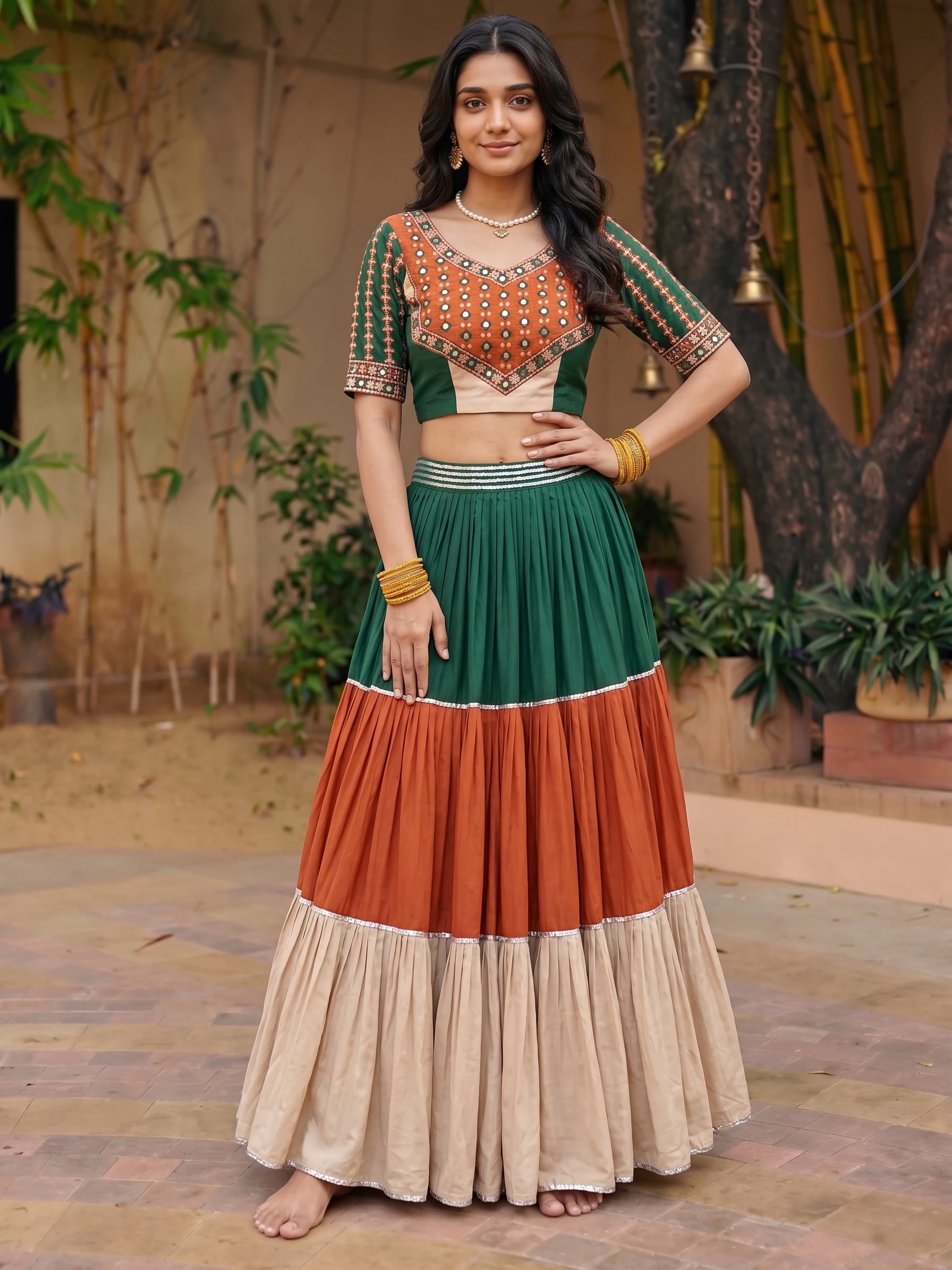 Festive
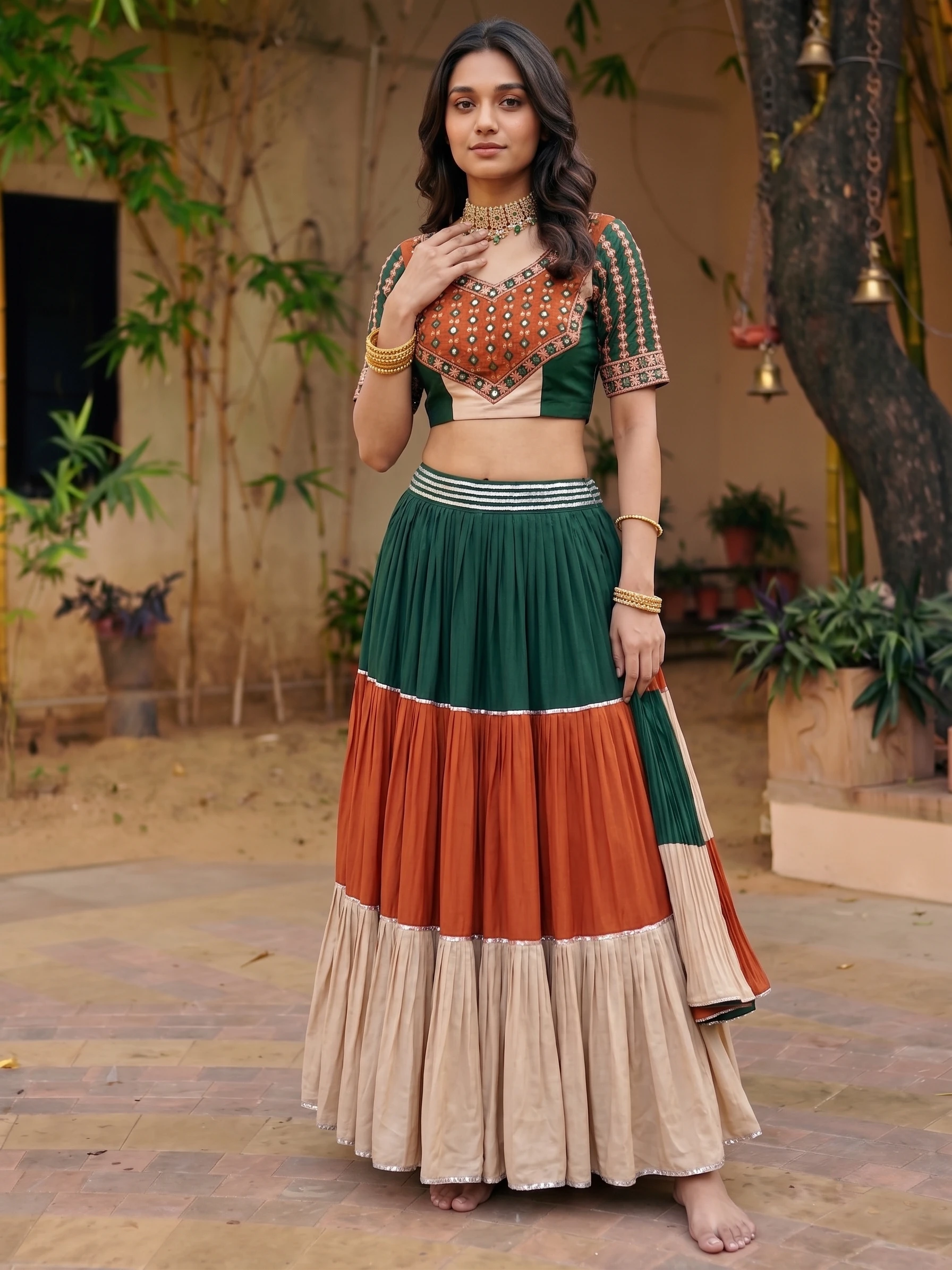 Lifestyle
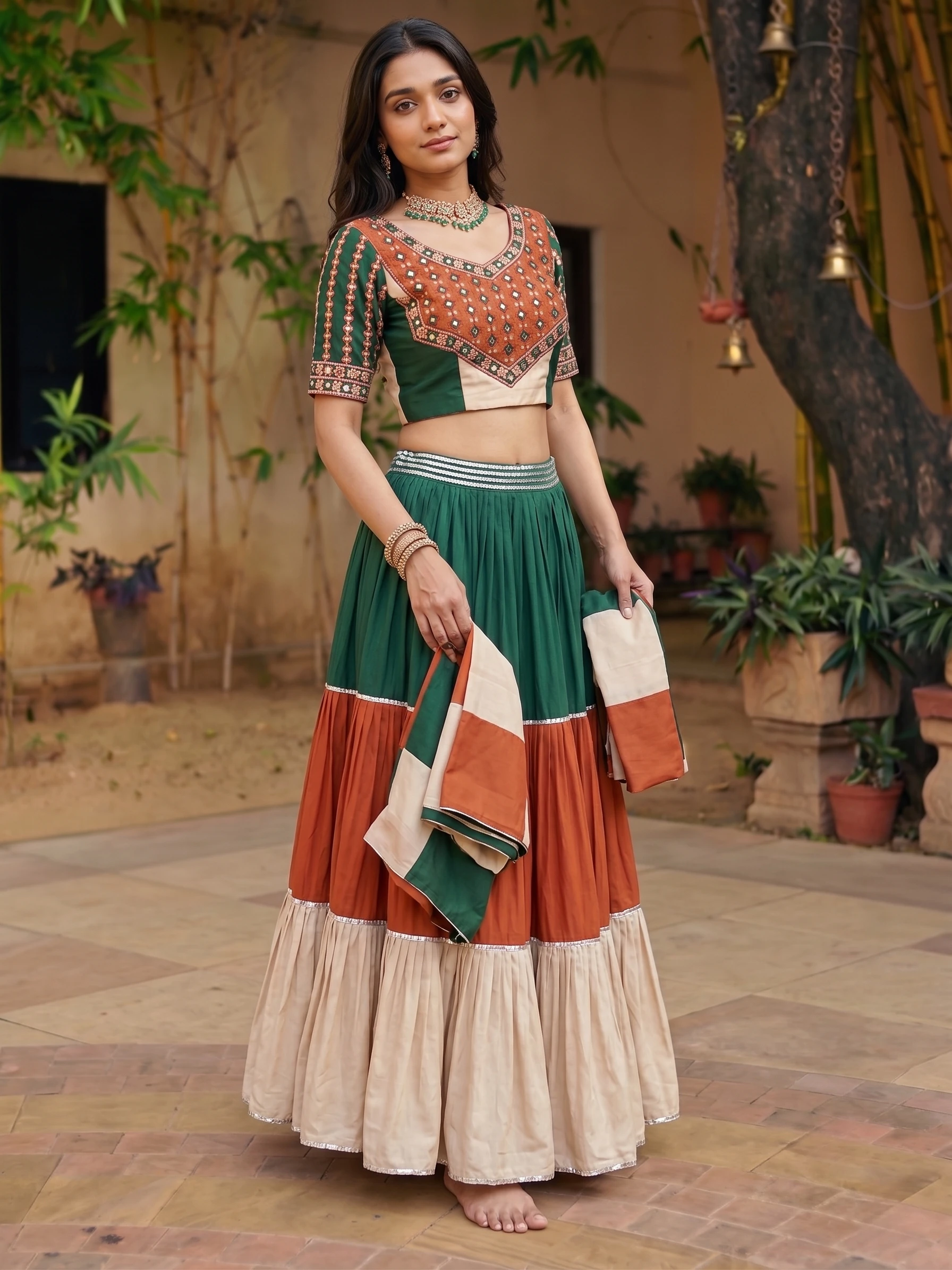 Close crop
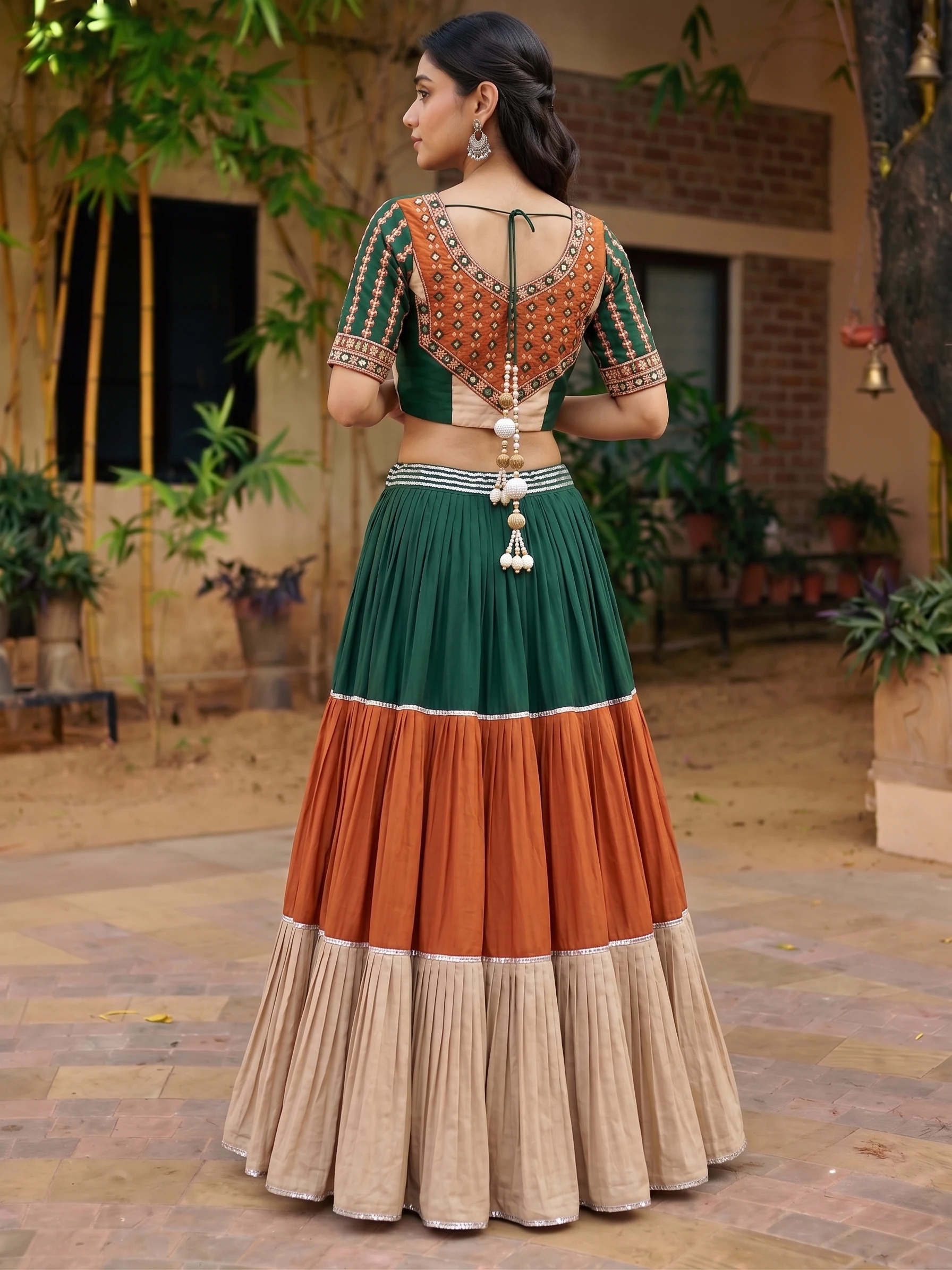
Fit, drape, styling context and construction detail — four different shopper questions, four different frames. A flat lay answers none of them and a ghost mannequin answers roughly one.
On-model
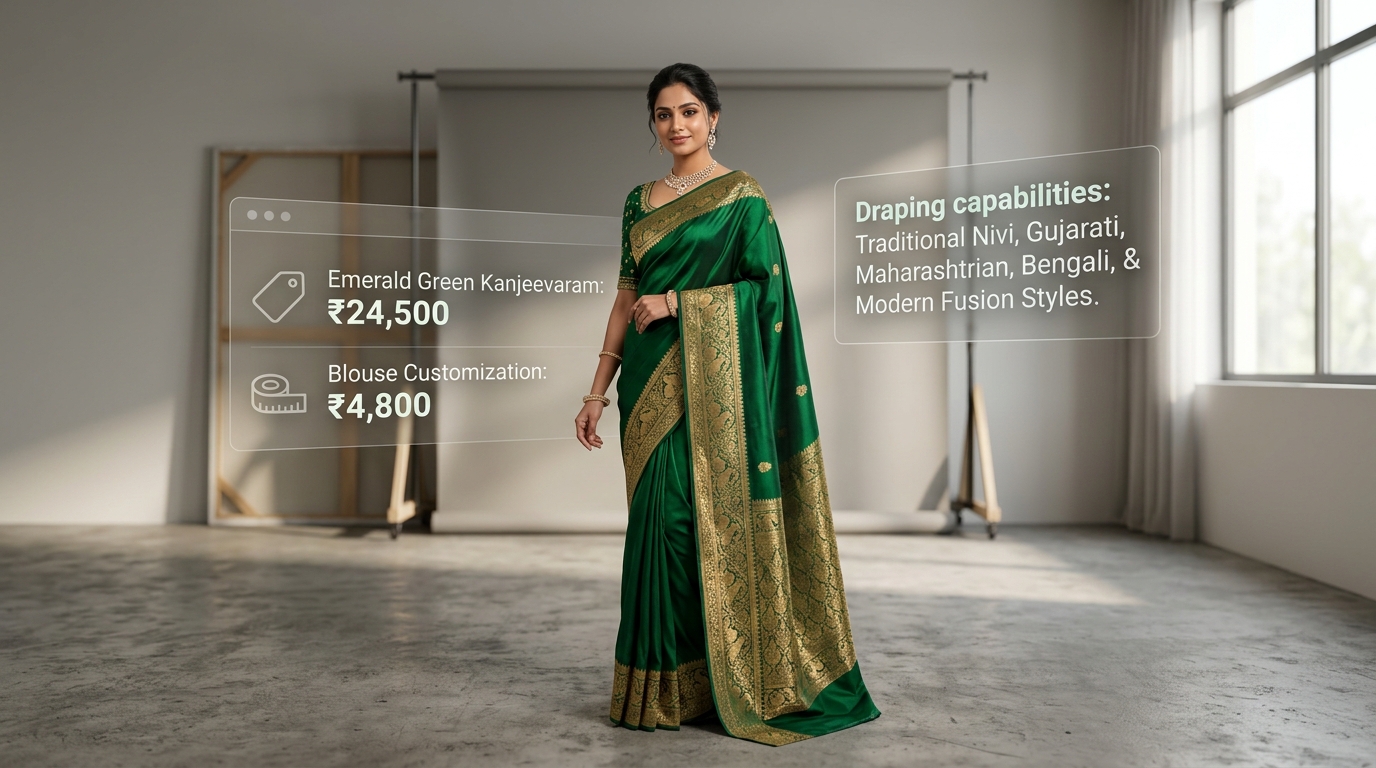
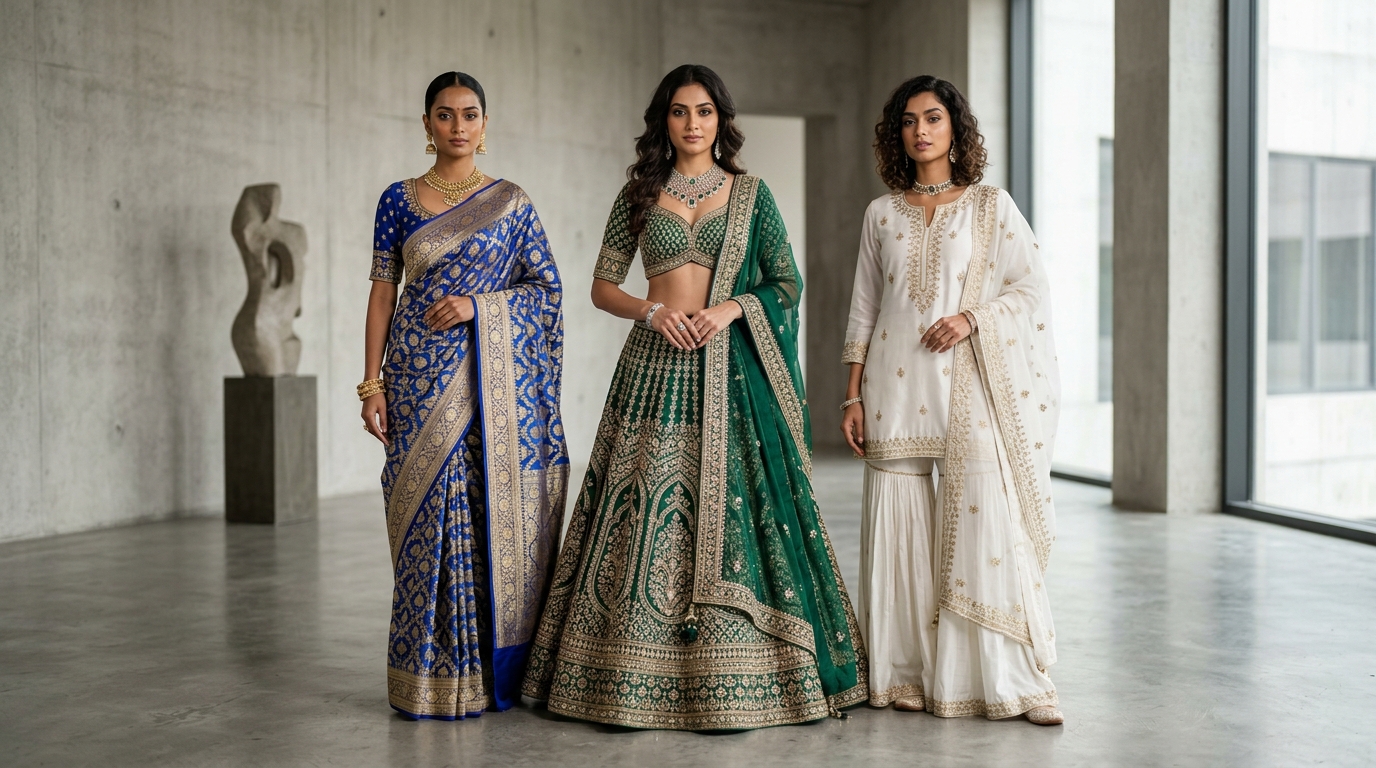
The strongest at answering fit, drape, scale and styling questions, and the only one that shows context — how the piece is worn, what it goes with, who it is for. It is also, traditionally, by far the most expensive and the slowest, which is exactly why most catalogues do not use it below their top sellers.
Most brands are not choosing flat lay over on-model on the merits. They are choosing it because on-model was never affordable at catalogue depth.
| Flat lay | Ghost mannequin | On-model | |
|---|---|---|---|
| Shows pattern and colour | Yes | Yes | Yes |
| Shows three-dimensional shape | No | Yes | Yes |
| Shows drape and how it hangs | No | Partly | Yes |
| Shows scale on a body | No | Partly | Yes |
| Helps a shopper picture themselves | No | No | Yes |
| Production effort | Lowest | Higher than it looks | Traditionally highest |
| Consistency across a catalogue | Easy | Easy | Hard — until now |
What changes when the cost gap closes
The interesting question is not which one is best — it is what your catalogue would look like if on-model cost roughly what a flat lay costs. Generating on-model imagery from garment photography does exactly that, which turns a budget decision back into an editorial one.
The practical answer for most catalogues is not one style but a stack: a clean primary that meets the channel's rules, an on-model shot for context, and a detail crop for fabric and construction. That is a three-image set per SKU, which was unaffordable at scale under a traditional shoot model and is routine now.
One caution
Whatever you show has to be true of the product. An on-model image that flatters a fit the garment does not actually have will lift your conversion rate and your return rate at the same time, and returns cost more.