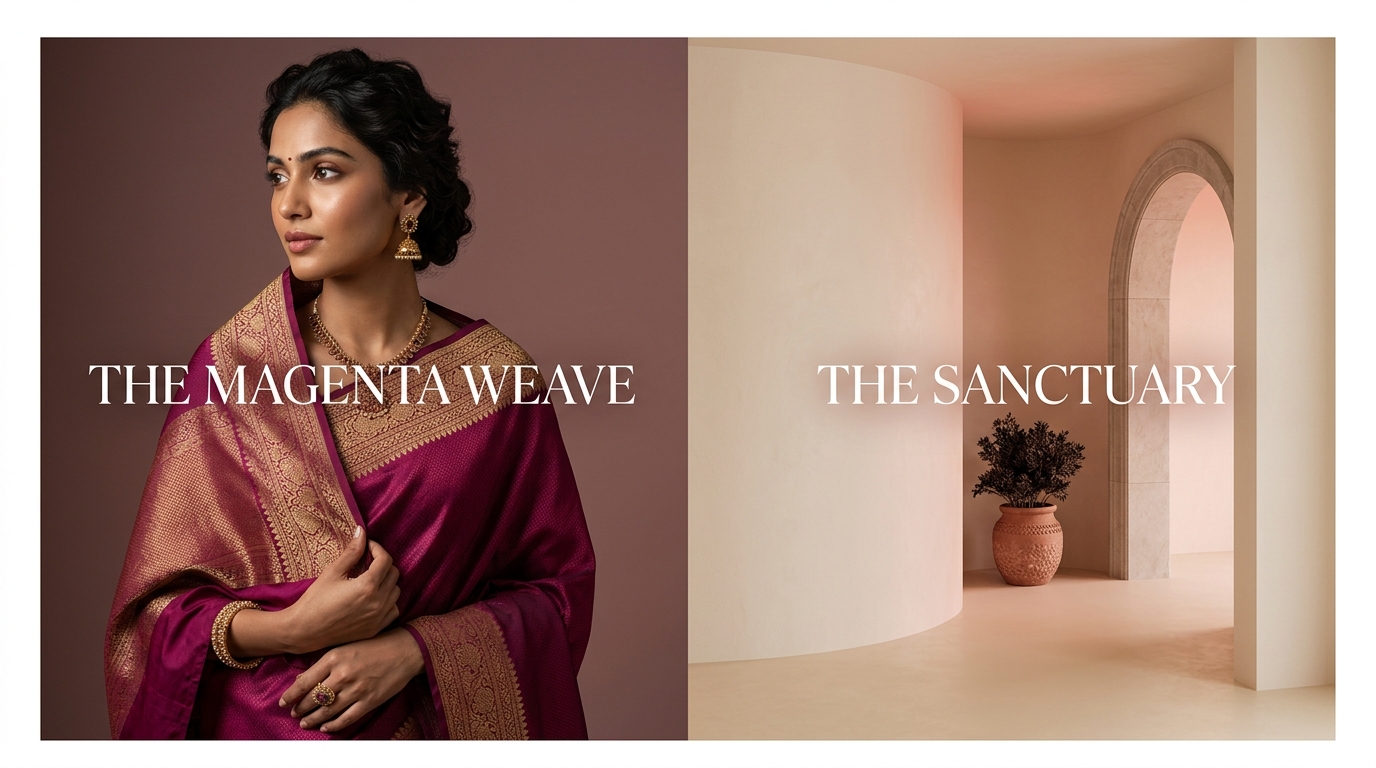
A Diwali catalogue checklist for fashion sellers: Diwali 2026 falls on Sunday 8 November, so the ideal start was mid-September. Shoot your best sellers first, check each picture against the real piece, export for each channel, list early, then add the rest. If you are starting now, use the three-week plan below.
Festive buying does not wait for your catalogue. Shoppers start searching for outfits weeks before the day itself, and a listing that goes live late misses the weeks when they were looking. This checklist works backwards from Diwali 2026, which falls on Sunday 8 November (checked on 15 October 2026 against several panchang and holiday pages; confirm locally if a regional date matters to you).
It is written for sellers of sarees, lehengas, kurtis and suits who sell on marketplaces, Instagram or their own store. Nothing here needs a studio, but it does assume you can photograph a garment flat or hung against a plain wall.
The 8-week countdown
- Weeks 8 to 7: decide what you are selling
List the designs you will push for Diwali and pick the top ten by last year's sales or this year's enquiries. Decide how many views each needs: a front, a back or pallu view, and one detail. Write the list down. It becomes your shot list.
- Weeks 7 to 6: photograph the fabric, not the shoot
One clean, straight-on photo per garment or saree, in daylight, filling the frame. For a saree, one photo of the full cloth with the pallu. Photograph new arrivals the day they land. Do not wait for a batch.
- Weeks 6 to 5: make the on-model pictures
Upload to Drape Studio (sarees, lehengas) or Catalogue Studio (kurtis, suits, dresses and everything else), choose models and poses, and place the order. Check the batch summary before you pay, so you only make the views you will actually use.
- Weeks 5 to 4: check every picture against the real piece
Colour, border, print scale, sleeve length. If a shot is off, recreate it or ask for credits back rather than publishing it. Returns from a photo that did not match the piece cost more than a retake.
- Weeks 4 to 3: export for each place you sell
Export the sizes and ratios each marketplace asks for. Use the marketplace presets in the studios so the size and background follow the platform's rules, and read the rules again for the platform you care about most.
- Weeks 3 to 2: write and upload the listings
Titles, fabric, size chart, care, and an honest colour description. Add festive keywords your buyers actually type (for example the occasion and the garment). Upload everything before the platform's festive-sale registration closes.
- Weeks 2 to 1: stock, packaging and answers
Count what is in hand against what you listed. Prepare the replies you will send most often (delivery time, size, exchange). Send your catalogue to your WhatsApp list.
- Diwali week: watch, do not rebuild
Fix only what is broken: a wrong price, a stock-out, a bad photo. Leave the rest alone. Note which designs sold fastest. That list is next year's shot list.
Starting late? The 3-week version
If you are reading this in the second half of October, do not try to run the whole plan. Compress it:
- Shoot your five best sellers first. These carry most of the festive sales anyway.
- Place the order the same day you photograph the fabric. Pick the fastest order type if time is tight (see the table below).
- List those five the moment the pictures are checked. Add the next batch as it is ready.
- Skip the extras: one front view and one detail view per design is enough to go live.
| Order type | Ready in | Choose it when |
|---|---|---|
| Instant | 1–2 min | You are short of time and the festive window is closing. |
| Standard | 3–4 min | You want the lowest price, and 2K size is enough. Includes one free Recreate per shot. |
| Budget | 5–10 min | You have time to spare and want to spend less than Instant. |
What to include in the festive pictures
- A clean front view that shows the whole garment, since that is the picture that appears in search results.
- A pallu or back view for sarees and lehengas, because buyers look for it.
- One close view of the border, zari or embroidery.
- True colour: compare the picture with the real piece in daylight before publishing.
- The right size and ratio for each place you sell (check the marketplace rules posts).
- Your logo on the exports meant for Instagram and WhatsApp, where the picture travels without your name.
Cost is easy to estimate before you start. An image you generate yourself costs ₹20–₹25 at 1K or ₹40–₹50 at 2K depending on the credit pack you buy. A Create order at 2K on the Standard type costs ₹10–₹13 per shot. New accounts get up to 4 free 2K images on mobile verification, enough to test one design before committing the rest.
When is Diwali in 2026?
Diwali (Lakshmi Puja) falls on Sunday 8 November 2026. Regional calendars can differ slightly, so confirm with your local panchang if you plan something tied to the exact day.
How early should I upload festive listings?
As early as the pictures are ready. Buyers browse for weeks before the day. Also check your marketplace's festive-sale registration deadline in the seller panel.
Is it too late to start in mid-October?
No, but plan for the compressed version: shoot and list your five best sellers first, then add the rest as they are ready.
Do I need a model or a studio?
No. You need a clean photo of each garment or saree. The studios place it on a model and a background.
What if a picture does not match my garment?
Do not publish it. Recreate the shot, or ask for credits back from the Orders tab. A mismatched colour is a common reason for returns.