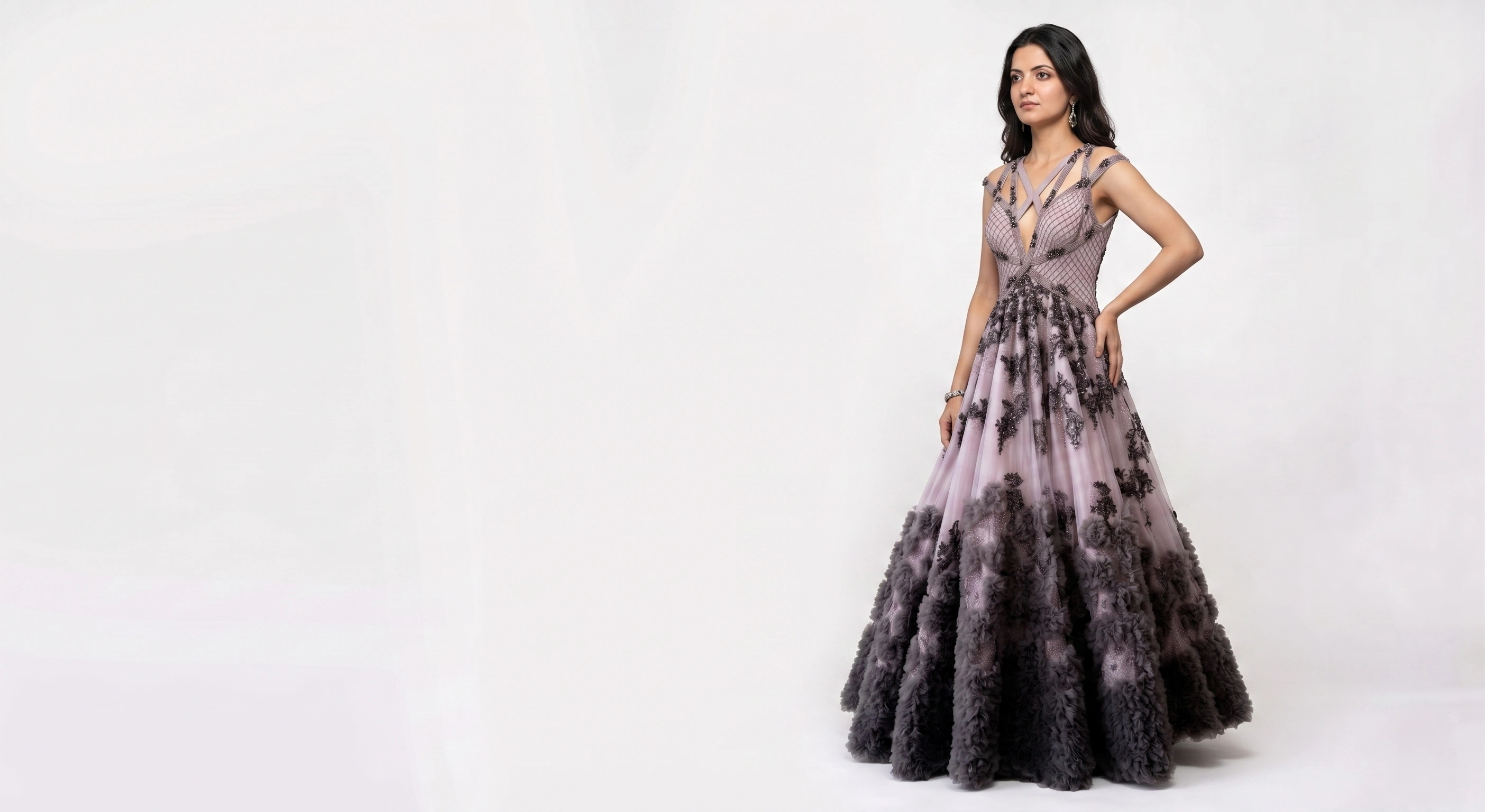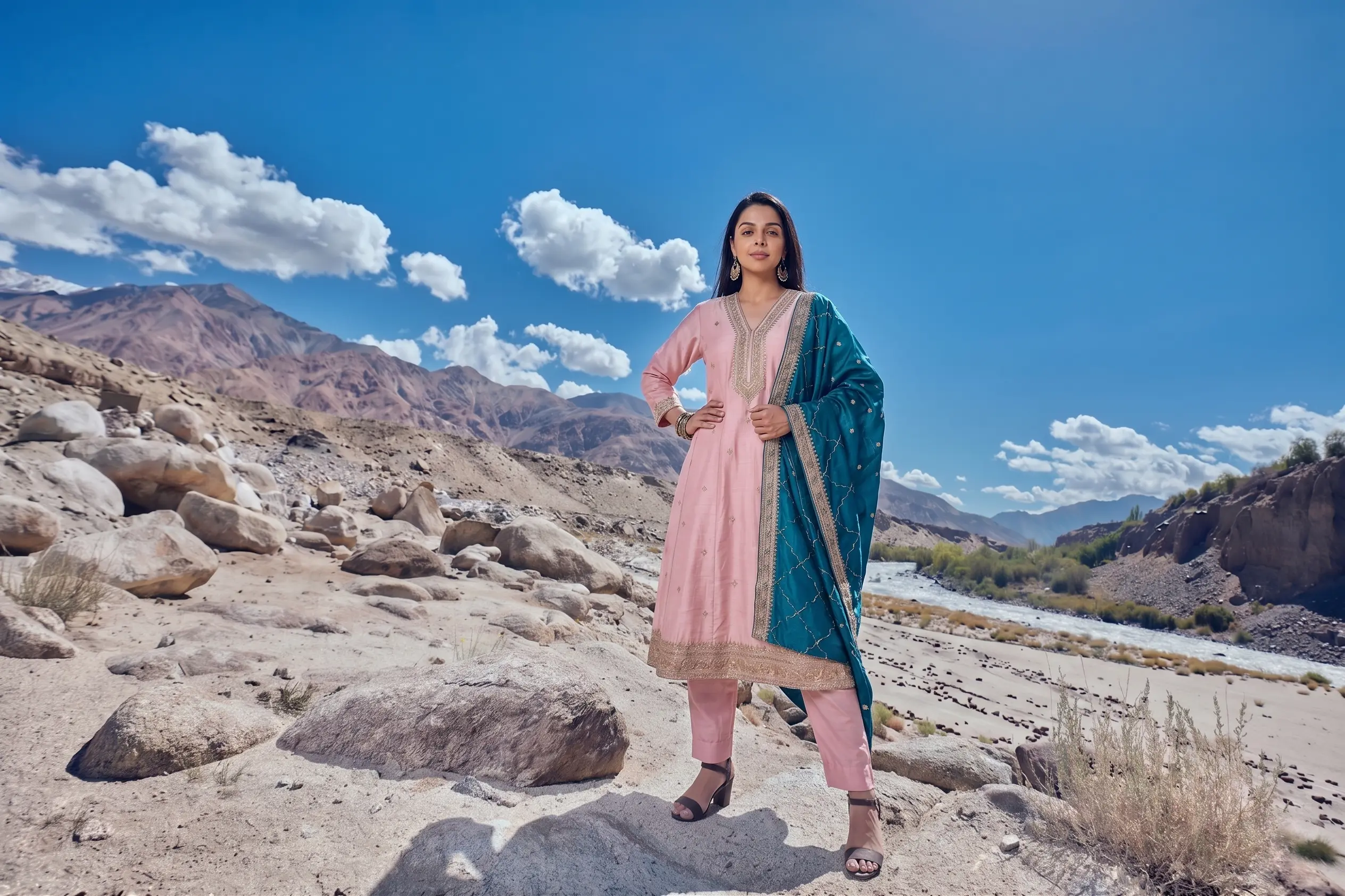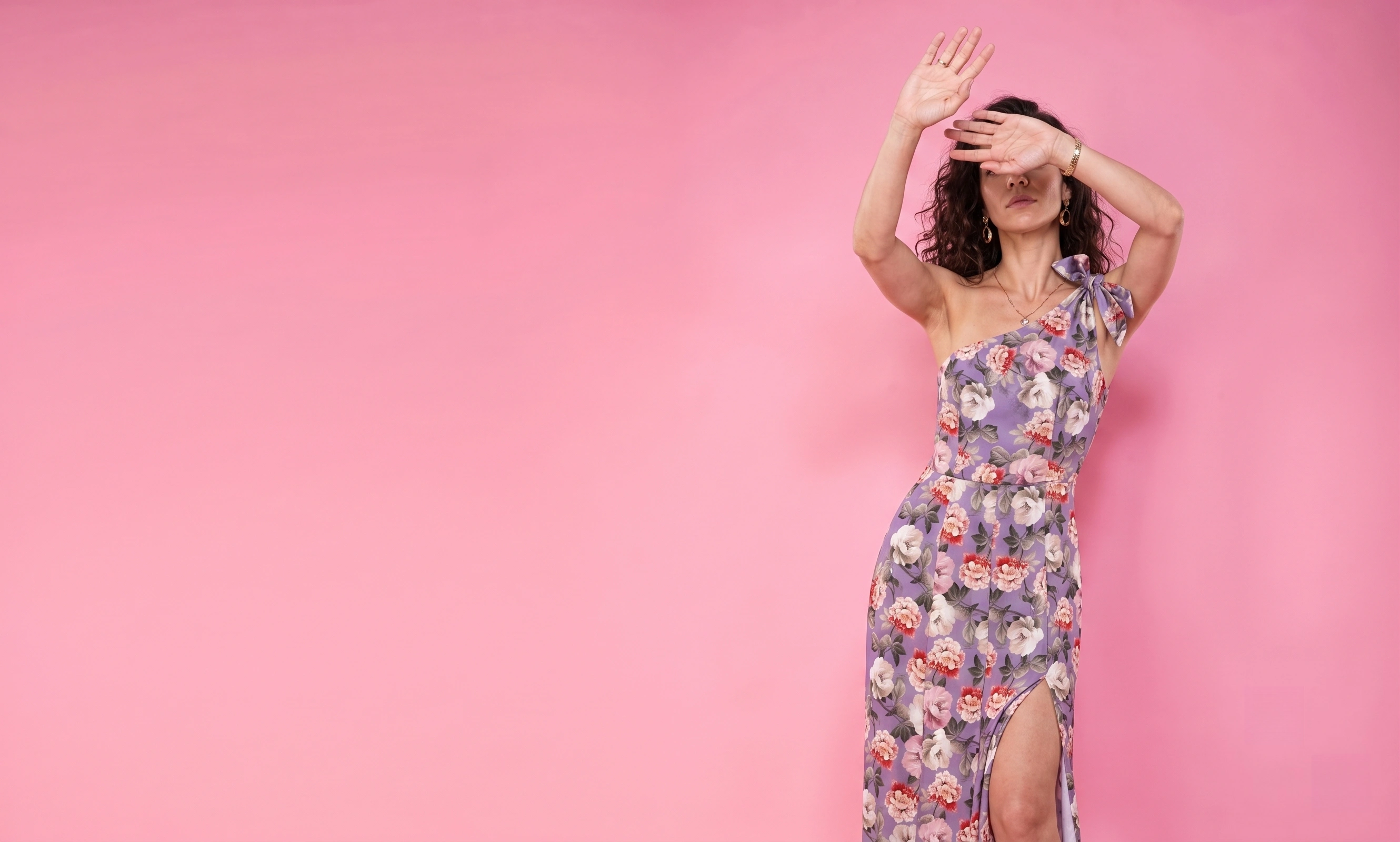
This category invites some genuinely bad behaviour, and pretending otherwise would be worse than useless. Four questions come up repeatedly. Our positions are below; you may reasonably land somewhere different on one or two, but having no position is not a neutral choice.
1. Whose likeness is this?
Generating a synthetic person is not the problem. Generating a recognisable real person without their consent is, and it is a problem regardless of the technology — it was already illegal in most jurisdictions before any of this existed.
Our line: no generating identifiable real people. If you want a specific person in your imagery, hire them and agree the usage. "It's only AI" is not a defence anyone should want to test, and it is not one we will help with.
2. Does the shopper need to be told?
Legally, disclosure requirements are inconsistent across jurisdictions and moving fast. Commercially, the question is simpler than it looks: if you would be uncomfortable with a customer discovering how the image was made, that discomfort is your answer.
Our position is that disclosure is cheap and rebuilt trust is not. A short line in the product description costs nothing and reads as confidence. Brands that disclose plainly are consistently doing better on this than brands hoping nobody asks.
3. Is the product depicted accurately?
This is the one with real financial consequences, and it is where we would push back on a customer. The image can style the product, light it, and place it in a setting. It must not change what the product is — not the colour, not the length, not the fabric, not the construction, and not the fit.
Styling is presentation. Changing what the garment is, is misrepresentation — and the returns data will find you before the regulator does.
In apparel this is not primarily an ethics argument. Returns are the dominant cost line in the category, and images that oversell are the most reliable way to inflate them.
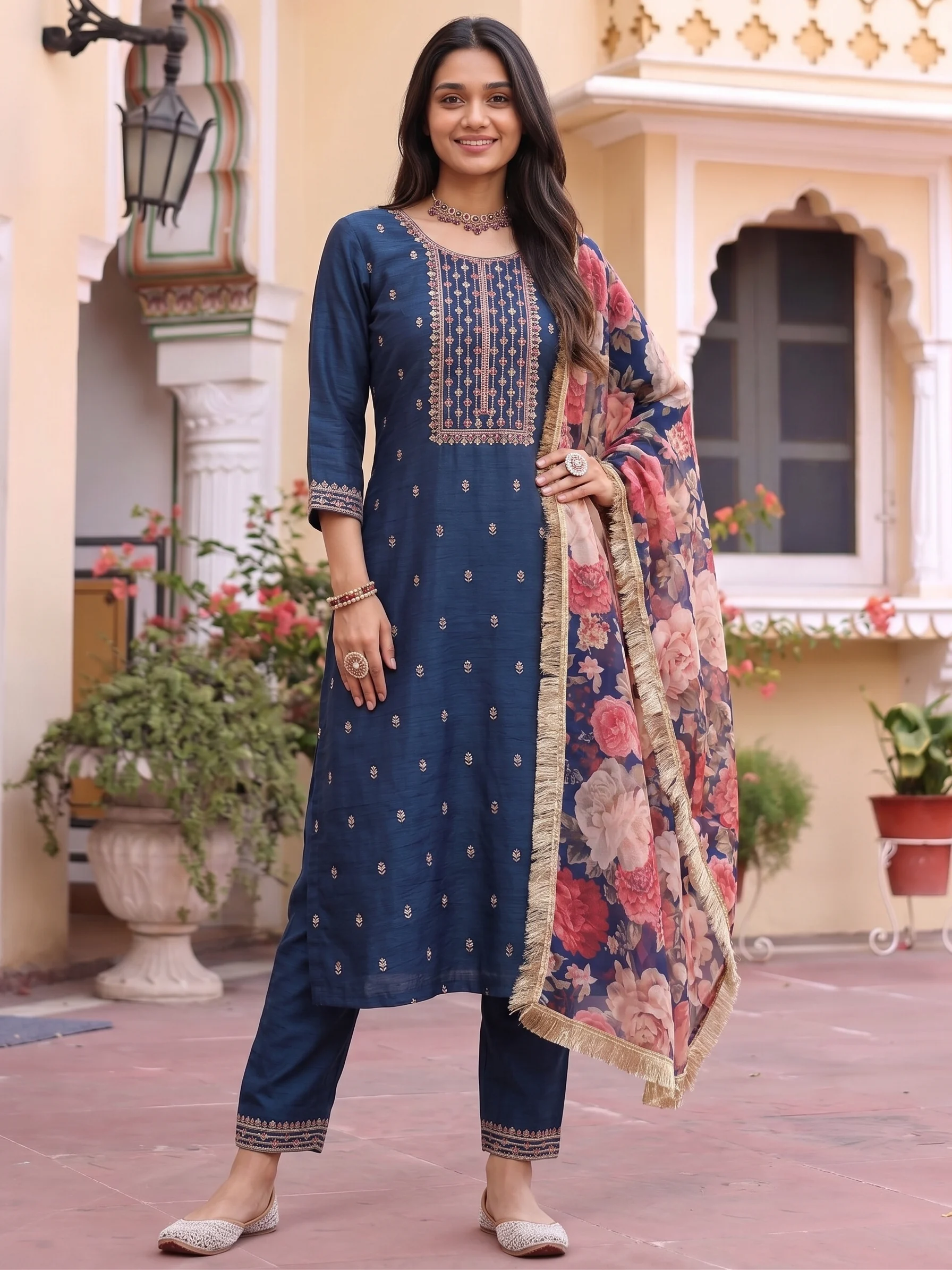
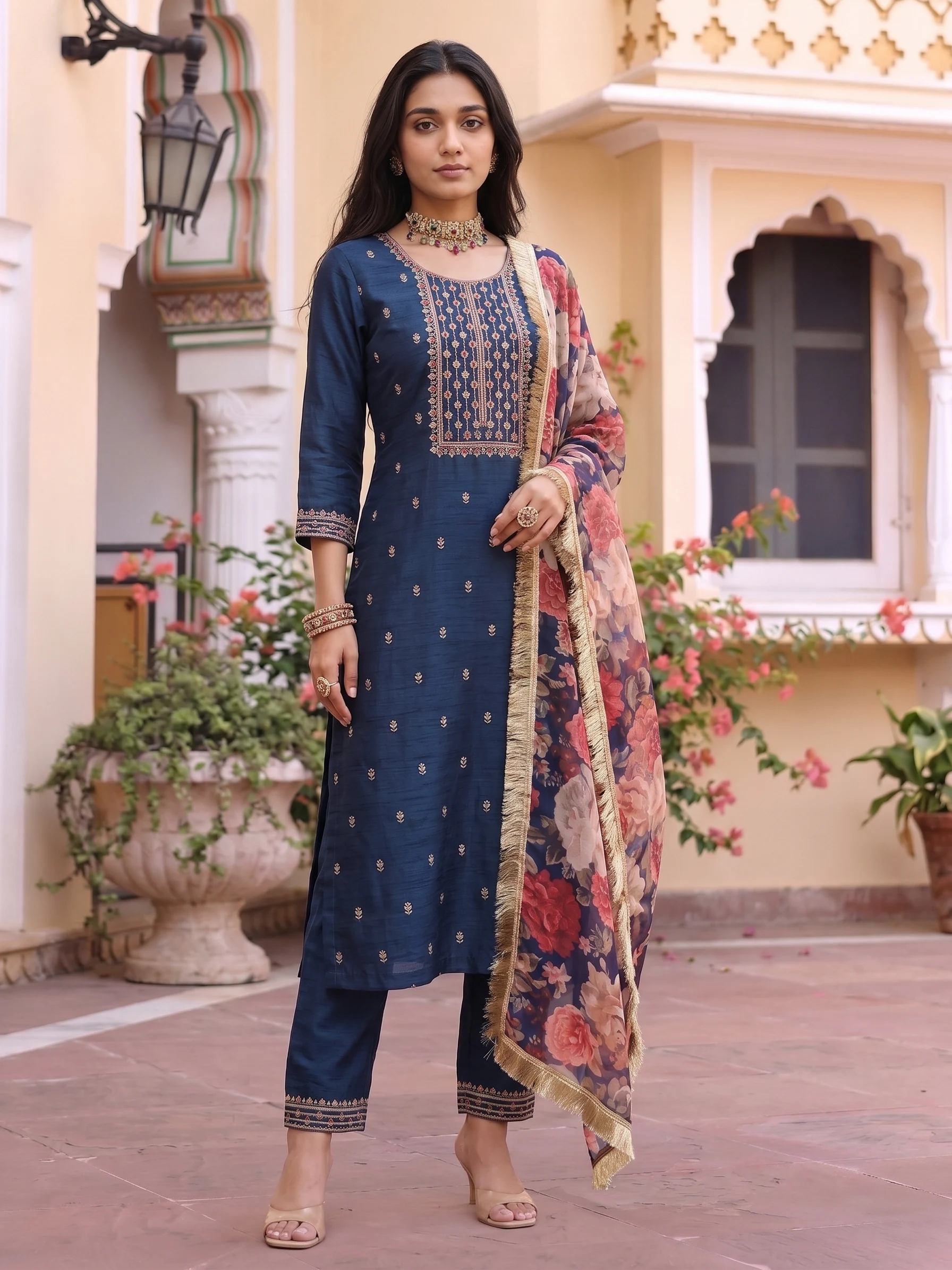
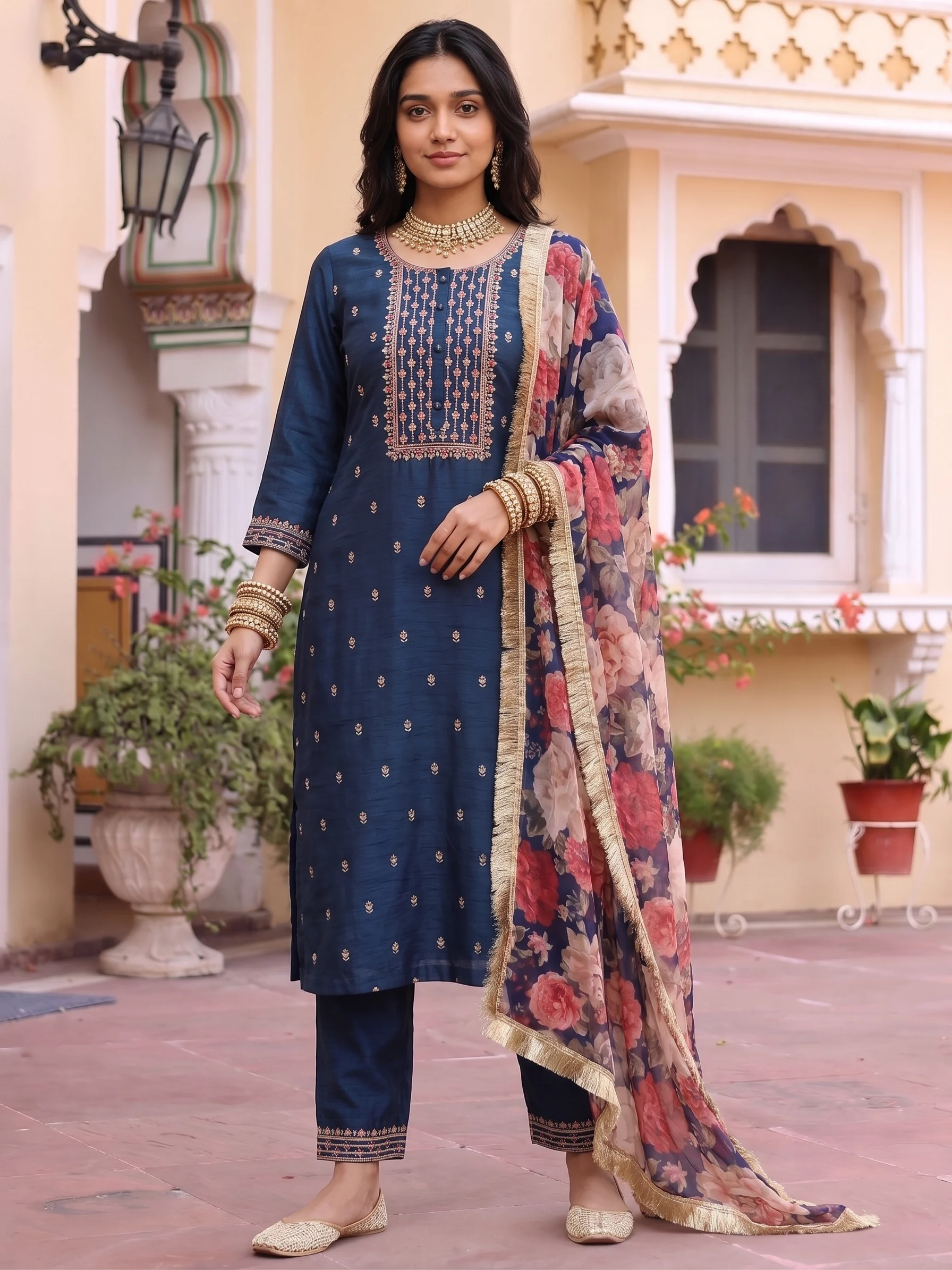
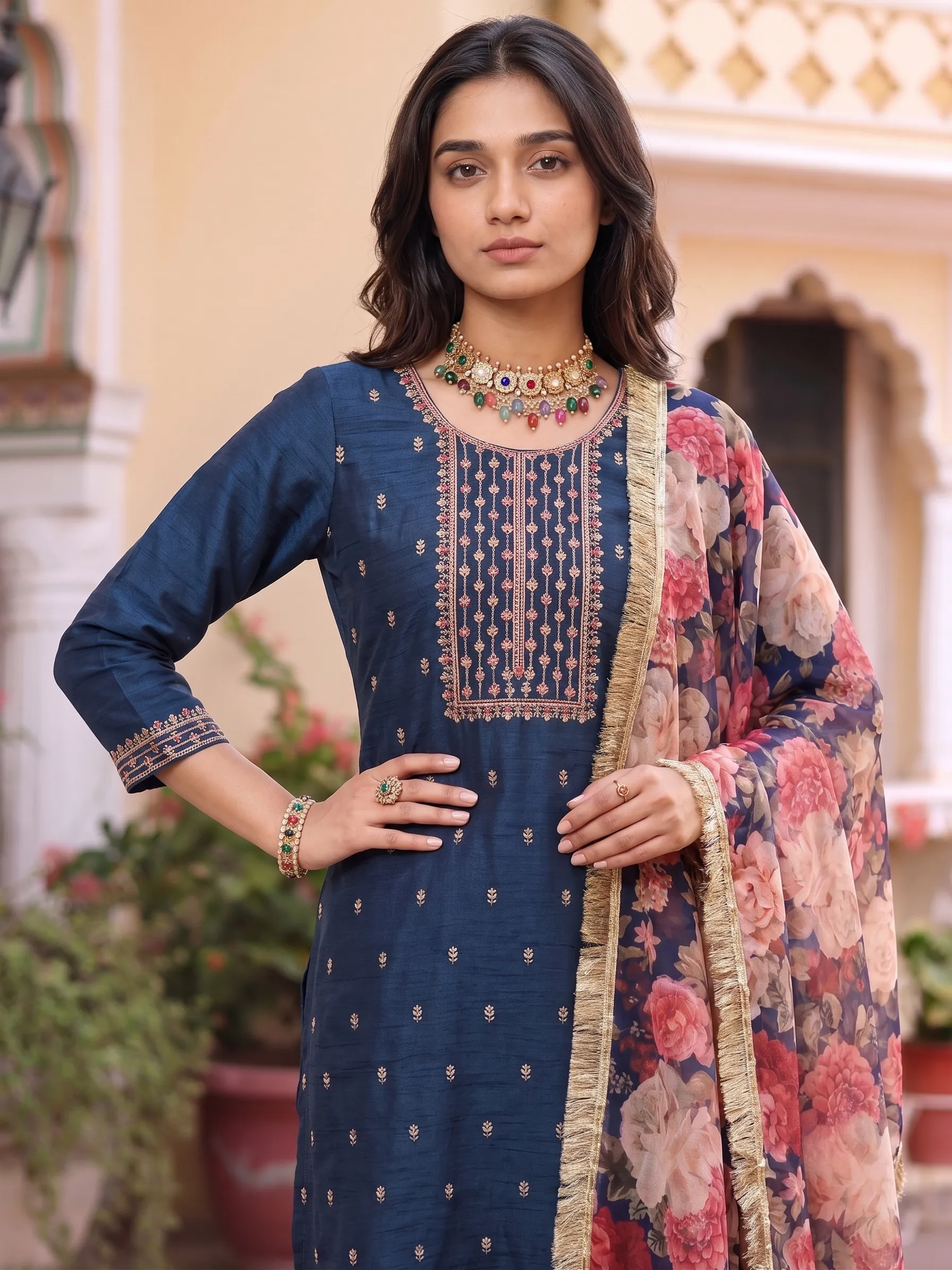
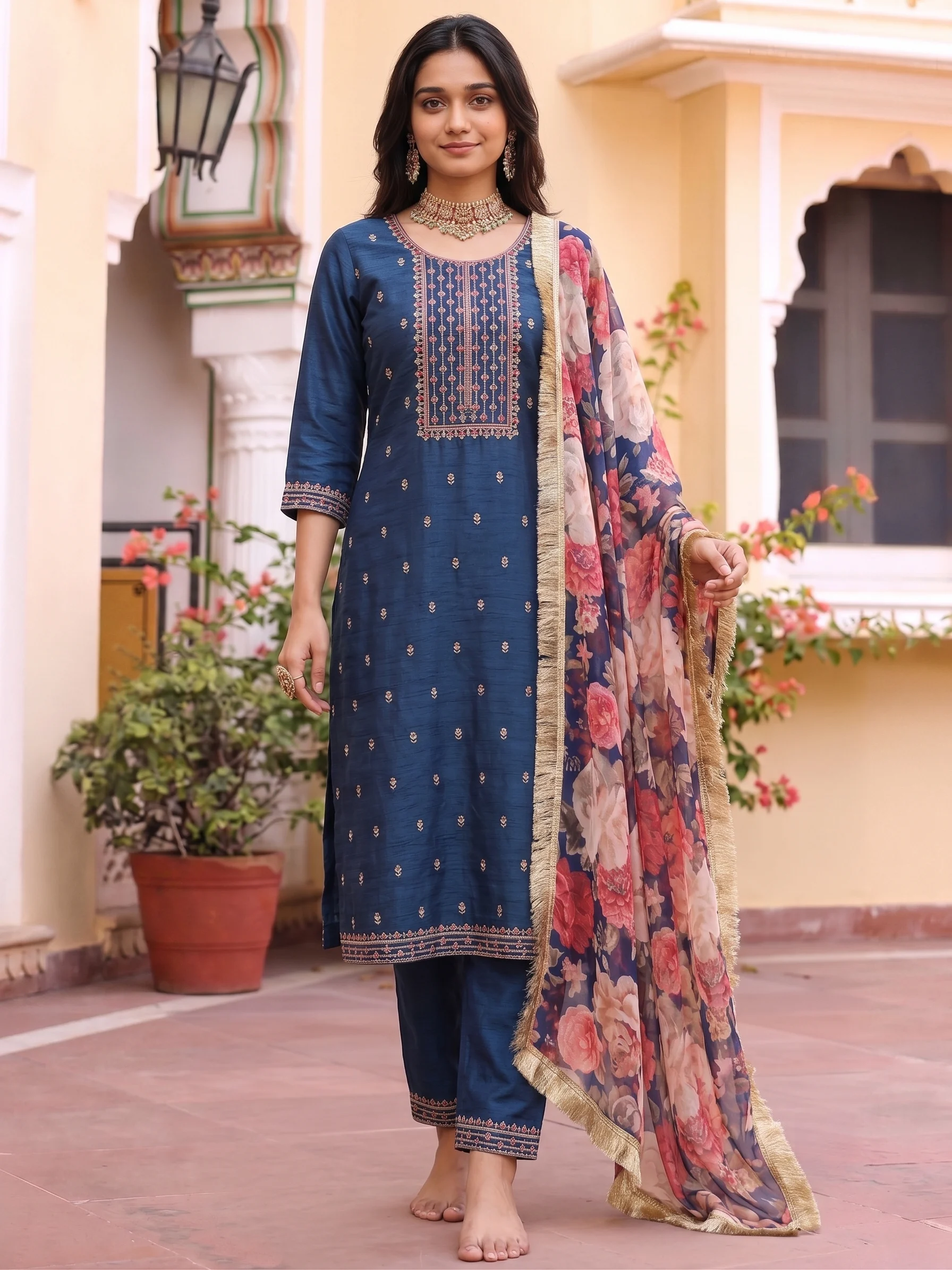
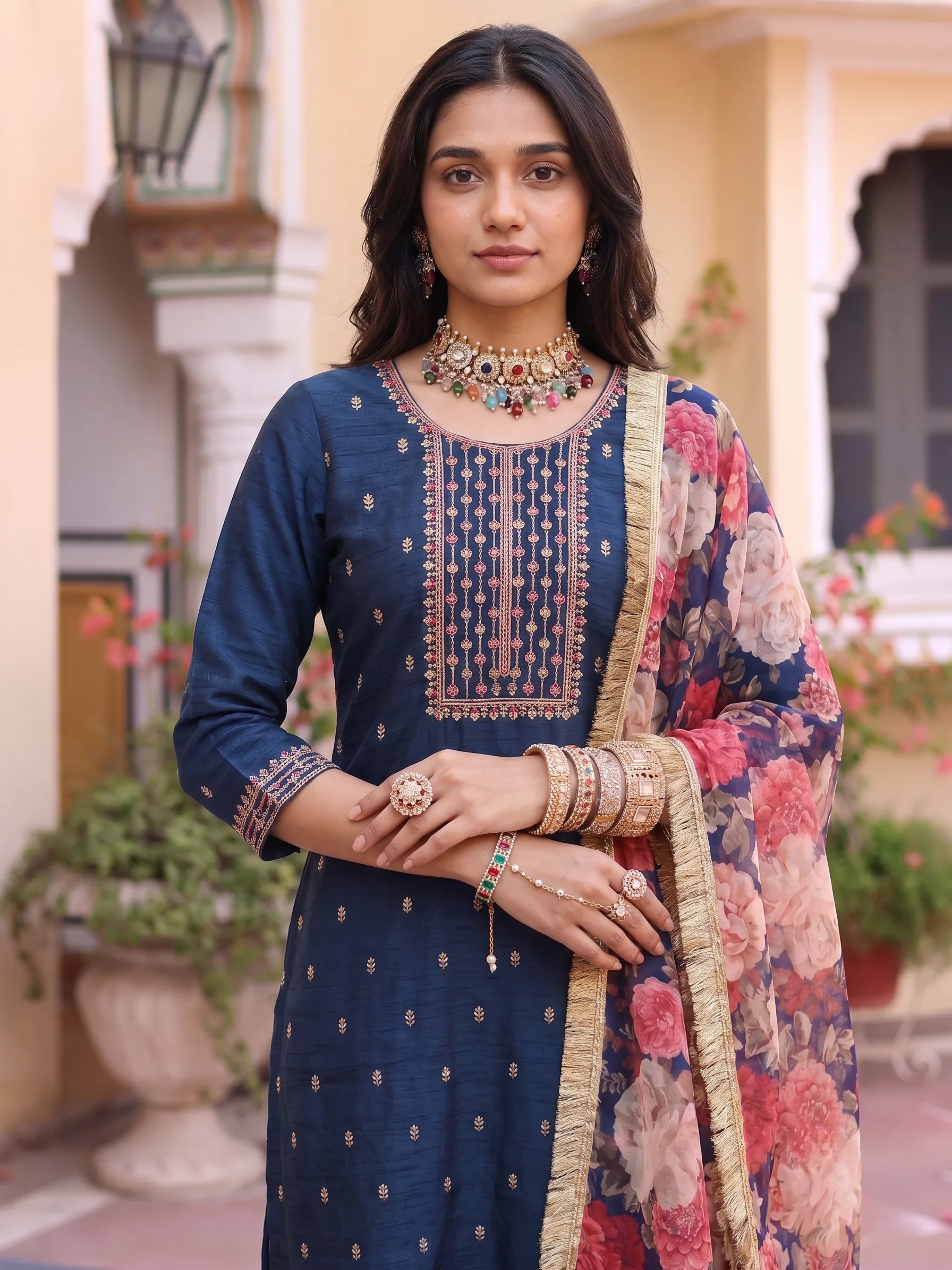
Generation removes the cost excuses for a narrow casting range, which makes the range you end up with a choice you made. Judge it across the catalogue like this, not one image at a time — nobody spots a narrowing spread frame by frame.
4. Who is represented, and who isn't?
Generation removes the practical excuses for a narrow casting range — no additional model fees, no extra shoot days. That is an opportunity and also a responsibility, because the defaults in these systems skew, and a catalogue that reflexively accepts every default will end up with a narrower range of bodies and skin tones than a human casting director would have produced.
The practical version: choose your models deliberately, look at your catalogue as a whole rather than image by image, and check whether the range you are showing matches the customers you actually have. Nobody catches this at the individual image level.
What we will not do
- Generate identifiable real people.
- Help depict a product as something it is not.
- Generate imagery of minors.
- Produce imagery designed to pass as a specific brand's or photographer's work.
None of these positions are commercially costless, and that is rather the point. A tool that will do anything a customer asks is not a tool anyone should build a brand on.