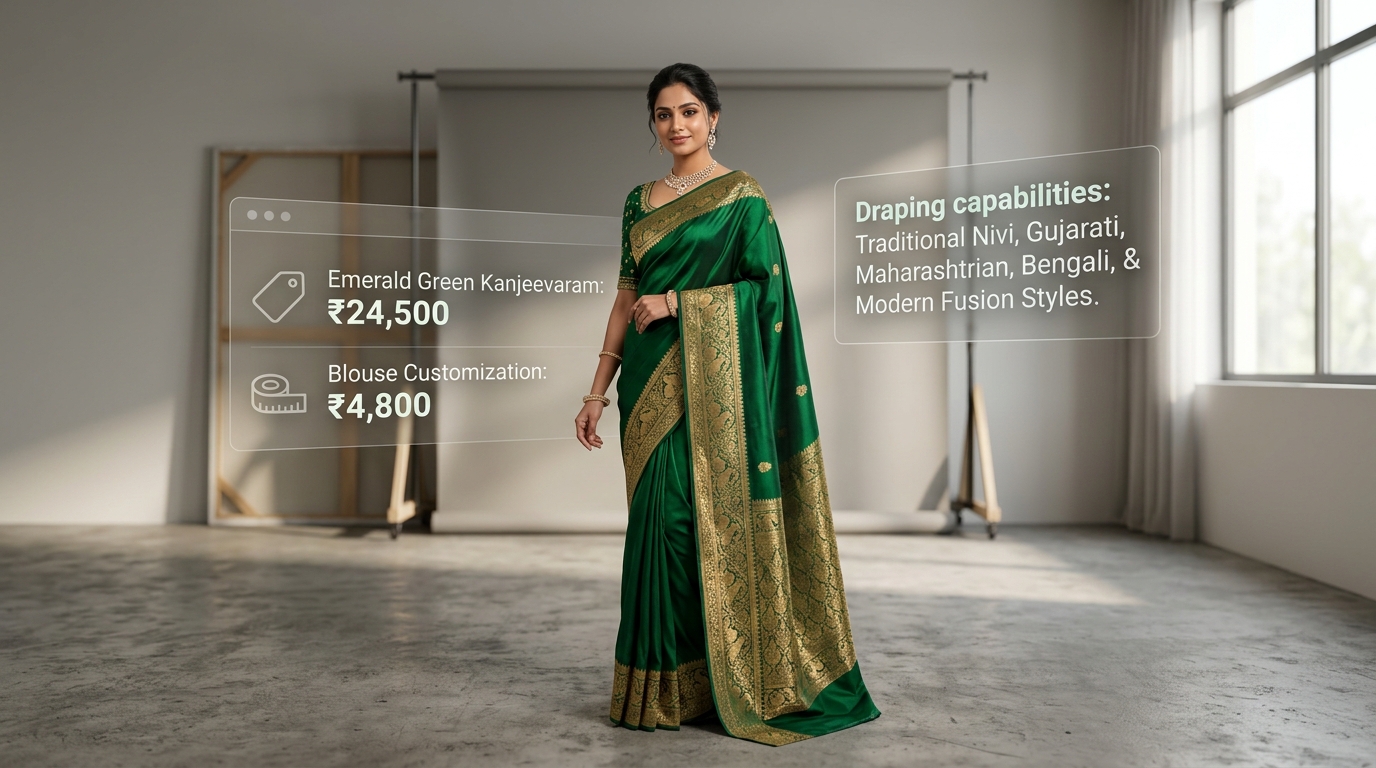
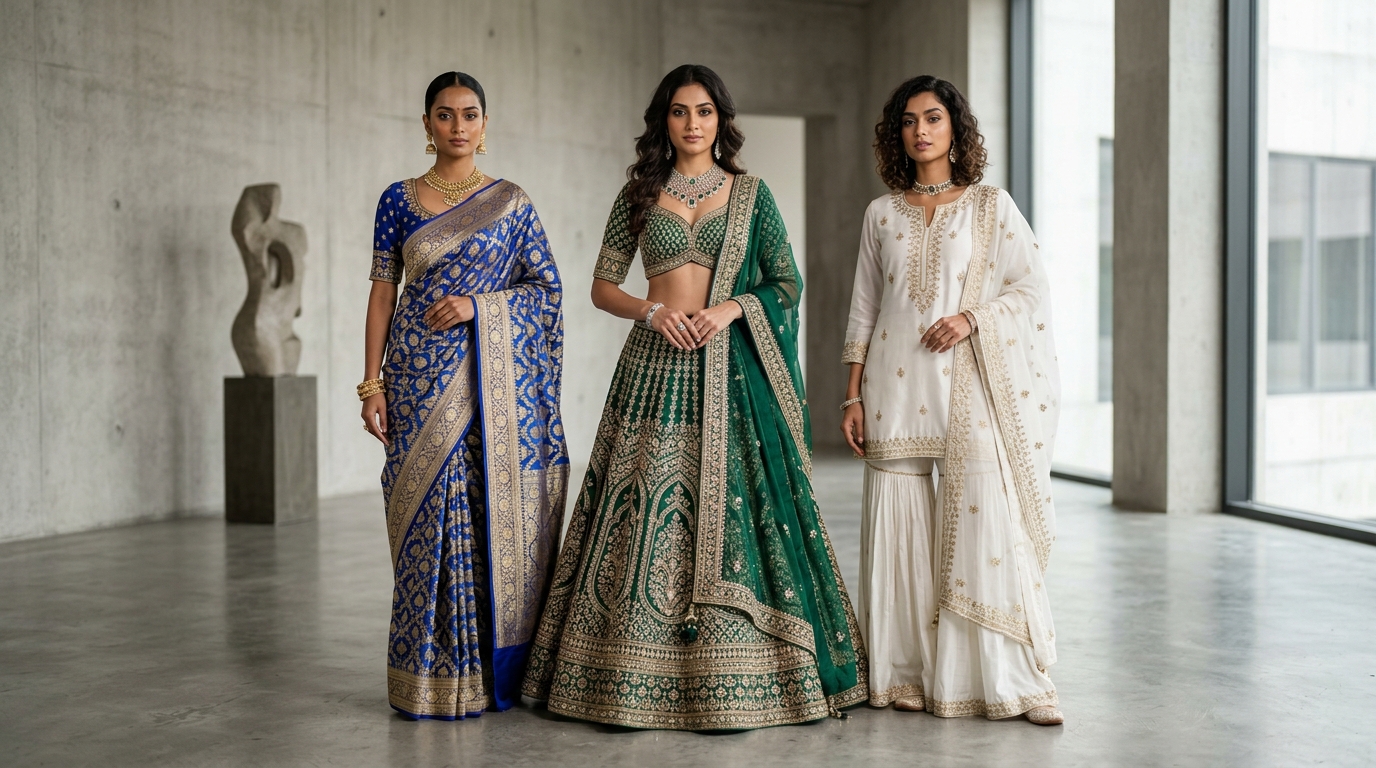
The framing most tools use here is dishonest. They present the photographer as an expensive legacy option and generation as the obvious upgrade. That is not what happens in practice. Brands that do this well end up with a smaller, sharper photography budget spent on the shots that genuinely need a camera, and generation covering the volume underneath.
Where a photographer is worth every rupee
- Brand campaign imagery. A location, a specific art direction and real talent produce something with a point of view. That is the job of a creative director and a photographer, not a generator.
- Fabric that has to be felt. Heavy structured tailoring, technical performance fabric, anything with unusual drape or sheen where the buying decision hinges on how the material moves.
- Fit-critical categories. Denim, swimwear, tailoring, lingerie — anywhere returns are driven by fit and a customer needs to see it on a real body.
- The first shoot of a new collection, where you are still discovering how the pieces look together.
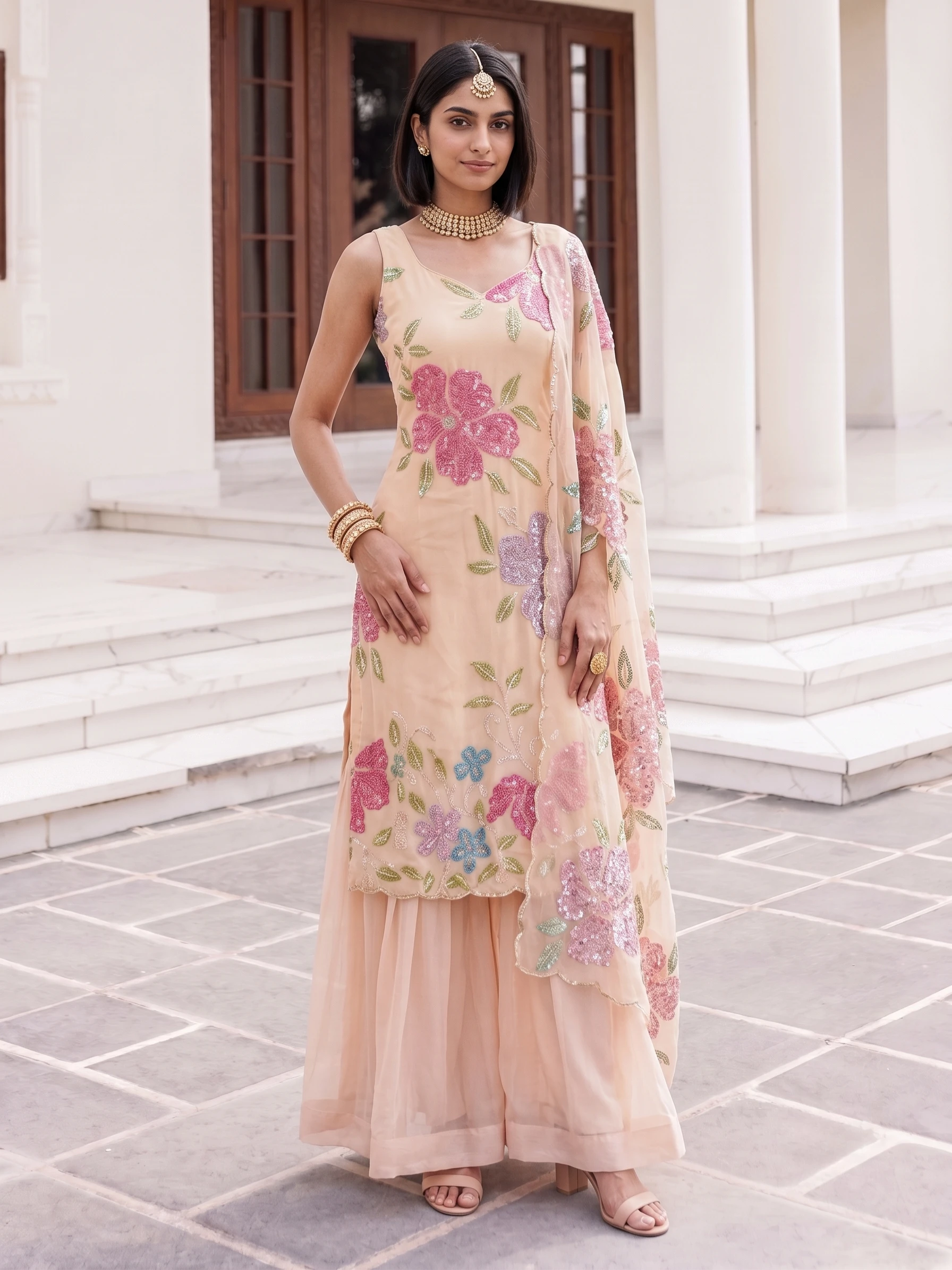
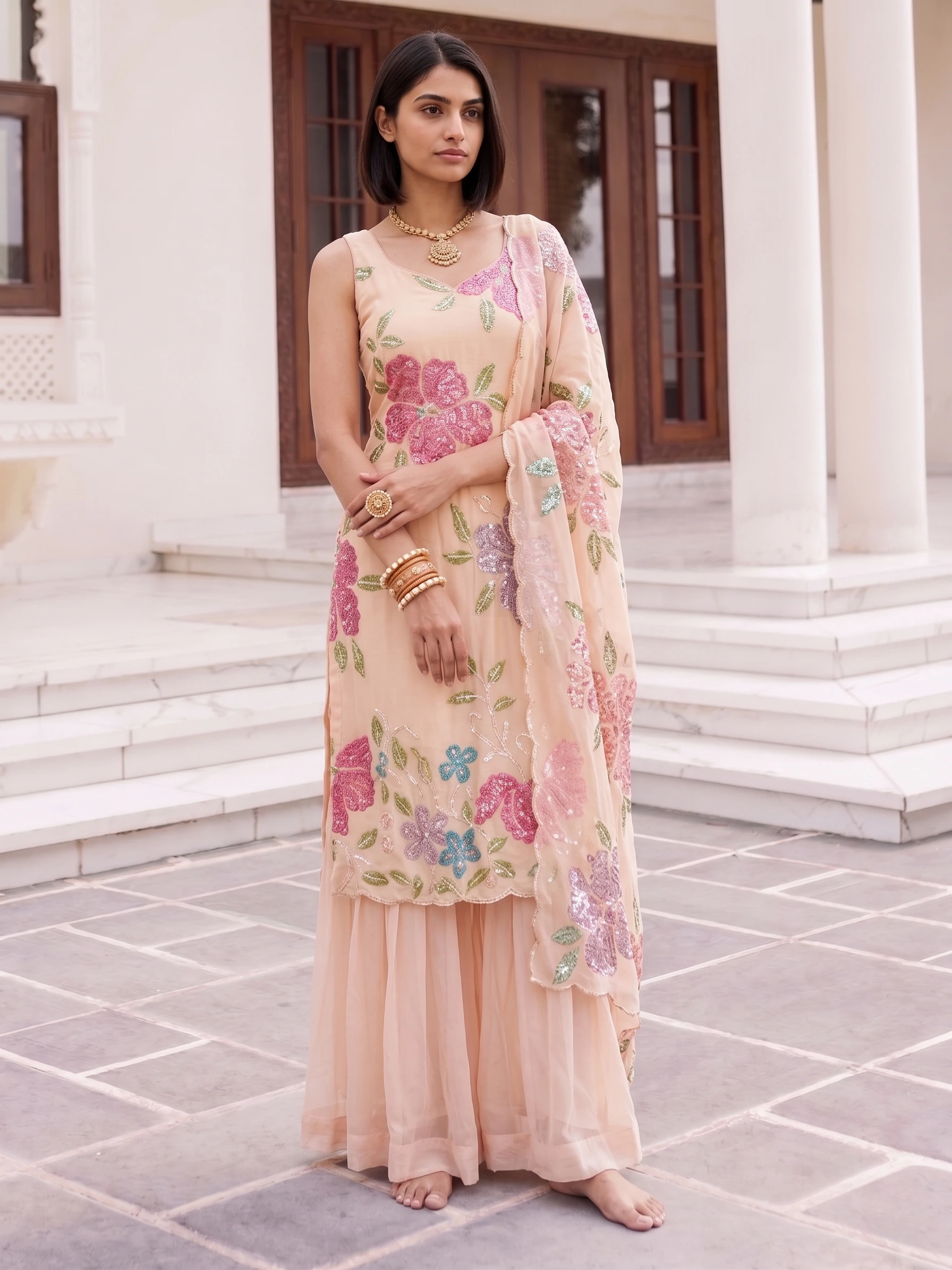
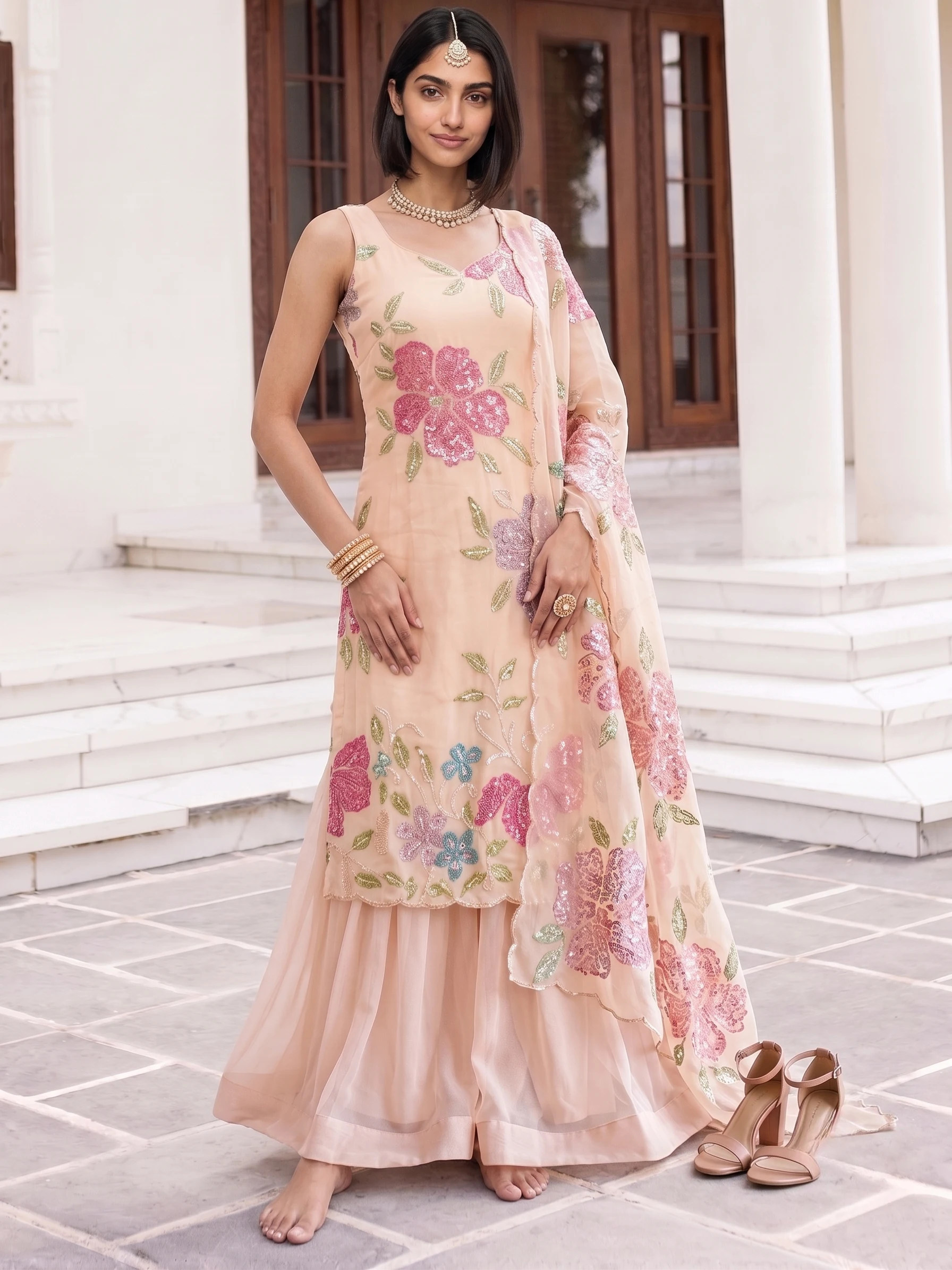
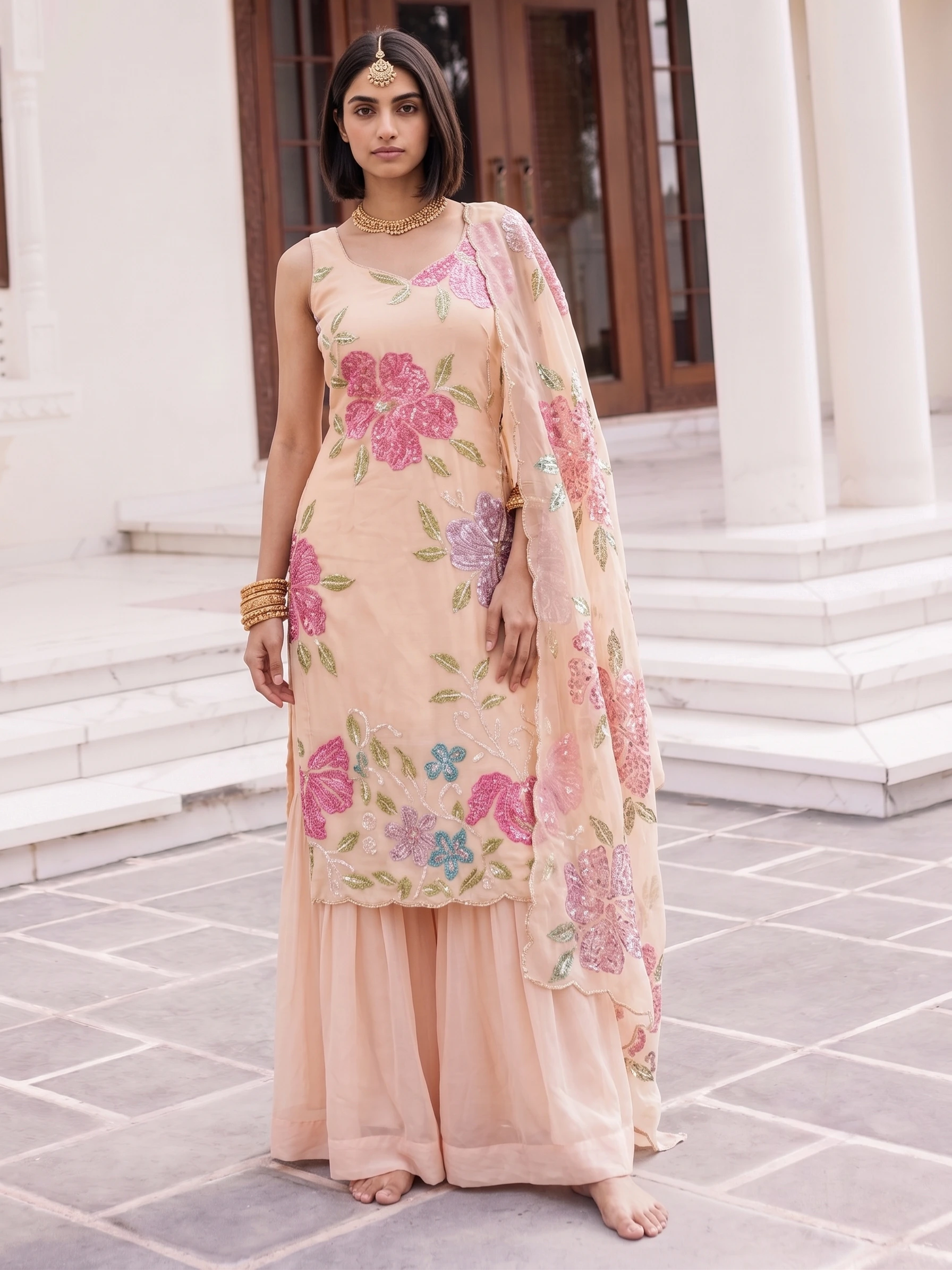
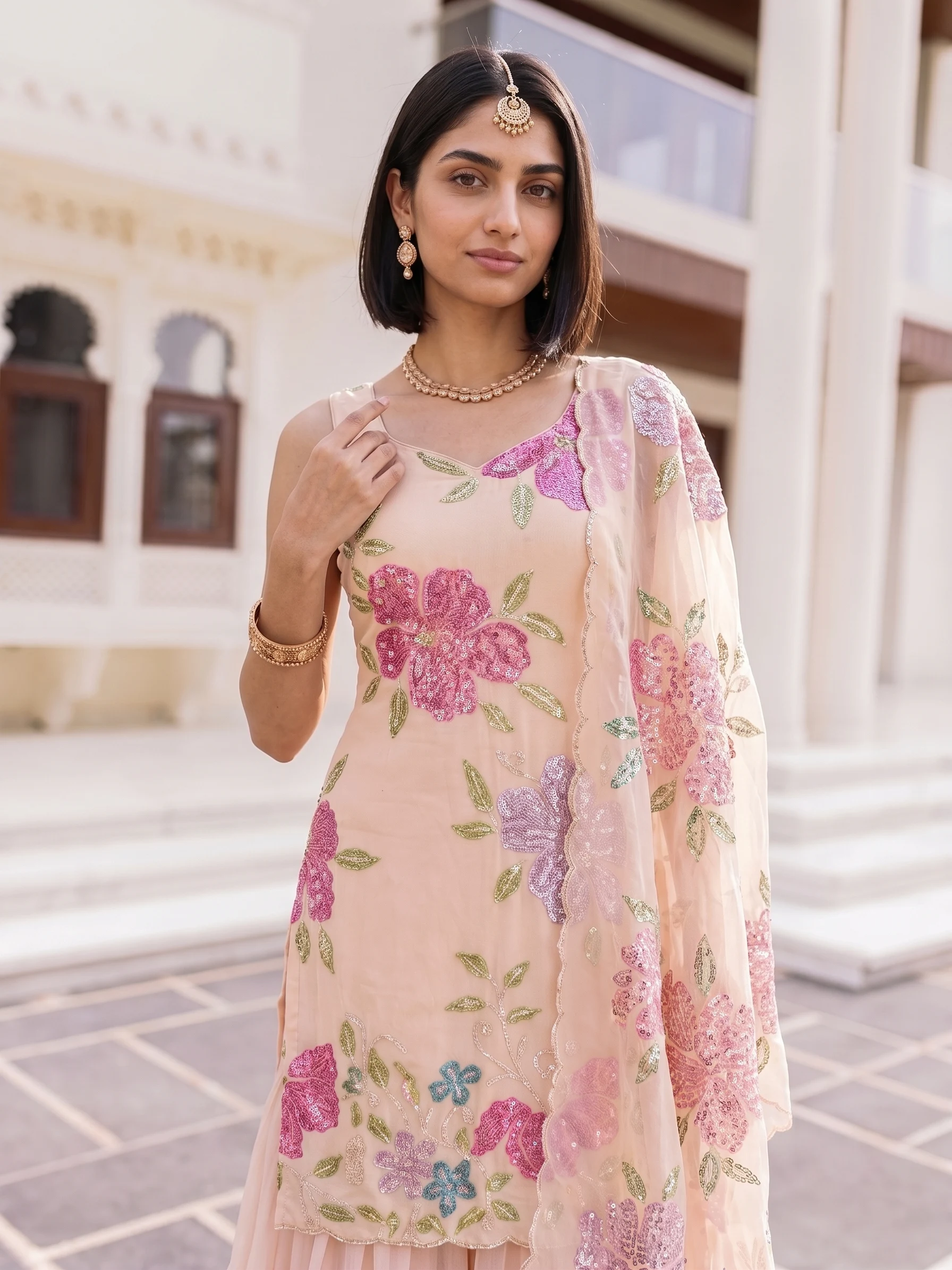
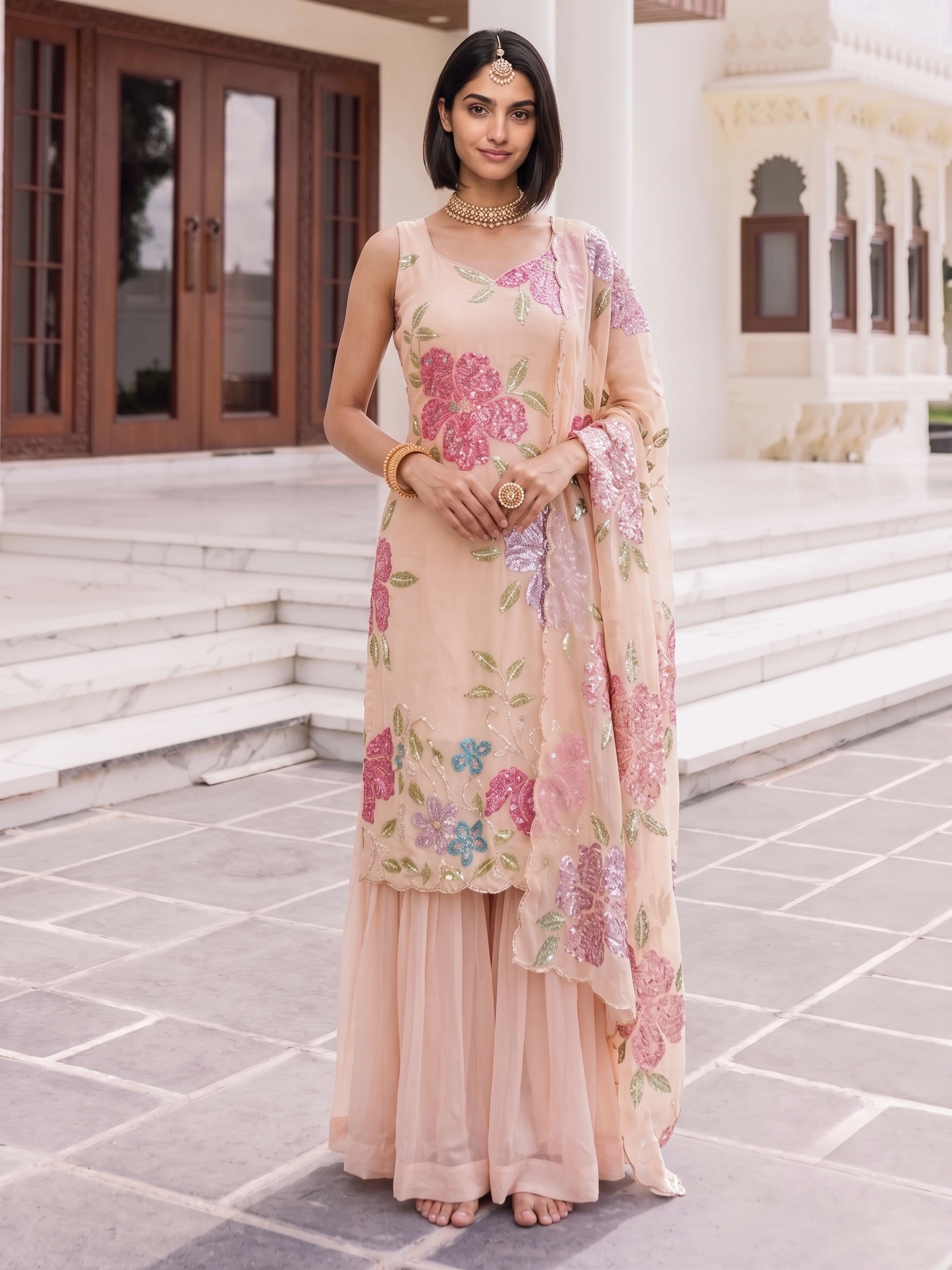
None of these frames would justify a shoot day on their own. Together they are the difference between a product page that answers a shopper's questions and one that does not — and that is the work worth moving off the photographer's schedule.
Where generation wins outright
- Colourways. Fifteen versions of a shot you already have, each a different fabric colour, is a maddening reshoot and a trivial generation.
- The long tail. The SKUs that never justify studio time and end up on a white background forever.
- Marketplace variants. Different crops, aspect ratios and background rules for each channel, from one source image.
- Seasonal refreshes of existing SKUs — new background, new mood, same garment, no sample shipping.
- Testing. Trying six creative directions before committing a shoot budget to one.
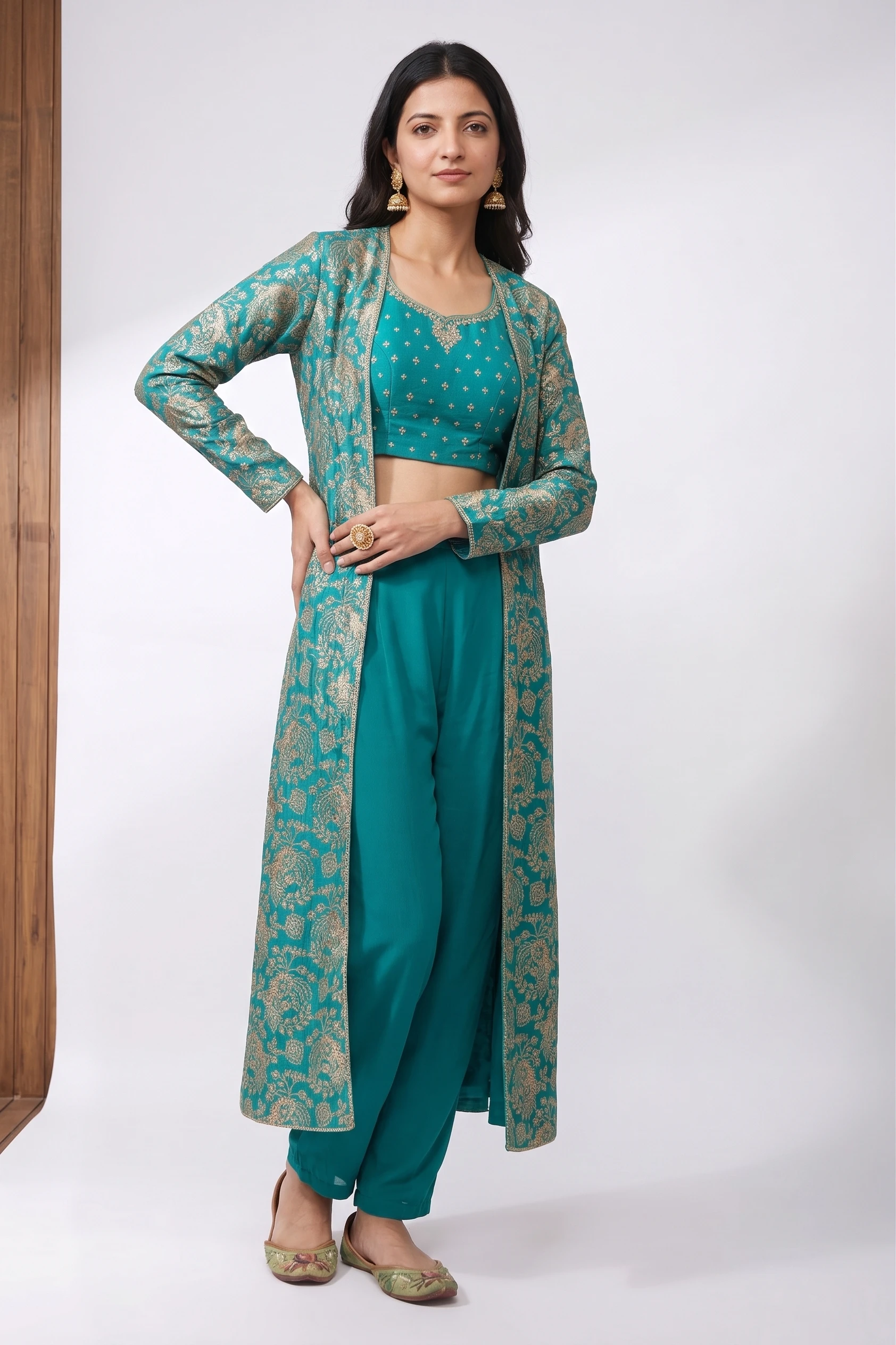
The comparison that actually matters
Cost per image is the number everyone quotes and the least useful one. Three others predict whether a change will work for you:
Turnaround
A shoot is a scheduling problem. Booking, samples, the shoot day, selects, retouching — two to six weeks is normal, and it is mostly waiting, not working. Generation collapses that to the same afternoon. For a brand dropping weekly, that difference decides what you can even attempt.
Marginal cost
A photographer's cost is roughly linear in the number of looks. Generation is close to flat past the setup. If your catalogue is growing, the two curves diverge, and where they cross is the honest decision point — not a percentage saving on a single image.
Revision cost
This is the underrated one. With a shoot, wanting a warmer background after the fact means a reshoot or a compromise. With generation, it means regenerating. Teams behave differently when changing their mind is free — they iterate instead of settling, and the published work is usually better for it.
The brands who get the most out of this do not fire their photographer. They stop asking their photographer to shoot 400 white-background SKUs.
| Photographer | Generation | |
|---|---|---|
| Turnaround | 2–6 weeks, mostly scheduling | Same afternoon |
| Marginal cost per extra look | Roughly linear | Close to flat |
| Cost of changing your mind | A reshoot, or a compromise | A regeneration |
| Fabric drape and texture | Unmatched | Good, not definitive |
| Fit-critical categories | The right call | Use with care |
| Colourways of an existing shot | Full reshoot | Trivial |
| Art direction and point of view | The whole value | Follows your brief |
A practical split
A pattern that works: one or two real shoots a year for campaign and hero imagery, generation for catalogue depth, colourways and channel variants. The photography budget goes down, the quality of what you shoot goes up because it is no longer diluted across hundreds of routine frames, and the catalogue gets images it was never going to get otherwise.
Brand kit — your logo on every shot
Upload your logo once and set exactly where it sits — corner, size, opacity and padding — against a live preview. Every shot can then be downloaded with your branding already applied, at full resolution, so the file you hand to a marketplace or a reseller is already yours.
It is applied at download, not baked into the render, so the same shot can go out branded to one channel and clean to another without regenerating anything — and changing the logo later does not cost you a single credit.