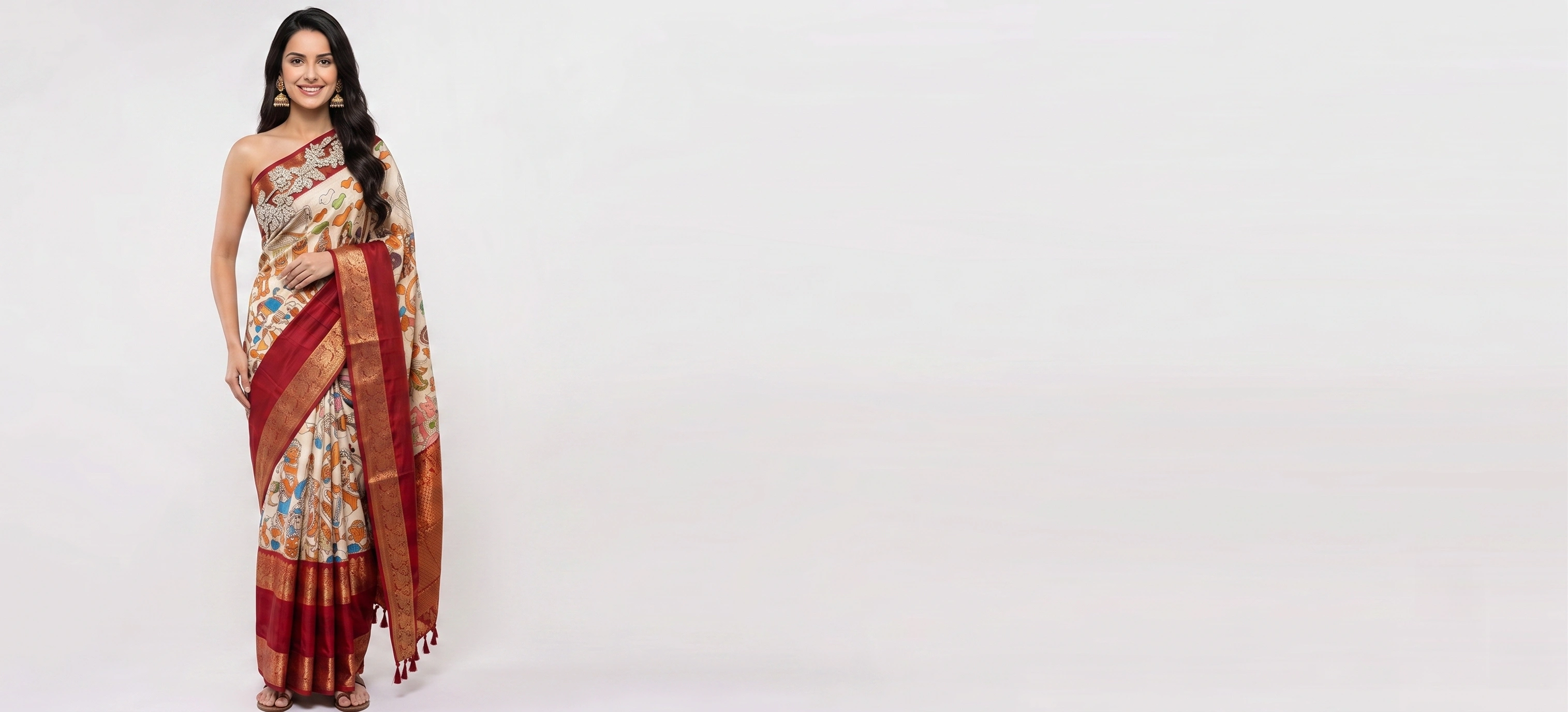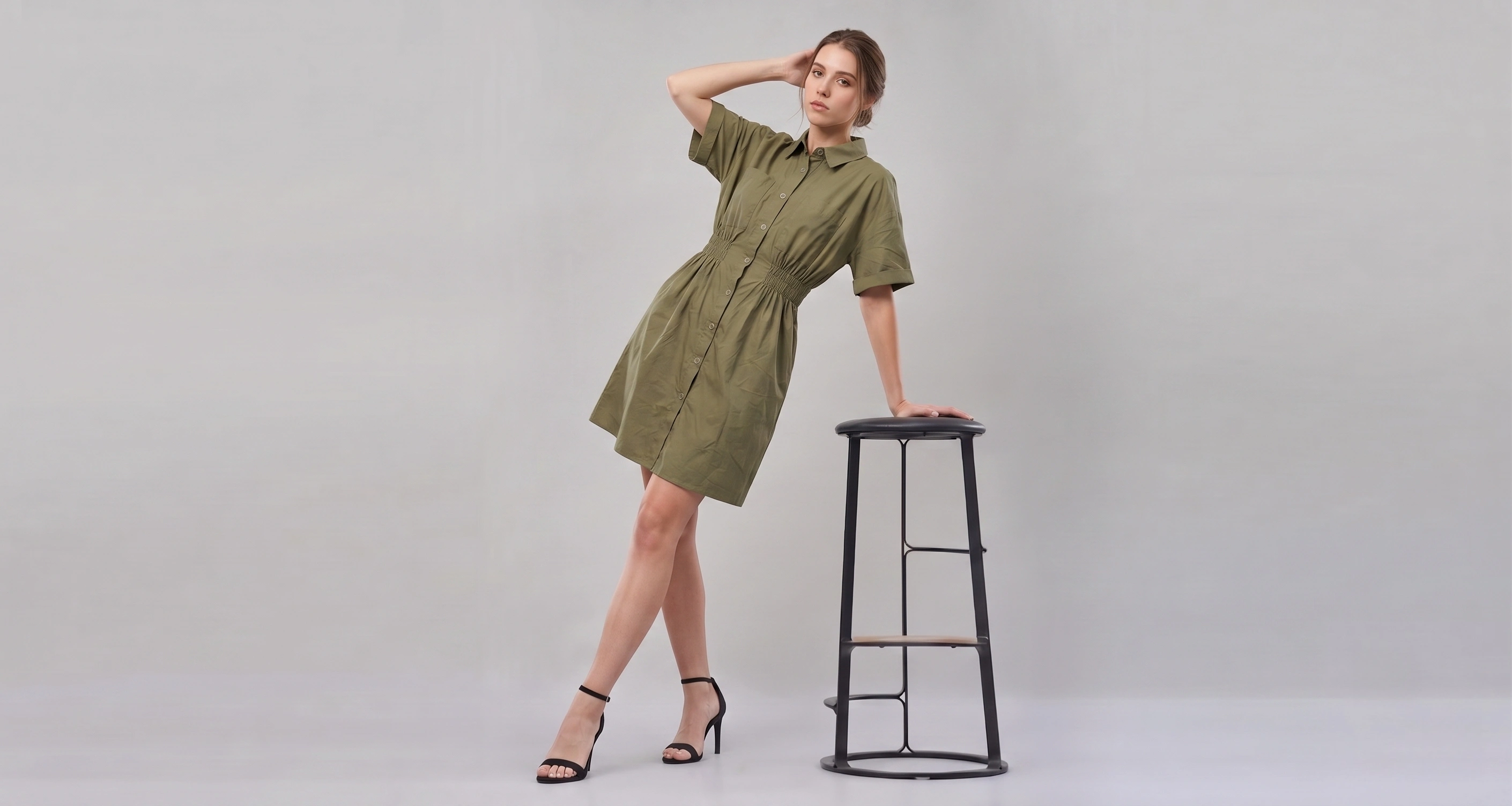
Small brands are caught in a specific trap. Good imagery drives conversion, but a shoot costs more than the margin on the drop it is meant to sell. So you shoot less, publish fewer angles, and convert worse — which leaves even less budget for the next shoot.
The compounding cost of shooting less
The visible cost is the shoot you did not do. The hidden cost is everything downstream: products listed with a single flat-lay, no lifestyle imagery for paid social, no seasonal refresh, marketplace listings that lose to competitors with fuller galleries. Each of those is a conversion gap, and they add up faster than the shoot would have cost.
What changes at small scale
- You can shoot the long tail. Every SKU gets on-model imagery, not just the hero pieces.
- Colourways stop being a budget decision — generating a variant costs the same as the original.
- You can test. Two scenes, two models, see which converts, keep the winner.
- Seasonal refresh becomes viable: the same catalogue re-shot for a new campaign without re-booking anything.
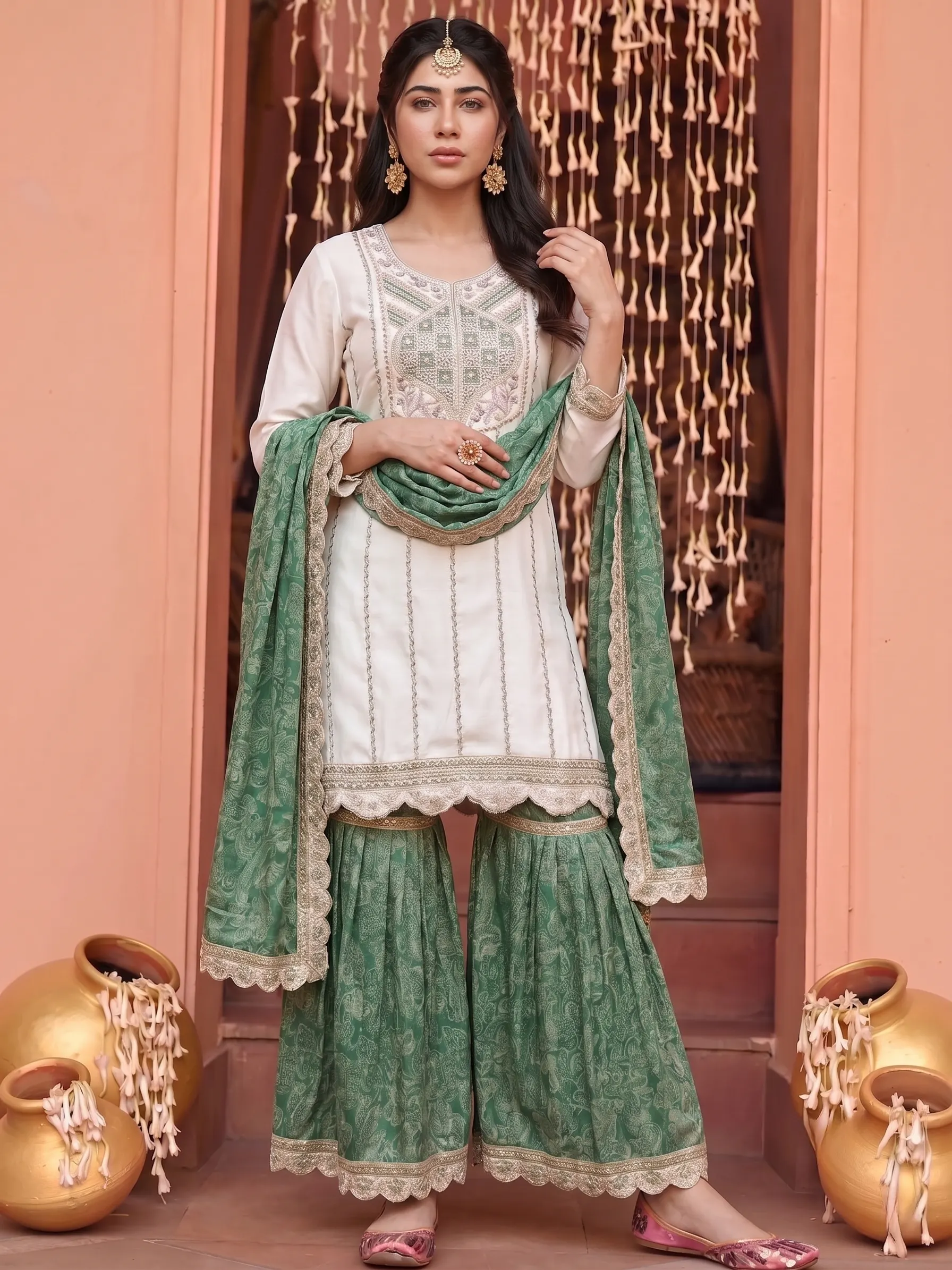

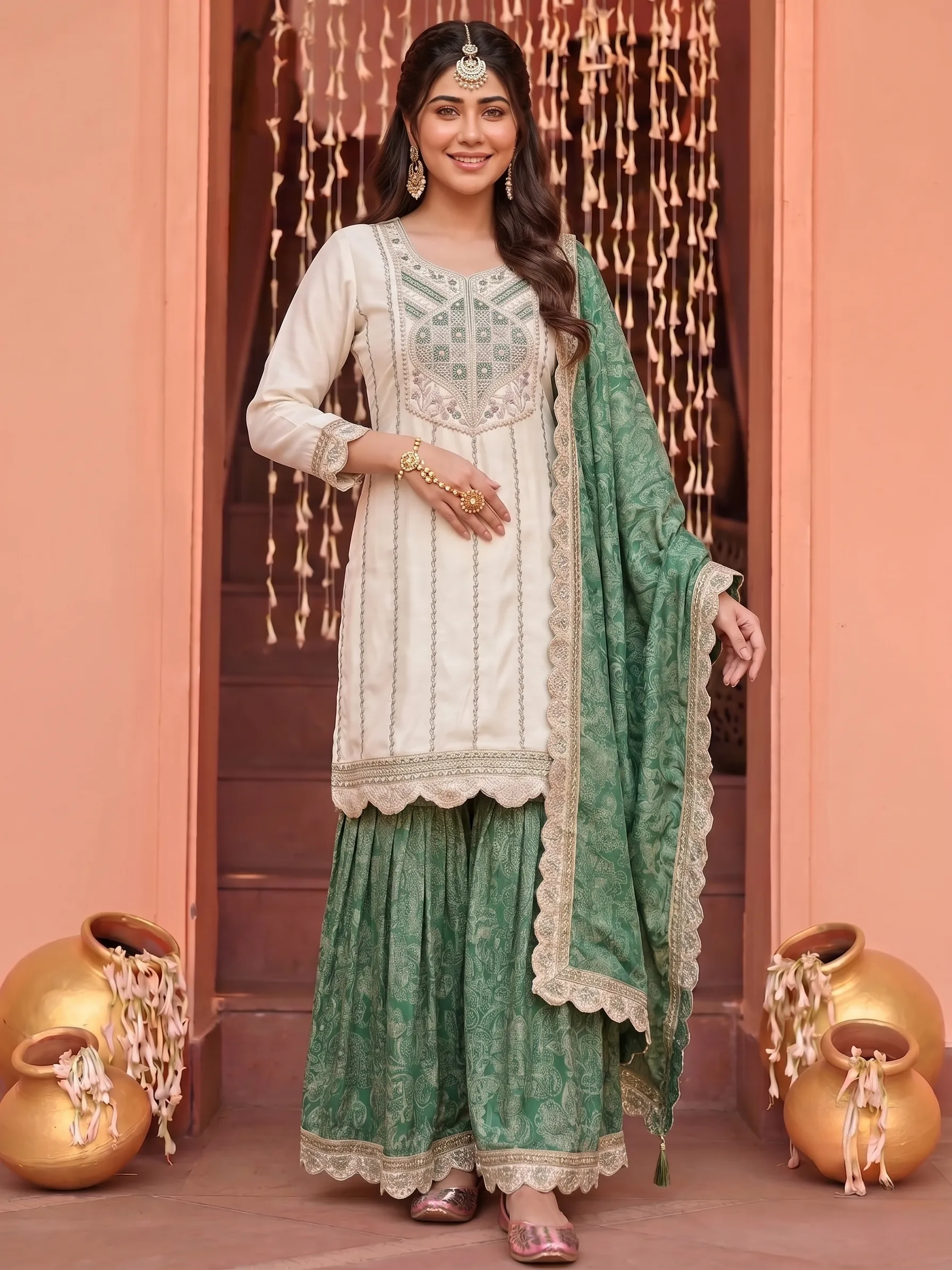
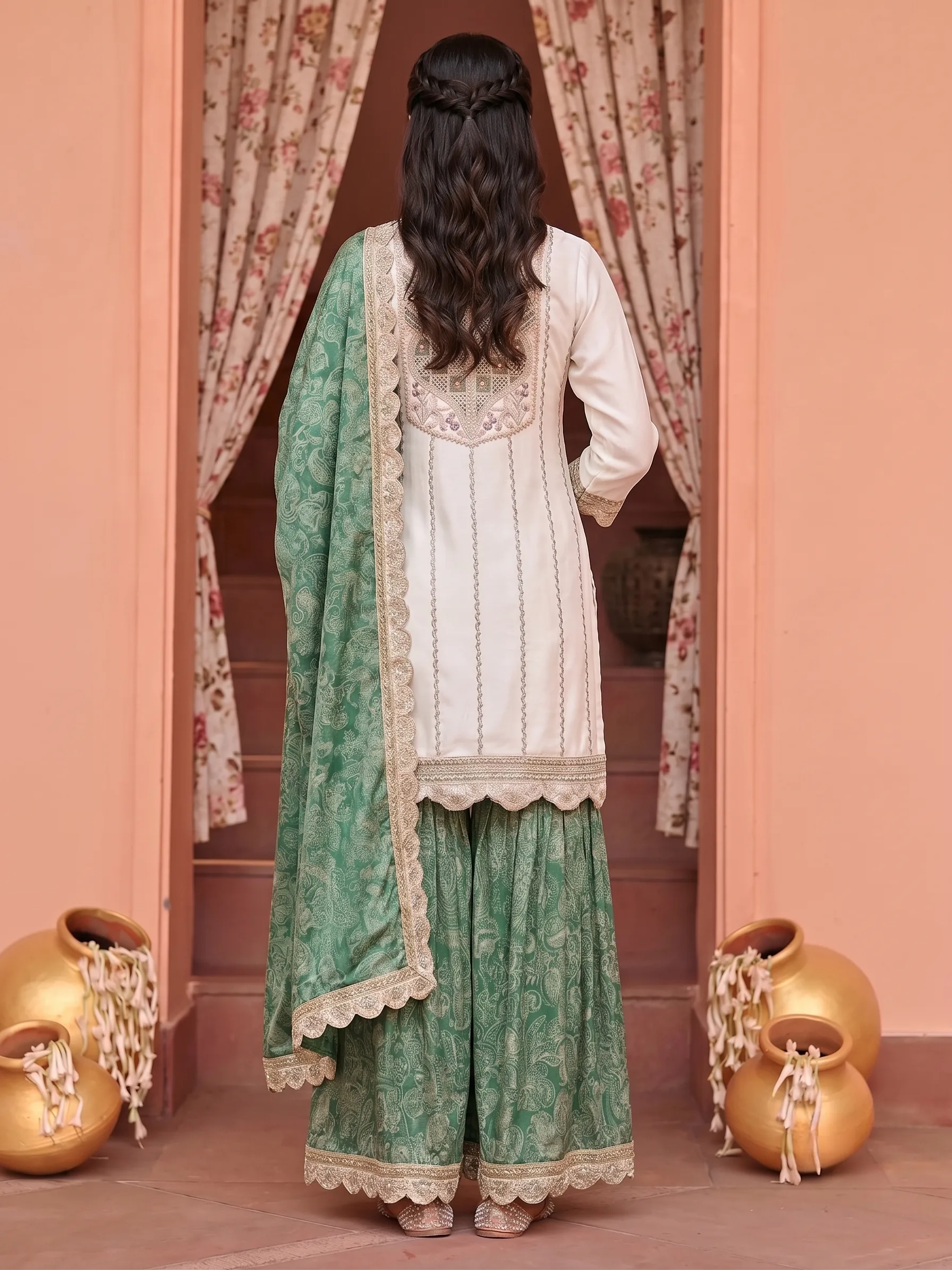
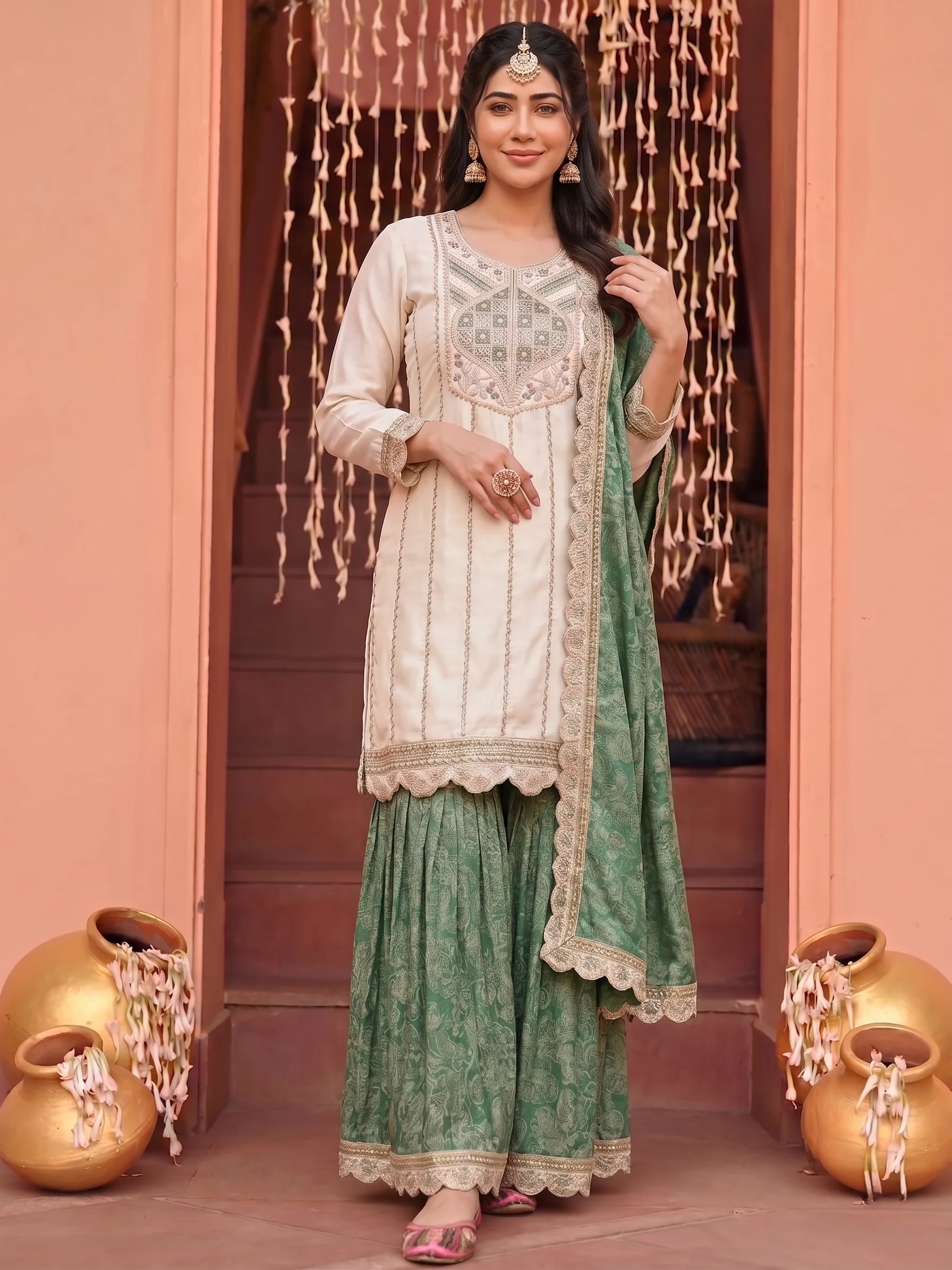
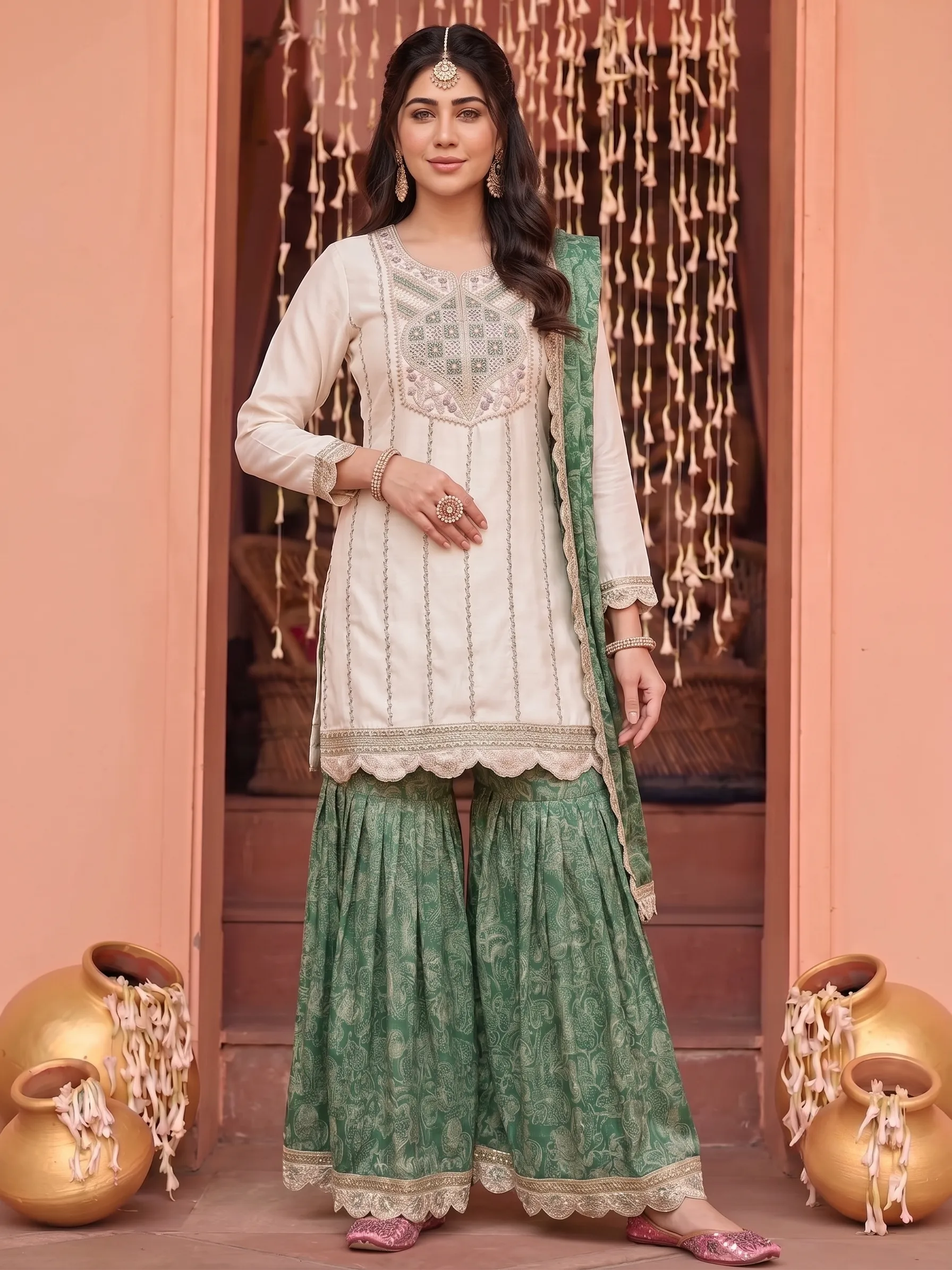
This is what a product page with six images looks like for a single SKU. For most small brands that set exists only for bestsellers, and everything else ships with one hanger photo — the gap is where the money quietly goes.
A realistic starting point
Start with your ten best-selling products, one model and one package. Generate a complete set for each, publish, and measure against the listings you did not change. That gives you a real number for your own catalogue rather than a projection, and it takes an afternoon.
The goal is not to replace a campaign shoot. It is to stop having products with no imagery at all.