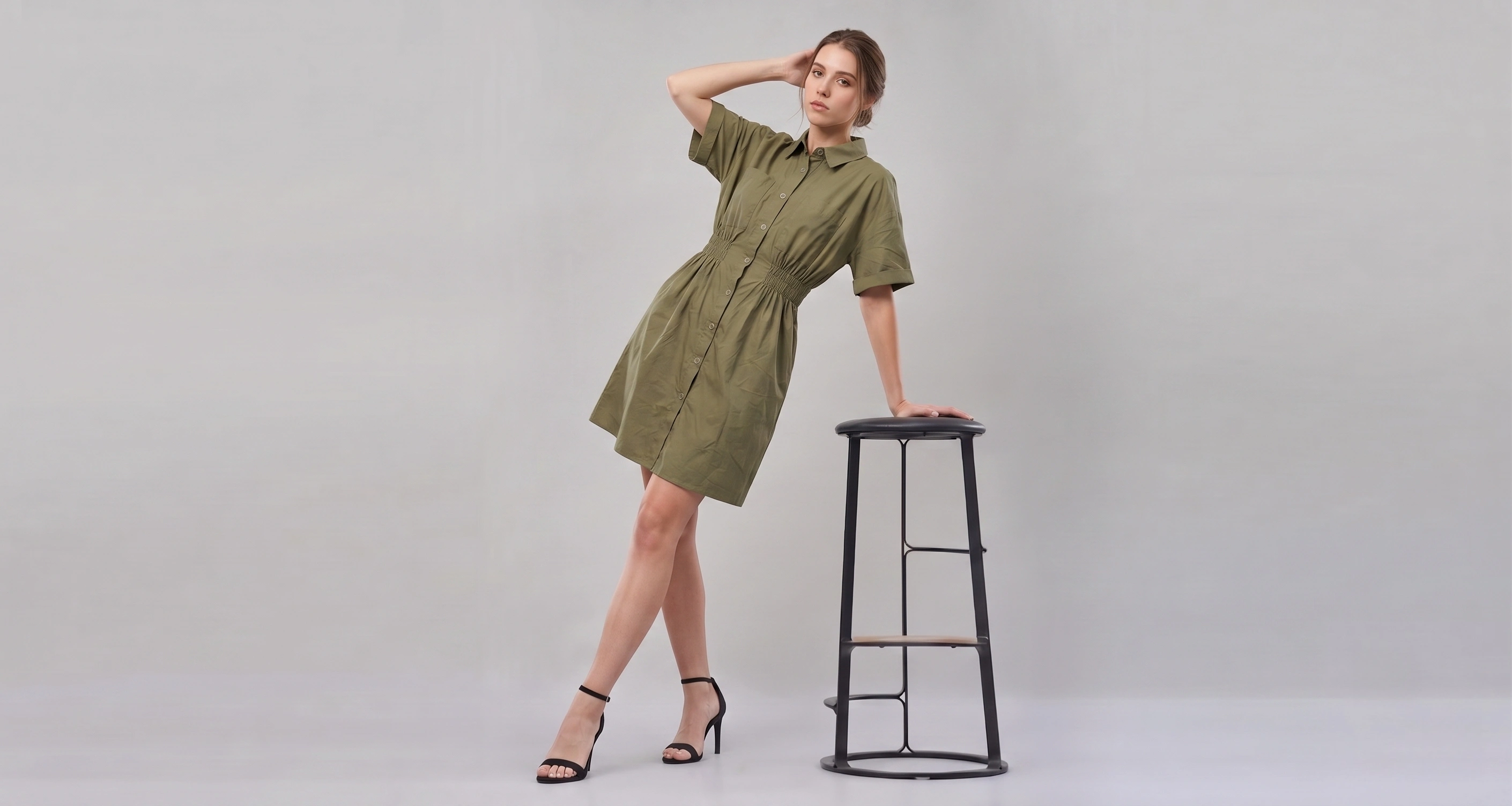
Listing image rejections are the most avoidable delay in ecommerce. They happen days after upload, they block the listing, and they are almost always about specifications nobody read rather than image quality.
The rules that vary by channel
Requirements change, so check the current spec for each channel before a big upload rather than trusting a blog post — including this one. What is stable is the shape of the requirements:
- Primary image background — most large marketplaces require pure white on the main image. Lifestyle and on-model shots go in the secondary slots.
- Fill ratio — the product must occupy a minimum share of the frame, commonly around 85%. Too much white space is a rejection.
- Minimum dimensions — driven by the zoom feature. Under-sized images are either rejected or lose zoom.
- Aspect ratio — square is the safe default; some fashion channels prefer or require a portrait ratio.
- No text, logos, watermarks or borders on the primary image. This one catches out a lot of brands who add a size chart overlay.
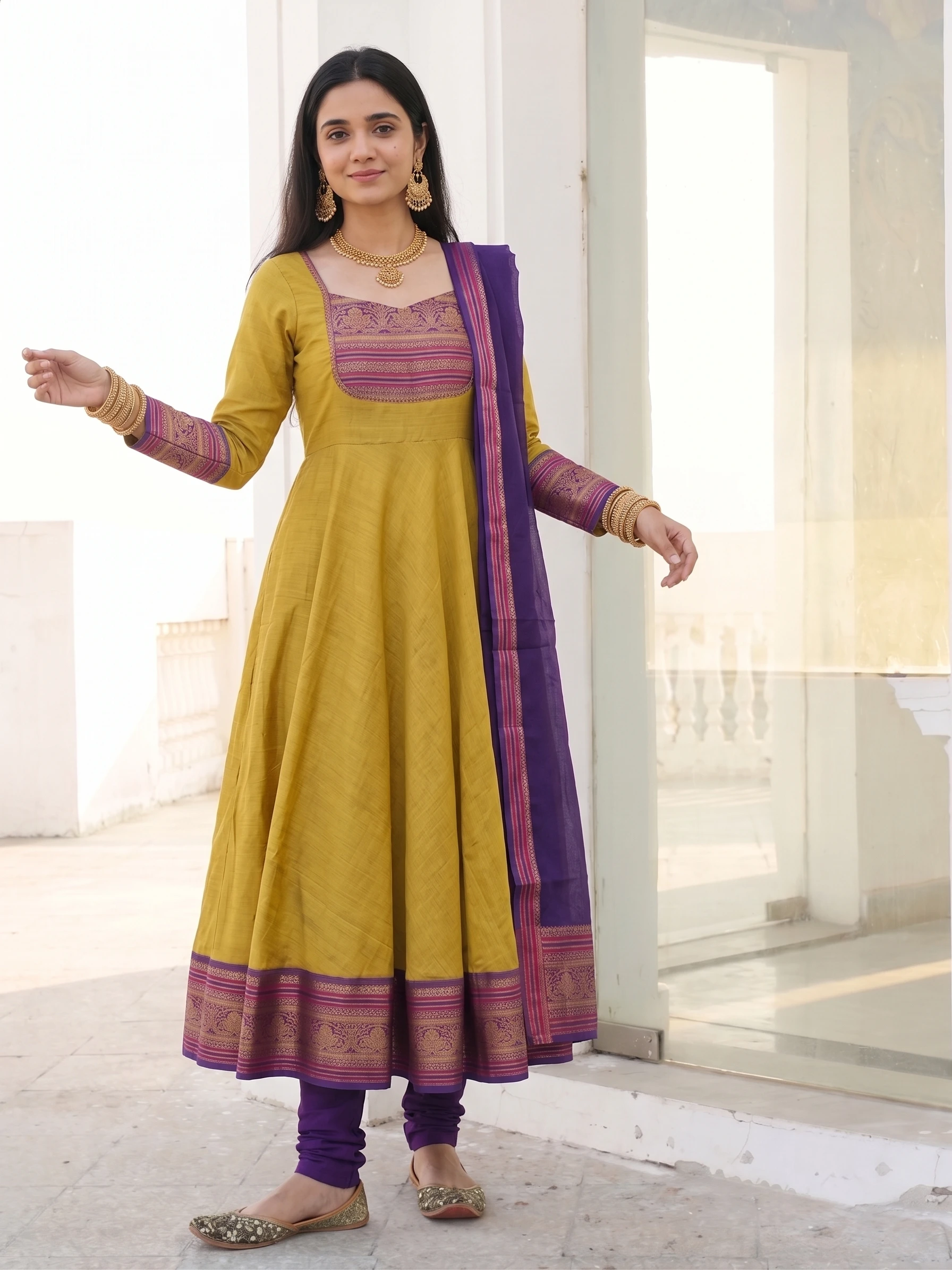 Product page
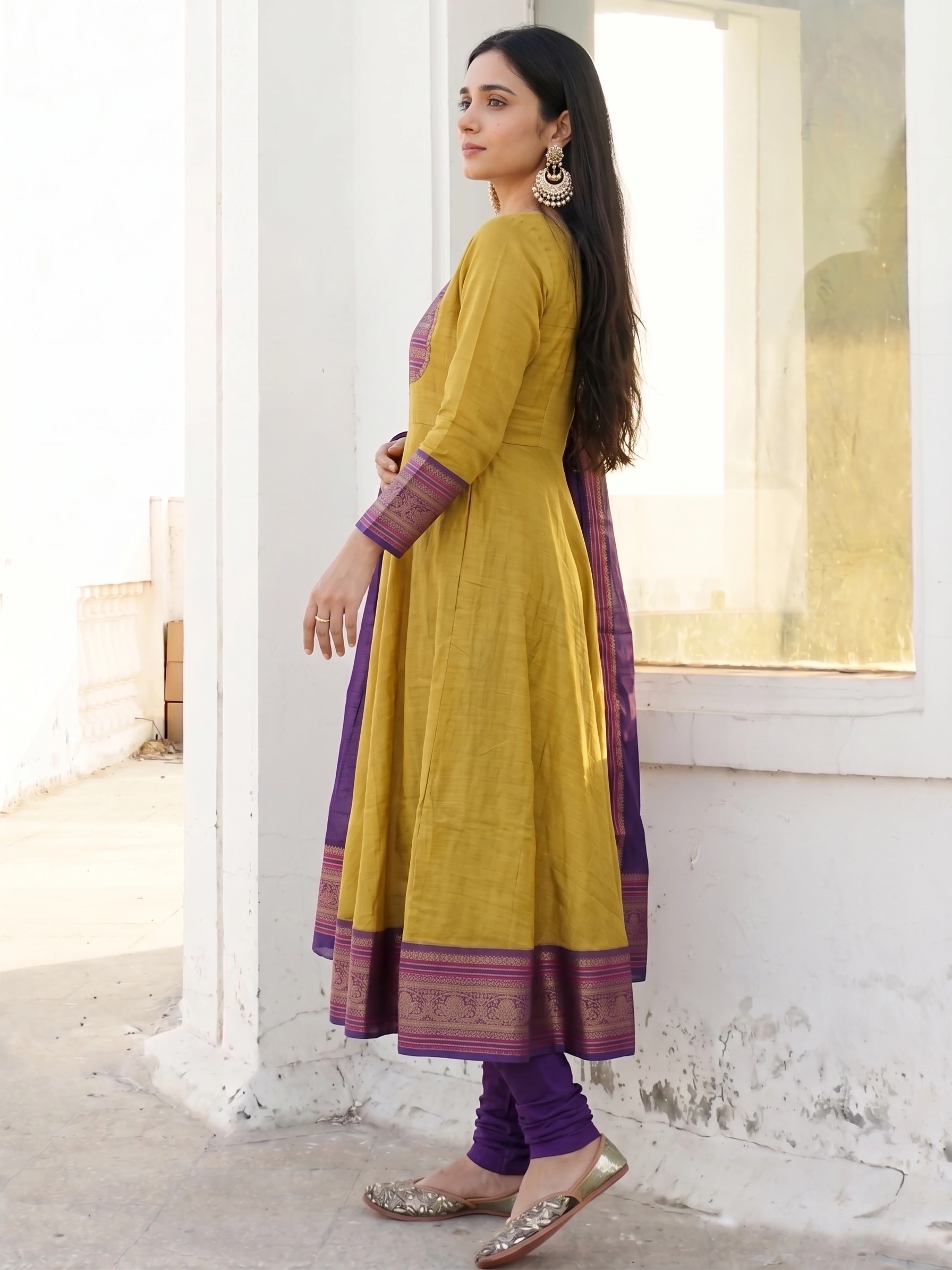 Editorial
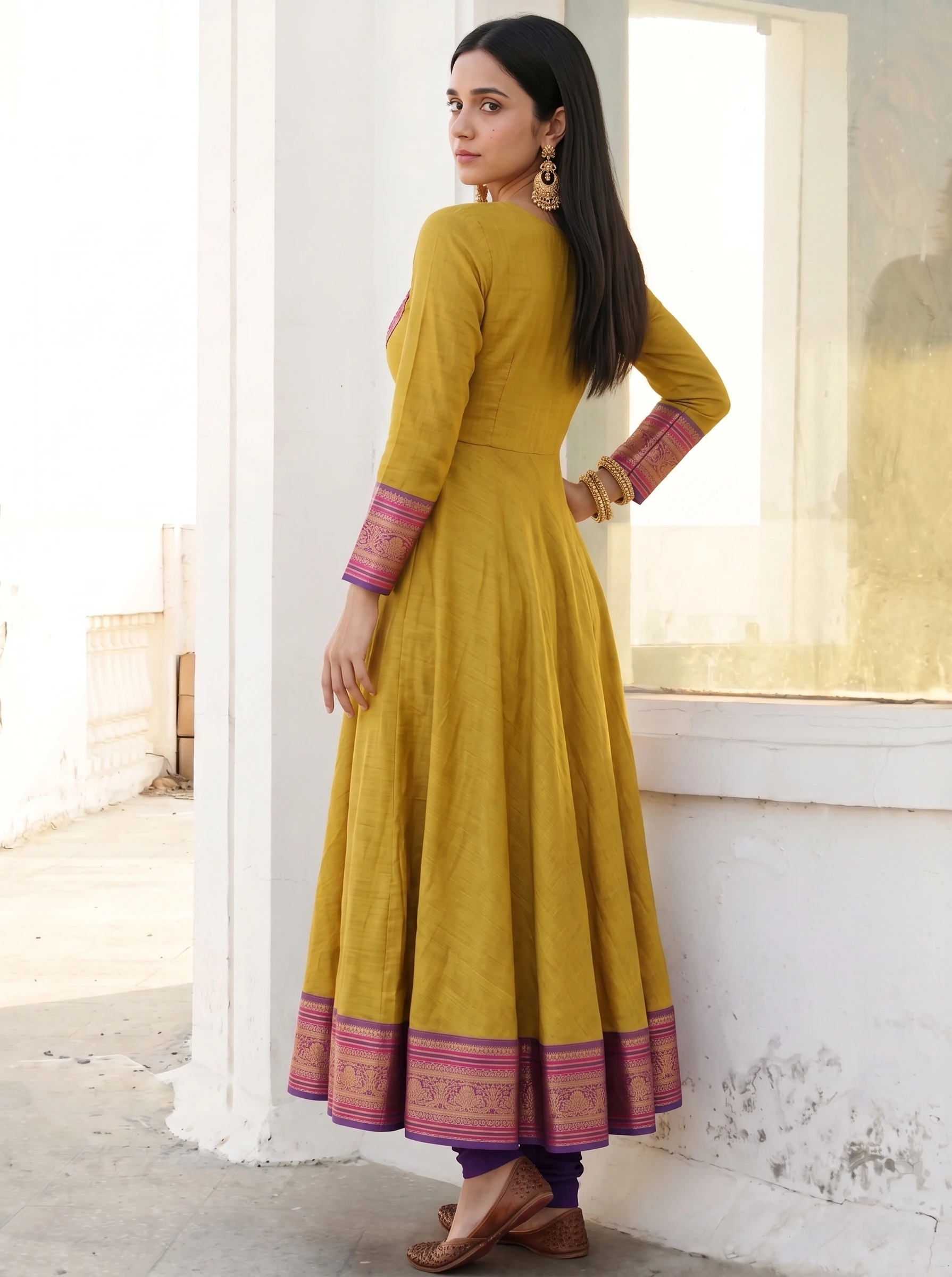 Festive
 Close crop
The primary passes review; the frames after it do the selling. Producing them as one set — rather than cropping a single master down per channel — is what keeps every slot composed rather than salvaged.
Produce one set, export many
The efficient approach is to decide the image set per product once, then generate each channel's version rather than cropping a single master down and hoping.
Image two does more for conversion than image one. Image one just has to pass review.
- Primary — clean background
Meets the strictest channel's rules. Its only job is to pass review.
- On-model, full length
Fit, drape and proportion. This is where the buying decision happens.
- On-model, three-quarter
Styling context — how it is worn and what it goes with.
- Detail crop
Fabric, embroidery, hardware, stitching.
- Back or alternate angle
Answers the question the front cannot.
- Scale or styling shot
Where the channel permits lifestyle imagery.
Order matters more than most brands think
Shoppers swipe. The second and third images are where the buying decision actually happens, which is why a catalogue with a compliant primary and nothing behind it underperforms even when every rule is satisfied. If you only have budget to improve one thing, improve image two.
- Primary image on a pure white background
- Product fills the required share of the frame (commonly ~85%)
- Meets the channel's minimum pixel dimensions for zoom
- Correct aspect ratio — square is the safe default
- No text, logos, watermarks or borders on the primary
- Secondary slots carry the on-model and lifestyle shots
- One product run end to end and approved before bulk upload
Before you bulk upload
Run one product through the full pipeline and get it approved before generating four hundred. Ten minutes of validation against a live listing beats discovering a fill-ratio problem after the whole catalogue is queued.