The best AI tools for clothing brands in India depend on the job: model photos, shopper try-on, background clean-up or catalogue output. This guide covers seven tools read from their own sites on 15 October 2026, with published prices where they exist, and places Vastralook, our own product, among them with its limits.
Clothing brands use AI in four places: making model photos from a garment photo, letting shoppers try clothes on, cleaning up product photos, and shaping a catalogue for a marketplace. Below, each tool is placed in the job it does best. We read each site on 15 October 2026 and say plainly when a page did not publish a price or a limit.
1. Best AI tools for clothing brands in India: the shortlist
| Tool | Main job | Published price (own site) | Free start |
|---|---|---|---|
| Vastralook | Model photos, saree drape, catalogue output | Credit packs from ₹250 | up to 4 free 2K images |
| DrapeIt (Drape.Studio) | Model photos, managed service | ₹540, ₹1,440, ₹3,000 prepaid packs | Up to 3 images at 1K, or 2 at 2K |
| AI Vastra | Catalogue photos, shopper virtual try-on, video | Catalogue from ₹1,000; ₹10 per photo pay-as-you-go; try-on ₹5 each | Free sample catalogue photo |
| Glamolic | Model photos and short videos | Not readable on the page we fetched | Offered; terms not stated |
| FASHN | Virtual try-on, model generation, API | US$19, US$49, US$99 a month | 10 credits |
| Botika | Model photos and video, billed annually | US$46 (Pro) and US$40 (Advanced) a month, billed annually; the page's own figures look inconsistent | Free trial offered; credits not listed |
| Pebblely | Product backgrounds and scenes | US$9, US$19, US$39 a month | Not listed on the page |
| Photoroom | Background editing, AI models, exports | Plan prices not shown on the page we fetched | Trial offered on two plans |
2. Model photos from a garment photo
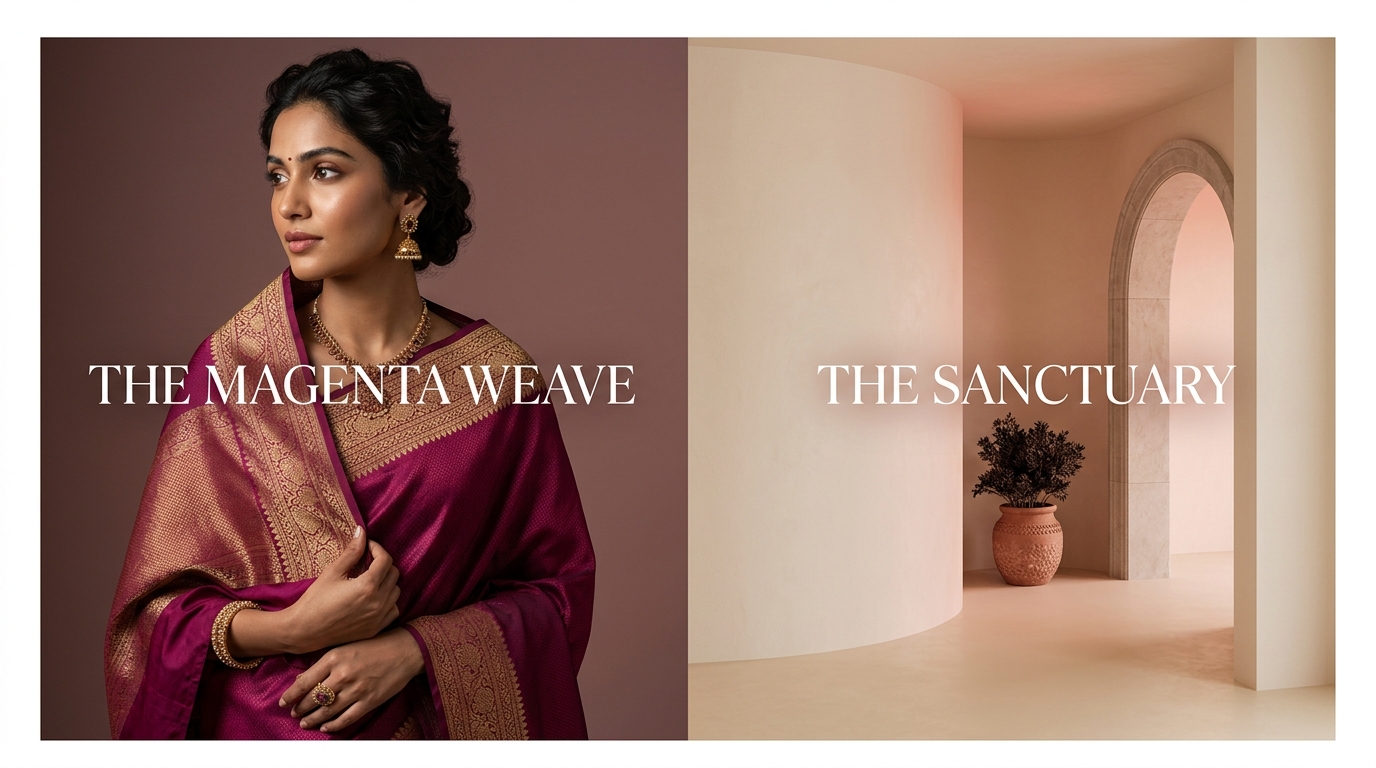
Vastralook, DrapeIt, AI Vastra, Glamolic and Botika all do this. On Vastralook you upload a garment photo, pick a model and style, and either generate yourself (about ₹20–₹25 at 1K, ₹40–₹50 at 2K) or place a Create order (about ₹10–₹13 at 2K, usually ready in 3–4 minutes). Output goes up to 4K, which costs 2 times a 1K image when you generate it yourself. Limit: stills only, no video, no shopper try-on.
DrapeIt publishes three prepaid packs and a managed service for larger volume. AI Vastra publishes the lowest per-photo rate of the Indian tools we read, at ₹10 pay-as-you-go, but does not state output resolution. Glamolic lists 4K and video but its prices did not load. Botika bills annually in dollars and includes video and retouch rounds. We compare the Indian ones in their own posts.
3. Virtual try-on for shoppers
Try-on is a different job: a shopper sees a garment on their own body. AI Vastra lists a virtual try-on for websites and in-store kiosks, priced at ₹5 per successful try-on pay-as-you-go. FASHN lists virtual try-on among its features alongside model generation and an API. Vastralook does not offer try-on. If shopper try-on is the main goal, start with these two.
4. Backgrounds and product-photo clean-up
Pebblely creates product scenes and backgrounds: US$9 a month for 30 images, US$19 for 200 and US$39 for 500 on its page, from which the per-image rate is roughly US$0.30, US$0.10 and US$0.08. Photoroom lists AI backgrounds, AI fashion models and exports on three plans (8,000, 25,000 and 75,000 credits a month) but its page showed no prices. These tools suit clean-ups and scenes; for putting a garment on a model with saree or ethnic-wear control, see the photography tools above.
5. Where Vastralook fits, and where it does not
- Sarees where the pallu and border must land exactly: cut editor, pallu line and repeat lines in Drape Studio.
- Pay-as-you-go credits from ₹250, or monthly plans around ₹20–₹22 per 1K image.
- 1K, 2K and 4K output, and Create orders made by us.
- No shopper-side virtual try-on.
- No video.
- No human QC edit included in a plan.
6. How to choose in three steps
- Name the job
Model photos, try-on, backgrounds or video. Most brands need one or two of these first, not all.
- Check your garments
For sarees, lehengas or heavy borders, test one SKU in every tool you shortlist.
- Compare cost per usable image
Use the size you will publish at, not the headline rate, and ask about GST.
What are the best AI tools for clothing brands in India?
It depends on the job. For model photos, Vastralook, DrapeIt, AI Vastra and Glamolic are Indian options; for shopper try-on, AI Vastra and FASHN list it; for product scenes, Pebblely. Test one garment in each.
Which AI tool is cheapest for clothing photos in India?
On published numbers, AI Vastra lists ₹10 per catalogue photo pay-as-you-go and DrapeIt's biggest pack works out to about ₹11 per 1K image. Resolution, GST and quality differ, so compare cost per usable image.
Is there an AI tool for virtual try-on in India?
AI Vastra lists a shopper-facing virtual try-on for websites and kiosks. FASHN also lists virtual try-on. Vastralook does not offer one.
Which AI tool is best for sarees?
Look for control over the pallu, border and pleats. Vastralook's Drape Studio has a cut editor and pallu line. Other tools say they preserve the pallu but we found no manual controls described; test your own saree.
Do these tools work for kids' and bridal wear?
DrapeIt has dedicated bridal and kids pages, and AI Vastra lists kids and bridal wear. Check samples for your garment type before buying.
Are the prices in this guide current?
They are what each tool's own site showed on 15 October 2026. Prices change, so confirm on the vendor's page.
Sources
- DrapeIt — Pricing — Packs and trial; read 15 October 2026
- AI Vastra — Pricing — Catalogue and try-on plans; read 15 October 2026
- Glamolic — Home — Features; plans did not load; read 15 October 2026
- FASHN — Pricing — Plans and free credits; read 15 October 2026
- Botika — Pricing — Annual plans; read 15 October 2026
- Pebblely — Pricing — Monthly plans; read 15 October 2026
- Photoroom — Pricing — Plan limits; read 15 October 2026
Disclosure: Vastralook is our own product and appears in this list. Competitor details come from each tool's public pages on 15 October 2026 and may have changed. We have not tested the output of the other tools, so this guide ranks no one on quality.