Midjourney for fashion photography is great for concepts, but it works from a text description, so your exact garment is not guaranteed to appear. Vastralook starts from a photo of your garment and puts that piece on a model, with a dedicated drape workflow for sarees. Use Midjourney for ideas and Vastralook for listings.
If you have seen Midjourney's fashion images, you already know the quality is not the question. The question a clothing seller has is narrower and less glamorous: will the saree in the picture be the saree I am about to ship?
That is a different job from making a beautiful image, and it is why a good general image model and a catalogue tool end up in different places in a seller's week. This post is about where each belongs. We also compare Stable Diffusion at the end, because it is the usual next question.
1. Midjourney for fashion photography: a description or your garment
Midjourney works from text, with optional reference images that influence the style or content of the result. Ask for a maroon silk saree with a gold zari border and you get a maroon silk saree with a gold border. It will be a very good one. It will not be yours: the border width, the motif spacing and the pallu will all be invented.
Vastralook works the other way round. You upload a photograph of the real garment, and the studio puts that garment on a model. The thing that appears in the picture is the thing in your photo. If your photo is a bad flat lay, the result will show it, which is why we wrote a guide on how to photograph each garment before uploading.
| Vastralook | Midjourney | Stable Diffusion | |
|---|---|---|---|
| Starting point | A photo of your garment | A text prompt (plus optional reference images) | A prompt, plus whatever add-ons you set up |
| Garment fidelity to your SKU | Core purpose of the product | Not designed for it | Possible with technical setup; varies by setup |
| Same model across a set | Chosen model, kept across shots | Needs reference-image workarounds | Needs your own tuning |
| Saree drape and pallu control | Drape Studio with pallu and repeat lines | No | Only if you build it |
| Marketplace crops | Built into the studio | You crop and resize | You crop and resize |
| Learning curve | Pick a garment, model and style | Prompting and parameters | Highest: installs, models, nodes |
| Billing | INR, GST invoice | Subscription in US dollars | Free software; you pay for hardware or a host |
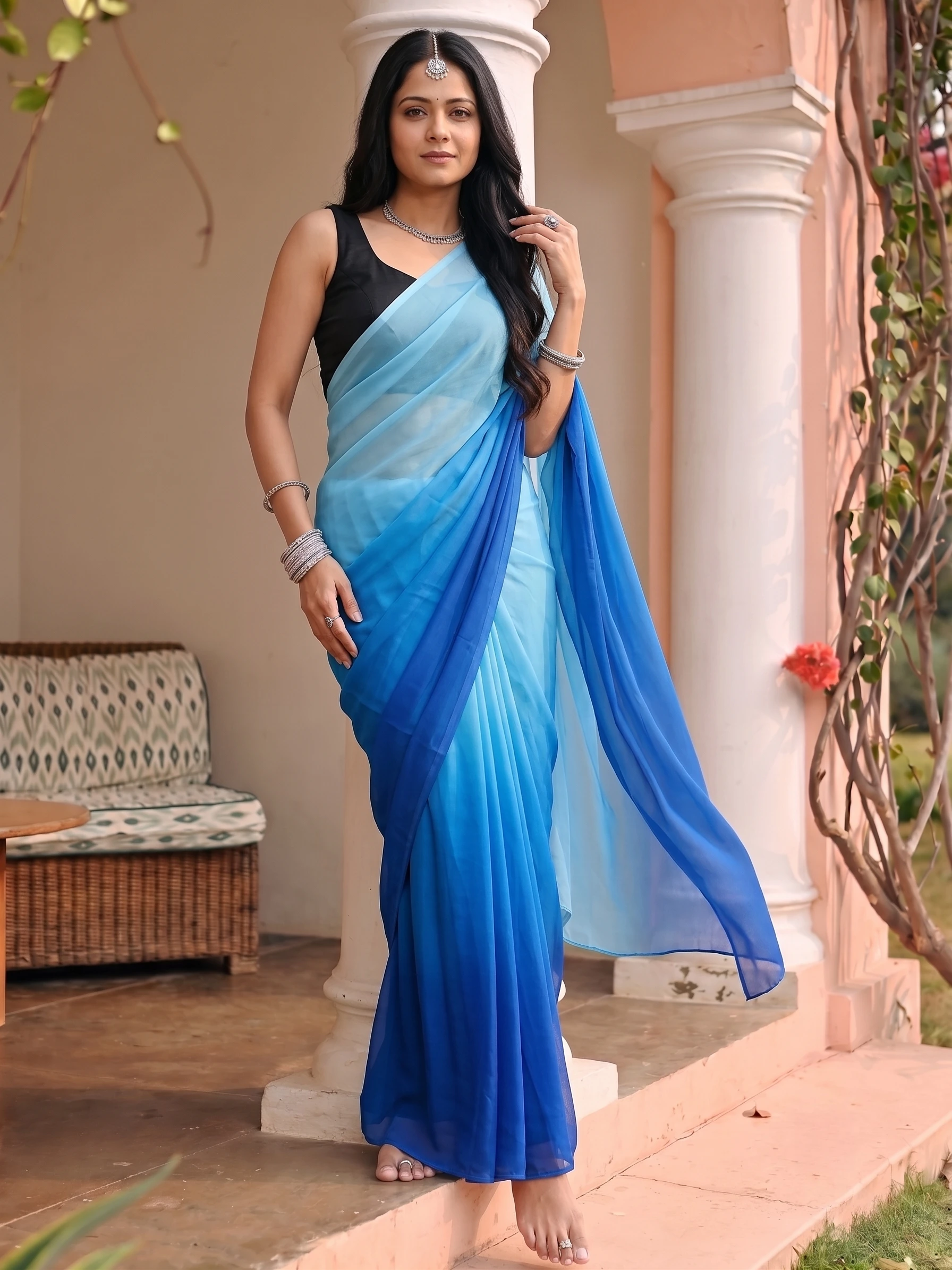
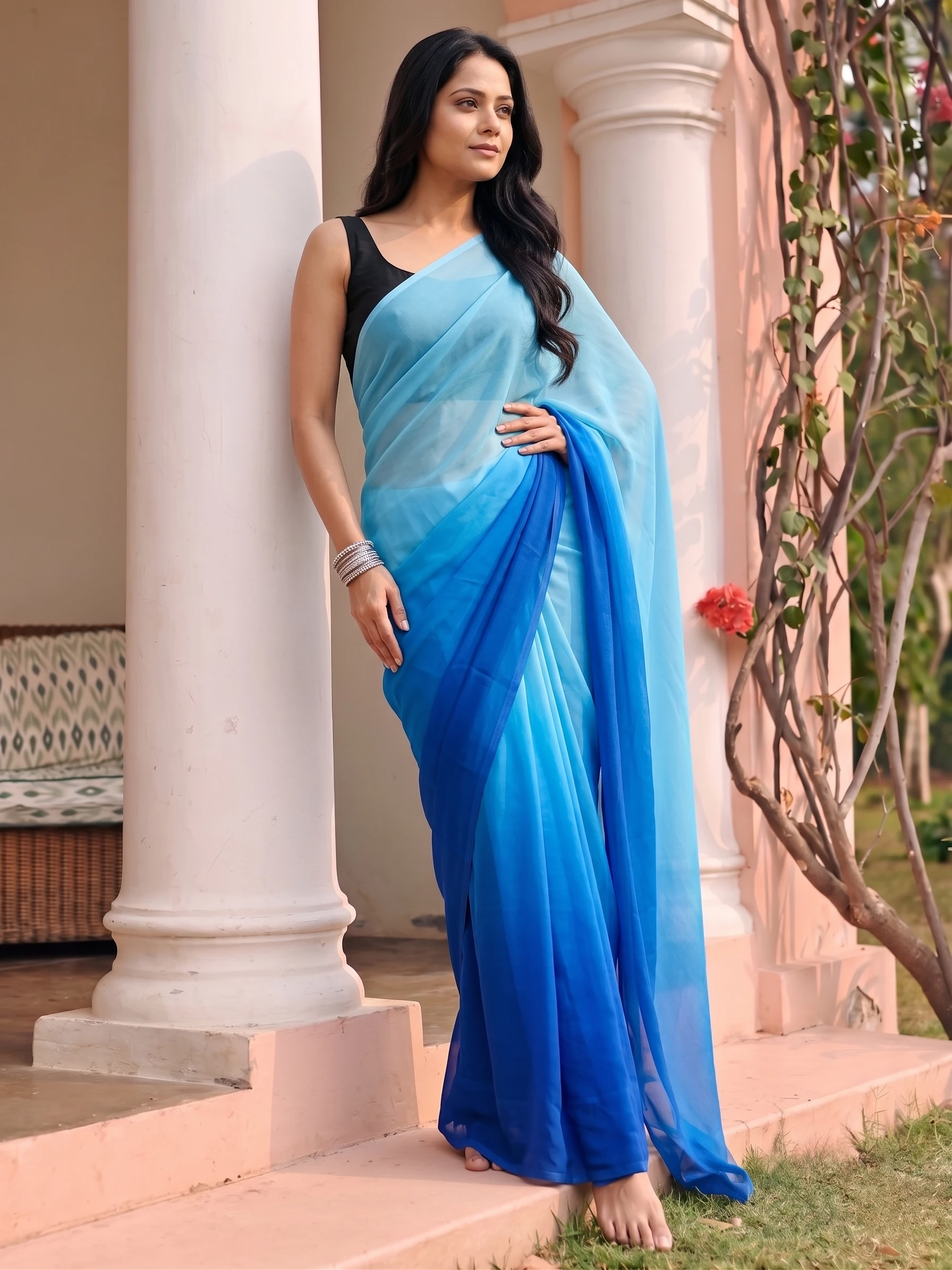
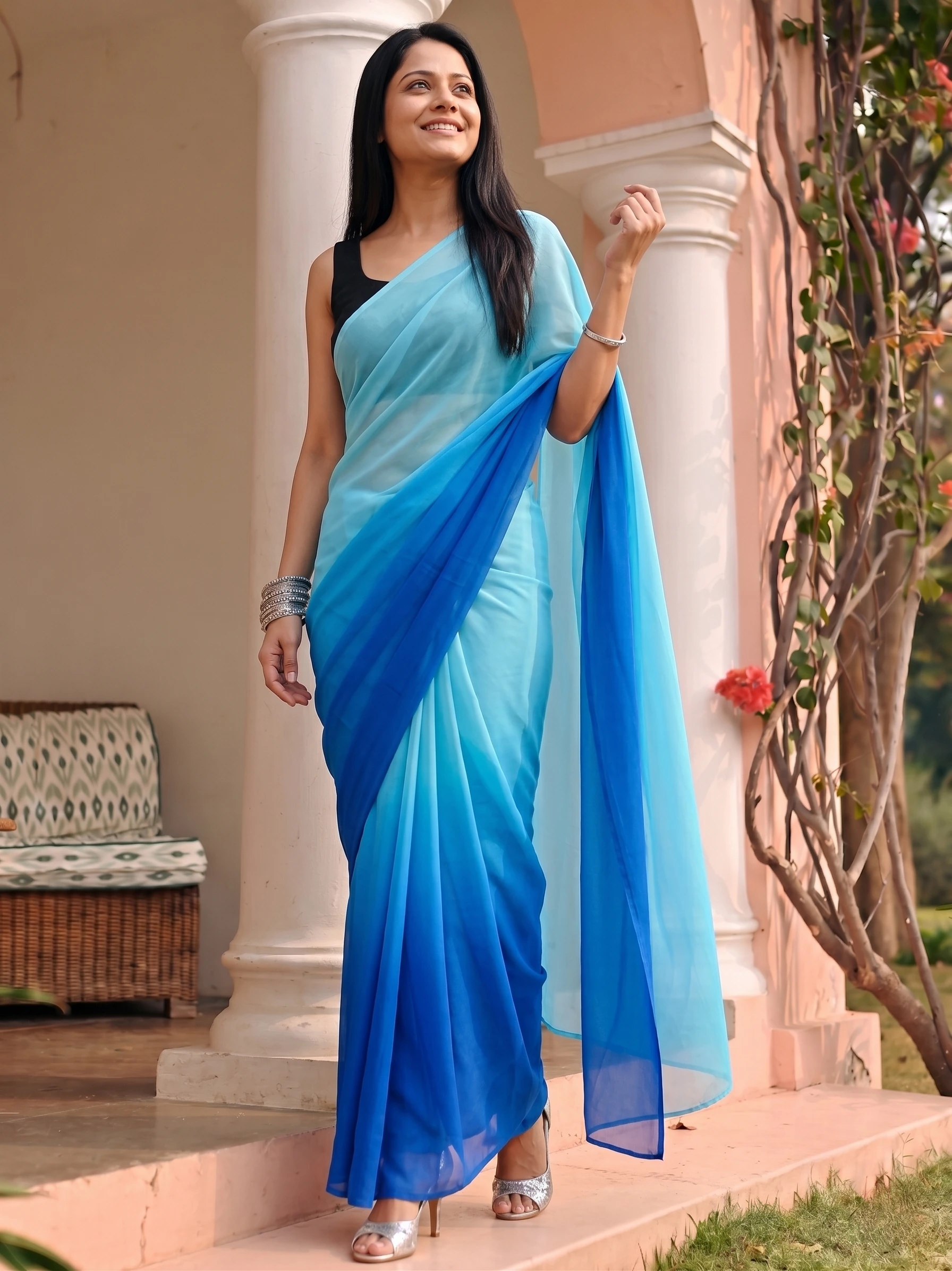
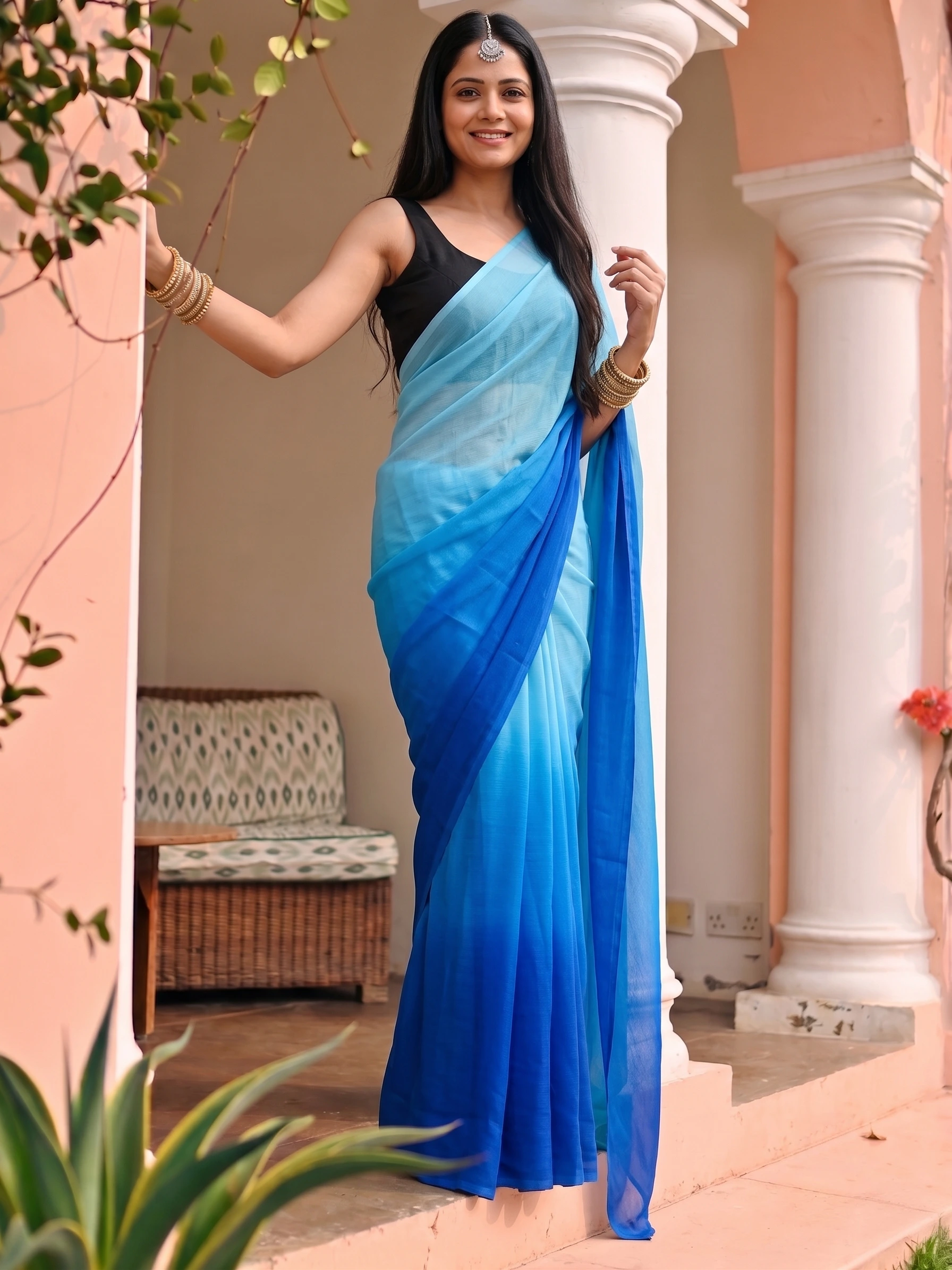
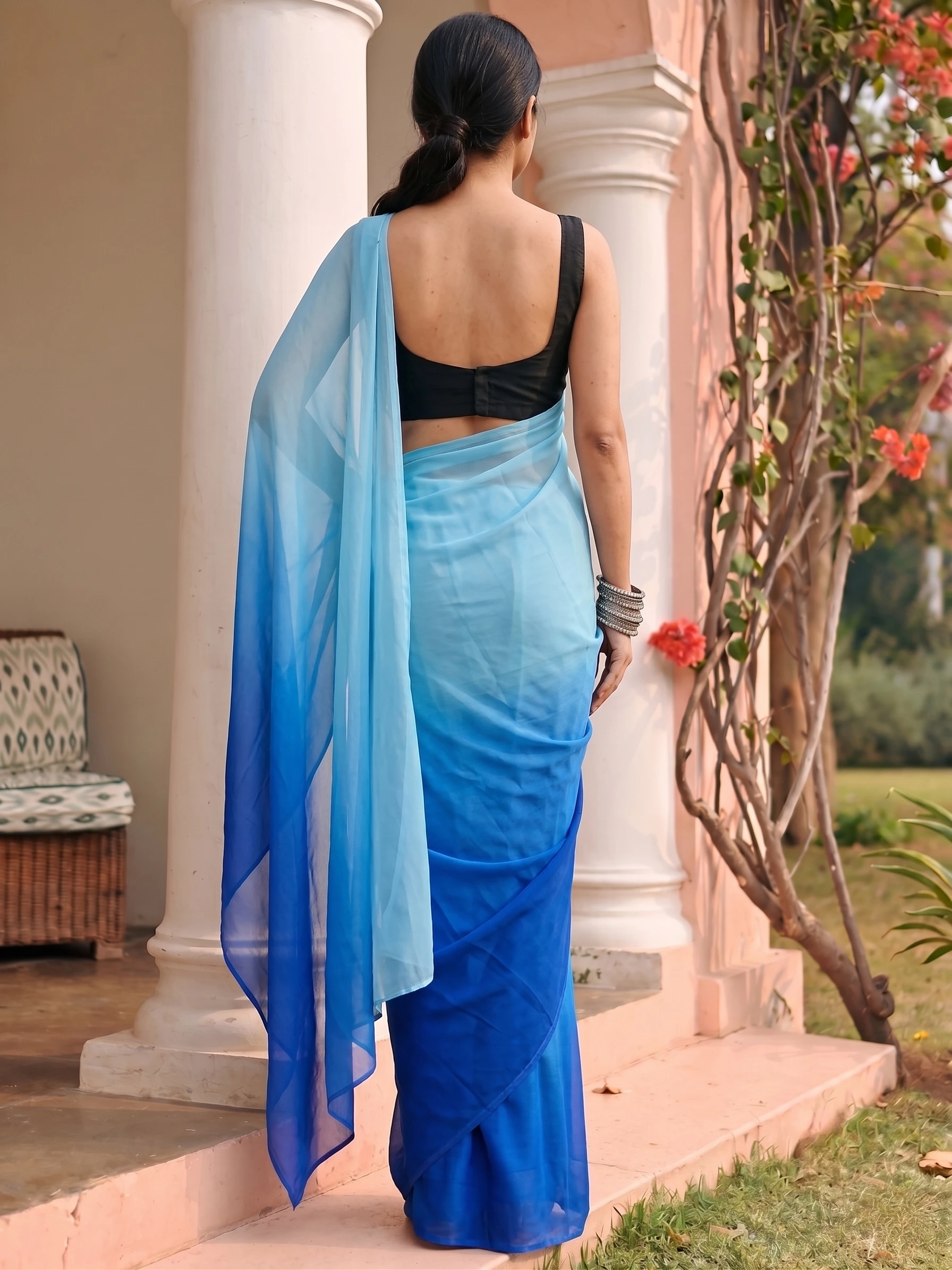
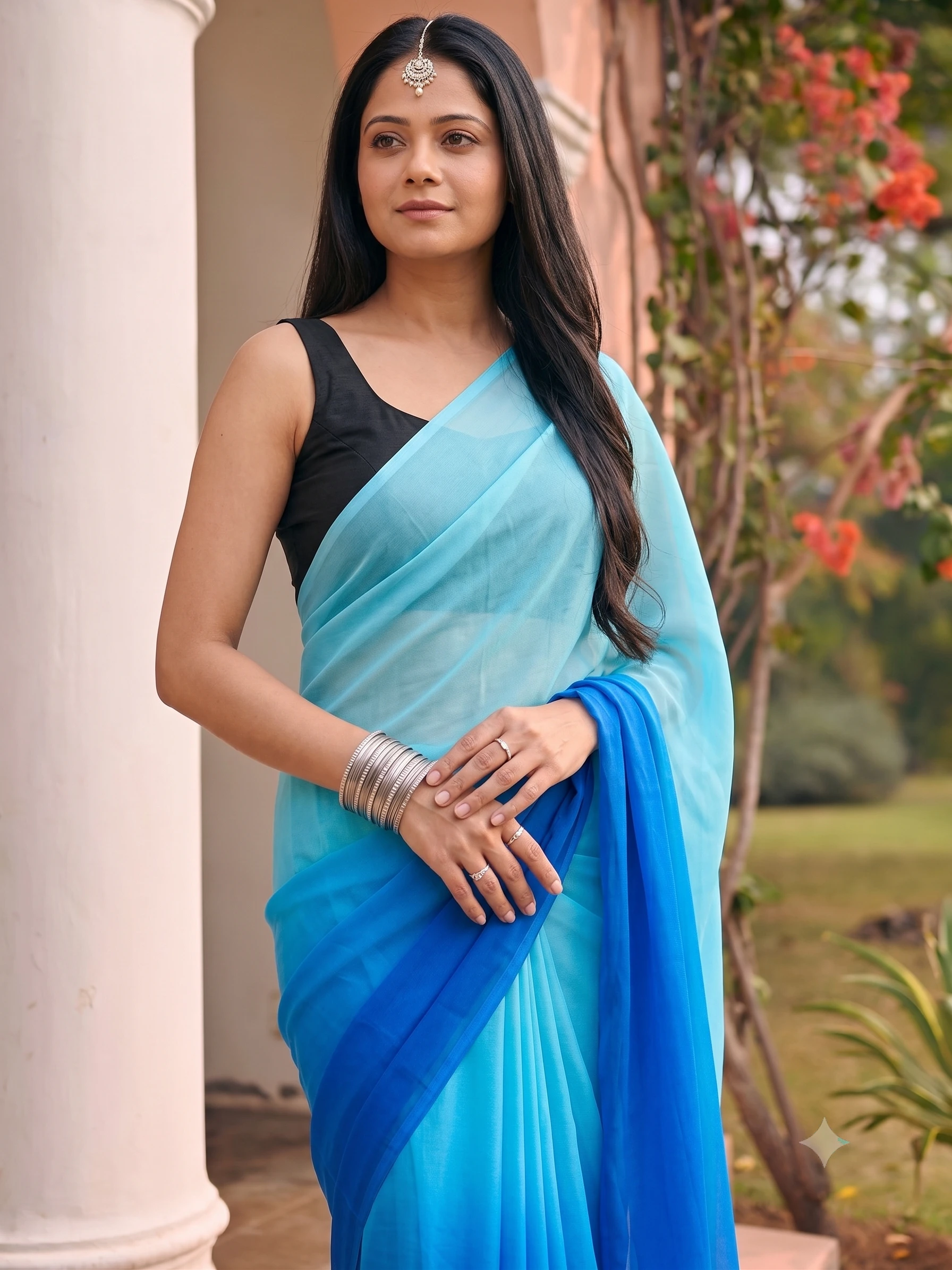
Look at the border and the pleating across all six frames. They are the same saree on the same model. Getting six matching frames from a prompt-driven tool is the part that takes the most retries.
2. Sarees are where the gap shows most
A kurti is a fairly simple shape. A saree is six yards of cloth that has to be pleated, tucked and carried over a shoulder, with a border and a pallu that must land in the right places. A prompt can say "saree"; it cannot say "my pallu starts here and my border runs this way".
Drape Studio takes the full saree photo, lets you mark where the pallu starts and the cut of the fabric, and then drapes it. The steps are in our pallu-line guide. This is the single feature we would point to if you ask why not just use Midjourney for sarees.
3. What it costs
Vastralook prices are in rupees and come from our pricing page. A 1K image you generate yourself costs about ₹20–₹25, depending on the credit pack you buy. A Create order, where our pipeline makes the shot for you, is 8 credits, or ₹8–₹10 at 1K.
| Vastralook plan | Price | Per 1K image | Per 4K image |
|---|---|---|---|
| Starter | ₹1,099 / mo · 1,000 credits | ₹22.0 | ₹44.0 |
| Growth | ₹1,999 / mo · 2,000 credits | ₹20.0 | ₹40.0 |
Midjourney sells paid subscriptions in US dollars. We could not read its plan page directly on 15 October 2026, so we quote no figure; check docs.midjourney.com/docs/plans for the current tiers and how much fast GPU time each includes.
4. Stable Diffusion for clothing in a few lines
Stable Diffusion is a family of open models you can run on your own machine or through a host. That openness is its strength. People build pipelines with inpainting, pose control and reference-image adapters, and with enough skill some of them hold a garment well.
- Good for: a technical team that wants full control and is happy to maintain a pipeline.
- The cost: you need capable hardware or a paid host, and someone to set up and keep tuning the workflow. That is an engineering project, not a tool you open on Monday.
- Drape: unstitched cloth over a body, sarees especially, is not something you get by default. You would have to build it.
- Rights and terms: depend on the model and the host you use. Read them before putting output next to a price.
- The picture has to show the garment you actually sell.
- You need the same model and set across dozens of SKUs.
- You sell sarees and the pallu and pleats must be right.
- You want rupee billing with a GST invoice and no prompt writing.
- You are building a mood board, a campaign concept or a backdrop.
- The image is art direction, not a product listing.
- You have a technical team that wants to build its own pipeline (Stable Diffusion).
- You want a style range no catalogue tool will offer.
5. Where Midjourney is simply better
- Imagination. For concept art, mood boards and campaign ideas it is far more open-ended than a catalogue studio.
- Backdrops and settings that no fashion library will have.
- Anything where the output is inspiration rather than a product image.
A lot of sellers use both: Midjourney to decide what a campaign should feel like, and a catalogue studio to produce the listing images that show the real garment. For the longer argument, see our post on why a generic generator will not run your catalogue.
Frequently asked
Can Midjourney make product photos of my clothes?
It can make convincing images of clothes like yours. It is not designed to reproduce a specific garment from a photo, so details such as the print repeat, neckline or border can change. For a product page that is a risk.
Is Stable Diffusion free for fashion photos?
The software is free to download, but running it takes capable hardware or a paid host, and good garment results need setup and tuning. Many sellers find the time costs more than a catalogue tool.
Can I use Midjourney and Vastralook together?
Yes. Use Midjourney for mood boards and concepts, and Vastralook for the listing images that must show the real garment.
Does Vastralook need prompts?
No. You upload the garment, pick a model, a pose and a shoot from the library, and generate. There is nothing to describe.
How much can I try for free?
New accounts get up to 4 free 2K images after sign-in. Credit packs start at ₹250 for 10 images at 1K, and plans work out to ₹20–22 per 1K image.
Disclosure: Vastralook is our own product, so read this comparison with that in mind. Midjourney is an excellent tool for what it is built for.