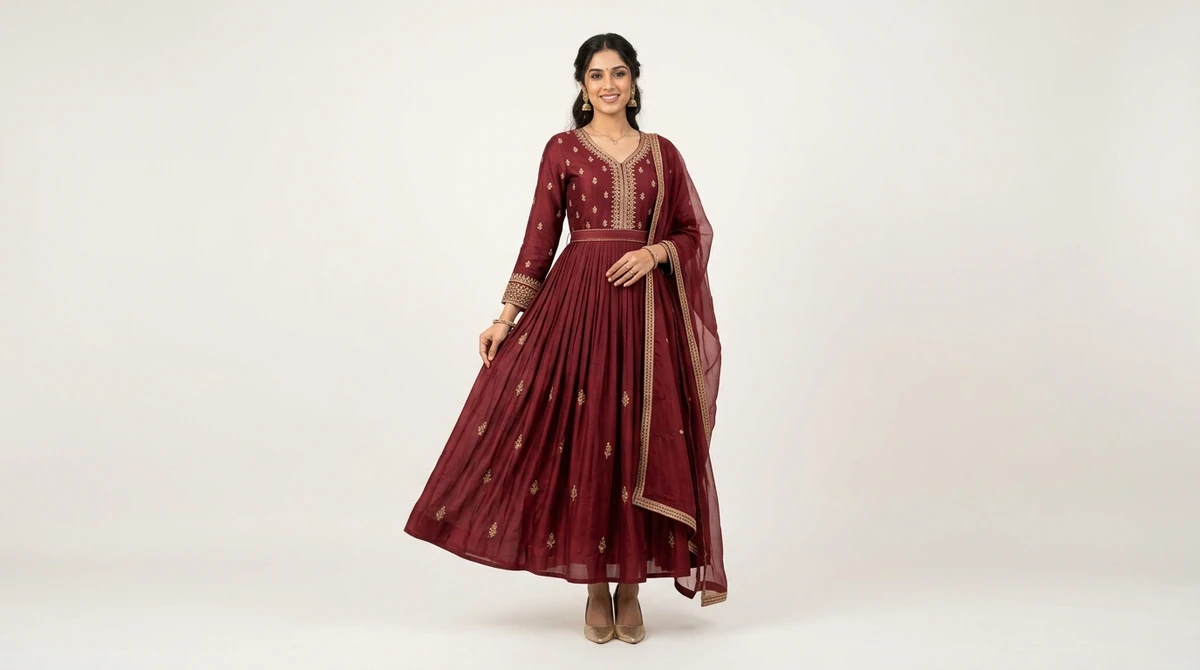
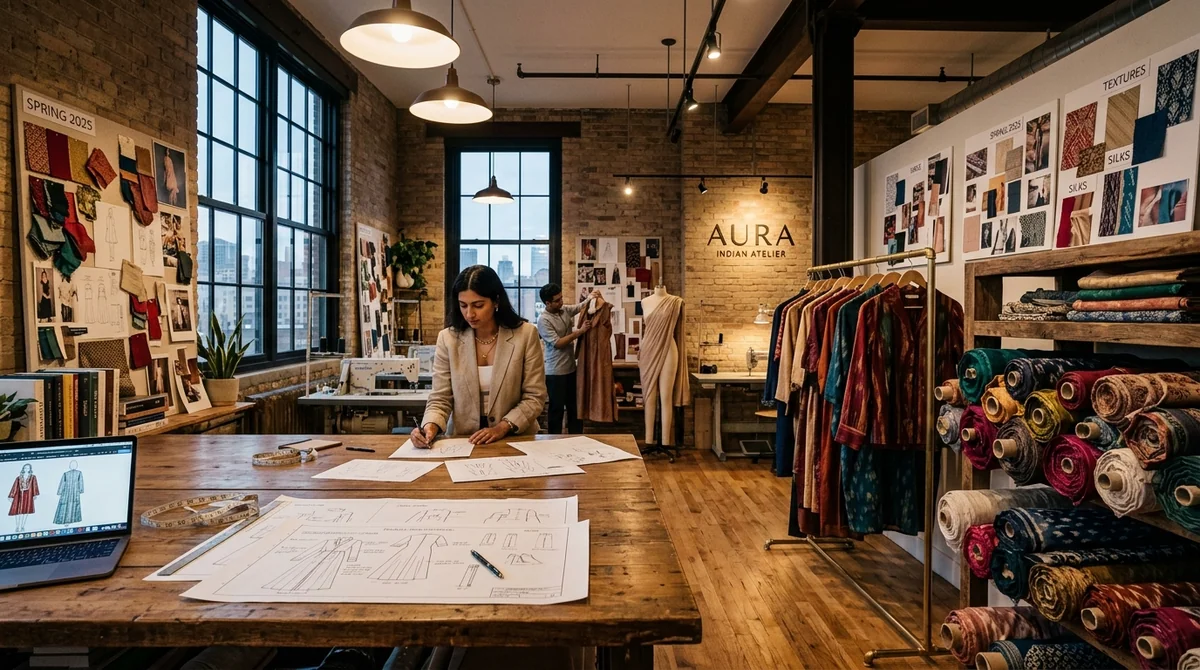
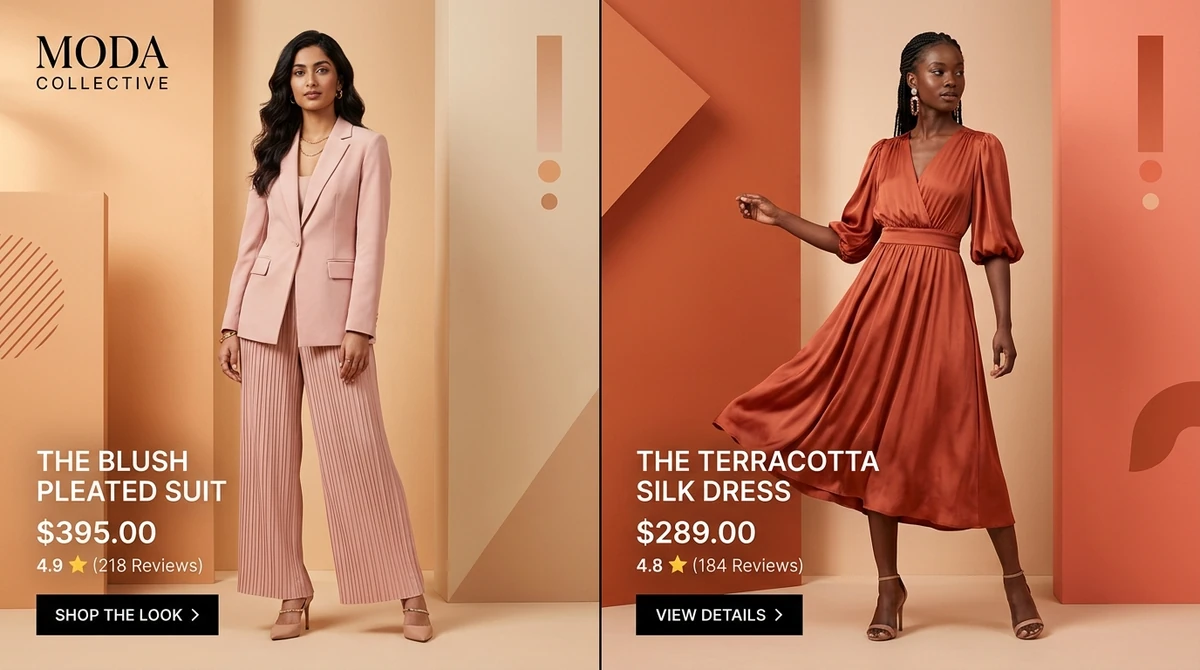
In fashion and apparel ecommerce, a marketing photoshoot is very different from standard white-background catalogue photography. While catalogue shots exist to explain fit, fabric, and color on a product listing page, a marketing photoshoot is built to drive clicks, spark desire, establish brand prestige, and power paid performance advertising across Meta, Instagram, and Google.
For growing direct-to-consumer (D2C) clothing labels and ethnic wear brands, planning a marketing photoshoot can quickly spiral into an expensive production challenge. Between location rentals, professional model bookings, stylist fees, art direction, and post-production, a single day of shooting can easily cost ₹80,000 to ₹3,50,000.
This guide breaks down how modern apparel brands plan and execute high-ROI marketing shoots, balance hero creative shots with commercial ad formats, and leverage AI virtual studios like Vastralook to multiply their campaign assets without multiplying their expenses.
In this guide:
- Catalogue photoshoot vs marketing photoshoot: Key differences
- The 5 stages of campaign planning (concept to final delivery)
- Building a high-converting photoshoot ad shot list
- Budget breakdown: What traditional shoots cost vs AI studios
- Repurposing marketing imagery across paid ads, emails, and landing pages
- Frequently asked questions (FAQ)
Catalogue Shoot vs Marketing Photoshoot: Key Differences
Before booking any studio or hiring crew, it is vital to distinguish between functional listing images and emotive marketing assets.
| Factor | Catalogue Photoshoot | Marketing Photoshoot |
|---|---|---|
| Primary Goal | Minimize returns and clarify sizing & details | Stop the scroll, trigger brand affinity & earn clicks |
| Placement | Amazon, Myntra, Meesho, Shopify product pages | Meta Ads, Google Performance Max, Hero Banners, Lookbooks |
| Background | Clean neutral grey, off-white, or seamless studio | Atmospheric environments: luxury interiors, heritage villas, sunlit cafes |
| Model Posing | Neutral front, 45-degree angle, back view, zoom detail | Expressive, dynamic movement, storytelling poses |
| Aspect Ratios | Standard 1:1 square or 3:4 portrait | 9:16 Reels/Stories, 4:5 feed, 16:9 desktop banners |
| Lighting | Even, flat illumination to show exact fabric colors | Cinematic, directional lighting with depth and mood |
If you run paid ads using plain white-background catalogue images, your click-through rates (CTR) will suffer. Conversely, if your product detail pages only show moody campaign crops without clear full-length views, your customer return rate will spike due to mismatched expectations.
The 5 Stages of Planning an Apparel Marketing Photoshoot
1. Define the Campaign Objective and Hero Garments
Never begin a shoot without identifying what success looks like. Are you launching a festive Diwali collection, introducing a budget daily-wear kurti line, or driving customer acquisition through Instagram feed ads?
- Pick your top 20% margin SKUs as hero pieces.
- Identify the target customer avatar (age, aspirational lifestyle, geographic preference).
- Determine key hooks: premium zari craftsmanship, breathable summer cotton, or wrinkle-free office wear.
2. Build the Visual Mood Board
A comprehensive mood board aligns your photographers, models, makeup artists, and art directors. Use platforms like Pinterest or Milanote to gather:
- Color Palette: Warm amber tones, cool Scandinavian minimalism, or vibrant Indian royal jewel tones.
- Location Aesthetics: Modern brutalist concrete, lush outdoor verandas, or royal Rajasthani palace arches.
- Lighting Mood: Golden hour sunlight, soft diffused morning daylight, or dramatic editorial shadows.
3. Draft the Modular Shot List
On a live set, chaos happens when the shot list is vague. Every garment should have designated shot requirements:
- Hero Landscape (16:9): Wide shot for the website desktop header with negative space for headline text.
- Feed Card (4:5 / 1:1): Medium shot showing garment fit and facial expression for Instagram and Facebook ads.
- Vertical Story (9:16): Full-length vertical composition framed for Instagram Stories, Reels cover, and WhatsApp status.
- Texture Macro (1:1): Ultra-close focus on embroidery, weaves, buttons, or embellishments.
4. Logistics, Casting, and Production Day
If conducting a traditional photoshoot:
- Secure location permits 7 days in advance.
- Hire models whose measurements match your sample sizing precisely to minimize on-set clipping and pinning.
- Prepare garments with industrial steam irons; creases in post-production cost triple to retouch.
5. Post-Production and Color Correction
Raw camera files look flat. A professional retoucher must balance skin tones, remove floor scuffs, and verify that the digital fabric tone matches the physical garment under natural daylight.
Marketing Photoshoot Cost Breakdown in India
Understanding traditional studio costs helps evaluate whether to book physical sets or transition to AI studio workflows.
| Expense Category | Traditional Physical Shoot (1 Day / 15 Outfits) | Vastralook AI Virtual Studio Workflow |
|---|---|---|
| Studio & Location Rental | ₹15,000 – ₹50,000 | ₹0 (Digital environments included) |
| Professional Fashion Model | ₹25,000 – ₹75,000 | ₹0 (Diverse on-model AI library) |
| Photographer & Assistant | ₹30,000 – ₹80,000 | ₹0 (Automated neural rendering) |
| Hair & Makeup Artist (HMUA) | ₹12,000 – ₹30,000 | ₹0 (Polished beauty styling generated) |
| Stylist & Steaming Crew | ₹10,000 – ₹25,000 | Upload your simple garment photo |
| Manual High-End Retouching | ₹15,000 – ₹40,000 | Instant 4K high-resolution export |
| Total Estimated Investment | ₹1,07,000 – ₹3,00,000+ | Under ₹1,500 – ₹4,000 in credits |
| Turnaround Time | 7 to 14 days | Minutes |
With Vastralook Catalogue Studio and Drape Studio, brands can take clean flat-lay or ghost mannequin photos of new garments and instantly place them on realistic models in high-end lifestyle scenes, cutting photoshoot costs by over 90%.
Best Practices for Marketing Photoshoot Ad Creatives
- Keep Garment Contrast High: Ensure the garment pops against the chosen backdrop. A cream chanderi silk saree disappears on an ivory marble wall; place it against terracotta stone or warm teak woodwork instead.
- Design for Multiple Ad Placements: Always shoot or generate wider than needed. A frame that fits 4:5 can be cropped to 1:1, but tight crops cannot be expanded without distortion.
- Show Garment Versatility: Capture both seated and standing poses. For Indian ethnic wear, showing how a lehenga flare drapes while walking or how a dupatta falls over the shoulder builds trust.
- Highlight the Detail Shot: Ecommerce ads featuring a split carousel—frame 1 full-model, frame 2 close-up zari weave—routinely outperform single-image ads.
Frequently Asked Questions
What is the ideal number of photos for a fashion marketing campaign?
For an apparel collection drop, aim for 3 to 5 distinct marketing shots per hero SKU, accompanied by 4 to 6 functional catalogue images on the product detail page.
How do small D2C brands afford professional marketing shoots?
Many modern Indian D2C labels shoot sample garments on simple mannequins or flat surfaces, then use Vastralook to generate photorealistic model shots in premium architectural or studio environments.
What aspect ratio works best for fashion marketing ads?
4:5 (1080x1350 px) is the highest-performing ratio for Meta and Instagram feed ads because it occupies maximum vertical screen real estate without getting cropped.
Can AI replace traditional fashion marketing shoots entirely?
For 80% to 90% of routine collection drops, catalog advertising, social media posts, and marketplace hero images, AI virtual models provide faster, more cost-effective results. Traditional shoots are typically reserved for annual brand identity campaigns.