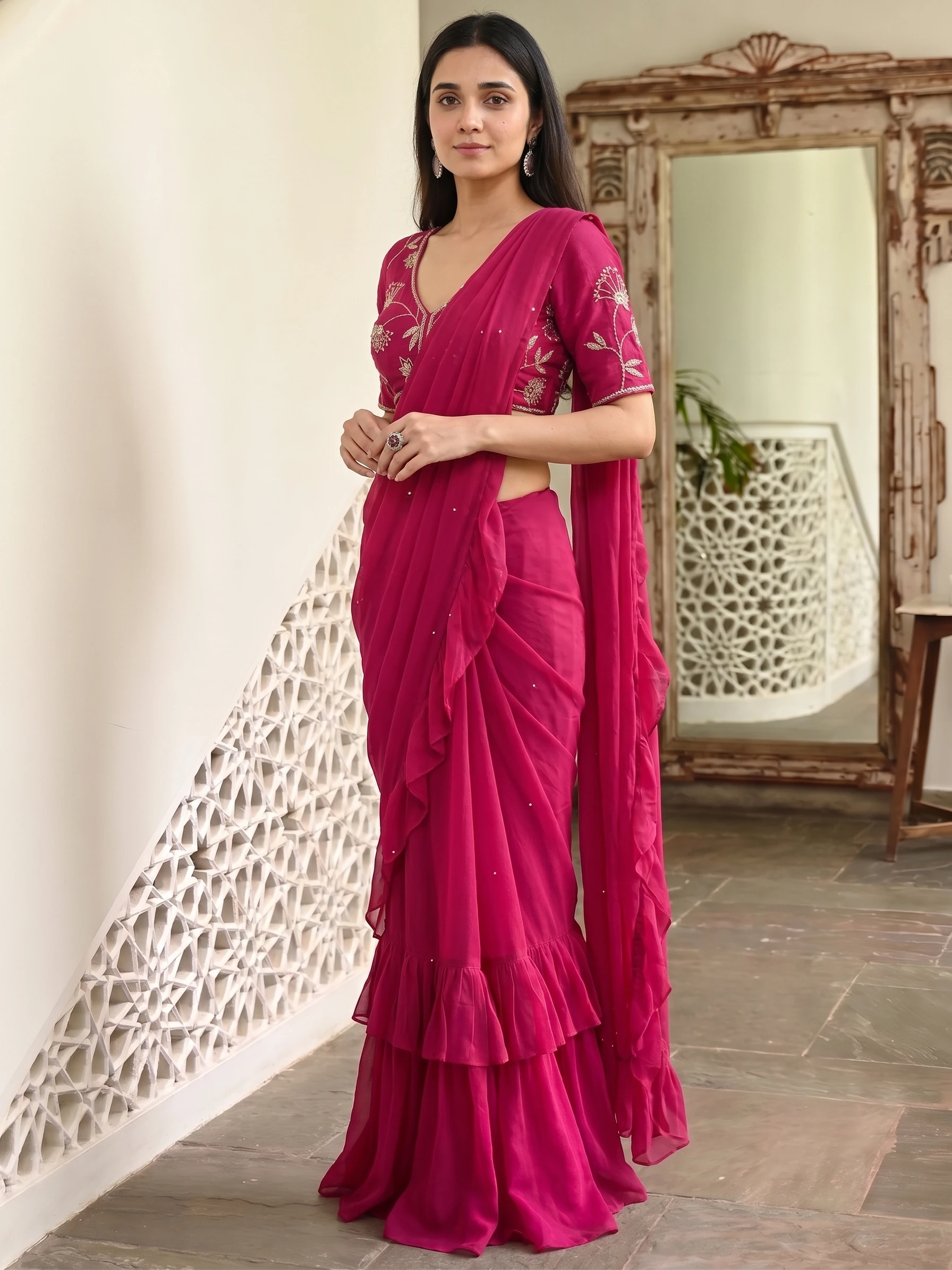
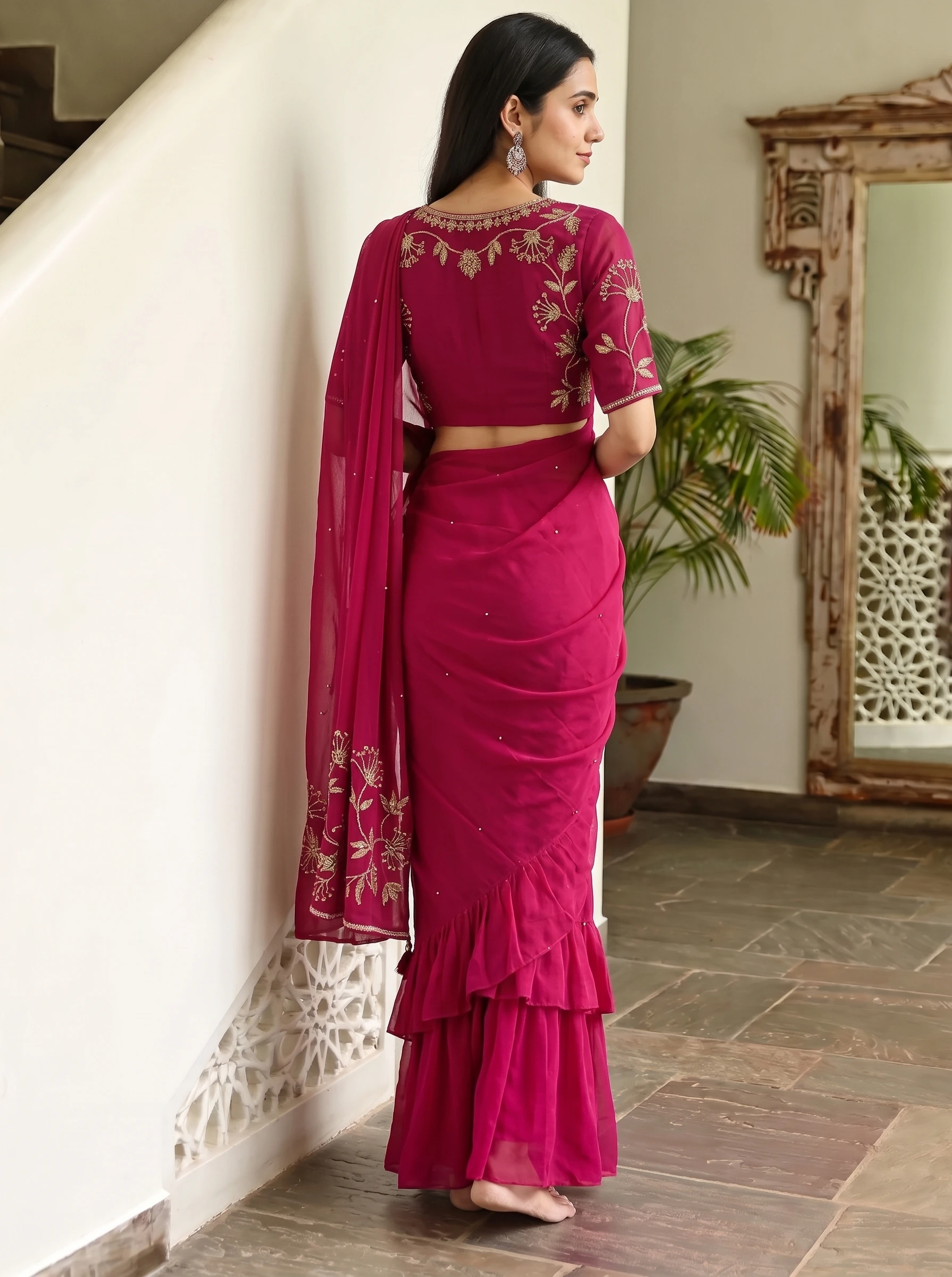
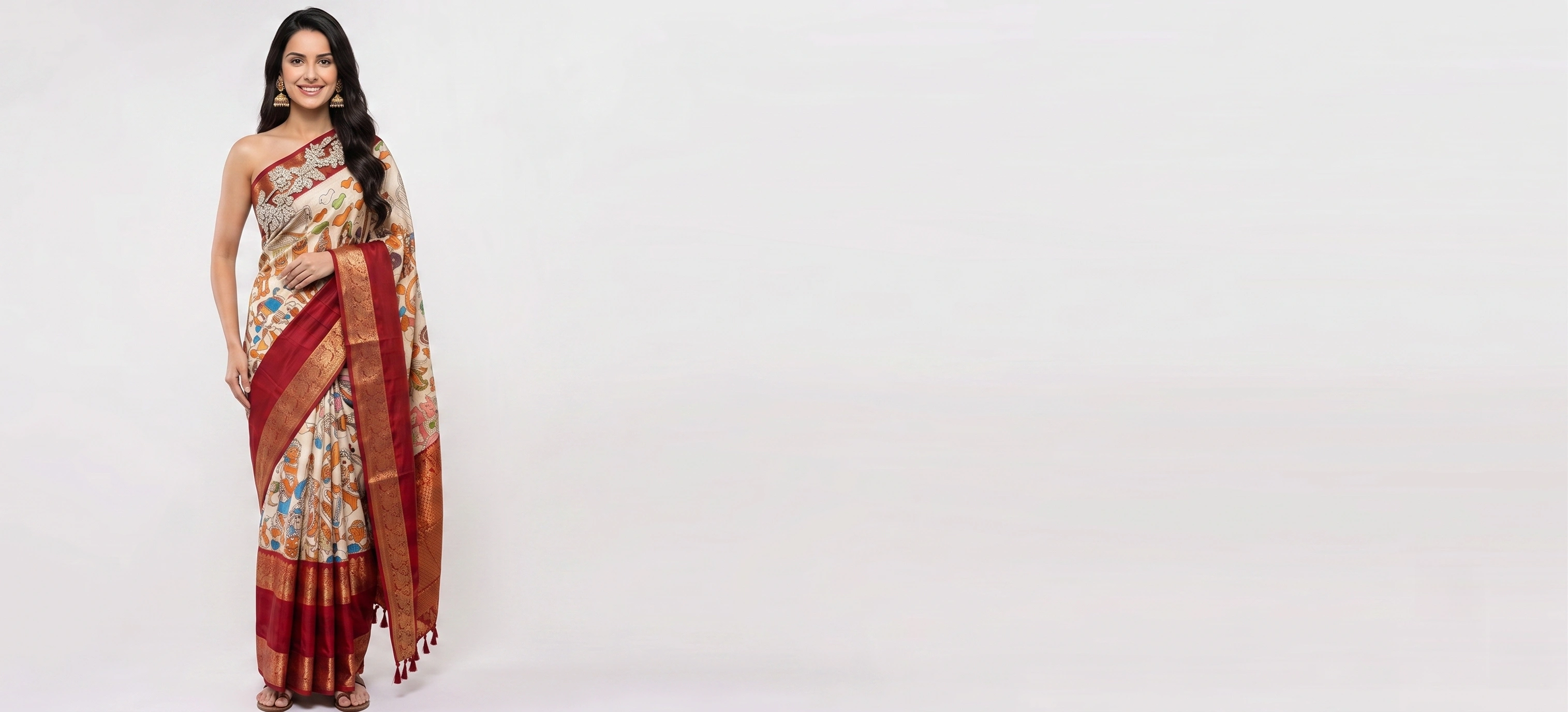
Two photographs of the same garment can sit at opposite ends of a price bracket in a shopper's head, and neither the garment nor the model changed. Background and light did all of it.
Backgrounds: the three jobs
Get out of the way
Plain white or near-white. Required by most marketplaces for the primary image, and genuinely the right choice there — nothing competes with the product, and a grid of them looks orderly. The failure mode is a catalogue that is entirely this, which reads as a spreadsheet rather than a brand.
Set a tone
A soft colour, a texture, a gradient. Still recessive, but it carries mood. This is where most brands should spend their effort — a consistent, slightly-off-white or muted tone across a category does more for a brand's look than any single hero shot.
Tell a story
A real location, an interior, a street. The garment is now in a context, and the context is making an argument about who wears it. Powerful, and easy to overdo — if the shopper remembers the café and not the coat, it failed.
A rule that holds up: the busier the garment, the quieter the background. A loud print on a loud backdrop is two things fighting and neither wins.

Four lighting setups worth knowing
Soft frontal
A large, diffuse source in front of the subject. Flattering, low contrast, minimal shadows, true colour. This is the workhorse for product pages — nothing is hidden and nothing is dramatised.
Soft side
Same source moved 45 to 90 degrees off-axis. Now the garment has form: seams read, drape reads, texture reads. The best choice when construction is the selling point — knitwear, tailoring, anything with surface detail.
Hard directional
A small, undiffused source. Defined shadow edges, high contrast, strong mood. Reads as fashion editorial rather than catalogue. Excellent for social and campaign, risky for a product page because shadows hide detail a buyer wants.
Backlight with fill
Light behind the subject, a soft fill from the front. Produces a rim of light around the silhouette. It is the setup for anything sheer, floaty or textured — chiffon, organza, loose knits — because it shows the fabric's translucency, which no frontal light can.
| Setup | What it does | Best for |
|---|---|---|
| Soft frontal | Low contrast, true colour, minimal shadow | Product pages — nothing hidden, nothing dramatised |
| Soft side | Reveals form, seams and surface texture | Knitwear, tailoring, construction detail |
| Hard directional | Defined shadows, high contrast, strong mood | Social and campaign — risky on a product page |
| Backlight with fill | Rims the silhouette, shows translucency | Chiffon, organza, loose knits |
Matching light to fabric
- Matte, heavy fabrics — soft side light. They need shadow to show shape at all.
- Shiny fabrics like satin or silk — large soft sources. Small hard sources produce blown-out specular hot spots that read as glare, not sheen.
- Sheer fabrics — backlight. Anything else makes them look like solid cloth.
- Dark fabrics — side or rim light. Under flat frontal light, black garments become a silhouette with no visible construction.
- Fine detailed prints — even frontal light and a higher-resolution output. Shadow across a print is the fastest way to lose the pattern.
| Fabric | Light it with | Why |
|---|---|---|
| Matte and heavy | Soft side | Needs shadow to show shape at all |
| Satin and silk | Large soft source | Small hard sources blow out into glare |
| Sheer | Backlight | Anything else makes it look solid |
| Dark colours | Side or rim | Flat frontal light turns black into a silhouette |
| Fine prints | Even frontal, higher resolution | Shadow across a print loses the pattern |


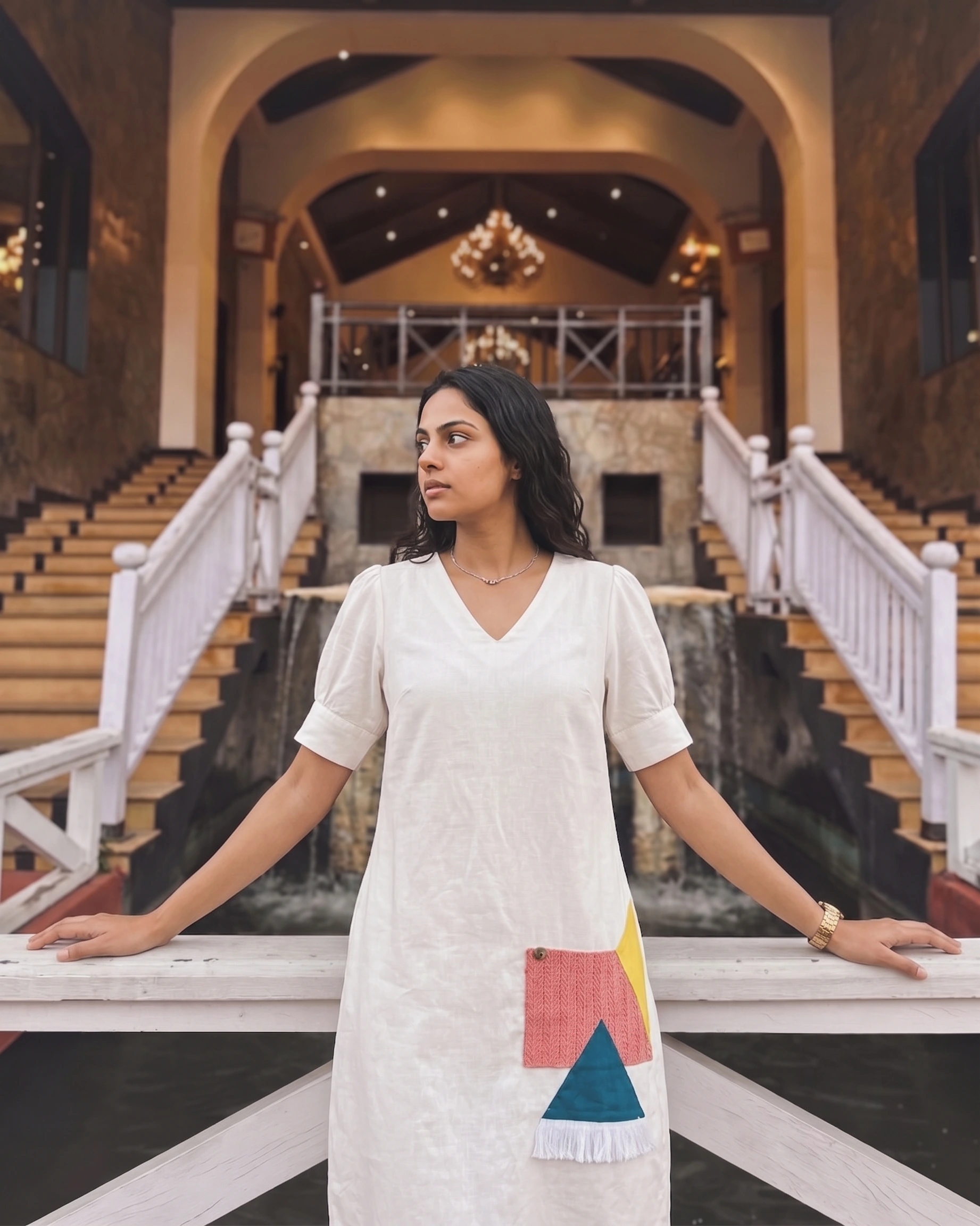
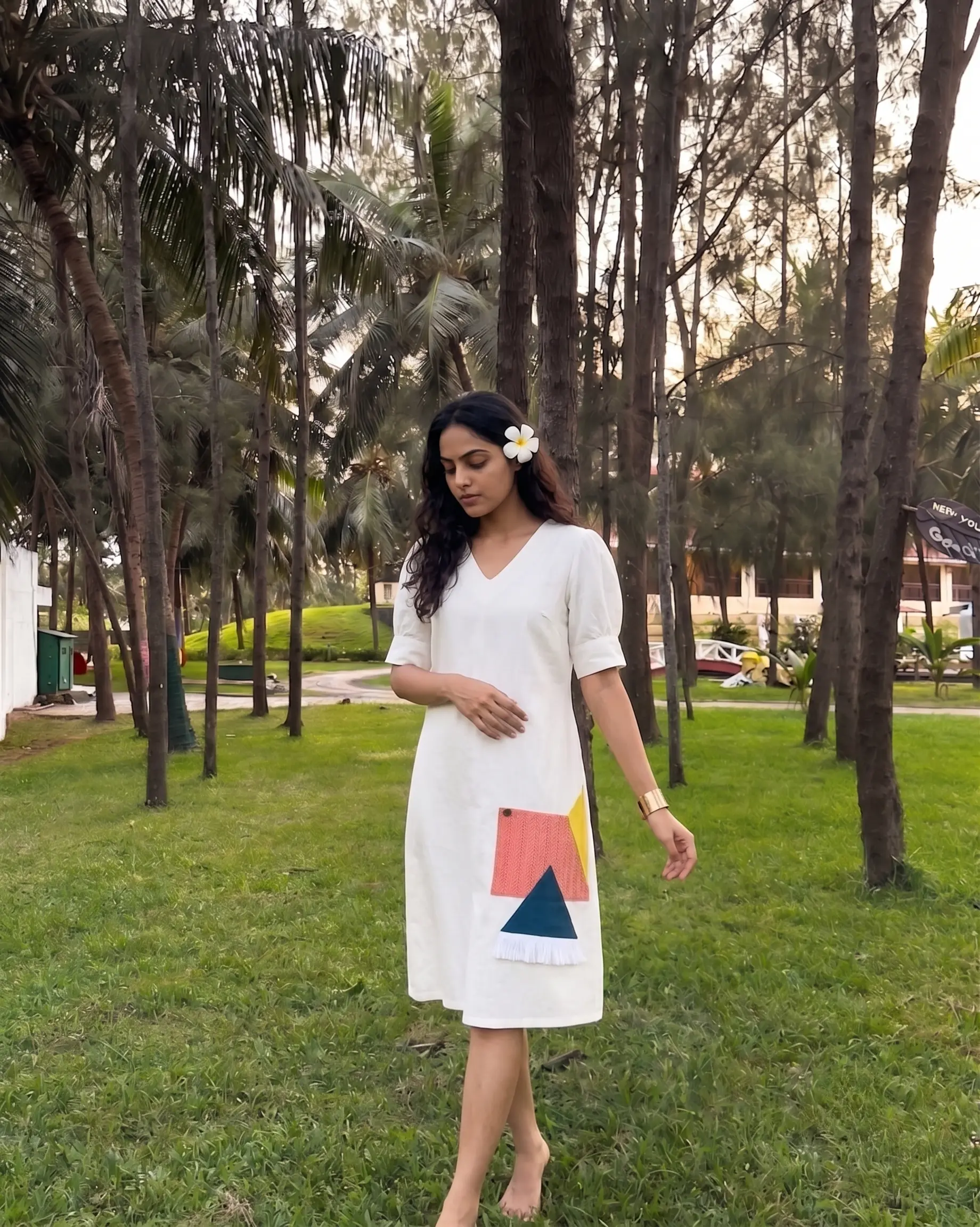
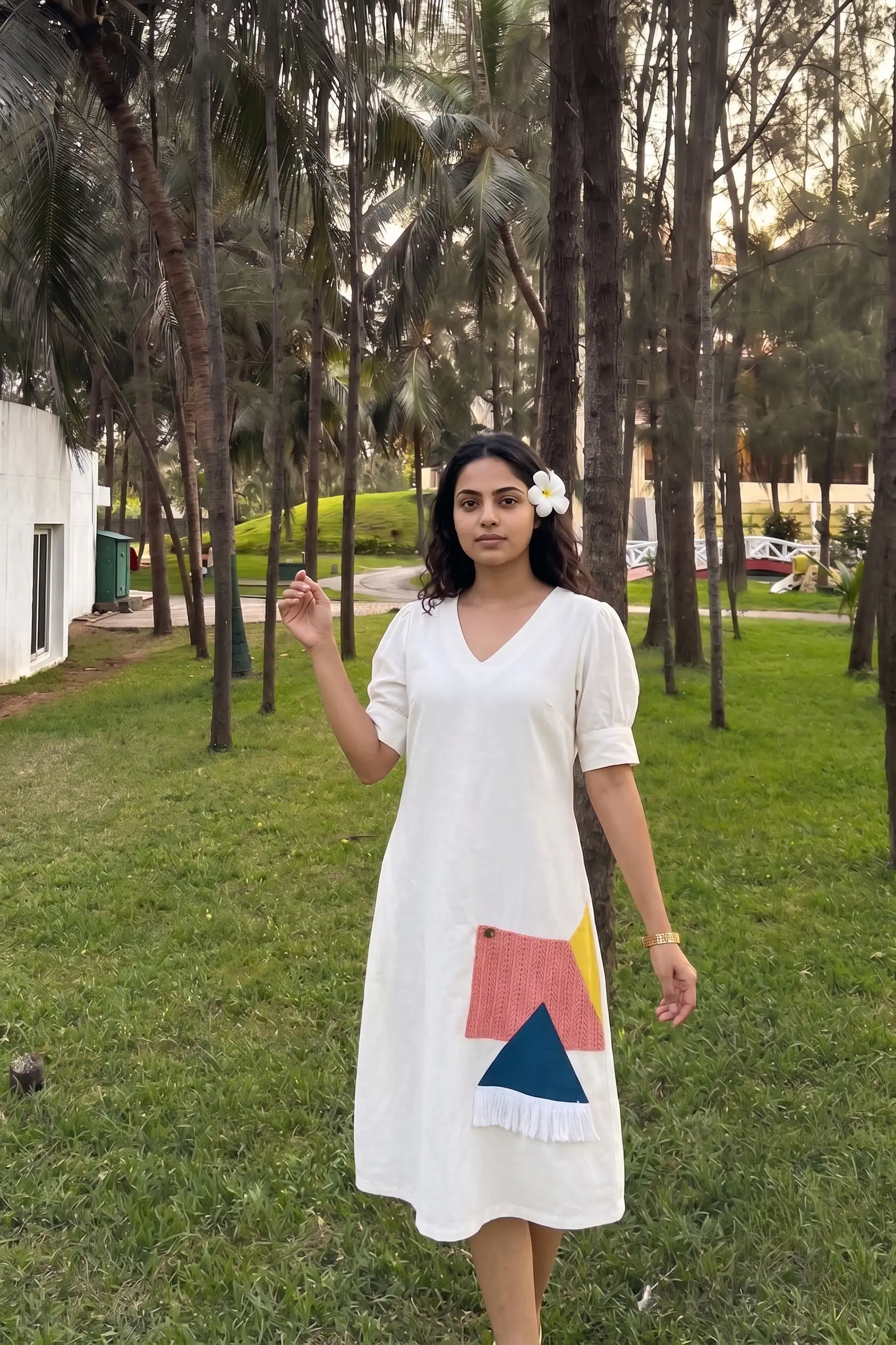
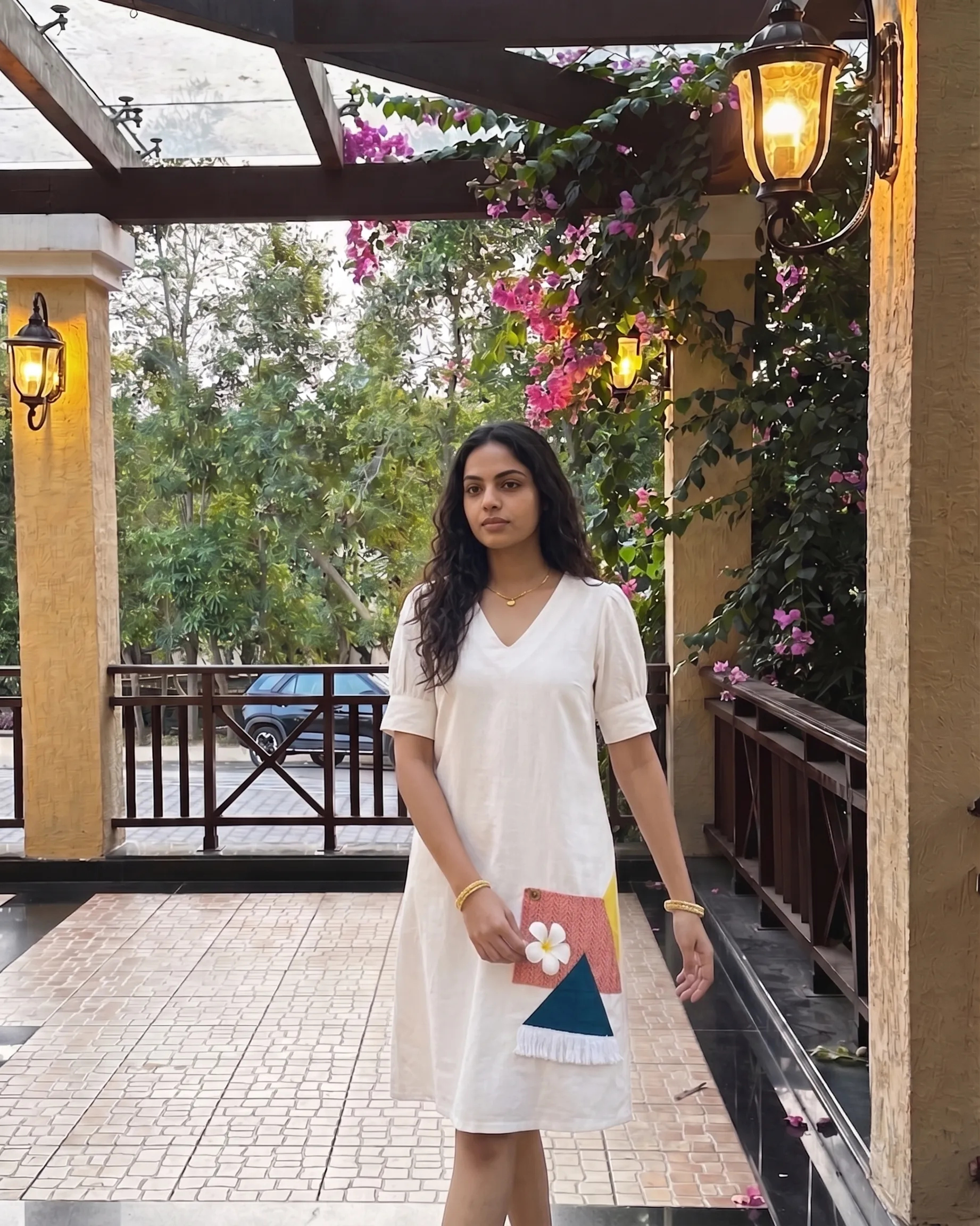
Same casual dress in all six. The price bracket it reads as is set entirely by the background and the direction of the light — no styling, no retouching, no change to the product.
Consistency beats perfection
A category page where every shot uses the same background and the same light direction looks professional even if no individual image is remarkable. A page of individually beautiful images in twelve different setups looks like a marketplace. Pick a setup per category and hold it.