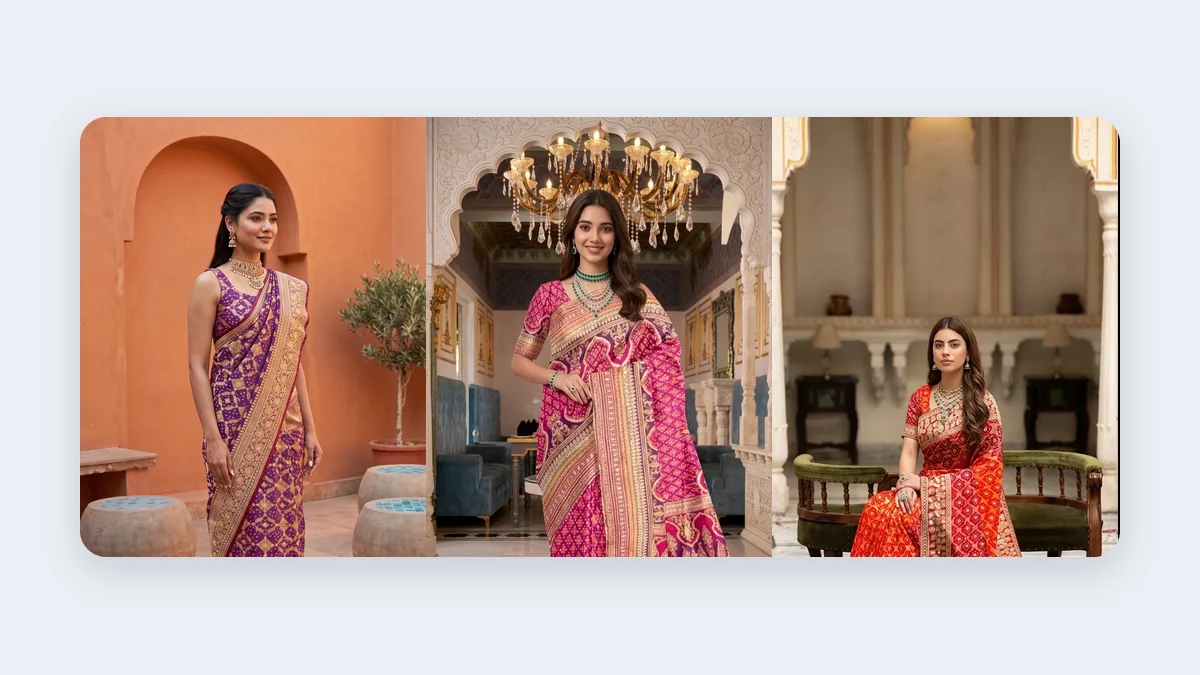
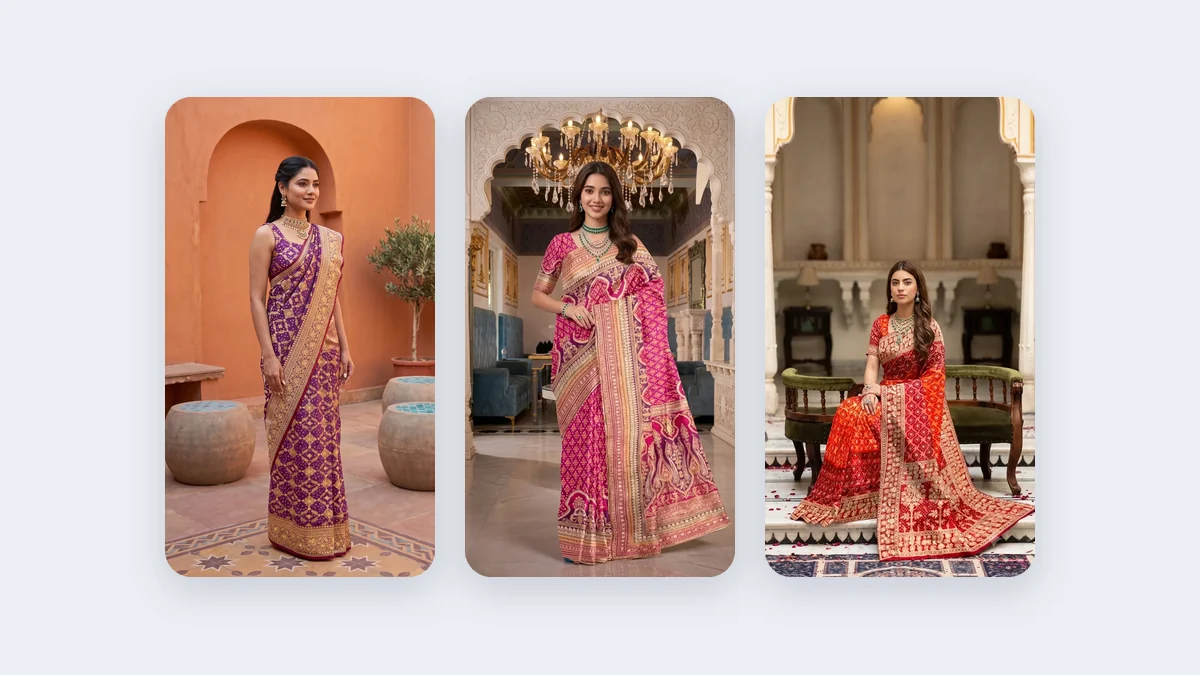
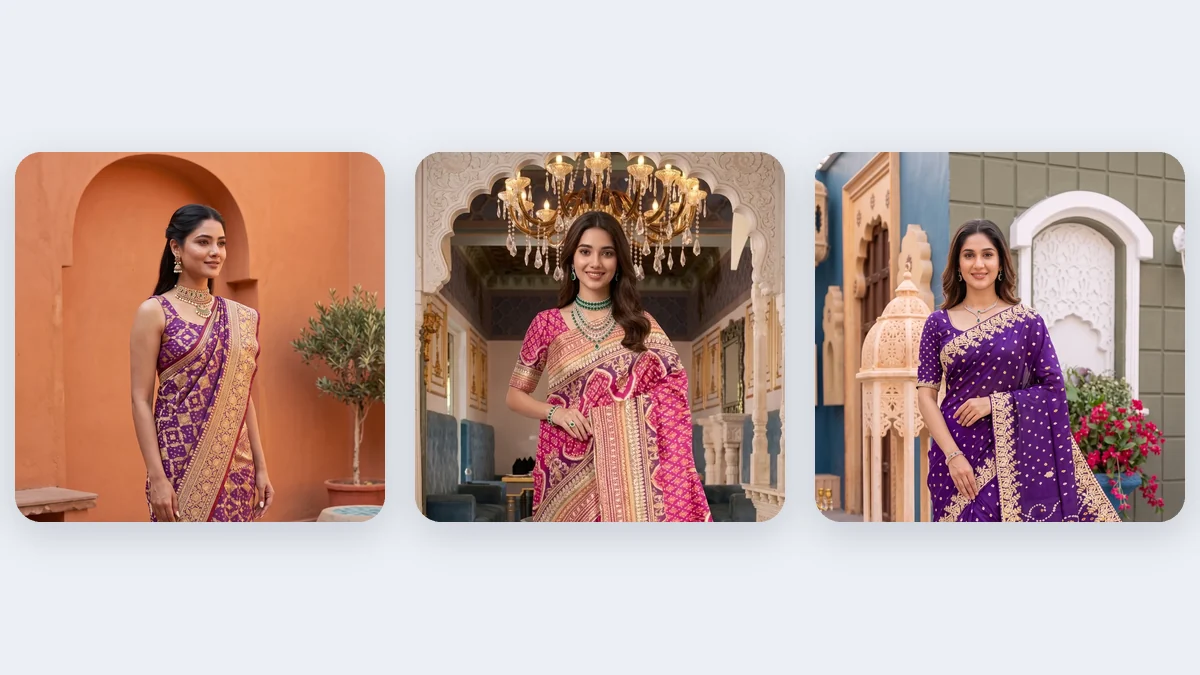
A catalogue is more than a collection of pictures. Whether it is a PDF for wholesalers, a printed booklet, or the product grid on your website, catalogue photography must be consistent, clear and persuasive. This guide walks you through planning a catalogue shoot from start to finish.
What makes good catalogue photography?
- Consistency. Same lighting, framing, background and colour treatment on every page.
- Clarity. The product is the focus and details are visible.
- Accuracy. Colours and textures match the real product.
- Context. Some shots show the item styled or in use.
Step 1: Define the purpose
| Catalogue type | What it needs |
|---|---|
| Wholesale / B2B PDF | Clean images, SKU codes, size info |
| Retail print catalogue | Styled, premium look, consistent layout |
| Website catalogue | Multiple angles, zoom-ready, fast loading |
| Seasonal lookbook | Mood, storytelling, styled shots |
Step 2: Build a shot list and SKU sheet
Create a spreadsheet listing every product, its colourways, required shots (front, back, detail, styled) and file naming. This prevents missing shots on shoot day and speeds up delivery.
Step 3: Set a style guide
Decide in advance:
- Background colour
- Aspect ratio (e.g., 4:5 or 1:1)
- Model type and pose style
- Colour grading and shadow style
- Margins around the product
Step 4: Prepare products
Steam, clean and inspect every item. Organise by shot sequence to avoid unnecessary changes of lighting.
Step 5: Shoot efficiently
- Keep one lighting setup for the whole shoot.
- Shoot the same angle across all products in a batch.
- Use a colour card or grey card in the first frame of each set.
- Back up files regularly.
Step 6: Edit consistently
Apply the same edit presets, then fix individual issues. Name files clearly, such as SKU123_front.jpg.
Step 7: Deliver in the right formats
- Web: JPG or WebP, around 1500 to 2000 px
- Print: high-resolution TIFF or PDF
- Marketplaces: follow their size and background requirements
Reducing cost for large catalogues
When a catalogue includes hundreds of SKUs and colourways, shooting every variant on a model is slow. A hybrid approach helps: shoot one hero colour on a model, then use tools like Vastralook to produce other variants on-model with AI, reviewing each result for accuracy.
Catalogue layouts and page design
Photography is only half of a catalogue. How the images are arranged decides whether buyers can scan and choose quickly.
| Layout | Description | Best for |
|---|---|---|
| Grid (2 x 3 or 3 x 3) | Many products per page | Wholesale and price lists |
| Hero plus detail | One large image with small detail shots | Premium collections |
| Spread (two-page) | Large lifestyle image beside product shots | Print lookbooks |
| Colourway strip | Same product in several colours in a row | Fashion with many variants |
| Size and spec panel | Image plus measurements | B2B and technical products |
Elements every catalogue page should include
- Product image with a clean background
- SKU or product code
- Product name and short description
- Available colours and sizes
- Price or price range (or "ask for price" for wholesale)
- Minimum order quantity for B2B catalogues
- Contact details and ordering instructions
Planning a large catalogue shoot: logistics
For a collection of 100 or more items, logistics decide success.
Build a shoot schedule
| Time block | Activity |
|---|---|
| 08:00 to 09:00 | Setup, light tests, colour card |
| 09:00 to 12:00 | Batch 1 (same category, same background) |
| 12:00 to 13:00 | Break and review frames |
| 13:00 to 17:00 | Batch 2 and 3 |
| 17:00 to 18:00 | Backup and wrap-up |
Tips for speed without losing quality
- Group products by category and colour, because light changes less between similar items.
- Prepare garments in rails, in shoot order.
- Use a runner to bring the next item while the current one is shot.
- Label each item with its SKU card and photograph the card first.
- Shoot in tethered mode so you can see each frame on a larger screen.
Digital vs print catalogue
| Factor | Digital catalogue | Print catalogue |
|---|---|---|
| Cost to update | Very low | High |
| Shareable | Instantly, via link or PDF | Needs physical delivery |
| Image quality needs | 1500 to 2000 px, RGB | 300 dpi, CMYK |
| Interactivity | Links, zoom, videos | None |
| Best for | Online stores and B2B email | Trade shows and high-end clients |
File preparation
- For print, convert colours to CMYK and soft-proof them. Bright digital colours can look dull in print.
- For digital PDFs, compress images to keep the file size under about 20 MB so it is easy to email.
- Keep editable source files so you can update prices and products easily.
Writing catalogue descriptions that sell
Short, factual copy beats long marketing text in a catalogue.
- Lead with the key detail: fabric, fit or use.
- List measurements and sizes clearly.
- Mention care instructions in a single line.
- Avoid vague words like "amazing" or "premium" without proof.
Example: "Cotton-silk straight kurta with hand block print. Available in S to XXL. Dry clean recommended."
Catalogue photography for different industries
| Industry | Key considerations |
|---|---|
| Apparel | Fit, drape, colour accuracy, model or mannequin |
| Jewellery | Macro detail, reflections, scale |
| Home decor | Context shots and dimensions |
| Furniture | Multiple angles and room settings |
| Electronics | Ports, size reference, clear background |
| Food and beverage | Fresh styling and packaging detail |
Keeping a catalogue consistent across seasons
- Save your lighting setup notes, camera settings and distances.
- Keep reference frames from the previous shoot.
- Use the same colour card and editing preset.
- Use the same model or similar model style, if on-model images are part of the catalogue.
- Document the file naming system.
Adding AI to the catalogue workflow
When a collection has many colourways, you do not need to shoot each one live. Shoot one hero colour, then use Vastralook to generate on-model versions of other colours, keeping pose and background consistent. Review each image for pattern accuracy and colour before it goes into the catalogue.
SEO and sharing
- Publish your catalogue as a web page with crawlable text, not only as a PDF.
- Use descriptive file names and alt text on images.
- Add structured product data so search engines understand your items.
- Share an online link with buyers so you can update details without resending files.
Pre-publish checklist
- Colours checked against physical samples
- SKU codes verified
- Prices and MOQs confirmed
- Spelling and measurements proofread
- Image resolution suitable for the final format
- Contact details included
Pro tips for catalogue consistency
Create a one-page style guide for your catalogue. List the background colour, margins, aspect ratio, font, caption style and colour profile. Share it with photographers, designers and freelancers so every new page matches the old ones. Keep a master folder with approved images, and archive older versions with dates. When you add new products later, check them against a reference page to confirm the lighting, crop and colour still match. A consistent catalogue builds trust with buyers, who will notice sloppy changes between seasons. Review the catalogue on both a phone and a laptop before you send it, because buyers often open it on a small screen first.
Conclusion
Plan the style, shot list and file formats before the shoot. Consistency across every image is what makes a catalogue look professional and trustworthy.
Frequently asked questions
How often should I update my catalogue?
Update every season or whenever your range changes significantly. Keep an online version that can be edited without reprinting.
Should prices appear in the catalogue?
Retail catalogues usually show prices. Wholesale catalogues often show a price band or use a separate price sheet, so you can change prices without redesigning pages.
What is the best image order?
Start with your strongest collection, group similar products together, and end with accessories or add-ons.
Catalog or catalogue, which spelling should I use?
Both are correct. "Catalogue" is common in India and the UK, "catalog" in the US.
How many products can be shot in a day?
It depends on shots per item and whether models are used. Plan realistic targets with your photographer.
Do I need a model for catalogue photos?
Not always. Accessories and home goods may not, but apparel usually benefits from a model.