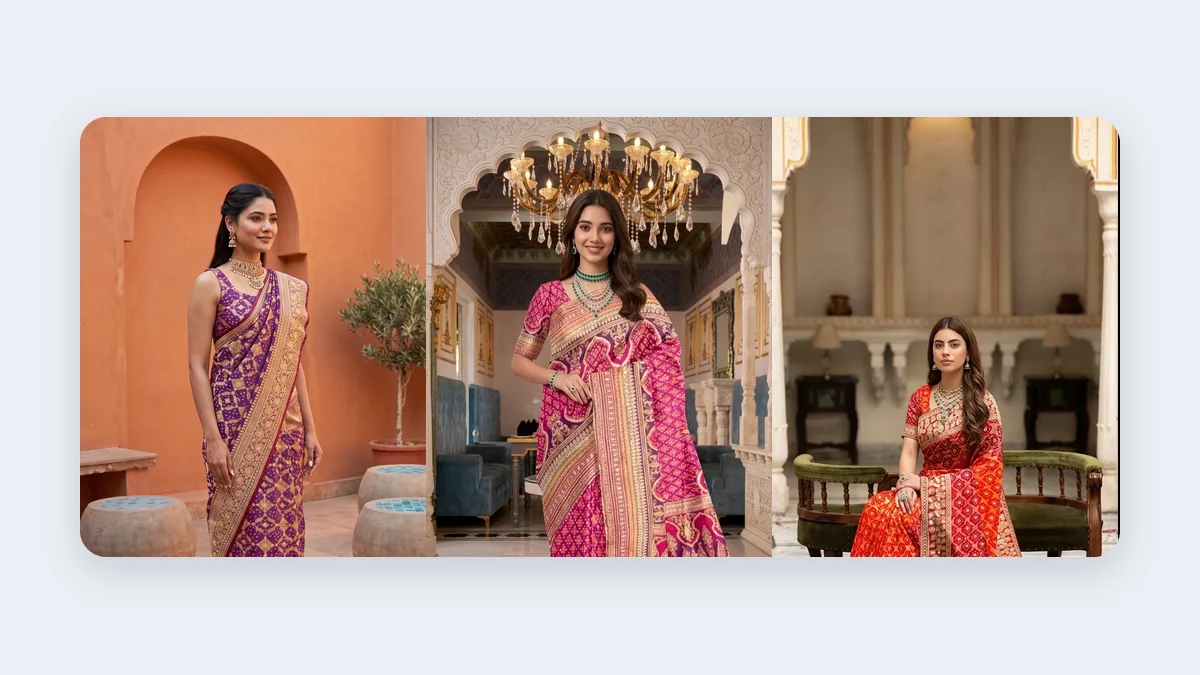
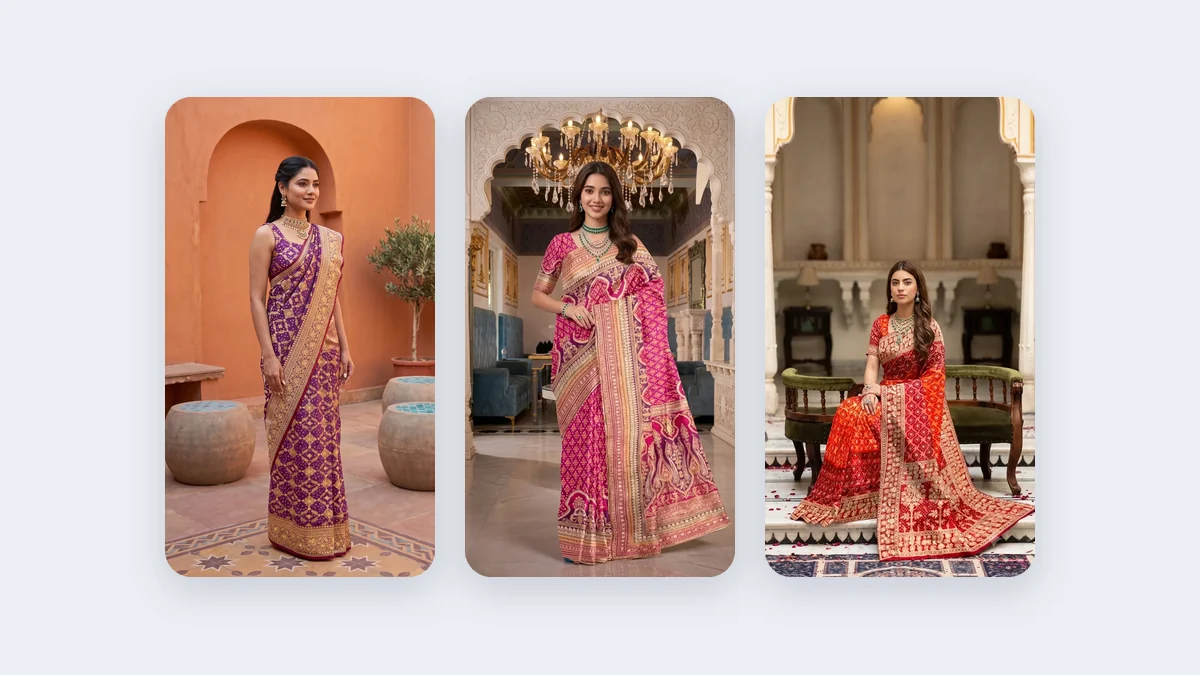
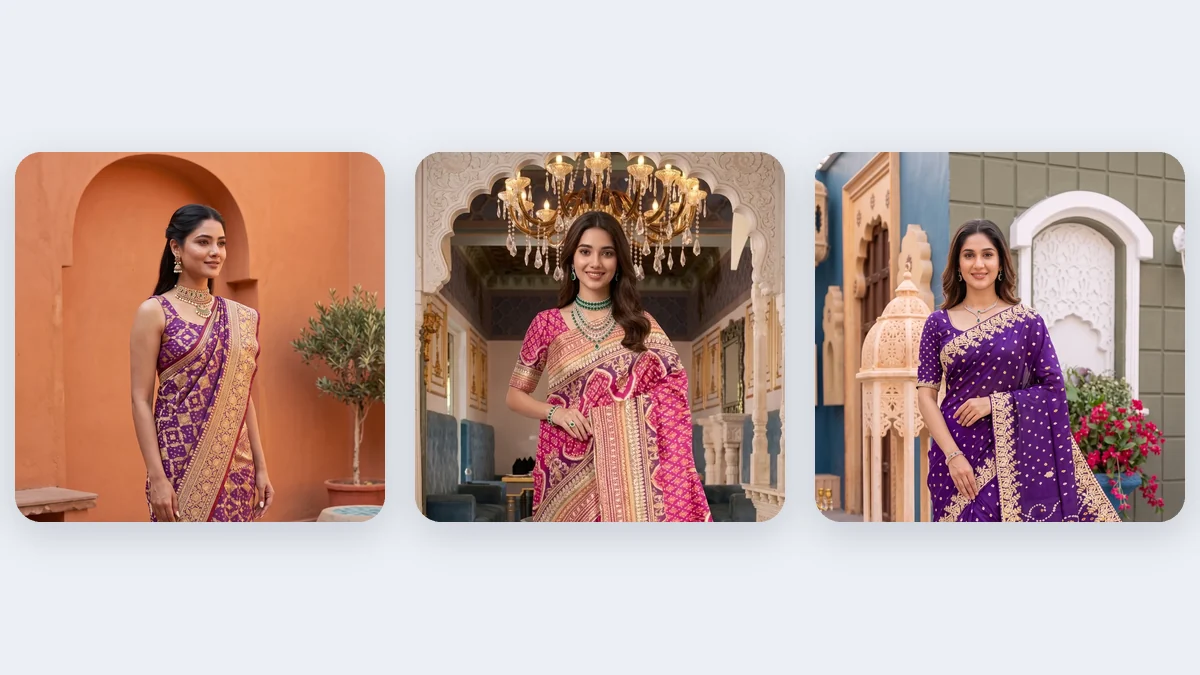
You do not need a fashion degree to start designing clothes. Online tools let you sketch, visualise and prepare designs for production. This guide explains the types of clothing design websites, a step-by-step process and how to turn a design into a real garment.
Types of clothing design tools
| Type | What it does | Best for |
|---|---|---|
| Sketching apps | Draw flats and illustrations | Designers and students |
| Pattern and 3D software | Build patterns and simulate drape | Technical design |
| Template-based design sites | Customise existing garments with prints | Merch and small runs |
| AI design generators | Create concepts from prompts | Early ideation |
| Moodboard tools | Collect colours, fabrics, references | Concept stage |
Step-by-step: from idea to design
1. Research
Study trends, competitors and your customer. Collect references in a moodboard.
2. Sketch
Draw front and back flats. Note neckline, sleeve, length and closures.
3. Choose fabric and colours
Pick fabrics that suit the garment type, climate and price point. Order swatches before committing.
4. Create a tech pack
A technical pack lists measurements, materials, stitching, trims and labels. Manufacturers use it to make samples.
5. Make a sample
Produce one prototype, test the fit and adjust.
6. Photograph and test the market
Show the sample to customers through photos, pre-orders or social media before making large quantities.
Using AI to speed up design
Use AI to explore silhouettes, colour combinations and prints from text prompts. Treat results as inspiration. You still need a pattern maker and tailor to execute the design. Once you have a sample, Vastralook can help you create on-model visuals for your store.
Tips for beginners
- Start with one simple category, such as kurtas or blouses.
- Design a small capsule of 5 to 10 pieces.
- Keep a consistent colour palette.
- Document everything in the tech pack.
- Ask for feedback before production.
Common mistakes
- Skipping measurements and size charts.
- Choosing fabric based only on looks, not drape.
- Overcomplicating the first collection.
- Ignoring production costs.
Finding manufacturers and tailors
Search for local manufacturers or tailors, ask for sample references, and request quotes based on your tech pack. Compare minimum order quantities and lead times.
The technical pack (tech pack) in detail
A tech pack is the document that turns your idea into something a factory or tailor can build. A clear tech pack saves money and time because it reduces errors and sample rounds.
| Section | What to include |
|---|---|
| Cover page | Style name, season, designer, date, version |
| Flat sketches | Front, back and side views with labelled details |
| Bill of materials (BOM) | Fabric, lining, thread, buttons, zips, labels, packaging |
| Measurement chart | Key points of measure (POM) for each size |
| Construction details | Stitch type, seam finishes, hems, closures |
| Colourways | Pantone or fabric references for each colour |
| Print and embroidery | Artwork files and placement drawings |
| Labels and packaging | Brand label, care label, hangtags |
| Grading rules | How measurements change between sizes |
| Quality standards | Tolerances and inspection notes |
Common points of measure
- Chest, waist, hip
- Shoulder width
- Sleeve length and sleeve opening
- Garment length
- Neck drop and neck width
- Inseam and rise for bottoms
Choosing fabrics and trims
| Fabric | Properties | Good for |
|---|---|---|
| Cotton | Breathable, easy to wear | Kurtas, shirts, everyday wear |
| Linen | Cool, textured | Summer wear |
| Rayon and viscose | Soft drape, affordable | Dresses and tops |
| Silk and silk blends | Luxurious sheen | Occasion wear |
| Georgette and chiffon | Light and flowy | Dupattas, sarees, gowns |
| Denim | Durable, structured | Jackets and jeans |
| Knits | Stretch and comfort | Casual wear and activewear |
Sourcing tips
- Order swatches before purchasing in bulk.
- Wash-test and dye-test the swatches.
- Check width, GSM (weight) and shrinkage.
- Compare prices across suppliers, but check quality and minimum orders.
- Ask about sustainable or certified fabrics if relevant.
Pattern making and sampling
- Pattern drafting. A pattern maker converts your flat sketch and measurements into patterns.
- First sample. Made in the actual or similar fabric.
- Fit session. Try the sample on a fit model or mannequin and note changes.
- Pattern correction. Adjust the patterns.
- Second sample. Check the improvements.
- Pre-production sample. The approved sample used as a standard for production.
Allow time for two or three sample rounds. Rushing this step causes expensive mistakes later.
Using 3D and digital tools
Digital pattern and 3D simulation tools let you:
- Visualise how fabric drapes on an avatar.
- Test colours and prints without making physical samples.
- Share designs with manufacturers remotely.
They require a learning curve but can reduce sampling costs over time.
Using AI for clothing design
AI design generators can quickly explore silhouettes, prints and colour combinations. Use them to:
- Build moodboards and concept boards.
- Test colour palettes for a collection.
- Generate print and pattern ideas.
- Create quick visual pitches for customers.
After you finalise a design, you need technical drawings, patterns and physical samples. When the garment is ready, Vastralook can turn photos of the real sample into on-model images for your store, which is helpful for testing how designs look before full production.
Designing for Indian markets
| Consideration | Tip |
|---|---|
| Climate | Choose breathable fabrics for hot and humid regions |
| Occasions | Offer festive, wedding and everyday ranges |
| Sizing | Include a wide range of sizes and clear size charts |
| Modesty and cultural needs | Offer sleeves, longer lengths and dupattas as options |
| Regional crafts | Collaborate with artisans for authentic prints and weaves |
| Price points | Understand your audience's budget |
Costing your design
Before you finalise a design, calculate costs.
| Cost item | Notes |
|---|---|
| Fabric | Metres required per piece × price per metre |
| Trims | Buttons, zips, lining, tags |
| Labour | Cutting, stitching, finishing |
| Embellishment | Embroidery, printing, handwork |
| Packaging | Bags, boxes, tags |
| Overheads | Rent, utilities, software |
| Shipping and returns | Inbound and outbound |
| Marketing | Photography, ads, influencers |
| Margin | Profit after all costs |
A common starting point is to price at a multiple of the production cost, then adjust for your market and positioning.
Legal and protection basics
- Design registration or copyright can help protect original designs, depending on your region.
- Use written agreements with tailors, pattern makers and manufacturers.
- Keep dated records of sketches and files.
- Avoid copying other brands' designs or trademarks.
Common mistakes in clothing design
| Mistake | Solution |
|---|---|
| Skipping the tech pack | Write a clear, complete tech pack |
| Choosing fabric after designing | Select fabric early, since it determines drape and cost |
| Ignoring grading and fit | Test multiple sizes |
| Overcomplicated first collection | Start with a small capsule |
| No cost calculation | Cost every design before production |
| Not testing the market | Pre-sell or run polls before bulk production |
Quick checklist
- Moodboard and target customer defined
- Flats drawn with details
- Fabric swatches tested
- Tech pack completed
- Samples fitted and approved
- Costing done
- Photography plan ready
Conclusion
Start with ideas and sketches, document them in a tech pack and test with a small run. Online tools make each step faster and cheaper.
Frequently asked questions
How long does it take to design a first collection?
A small capsule can take two to four months, including sketching, sourcing, sampling and production, though timelines vary.
Do I need software to create a tech pack?
Not necessarily. Spreadsheets and drawing apps can work, but dedicated fashion design software speeds up flats and measurements.
How do I protect my design?
Keep dated records, use contracts with makers, consider design registration where available and consult an intellectual property professional.
Can I design clothes for free online?
Yes, many tools have free tiers, but production costs are separate.
What is the best website to design clothes?
It depends on whether you need sketching, 3D, templates or AI concepts.
Do I need sewing skills?
No, but understanding construction helps you brief makers.