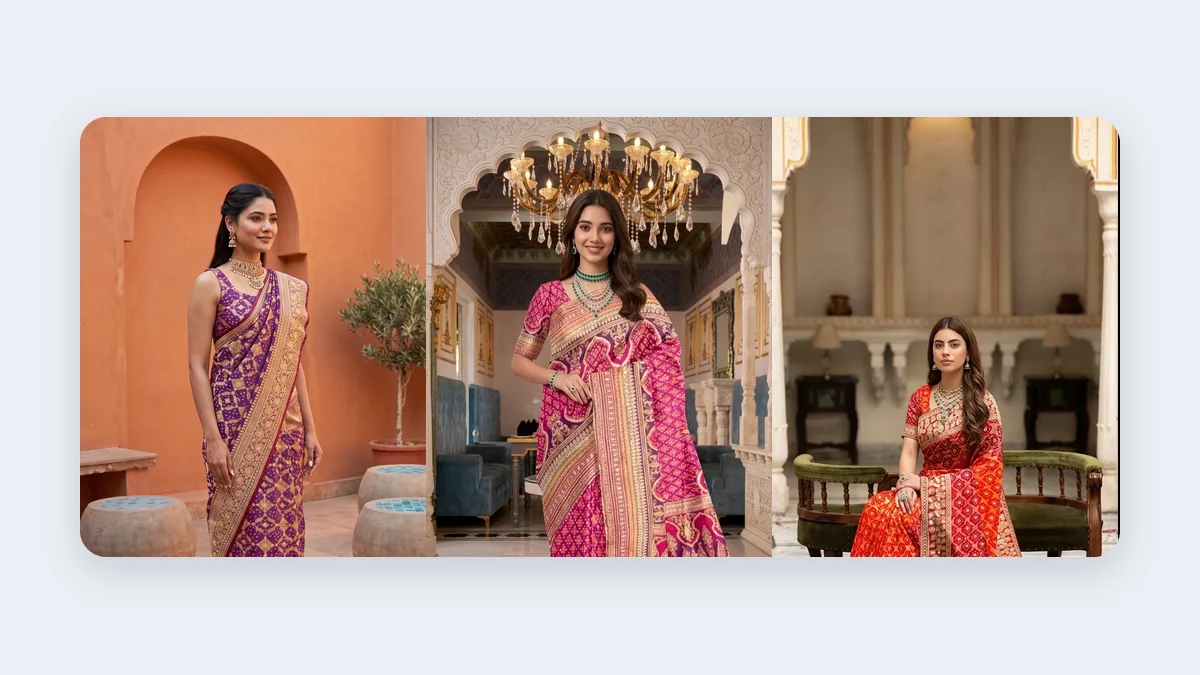
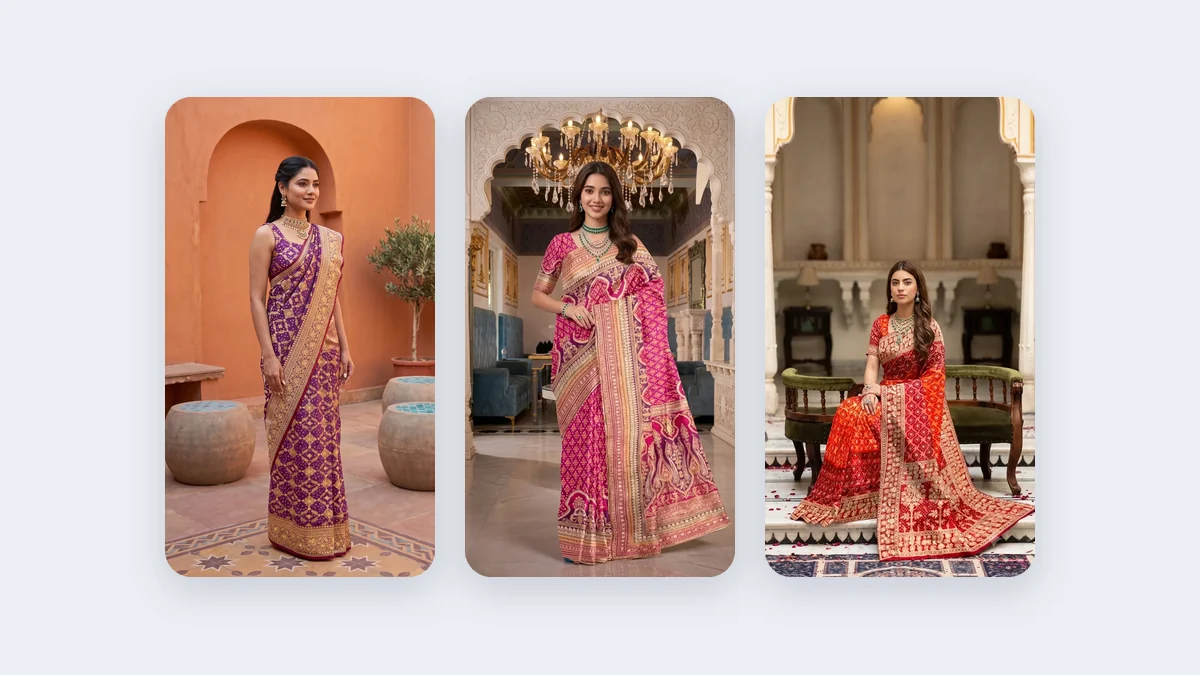
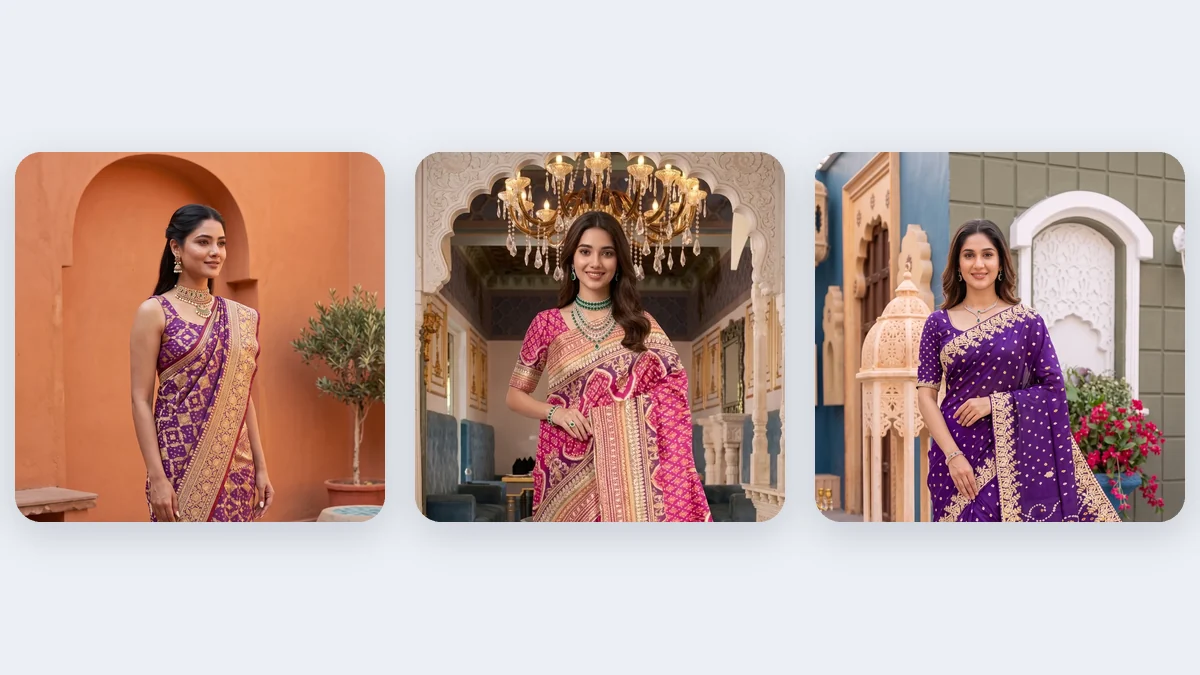
Trends change quickly, but personal style lasts. If you have ever bought something because "everyone is wearing it" and never worn it again, this guide is for you. It explains how style trends form, how to decide which ones suit you, how to build a wardrobe that reflects who you are, and how to shop smartly, including ethnic fashion, modern clothing, brown and earth tones, and slow fashion brands.
It is also useful for fashion sellers and bloggers who want to understand how trends travel from runway to checkout.
How fashion trends start
- Runways and designers present new ideas each season.
- Celebrities and creators popularise looks through red carpets and social media.
- Social platforms spread them within weeks.
- Retailers and fast-fashion brands produce affordable versions.
- Consumers adopt, adapt or reject them.
The fashion industry moves in cycles. Silhouettes, colours and fabrics return in new forms every few years.
Trend cycle: from emerging to outdated
| Stage | What happens | What to do |
|---|---|---|
| Emerging | Seen on runways and early adopters | Experiment with small pieces |
| Rising | Spreads on social media | Invest in versatile versions |
| Peak | Everywhere in stores | Buy only if it fits your style |
| Declining | Discounts begin | Skip unless you truly love it |
| Outdated | Looks dated | Wait for the revival cycle |
How to find your personal style
Step 1: Audit your wardrobe
List what you wear most and what stays unused. Notice colours, fits and fabrics you repeat.
Step 2: Collect inspiration
Create a moodboard of outfits you love. Look for patterns in colours, cuts and fabrics.
Step 3: Know your fit
Choose silhouettes that flatter your proportions and make you comfortable. Comfort shows in how you carry clothes.
Step 4: Define a palette
Pick 4 to 6 core colours that mix easily. Include neutrals and one or two accent colours.
Step 5: Add signature pieces
One distinctive item, such as a handloom saree or statement jacket, makes outfits memorable.
Step 6: Edit and refine
Remove what does not work and add slowly. Style evolves.
Personal style quiz
| If you love... | Your style may be... |
|---|---|
| Neutral palettes and clean lines | Minimal |
| Handloom, block prints, craft | Artisanal |
| Bold colours, embroidery, statement jewellery | Maximal / festive |
| Tailored cuts, structured pieces | Classic |
| Mixing ethnic and western | Fusion |
| Oversized, relaxed fits | Casual / street |
Ethnic fashion today
Ethnic wear keeps evolving. Modern drapes, pre-stitched sarees, fusion kurtas and lightweight festive lehengas let people wear tradition with ease. Trends to watch:
- Pre-draped sarees and lehenga sarees for easy dressing
- Handloom textiles like chanderi, linen, cotton silk and khadi
- Block print and bandhani in updated palettes
- Co-ord sets with kurta tops and palazzo or sharara bottoms
- Contemporary blouses (cape, corset, high-neck)
- Statement dupattas as the focal point of an outfit
Mixing handloom textiles with contemporary silhouettes is a lasting trend because it feels both rooted and fresh.
Modern and everyday clothing
Capsule wardrobes, relaxed tailoring, versatile co-ords and layered looks suit modern lifestyles. Prefer quality fabrics that last and mix well. A good base wardrobe might include:
| Category | Core pieces |
|---|---|
| Tops | 3 to 4 plain tees or shirts, 2 kurtas |
| Bottoms | Jeans, tailored trousers, 1 skirt or palazzo |
| Outer layers | Blazer or jacket, shrug or stole |
| Occasion | 1 saree or lehenga, 1 dress |
| Footwear | Sneakers, flats, heels, juttis |
| Accessories | Watch, versatile earrings, scarf |
Colour spotlight: brown and earth tones
Brown clothes have moved from "boring" to "luxe". Chocolate, coffee, tan, camel and terracotta pair easily with cream, olive, rust and gold. In ethnic wear, brown works beautifully in handloom cottons, tussar silk and block prints. Tips:
- Pair brown with cream or ivory for a soft look.
- Add gold or brass jewellery for warmth.
- Combine two or three shades of brown for depth.
- Avoid pairing brown with black unless the textures are clearly different.
Slow fashion: buying less, better
Slow fashion brands focus on quality, ethical production and timeless design. Look for:
- Transparent sourcing and fair labour practices
- Natural or durable fabrics
- Made-to-order or small-batch production
- Repair, resale or take-back options
- Timeless designs that avoid fast trends
Buy fewer pieces and wear them often. The cost-per-wear of a quality garment is usually lower than cheap, short-lived items.
Where to shop for fashion
| Place | Best for |
|---|---|
| Brand websites | Latest collections, brand story |
| Marketplaces | Variety and price comparison |
| Local boutiques and designers | Custom work and personal service |
| Designer stores | Occasion wear and statement pieces |
| Thrift and resale | Unique, sustainable finds |
| Custom tailors | Perfect fit and personal designs |
When you shop for designer clothes online, check size charts, fabric details, return policies and real photos. Virtual try-on tools such as Vastralook let you preview how an outfit may look before buying. If you are searching for designers near you, check local directories, social media and boutique hubs in your city.
Questions to ask before buying any trendy piece
- Do I already own something similar?
- Can I style it at least three ways?
- Does the colour suit my palette?
- Is the fabric good quality?
- Will I still like it in a year?
Trend-spotting tips for bloggers and fashion brands
- Track Google Trends and social hashtags.
- Follow runway reports and fashion weeks.
- Watch which products sell out on marketplaces.
- Observe street style in your target city.
- Listen to customer questions and reviews.
Use trends as inspiration for your catalogue and content calendar, then express them through your brand's own style.
Style trends to watch in Indian fashion
These are broad directions, not guarantees. Always verify against current sales data and search interest before stocking.
| Direction | What it looks like | Who it suits |
|---|---|---|
| Pre-draped and easy-wear sarees | Ready pleats, stitched pallus | Busy professionals, first-time wearers |
| Handloom revival | Chanderi, linen, khadi, natural dyes | Conscious shoppers |
| Fusion separates | Kurta with western trousers, saree with jackets | Young urban buyers |
| Quiet luxury in ethnic wear | Monotone sets with fine embroidery | Minimalist taste |
| Earth-tone palettes | Browns, olives, terracotta | Year-round wearers |
| Statement sleeves and necklines | Cape, bishop and puff styles | Occasion wear |
How a small brand can use trend data
- Check search interest for a trend over 12 months to see if it is rising or seasonal.
- Look at competitors' bestsellers for repeating features, such as fabric or neckline.
- Test a small capsule before committing to large production.
- Use on-model images, including AI-generated previews from Vastralook, to see which style gets clicks before stocking.
Building a trend-aware but timeless wardrobe
Spend most of your budget on versatile staples and a smaller share on trend pieces. A good split is about 70 percent staples, 20 percent seasonal pieces and 10 percent bold experiments.
Building a content calendar around style trends
Fashion bloggers and brands can turn trend research into a steady publishing plan. Map the year around key moments: wedding season, festive months, summer, monsoon and winter. For each moment, plan one trend explainer, one styling guide and one shopping list. Reuse the same research for blog posts, Instagram carousels and email newsletters. Link each post to relevant products so readers can move from inspiration to purchase easily.
Conclusion
Use trends as inspiration, not instruction. A strong personal style, quality pieces and good fit will outlast any season.
Frequently asked questions
How do I find my personal style?
Review what you love wearing, collect references and refine over time.
Are trends worth following?
Adopt those that fit your style; skip the rest.
What is slow fashion?
A mindful approach that prioritises quality, ethics and longevity over quick turnover.
What colours go with brown clothes?
Cream, ivory, olive, rust, mustard, white and gold are reliable partners.
How do I wear ethnic fashion in a modern way?
Mix traditional pieces with contemporary accessories or silhouettes, such as a handloom kurta with straight trousers.
How can I shop for designer clothes without overspending?
Look for off-season sales, designer outlet events, resale platforms and custom tailors who recreate designs.