Dreaming of your own label? Starting a clothing brand takes more than great designs. You need a clear niche, reliable sourcing, a brand identity and a way to sell. Use this launch plan to go from idea to first sale.
Step 1: Choose your niche
Narrow focus wins. Examples: handloom sarees, festive kurtas, bridal lehengas, workwear for women, kidswear, sustainable basics. Ask:
- Who is my customer?
- What problem do I solve?
- Why would they choose me over existing brands?
Step 2: Research the market
Study competitors' pricing, product range, website and social media. Look for gaps such as missing sizes, unaddressed occasions or weak photography.
Step 3: Create a brand identity
- Brand name and logo
- Colour palette and fonts
- Brand story and values
- Packaging style
- Tone of voice
Check that the name is available as a domain, social handle and trademark.
Step 4: Design your first collection
Start small: 5 to 10 products. Create sketches, choose fabrics and make samples. See our guide on designing clothes online for the process.
Step 5: Source and manufacture
| Option | Pros | Cons |
|---|---|---|
| Own tailor/unit | Control | Limited scale |
| Contract manufacturer | Scalable | Minimum order quantities |
| Wholesale/white-label | Low setup cost | Less differentiation |
| Artisan clusters | Authentic craft | Longer lead times |
Compare quotes, check quality on samples and agree timelines in writing.
Step 6: Handle legal and financial basics
Register the business, obtain GST where applicable, open a business bank account and set pricing with margins that cover production, shipping, returns and marketing. Consult an accountant for local requirements.
Step 7: Build your online store
Choose an ecommerce platform, create clear product pages, add size charts and set up payments and shipping. A clean fashion brand website needs fast loading, mobile-friendly design and strong imagery.
Step 8: Invest in product photography
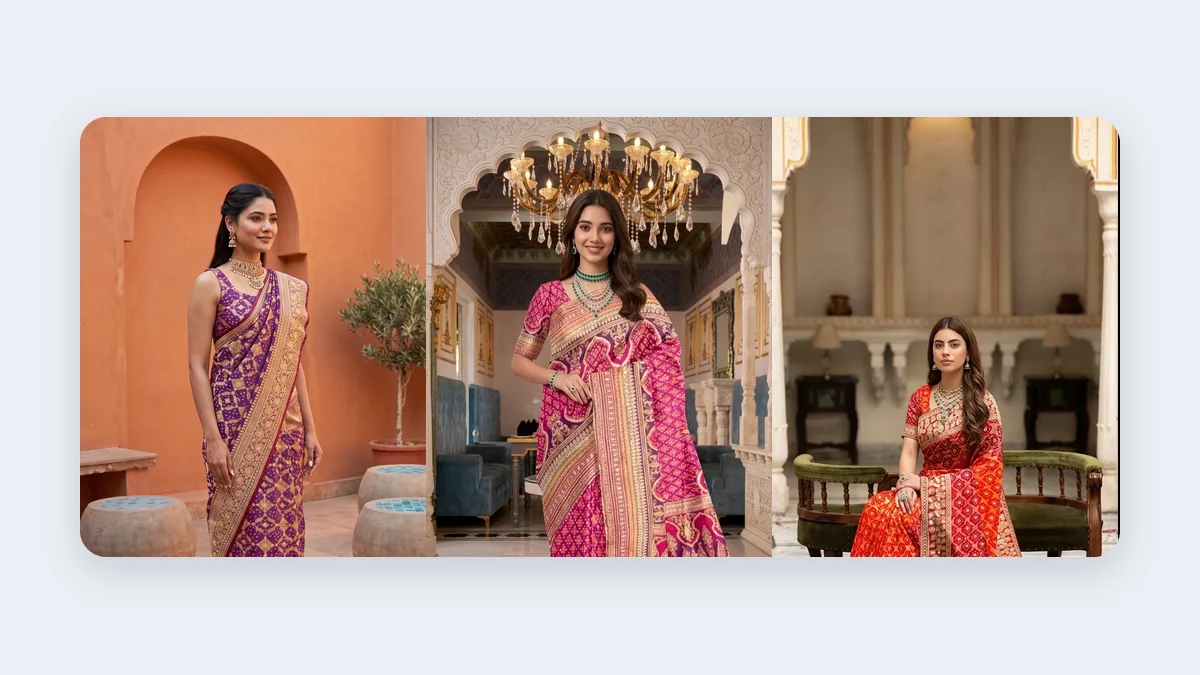
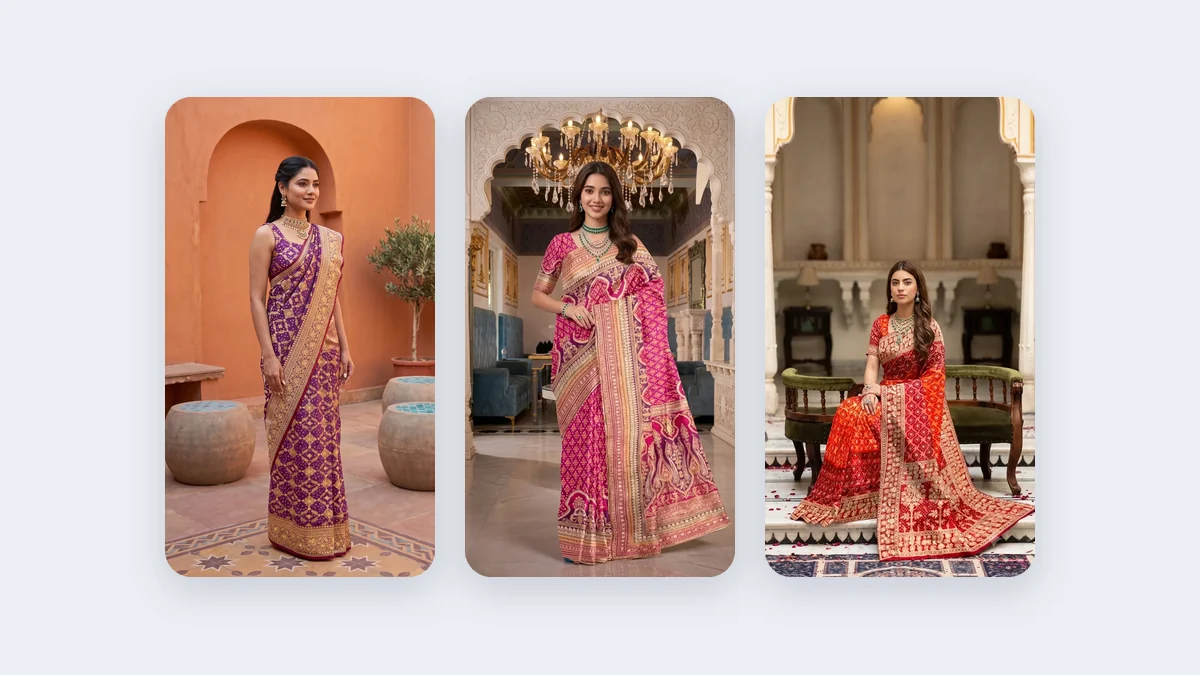
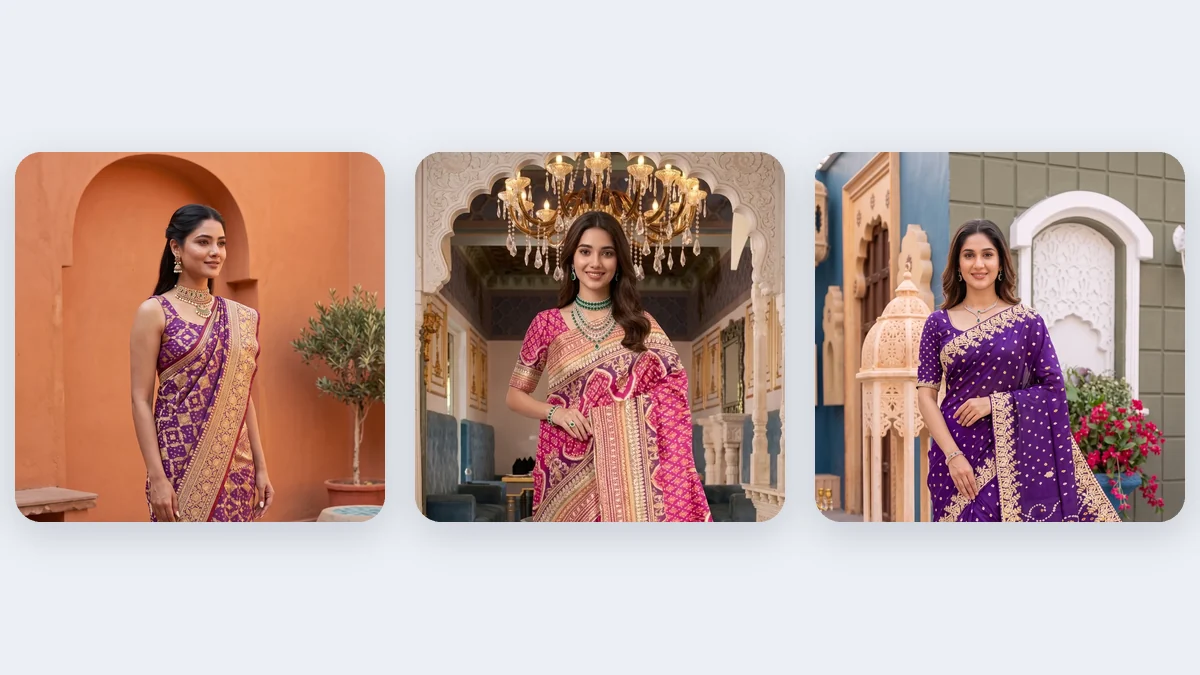
Customers cannot touch your clothes, so photos matter. Plan on-model shots, detail images and lifestyle photos. If hiring models for each piece is too costly at launch, use AI tools like Vastralook to generate on-model images from your garment photos while keeping a real shoot for hero visuals.
Step 9: Plan your marketing
- Instagram and Reels showing styling and behind-the-scenes
- Influencer collaborations with relevant audiences
- Email list from day one
- Google and social ads once you have good creatives
- SEO-friendly blog and product descriptions
Step 10: Launch and learn
Launch with a limited collection, gather feedback, track returns and reviews, then improve.
Launch checklist
- Brand name, logo, domain
- 5 to 10 tested products
- Pricing and margins calculated
- Store live with policies
- Photos ready for every product
- Packaging and shipping tested
- Marketing calendar for 30 days
Business models for a clothing brand
Choose the model that fits your budget, skills and risk appetite.
| Model | How it works | Pros | Cons |
|---|---|---|---|
| Own design, own manufacture | You design and produce through tailors or units | Full control, unique products | Higher setup, inventory risk |
| Contract manufacturing | You design, a factory produces | Scalable, consistent quality | Minimum order quantities |
| White label | You brand ready-made products | Fast and low cost | Less differentiation |
| Made-to-order | Produce after receiving orders | No unsold stock | Longer delivery times |
| Dropshipping | Supplier ships directly | No inventory | Low margins, limited control |
| Print on demand | Designs printed per order | Low risk for graphic products | Limited garment types |
| Curated retail or boutique | You buy from designers and resell | Lower design effort | Competes on selection and service |
| Artisan collaboration | Partner with weavers and craft clusters | Authentic, story-rich | Lead times, variable supply |
Startup cost planning
Costs vary widely, so build your own plan with real quotes. Use this structure.
| Category | Items to budget |
|---|---|
| Product development | Sketches, patterns, samples |
| Inventory | First production run, fabrics, trims |
| Branding | Logo, packaging, labels, hangtags |
| Website | Domain, platform subscription, theme, apps |
| Photography | Photoshoot or AI tools, editing |
| Marketing | Ads, influencers, content creation |
| Legal and admin | Registration, accounting, trademarks |
| Operations | Shipping supplies, storage, software |
| Contingency | 10 to 20 percent buffer |
Start with a lean collection. A small, well-executed range beats a large, unfocused one.
Pricing your clothes
- Calculate your total cost per piece, including fabric, labour, packaging, shipping, marketing and returns.
- Decide the margin you need to sustain the business.
- Compare with competitor prices and your brand positioning.
- Test price points with a small audience if possible.
- Review regularly as costs change.
| Positioning | Typical focus |
|---|---|
| Value | Affordable basics, high volume |
| Mid-range | Quality, style and fair prices |
| Premium | Craft, design and exclusivity |
Choosing a sales channel
| Channel | Best for | Considerations |
|---|---|---|
| Own website | Brand control and margins | Needs traffic and marketing |
| Marketplaces | Quick reach | Fees, competition, rules |
| Instagram and WhatsApp selling | Small brands and boutiques | Manual order handling |
| Retail stores and pop-ups | Experience and trust | Rent and staffing |
| Wholesale | Volume | Lower margins, MOQ |
| Exhibitions and trade shows | Networking | Costs and logistics |
Many brands start on Instagram and a Shopify-style store, then add marketplaces later.
Branding that people remember
- Brand story. Why does your brand exist and who is it for?
- Visual identity. Logo, colours, fonts, photography style.
- Voice. How you talk to customers, whether warm, playful or refined.
- Packaging. A neat, branded unboxing experience builds loyalty.
- Consistency. Use the same look across website, social media and packaging.
Building your website: essentials
- Fast, mobile-friendly design
- Clear navigation and filters
- High-quality product images from several angles
- Size charts and fit guides
- Transparent shipping and return policies
- Secure payments and trust badges
- Blog or lookbook for SEO and storytelling
- Contact options including WhatsApp
Photography strategy for new brands
Product photos influence sales more than almost any other element. A smart plan for new brands:
- Shoot hero pieces on a live model for your homepage and campaigns.
- Use a consistent background and lighting for catalogue pages.
- Use AI-generated on-model images from tools like Vastralook for additional colours and quick drops, always checking accuracy.
- Add detail shots, size charts and short videos.
Marketing plan for the first 90 days
| Days | Focus | Activities |
|---|---|---|
| 1 to 30 | Pre-launch | Build email list, teaser posts, behind-the-scenes content |
| 31 to 60 | Launch | Announce collection, influencer gifting, launch offer |
| 61 to 90 | Optimise | Collect reviews, retarget visitors, test ad creatives |
Marketing channels to try
- Instagram Reels and Stories
- Collaborations with micro-influencers
- Email and WhatsApp updates
- Google Shopping and search ads
- Pinterest for inspiration traffic
- SEO-friendly blog content
Operations: orders, shipping and returns
- Choose reliable courier partners.
- Pack garments neatly, with branded and protective packaging.
- Share tracking updates with customers.
- Define a clear returns and exchange policy.
- Track return reasons to improve products and images.
Legal and compliance basics
Rules vary by country and state, so consult a professional. Typical items include business registration, tax registration, trademark filings, supplier contracts and consumer policies. Keep clear records of invoices, purchases and expenses.
Common mistakes new brands make
| Mistake | Better approach |
|---|---|
| Too many products at launch | Start with a focused capsule |
| Ignoring photography | Invest in clear, consistent images |
| No marketing plan | Plan content and ads before launch |
| Underpricing | Cost everything, including returns |
| Skipping reviews and feedback | Collect and use customer insights |
| Not tracking numbers | Monitor sales, returns, traffic and margins |
Quick checklist
- Niche, customer and positioning defined
- Brand name, domain and social handles secured
- Samples tested and approved
- Pricing and margins calculated
- Website live with policies
- Product photos ready
- First 90-day marketing plan
Conclusion
Start small, focus on a clear customer and present your products beautifully. Consistent quality and storytelling build a brand over time.
Frequently asked questions
How much money do I need to start a clothing brand?
It depends on volume, sourcing and marketing. Start with a small run and scale based on demand.
Do I need to manufacture myself?
No. Many brands use tailors or contract manufacturers.
How do I get my first customers?
Friends and community, Instagram, marketplaces and targeted ads.