Photographing puffer coat collections for online catalogues presents a unique set of challenges that standard studio photography frequently fails to solve. When fashion shoppers browse puffer coat listings on ecommerce platforms, their purchasing confidence hinges directly on clarity: how the garment contours around the body, whether the fabric moves stiffly or drapes fluidly, and how subtle textural details appear under true-to-life lighting. Because puffer coat pieces often feature horizontal or chevron baffle quilting, high-loft down or synthetic insulation, water-resistant technical shell, storm-proof stand collars, and weather-sealed hardware, flat-lay and ghost mannequin photography immediately strip away their living dimensionality, reducing high-value designer garments to two-dimensional approximations that fail to convert.
Traditional editorial model shoots have historically been the only answer for fashion brands wanting high-converting imagery. Yet coordinating a physical model shoot for seasonal puffer coat collections comes with exorbitant overhead: booking professional models, renting specialized high-ceiling studio spaces, hiring hair and makeup teams, managing steamer crews to eliminate creasing, and spending weeks waiting for manual retouchers. For emerging direct-to-consumer labels, boutique retailers, and high-volume fashion manufacturers, spending thousands of dollars per shoot every time five new SKUs drop simply does not scale.
Today, generative fashion AI and digital catalogue studios like Vastralook allow brands to upload ghost mannequin or simple flat-lay captures and generate high-fashion on-model photography across diverse global ethnicities, photorealistic editorial environments, and multiple camera perspectives—all while preserving original seamlines, print scale, and true textile drape.
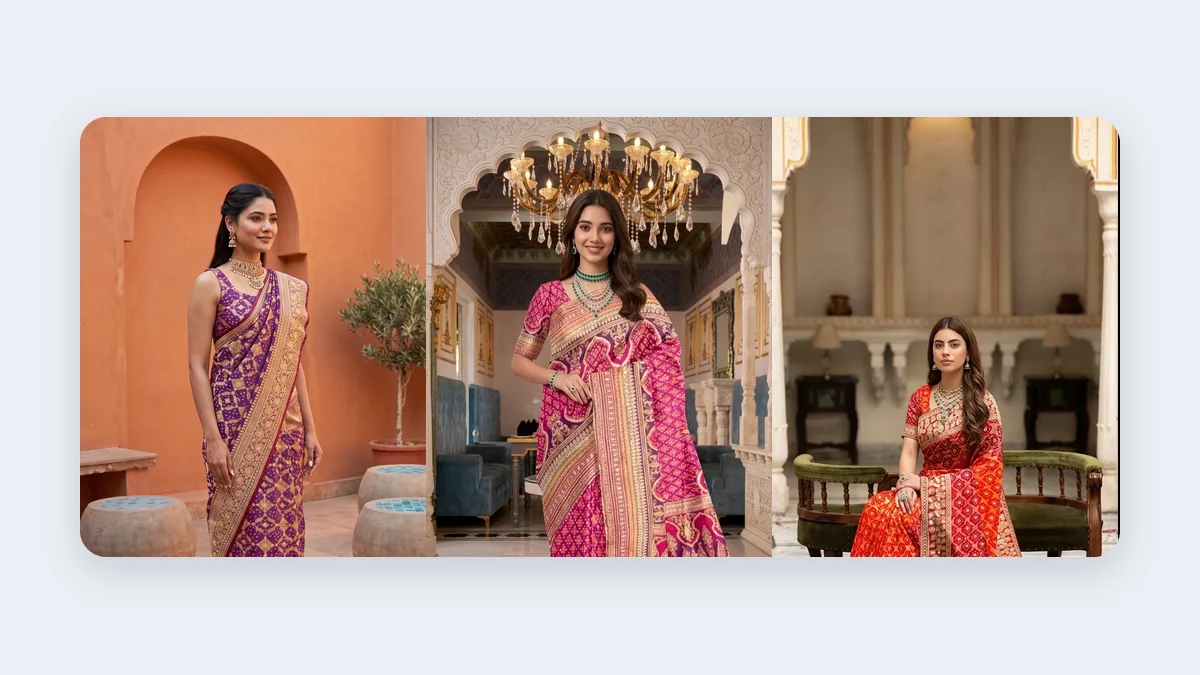
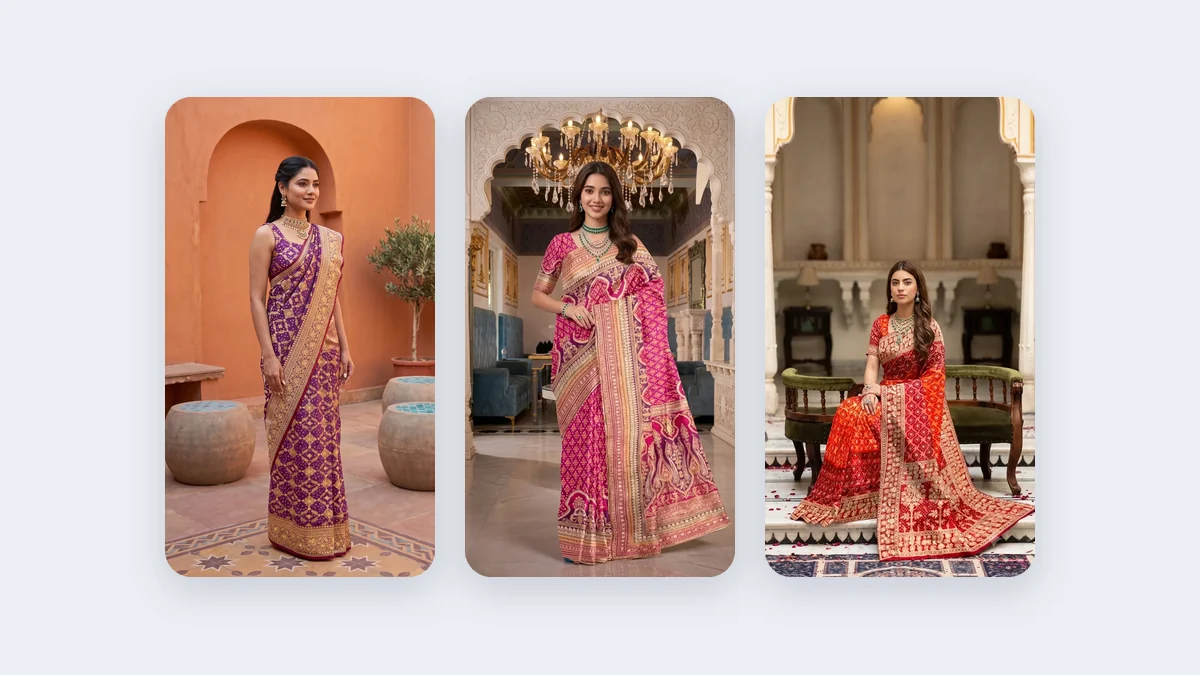
Real Puffer Coat catalogue results from Vastralook
Here is an overview of puffer coat items from our garment reference library. When you run your collection through Catalogue Studio, each piece is preserved with precise edge detection, pattern continuity, and natural body contouring.
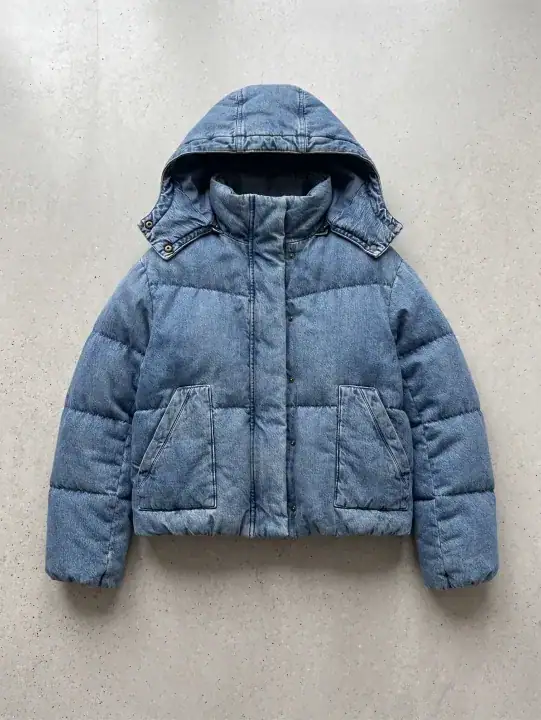
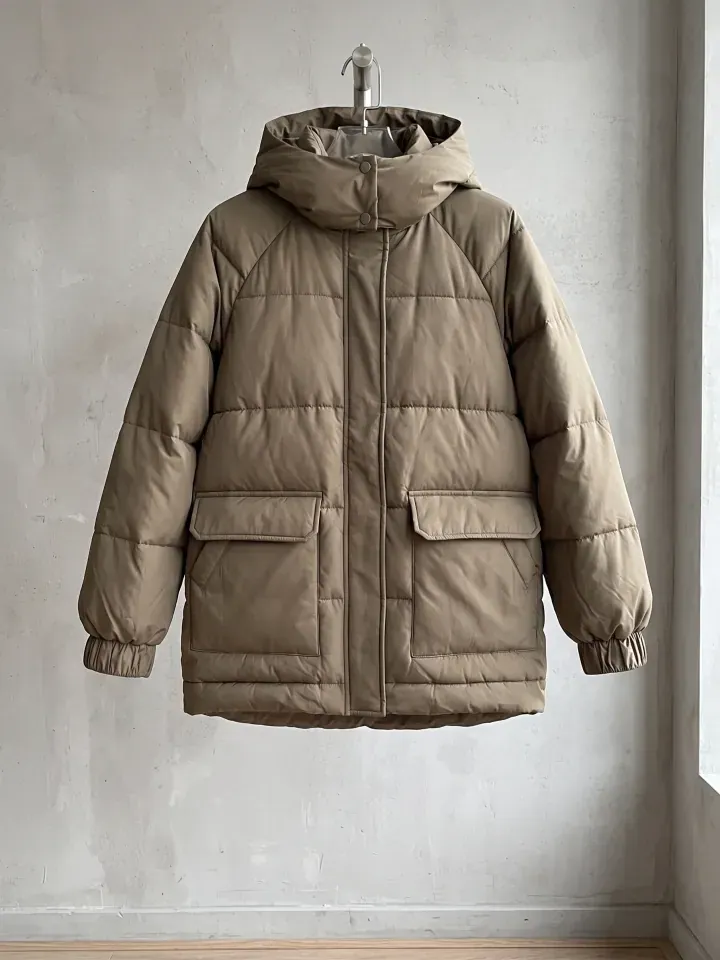
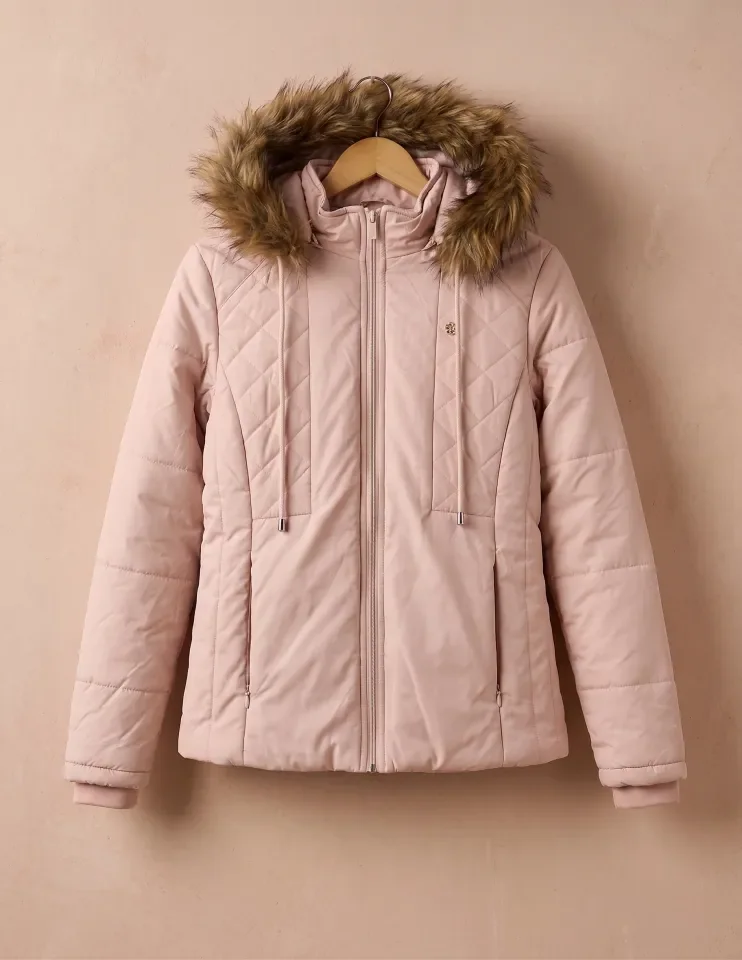
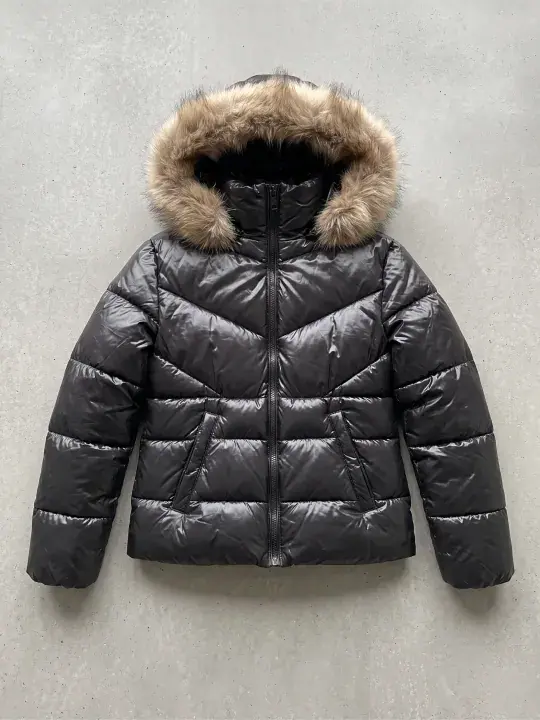
Curated reference captures showcasing diverse puffer coat fabrications, cuts, and construction details from our studio archives.
Pre-built Winter Outerwear & Puffer Coats studio package: multi-angle shoots in one click
To see how virtual catalogue generation operates in real production environments, browse our verified studio package below. Each package represents a fully configured AI studio workflow featuring consistent model identity, matched lighting parameters, and multiple editorial camera framings tailored specifically for puffer coat and winter outerwear & puffer coats silhouettes:
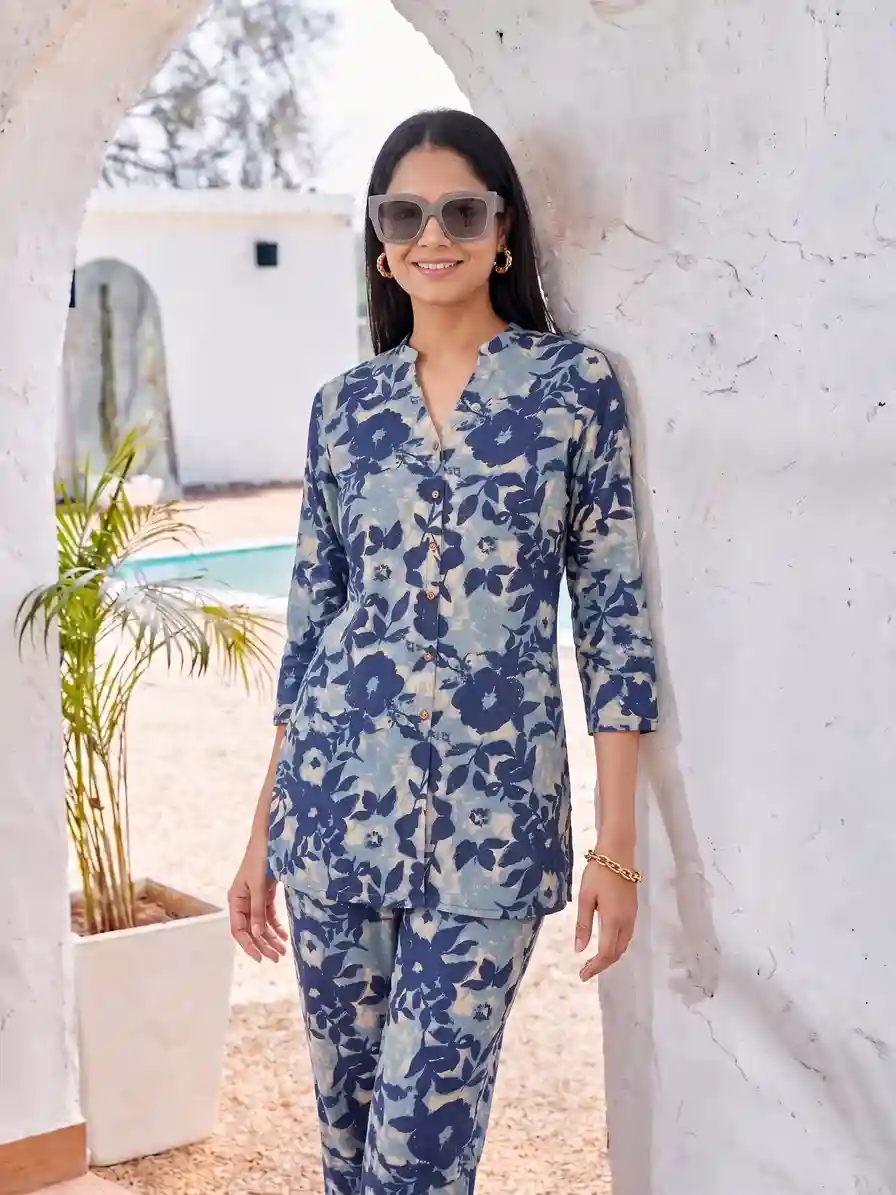
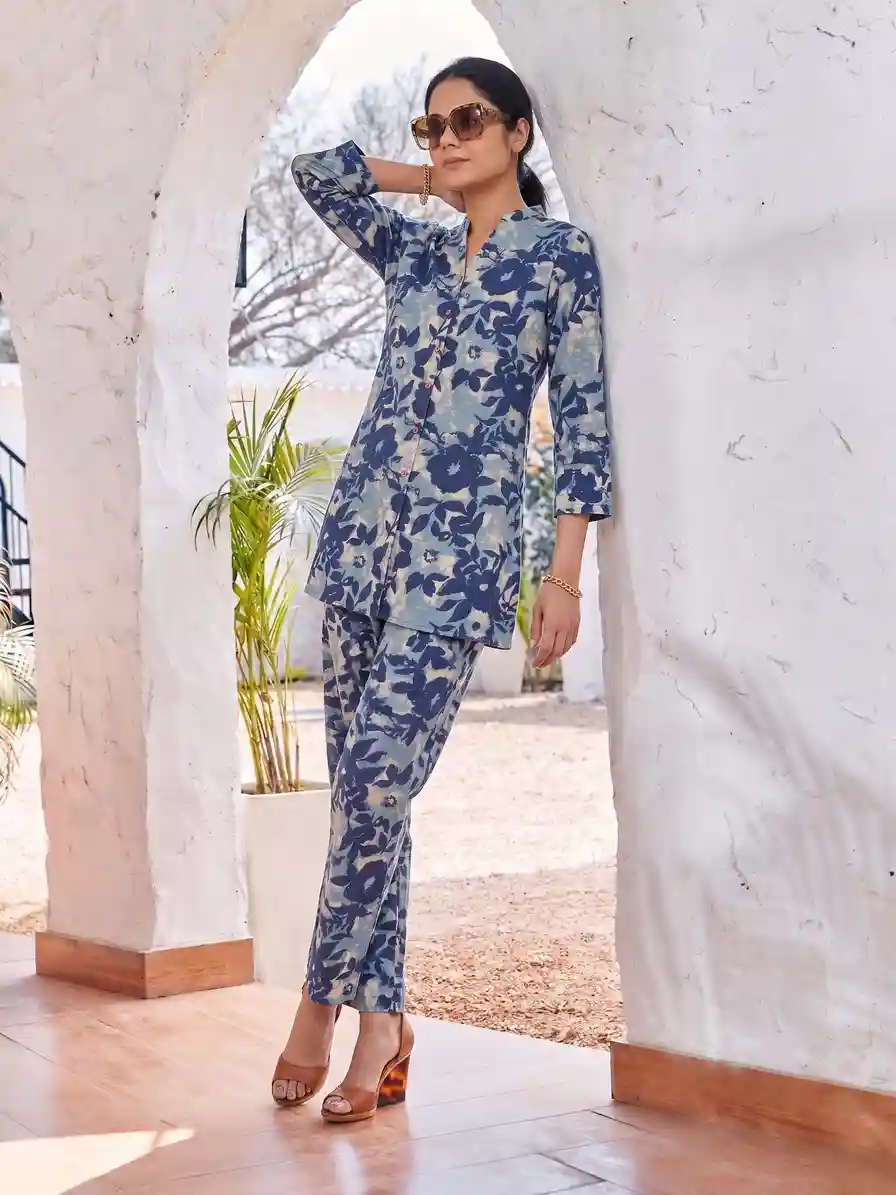
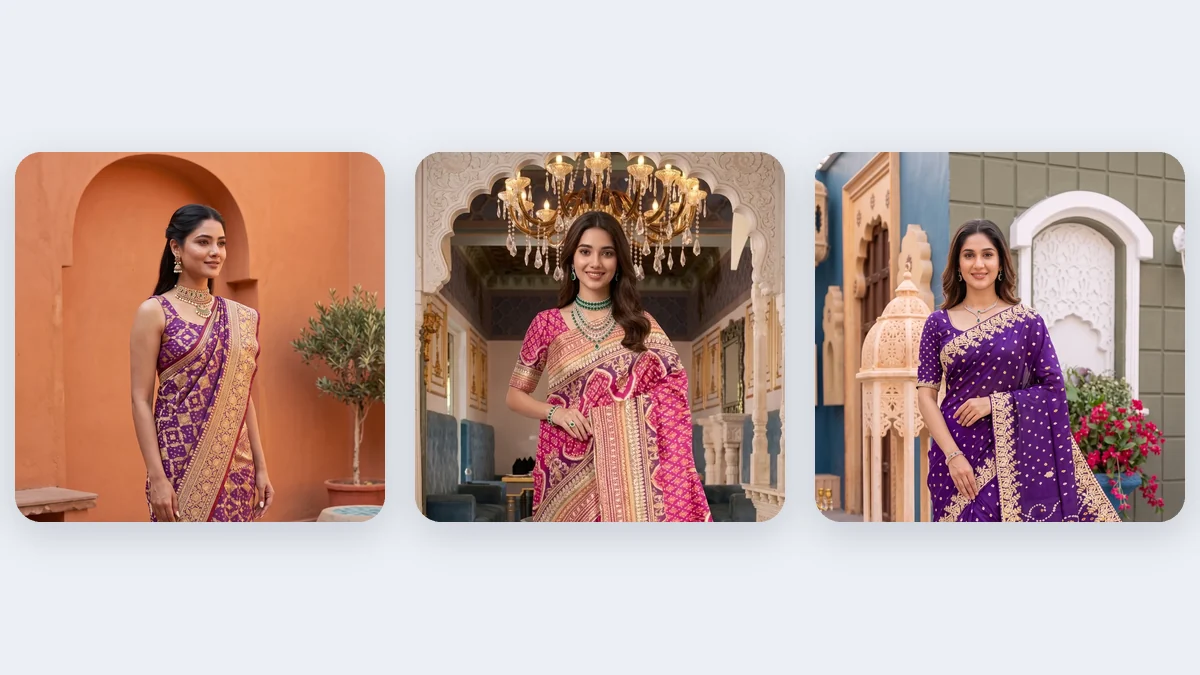
Frames from Package #491 in our studio library — Structured cold-weather outerwear silhouette across 2 outdoor patio angles. Demonstrates substantial garment weight, collar height, and clean proportion balance.
The Real Cost of Traditional Puffer Coat Photoshoots vs. AI Workflows
Every fashion ecommerce founder and creative director understands the logistical friction involved in organizing physical studio shoots for puffer coat drops. When coordinating complex collections, small oversights like minor fabric creasing, model unavailability, or lighting inconsistencies create cascading expenses that diminish margins:
| Production Variable | Traditional Physical Shoot | Vastralook AI Catalogue Studio |
|---|---|---|
| Turnaround Time | Days from booking to retouched delivery | Generated in the studio, with no booking or editing queue |
| Model Booking & Agency Fees | Daily rate for each professional model | No model booking: pick a model in the studio |
| Location & Studio Hire | Daily rental for lighting and a cyc wall | A range of photorealistic virtual studio sets & outdoor scenes |
| Styling & Crease Retouching | Requires full-time steamers, tape, pins, and manual clone-stamping | Automated garment tension smoothing & pristine pixel fidelity |
| Model Demographic Diversity | Limited to agency casting calls within studio geographical area | A range of model looks to choose from |
| Cost per Live SKU Angle | Charged per finished image | Priced per generated image; see the pricing page |
Step-by-Step Guide: Photographing Puffer Coat for Digital Catalogues
Achieving hyper-realistic on-model renders starts with structured prep. Follow this battle-tested 6-step framework designed specifically for puffer coat lines:
- Garment De-wrinkling & Surface Prep
Thoroughly steam your puffer coat samples before placing them on mannequins. Pay specific attention to hemlines, collar transitions, and draped gathers. Surface wrinkles present during capture require extensive generative reconstruction, whereas a crisply steamed original preserves flawless weave definition.
- Flat-Lay or Ghost Mannequin Baseline Capture
Position your puffer coat on a matte ghost mannequin or smooth light-neutral table. Position your camera at mid-torso height (approximately 42 to 48 inches) with an 85mm portrait lens to prevent barrel distortion along vertical silhouettes.
- Lighting Balanced for Texture
Use large, diffused continuous LED softboxes angled at 45 degrees to the garment plane. A gentle secondary rim light prevents dark fabrics from merging into dark backgrounds and clearly separates exterior seamlines.
- Uploading to Vastralook Studio
Import high-resolution JPG or PNG source captures into Vastralook. The computer vision pipeline automatically separates the garment boundary, detects seam placement, and maps fabric surface normal maps.
- Selecting AI Model Identity & Setting
Choose from our curated catalog of AI models tailored to your target demographic. Select skin tones, hairstyles, poses (confident outdoor stride showing coat mobility without stiff bulkiness, hands comfortably resting inside fleece-lined hip pockets to show ergonomic placement, and three-quarter profile highlighting collar height and baffle loft), and matching editorial environments.
- Generating Full-Angle Lookbooks
Render full-body frontals, three-quarter walking strides, and zoomed macro texture crops in parallel. Export ready-to-publish 4K assets formatted for Shopify, Amazon, and luxury wholesale portals.
Source Photo Quality Checklist for Puffer Coat Inputs
Your generative outputs reflect the quality of your input captures. Review this checklist before uploading your puffer coat photos:
- Camera positioned strictly level at chest/torso height to prevent perspective foreshortening.
- Diffused daylight-balanced (5500K) illumination with zero direct flash hotspots or severe drop shadows.
- Background is clean, non-reflective white, light grey, or neutral beige with high garment-to-backdrop contrast.
- All horizontal or chevron baffle quilting, high-loft down or synthetic insulation, water-resistant technical shell, storm-proof stand collars, and weather-sealed hardware are arranged symmetrically and free from accidental fold-overs.
- Image resolution is at least 2400 x 3200 pixels with pin-sharp focus on weave texture and stitch details.
- Color balance calibrated against an X-Rite ColorChecker chart for precise dye fidelity.
Weighing AI Generation vs. Traditional Physical Shoots for Puffer Coat
- Faster turnaround: generate seasonal puffer coat catalogues without waiting for a shoot.
- Lower cost: no model fees, makeup artists, or studio rental for each shoot.
- Consistent brand identity: maintain the same AI model across multi-season puffer coat product drops.
- Global market reach: effortlessly swap model ethnicities and seasonal locations for regional campaigns.
- Fewer logistics: no sample shipping delays, weather-ruined outdoor shoots, or booking cancellations.
- Requires high-resolution, well-steamed baseline garment captures to achieve maximum photorealism.
- Extreme bespoke 3D novelty elements (such as fiber-optic lighting or rigid metal wire cages) may need prompt tuning.
- Creative teams must adapt to prompt-based and style-template direction rather than in-person verbal coaching.
High-Converting Editorial Backgrounds for Puffer Coat Catalogues
The environment surrounding your puffer coat communicates lifestyle tier, target price point, and wearing occasion. Match your product positioning with these virtual studio presets:
| Editorial Backdrop Concept | Recommended Brand / Collection Type | Visual Mood & Conversion Impact |
|---|---|---|
| Snow-covered alpine pine forest with gentle falling snowflakes | Heavyweight down parkas & extreme cold expedition coats | Atmospheric, crisp, authentic |
| Frosty city street at dusk with glowing storefronts and wet asphalt reflections | Urban streetwear puffers & cropped metallic jackets | Edgy, trendy, metropolitan |
| Minimalist cool-grey industrial studio cyc with crisp high-definition side lighting | Technical outerwear catalogue listings & web stores | Clean, high-contrast, premium |
| Modern ski lodge timber terrace overlooking snow-capped mountain peaks | Luxury après-ski puffer collections & designer winterwear | Aspirational, alpine, high-end |
Frequently asked questions
How does AI ensure my puffer coat fabric texture and color remain authentic?
Vastralook utilizes neural feature-preserving diffusion networks that analyze your uploaded high-resolution garment capture. Rather than synthesizing a generic puffer coat, our proprietary architecture preserves pixel-level embroidery, weave density, surface luster, and Pantone-accurate colors while generating realistic lighting interactions with the virtual model.
Can I show multiple poses and angles for the same puffer coat SKU?
Yes! Consistency across multi-angle listings is fundamental for ecommerce. You can generate front standing, three-quarter stride, back detail, and seated poses using the exact same virtual model face and body type to create cohesive product listings.
Do I need to hire a physical model or use expensive lighting gear?
Not at all. You can photograph your puffer coat on an inexpensive headless plastic mannequin or simple flat surface using a standard smartphone or digital mirrorless camera. Our studio engine handles virtual model rendering, skin textures, natural hair movement, and studio-grade lighting.
How does on-model imagery impact returns for puffer coat categories?
Returns have many causes, so we do not promise a number. Clear on-model photos show proportion, hemline drop, and torso fit, which helps customers decide before they order.
Can I use generated puffer coat photos on Amazon, Shopify, and social media?
Yes, all exported imagery meets marketplace requirements for pure white background compliance (Amazon, Myntra, ASOS) as well as rich editorial aspect ratios (4:5, 9:16) for Instagram lookbooks and digital storefront banners.
How quickly can I publish a new puffer coat collection?
Once source photos are snapped, processing a complete batch of 10 to 20 garments takes less than an hour on Vastralook. You can launch full collections online the exact same day physical production samples leave your factory floor.